
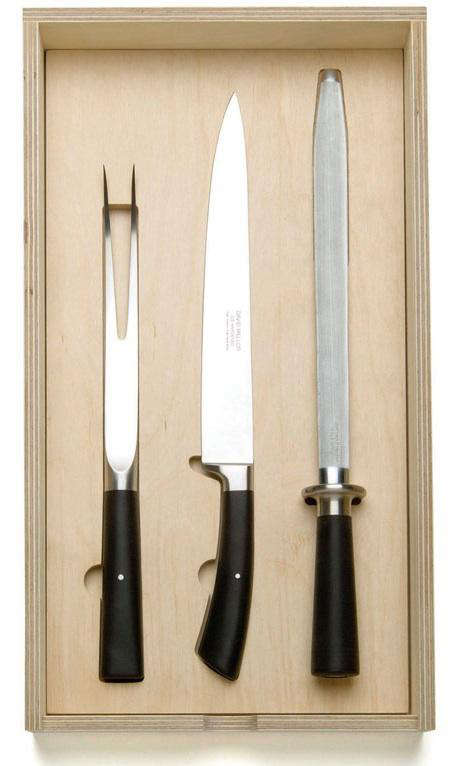
A good kitchen knife is a small daily luxury. A good sharpening steel is the quiet little tool that helps keep that luxury from turning into a tomato-smashing, onion-bruising tragedy. The David Mellor Sharpening Steel belongs to that useful category of kitchen equipment that does not shout for attention, yet quickly becomes indispensable once you start cooking seriously.
Designed to complement David Mellor’s celebrated kitchen knife range, this sharpening steel carries the brand’s familiar mix of practical engineering and refined British design. It is sleek, durable, elegant, and refreshingly unfussy. In other words, it looks like something a serious cook would own, but it does not require you to speak fluent chef to use it.
Whether you own David Mellor black handle knives or simply want a quality honing tool for stainless steel and carbon steel kitchen knives, this guide explains what the David Mellor Sharpening Steel is, how it works, who it is best for, and how to use it without making your countertop look like a tiny sword-fighting arena.
What Is the David Mellor Sharpening Steel?
The David Mellor Sharpening Steel is a kitchen knife maintenance tool designed to help keep knife edges aligned and effective between full sharpenings. Although it is commonly called a “sharpening steel,” it works primarily as a honing steel. That means it helps realign the microscopic edge of a knife rather than aggressively grinding away metal to create a brand-new edge.
This distinction matters. A whetstone, electric sharpener, or professional sharpening service removes metal to rebuild the edge. A steel is more like a tune-up. It keeps a sharp knife performing well for longer, especially when used regularly and correctly.
David Mellor’s version is associated with the brand’s black handle kitchen knife collection, a range developed by Corin Mellor for David Mellor Design. The knives in that collection are known for their high-carbon stainless steel blades, ice-hardening process, taper-ground edges, and balanced black acetal resin handles. The sharpening steel follows the same visual language: clean, modern, durable, and built for real use.
Why David Mellor Design Matters
David Mellor was one of Britain’s most respected designers, especially famous for metalwork, cutlery, and functional objects with lasting style. His design philosophy was simple but demanding: everyday tools should work beautifully and look beautiful while doing it. No unnecessary decoration, no awkward gimmicks, no “why is this handle shaped like a spaceship?” confusion.
The David Mellor Sharpening Steel fits that philosophy. It is not a flashy gadget with springs, motors, blinking lights, or a promise to turn your drawer of tired knives into samurai blades before breakfast. Instead, it is a classic, well-made kitchen tool with a refined profile and a practical purpose: maintaining the cutting performance of your knives.
Key Features of the David Mellor Sharpening Steel
Elegant Black Handle Design
The black handle gives the steel a clean, professional appearance. It pairs especially well with David Mellor black handle knives, but it also looks at home beside other premium kitchen knives. The design feels modern without being trendy, which is a very polite way of saying it will not look embarrassing five years from now.
Durable Construction
The David Mellor Sharpening Steel is designed for regular kitchen use. Retail descriptions commonly connect it with the same material language as the David Mellor knife collection, including durable handle materials and a steel made to maintain knife edges. Some listings describe it as a 37 cm tool overall, making it long enough for comfortable use with chef’s knives, carving knives, and utility knives.
Useful for Stainless Steel and Carbon Steel Knives
A well-made steel can be used with many kitchen knives, including stainless steel and carbon steel blades. That makes it especially practical for home cooks who own a mixed knife drawer: a chef’s knife here, a carving knife there, and possibly one mysterious paring knife that has survived three apartments and nobody knows where it came from.
Professional Yet Home-Friendly
The tool has the feel of professional kitchen equipment, but it is not reserved for restaurant chefs. If you cook regularly, slice vegetables, carve roast chicken, prep herbs, or cut fruit, a honing steel can improve daily knife performance. The key is learning a simple, controlled technique rather than dramatically swiping the blade in midair like a TV chef with excellent insurance.
Sharpening Steel vs. Honing Steel: What Is the Difference?
The phrase knife sharpening steel can be a little misleading. Most traditional steels do not sharpen in the same way a whetstone does. Instead, they maintain the edge by correcting tiny bends, folds, and irregularities that happen during normal cutting.
Think of a knife edge as a very fine line. When you chop carrots, slice crusty bread, or hit the cutting board repeatedly, that fine edge can roll slightly to one side. The knife may still look sharp, but it starts to drag, crush, or slip. Honing helps bring that edge back into alignment.
Sharpening, by contrast, removes metal and creates a fresh edge. You need sharpening when honing no longer improves performance. For many home cooks, that may mean professional sharpening a few times a year and honing more frequently between those sessions.
How to Use a David Mellor Sharpening Steel
Using a sharpening steel is simple, but it rewards patience. The safest method for most home cooks is the vertical technique.
Step 1: Place the Steel Vertically
Set the tip of the steel on a stable cutting board. You can place a folded kitchen towel underneath the tip to prevent slipping. Hold the handle firmly with your non-dominant hand.
Step 2: Find the Correct Angle
For many Western-style kitchen knives, a 15- to 20-degree angle is a practical target. If you are unsure, start around 20 degrees. It is better to be steady and consistent than to chase a perfect angle while wobbling like a shopping cart with one bad wheel.
Step 3: Draw the Knife from Heel to Tip
Place the heel of the knife near the top of the steel. Gently draw the blade downward and toward you, finishing with the tip of the knife near the lower part of the steel. Use light pressure. You are not trying to punish the knife for its sins.
Step 4: Alternate Sides
Repeat the motion on the opposite side of the blade. Alternate sides for about five to eight passes per side. Keep the movement smooth, slow, and controlled.
Step 5: Wipe the Blade
After honing, wipe the knife carefully with a clean cloth to remove any tiny metal particles. Then test the edge on food, not your finger. A tomato or sheet of paper is much less dramatic than a bandage.
How Often Should You Use It?
If you cook daily, honing once or twice a week is usually enough. Some cooks prefer to hone briefly before each major prep session. If you cook only occasionally, use the steel when the knife begins to feel less responsive.
The best sign is performance. If your knife slides cleanly through onions, herbs, tomatoes, and cooked meats, it probably only needs normal maintenance. If it crushes soft foods, skids on tomato skin, or requires extra force, try honing. If honing does not help, it is time for actual sharpening.
What Knives Work Best with the David Mellor Sharpening Steel?
The David Mellor Sharpening Steel is an obvious match for David Mellor kitchen knives, particularly the black handle collection. It also works well with many Western-style chef’s knives, carving knives, utility knives, and slicing knives.
However, use caution with very hard Japanese knives, extremely thin edges, or specialty blades. Some harder steels can be more brittle, and an aggressive honing technique may chip the edge. For those knives, a fine ceramic rod or whetstone may be more appropriate. When in doubt, check the knife maker’s care instructions.
Benefits of Owning a David Mellor Sharpening Steel
It Keeps Knives Working Better
A sharp-feeling knife makes cooking faster, safer, and more enjoyable. Honing helps preserve that feeling between proper sharpenings. Instead of wrestling with a dull blade, you get cleaner cuts and better control.
It Extends the Life of Your Knife Edge
Regular honing can reduce the need for frequent sharpening. Since sharpening removes metal, it should not be done unnecessarily. A steel helps maintain the existing edge, which can extend the working life of quality knives.
It Looks Good in the Kitchen
Let us be honest: design matters. A tool can be practical and still look like it belongs in a beautiful kitchen. The David Mellor Sharpening Steel has that refined, understated appearance that makes it suitable for open storage, a knife block, or a carefully arranged prep area.
It Encourages Better Cooking Habits
Once you own a proper honing steel, you become more aware of knife care. You stop tossing knives into the sink. You stop scraping the cutting board with the blade edge. You may even start drying your knives immediately after washing them. Congratulations, you are now the responsible adult in the kitchen.
Care and Maintenance Tips
The David Mellor Sharpening Steel should be treated like a quality kitchen tool. Do not put it in the dishwasher. Dishwashers can expose kitchen tools to harsh detergent, high heat, and unnecessary banging around. Hand cleaning is safer and more sensible.
After use, wipe the steel with a damp cloth and dry it thoroughly. Store it securely in a knife block, drawer insert, wall rack, or storage case where it will not roll around or damage other tools. If the steel has a guard, keep your grip behind it while honing.
Good knife care also matters. Use wood or plastic cutting boards rather than glass, stone, or ceramic surfaces. Wash knives by hand, dry them right away, and store them so the edges do not knock against other utensils. A sharpening steel can help, but it cannot rescue a knife that spends its evenings clattering around in a drawer with pizza cutters and measuring spoons.
Common Mistakes to Avoid
Using Too Much Pressure
Heavy pressure does not make honing better. It can damage the edge and reduce control. Use gentle, even strokes.
Moving Too Fast
Fast honing may look impressive, but accuracy matters more than speed. Slow strokes help you maintain a consistent angle.
Expecting It to Fix a Truly Dull Knife
If a knife is completely dull, a honing steel will not magically rebuild the edge. At that point, use a whetstone, guided sharpener, or professional sharpening service.
Using It on Serrated Knives
Standard honing steels are not ideal for serrated knives. Serrations require different tools and techniques.
Is the David Mellor Sharpening Steel Worth It?
The David Mellor Sharpening Steel is worth considering if you appreciate well-designed kitchen tools, own quality knives, or want a sharpening steel that feels more refined than a generic rod from a bargain bin. It is especially appealing if you already own David Mellor knives and want a matching maintenance tool.
It may not be the cheapest honing steel available, but price is not the only point. You are paying for design, materials, brand heritage, and a tool that fits naturally into a thoughtfully equipped kitchen. For cooks who value both performance and aesthetics, that combination has real appeal.
Buying Advice: Who Should Choose This Steel?
Choose the David Mellor Sharpening Steel if you want a premium-feeling kitchen tool for maintaining good knives. It is a strong fit for home cooks, design lovers, gift buyers, and anyone building a serious knife-care setup.
You may want a different option if you need a highly abrasive diamond rod, a ceramic hone for very hard Japanese knives, or a budget tool for occasional use. But for classic kitchen knife maintenance, the David Mellor Sharpening Steel offers a smart balance of function, durability, and elegant design.
Personal Experience Notes: Living with a David Mellor Sharpening Steel
The first thing you notice about a David Mellor Sharpening Steel is not that it is loud or complicated. It is the opposite. It has a calm, purposeful presence. Pick it up beside a good chef’s knife and the pairing feels natural, like a fountain pen beside good paper or a cast-iron skillet beside a serious appetite.
In everyday use, the value becomes clear during prep work. A chef’s knife that felt slightly tired on Monday can feel noticeably cleaner after a few careful passes on the steel. Tomatoes slice instead of squashing. Herbs cut more neatly instead of bruising into green confetti. Onions feel less like a wrestling match. The difference is not theatrical, but it is practical, and practical is exactly what matters when dinner is already twenty minutes behind schedule.
The vertical honing method feels especially comfortable with a steel like this. Place the tip on a board, hold the handle firmly, and work slowly from heel to tip. After a few sessions, the motion becomes almost meditative. It is a small kitchen ritual: steady angle, light pressure, alternate sides, wipe the blade, return to cooking. No sparks. No drama. No need to announce, “Stand back, I am maintaining an edge.” Although, admittedly, that would make Tuesday dinner more exciting.
One of the best experiences with a quality sharpening steel is how it changes your relationship with knives. Instead of waiting until a blade becomes annoyingly dull, you start noticing early signs of edge fatigue. A pepper skin resists slightly. A carrot cut feels less crisp. A roast slices a little raggedly. Those are signals, not disasters. A few strokes on the steel often restore enough bite to finish the job cleanly.
The David Mellor design also makes storage and presentation easier. Some kitchen tools are useful but visually chaotic; they look like they escaped from a garage drawer. This steel has a composed, modern appearance that works well in a knife block or displayed with matching knives. For people who care about kitchen aesthetics, that matters. A kitchen is a workspace, yes, but it is also where people gather, snack, talk, over-salt soup, and pretend they were “just tasting” the cheese.
There is also a safety benefit that becomes obvious over time. A knife that cuts cleanly requires less force. Less force means better control. Better control means fewer slips. Honing does not replace careful technique, but it supports it. When the knife edge is maintained, prep feels smoother and calmer.
The main lesson from using a sharpening steel regularly is restraint. Light pressure works. Consistency works. A few passes work. Overdoing it does not help. The David Mellor Sharpening Steel rewards the cook who treats it as a maintenance tool, not a magic wand. Use it often enough, use it gently, and pair it with proper sharpening when needed. That is the recipe for knives that stay useful, safe, and enjoyable for years.
Final Thoughts
The David Mellor Sharpening Steel is a refined, practical tool for cooks who want to keep their kitchen knives performing at their best. It reflects the David Mellor tradition of thoughtful design: elegant enough to admire, durable enough to use, and simple enough to become part of everyday cooking.
It will not replace proper sharpening, and it should not be treated like an aggressive grinder. Its real strength is maintenance. Used correctly, it helps preserve a knife’s edge, improves cutting performance, and makes cooking feel smoother. For anyone who values sharp knives, good design, and kitchen tools that do their job without unnecessary fuss, this sharpening steel deserves a place near the cutting board.












