
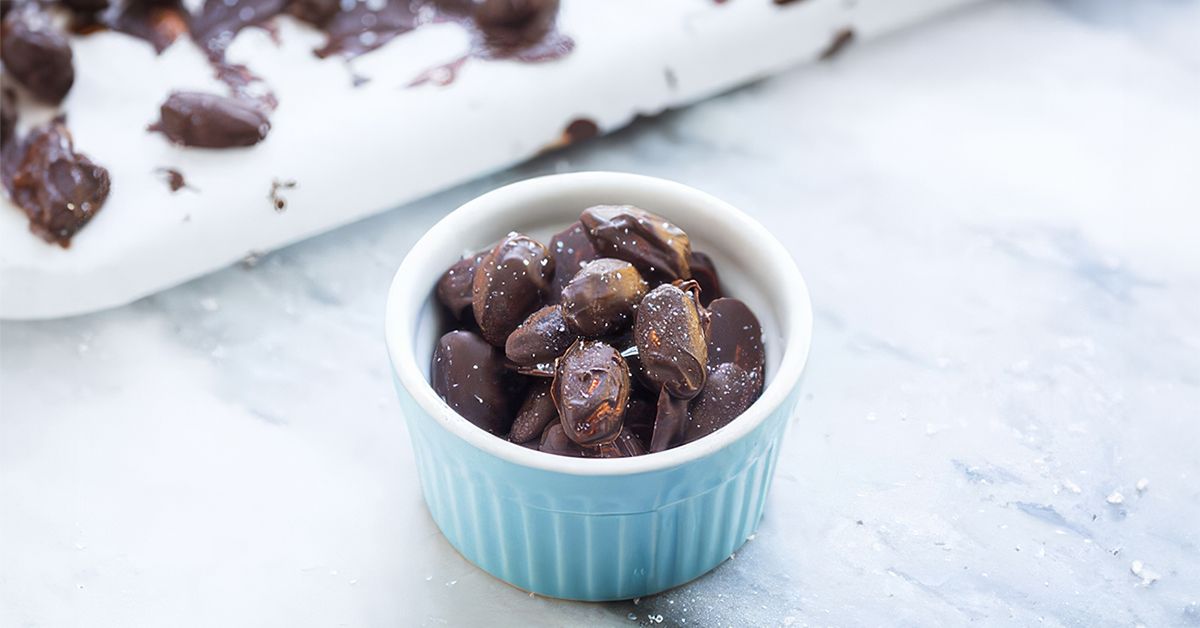
Dark chocolate-covered almonds occupy a delicious little neighborhood between sensible snack and full-blown candy. They are crunchy, bittersweet, portable, and just fancy enough to place in a gift box without anyone suspecting that the recipe involved only a few ingredients.
The pairing also makes culinary sense. Roasted almonds offer a crisp texture and gently toasted flavor, while dark chocolate melts around them with notes that may range from fruity and floral to deeply roasted. Add a pinch of flaky salt, and suddenly a humble handful of nuts begins behaving like something from a boutique chocolate shop.
This guide explains how to make dark chocolate-covered almonds at home, how to choose the right ingredients, what their nutritional strengths and limitations are, and how to keep the chocolate glossy instead of turning it into a mysterious gray sweater.
Why Dark Chocolate and Almonds Work So Well Together
The appeal begins with contrast. Almonds are dry, crisp, and subtly sweet. Dark chocolate is smooth, rich, and pleasantly bitter. Each ingredient supplies what the other lacks, producing a snack that feels more satisfying than either component alone.
Roasting makes the combination even better. Heat develops the almonds’ toasted aroma and sharpens their crunch. That stronger flavor can stand up to chocolate containing 70% or more cocoa solids, which might taste too intense when eaten by itself.
Texture is equally important. Properly set chocolate breaks with a gentle snap before revealing the crunchy almond inside. It is a small but highly effective piece of food engineeringone that tends to make a serving disappear faster than originally planned.
Are They a Snack or a Dessert?
Realistically, dark chocolate-covered almonds are both. Almonds provide protein, fiber, vitamin E, magnesium, and mostly unsaturated fats. Dark chocolate contributes cocoa compounds, including flavanols, but it also adds sugar, saturated fat, and calories.
Calling them “healthy candy” is reasonable only when the word candy remains in the sentence. They can fit into a balanced eating pattern, but a family-size bag does not become a single serving simply because almonds are involved. Nice try, though.
Potential Nutritional Benefits
Almonds Bring More Than Crunch
Almonds are nutrient-dense tree nuts. They contain plant protein, dietary fiber, vitamin E, magnesium, and monounsaturated and polyunsaturated fats. Unsalted almonds can be a useful part of a heart-conscious eating pattern when they replace snacks that are higher in refined carbohydrates or less favorable fats.
The combination of fat, fiber, and protein also makes almonds relatively satisfying. That does not make calories vanish, but it may help a modest portion feel more substantial than a similar amount of hard candy or sugary cookies.
Dark Chocolate Contains Cocoa Flavanols
Cocoa contains naturally occurring plant compounds called flavanols. Research has examined their relationship with blood-vessel function and cardiovascular health, although commercial chocolate products vary considerably in flavanol content. Processing methods can reduce these compounds, so cocoa percentage does not tell the entire nutritional story.
As a practical shopping rule, chocolate with at least 70% cocoa solids generally contains more cocoa and less sugar than sweeter varieties. It also tastes more bitter, which is precisely why the mellow richness of almonds makes such a useful partner.
Moderation Still Matters
Both almonds and dark chocolate are energy-dense. Chocolate-covered almonds may also contain added sugar, confectioner’s glaze, cocoa butter, dairy ingredients, or extra oils. Nutrition numbers can therefore differ substantially among brands and homemade recipes.
A modest handful is a more sensible portion than eating directly from an open container while watching television. The container has no natural stopping mechanism and cannot be trusted.
How to Choose the Best Ingredients
Choose Whole, Fresh Almonds
Use raw or dry-roasted whole almonds with no stale, oily, or paint-like odor. Rancid nuts will not be rescued by chocolate; they will merely become expensive rancid nuts wearing formal attire.
Raw almonds allow you to control the roasting level and salt. Pre-roasted almonds are convenient, but check that they are crisp and not heavily coated with oil. If they are already salted, reduce or omit any finishing salt.
Use Good Dark Chocolate
Chocolate is the dominant flavor, so choose one you enjoy eating on its own. A cocoa content between 65% and 75% provides a crowd-friendly balance of bitterness and sweetness. Chocolate above 80% creates a more intense, less sweet result.
Bars, wafers, or couverture-style chocolate usually melt more smoothly than chips. Chocolate chips are designed to hold their shape in cookies, so some varieties contain stabilizers that produce a thicker coating. They will still work, but the finish may be less fluid and glossy.
Check Allergen Statements
Almonds are tree nuts and are a major food allergen. Dark chocolate may also contain milk, soy, or ingredients produced on shared equipment. Even products marketed as dairy-free can present cross-contact concerns, so anyone managing a serious allergy should read both the ingredient list and the advisory statement on every package.
Easy Homemade Dark Chocolate-Covered Almonds Recipe
Ingredients
- 2 cups whole raw almonds
- 10 to 12 ounces dark chocolate, preferably 65% to 75% cocoa
- 1/4 teaspoon fine sea salt, optional
- Flaky sea salt for finishing, optional
- 1/2 teaspoon vanilla extract, optional
- Unsweetened cocoa powder for dusting, optional
Equipment
- Rimmed baking sheet
- Parchment paper or a silicone baking mat
- Microwave-safe bowl or double boiler
- Heatproof spatula
- Fork or dipping tool
Step 1: Roast the Almonds
Preheat the oven to 325°F. Spread the almonds in a single layer on a baking sheet and roast them for 8 to 12 minutes, stirring once halfway through. They are ready when they smell toasted and appear slightly darker.
Let the almonds cool completely. This step is essential. Warm almonds can raise the temperature of the chocolate, interfere with setting, and create condensation. Chocolate dislikes water with the intensity of a cat encountering a bathtub.
Step 2: Prepare the Work Area
Line a clean baking sheet with parchment paper. Make sure the bowl, spatula, and fork are completely dry. Even a small amount of water can cause melted chocolate to seize, changing it from silky liquid into a thick, grainy mass.
Step 3: Melt the Chocolate
Chop the chocolate into small, even pieces. Place about three-quarters of it in a microwave-safe bowl. Heat at 50% power in 20-second intervals, stirring thoroughly after each interval. Stop when only a few small pieces remain, then stir until smooth.
Add the reserved chocolate gradually and continue stirring. This simple seeding technique helps cool the mixture and encourages a smoother, firmer set. For casual snacking, exact professional tempering is not essential. For a glossy coating with a crisp snap, use a thermometer and follow the temperature recommendations supplied by the chocolate manufacturer.
Step 4: Coat the Almonds
Add the cooled almonds to the melted chocolate and fold until every nut is coated. For individual pieces, lift the almonds out one at a time with a fork and let excess chocolate drip back into the bowl. Place them on the prepared baking sheet without touching.
For clusters, spoon groups of three to five almonds onto the parchment. Clusters are faster, easier, and less likely to test the outer boundaries of your patience.
Step 5: Add the Finishing Touches
Before the coating sets, sprinkle the almonds lightly with flaky sea salt. You can also dust them with cocoa powder after they have firmed up. Salt creates a sharper contrast with the bittersweet chocolate, while cocoa produces a truffle-like finish.
Step 6: Let the Chocolate Set
Leave the almonds at cool room temperature until firm, generally 30 to 60 minutes. If the room is warm, refrigerate them briefly. Avoid leaving them uncovered in the refrigerator for a long period, because moisture and food odors can affect the surface and flavor.
Should You Temper the Chocolate?
Tempering is the controlled heating and cooling of chocolate so the cocoa butter forms stable crystals. Properly tempered chocolate looks glossy, feels firm at room temperature, and breaks with a clean snap.
You do not have to temper chocolate to make a tasty batch. Simply melted chocolate will coat the almonds, especially if the finished candy is refrigerated. However, it may remain slightly soft, develop streaks, or melt more quickly when handled.
Tempering is worthwhile when the almonds are intended as gifts, party favors, or a room-temperature treat. For a Tuesday-night snack that may not survive until Wednesday, ordinary careful melting is perfectly respectable.
Flavor Variations
Sea Salt and Espresso
Mix a small pinch of instant espresso powder into the melted chocolate and finish the almonds with flaky salt. Coffee deepens the roasted character of both cocoa and almonds without making the candy taste like a cup of coffee.
Cinnamon and Cayenne
Add ground cinnamon and a tiny pinch of cayenne pepper to the chocolate. Begin cautiously with the cayenne. The goal is a warm finish, not a snack that files a formal complaint against your tongue.
Orange and Vanilla
Add finely grated orange zest to the finished coating or use a small amount of food-grade orange oil. Avoid adding orange juice because its water content can cause the chocolate to seize. A drop of vanilla extract can soften the sharper notes of very dark chocolate, but it should be stirred in carefully.
Cocoa-Dusted Almonds
When the chocolate is almost set but still slightly tacky, roll the coated almonds in unsweetened cocoa powder. This creates a sophisticated matte finish and reduces stickiness.
Coconut or Crushed Freeze-Dried Fruit
Sprinkle the wet chocolate with toasted coconut, crushed freeze-dried raspberries, or finely chopped roasted almonds. These toppings add color and texture without introducing much moisture.
Common Problems and Simple Fixes
The Chocolate Became Thick and Grainy
The chocolate may have overheated or come into contact with water. Keep all tools dry and use short heating intervals. Do not cover a warm bowl, because trapped steam can drip into the chocolate.
The Coating Looks Dull or Streaky
This appearance is often caused by chocolate that was not tempered or that cooled unevenly. It is usually a quality issue rather than a reason to discard the batch. The almonds may not win a beauty contest, but they will remain highly employable as dessert.
The Almonds Form One Giant Chocolate Island
Space individual almonds farther apart while the coating is wet. If they have already joined forces, let the chocolate harden and break the pieces into rustic clusters. Rename the recipe “artisan almond bark,” and proceed with confidence.
The Chocolate Melts on Your Fingers
The room may be too warm, the coating may not be tempered, or the chocolate may contain a high proportion of soft fats. Store the batch in a cooler location and serve it in small bowls rather than holding it for long periods.
Storage and Serving Ideas
Once fully set, transfer the almonds to an airtight container. Store them in a cool, dry, dark place away from sunlight, strong odors, and heat. For the best texture and flavor, homemade batches are generally most enjoyable within one to two weeks.
Refrigeration can extend quality in a warm climate, but protect the candy in a tightly sealed container. Before opening it, allow the container to return toward room temperature. This helps reduce condensation on the chocolate.
Serve dark chocolate-covered almonds with fresh berries, coffee, black tea, or a cheese board. They also work as an oatmeal topping, an ice cream garnish, or an edible gift packed in small jars or paper candy cups.
A Real-World Experience Making Dark Chocolate-Covered Almonds
My first serious attempt at homemade dark chocolate-covered almonds began with the confidence of a television chef and the preparation of someone who had misplaced the instruction manual. I roasted the almonds, melted the chocolate, and assumed the rest would take approximately four minutes. It did not.
The first lesson arrived when I poured warm almonds directly into the chocolate. The mixture thickened almost immediately, and the coating looked less like glossy candy and more like driveway asphalt. It still tasted good, but each almond had the visual charm of a small landscaping pebble.
On the second batch, I let the roasted nuts cool completely. That single change made an enormous difference. The chocolate remained fluid, the almonds coated evenly, and the kitchen smelled like a candy shop instead of a minor emergency.
I also discovered that coating almonds individually is relaxing for roughly the first twelve nuts. After that, it becomes a character-building exercise. Making clusters proved much more practical. Spoonfuls containing three or four almonds looked intentionally rustic, set quickly, and provided a satisfying ratio of chocolate to crunch.
The most successful version used 70% dark chocolate and a very light sprinkle of flaky sea salt. Chocolate with 85% cocoa tasted sophisticated but needed either more salt or a sweeter companion, such as freeze-dried raspberries. Semisweet chocolate was popular with children and adults who considered 85% cocoa a disciplinary measure.
One experiment involved adding a generous spoonful of coconut oil to make the chocolate thinner. Dipping became easier, but the coating softened rapidly at room temperature and left fingerprints on everything it encountered. A tiny amount can be useful when appearance is not important, but omitting it produced a cleaner snap.
Storage created another surprise. I placed an uncovered tray in the refrigerator beside a container of chopped onions. Chocolate absorbs surrounding aromas remarkably well. The resulting almonds were technically edible but offered an avant-garde flavor profile that no one had requested. An airtight container solved that problem permanently.
For gift batches, tempering was worth the extra attention. The almonds looked shinier, released cleanly from the parchment, and stayed firm when placed in small paper cups. For ordinary home snacking, careful melting and brief refrigeration were enough. Perfection mattered far less when the batch was likely to disappear before anyone could inspect the finish.
The final lesson was about portions. A small bowl felt satisfying because the almonds required actual chewing and the dark chocolate delivered a strong flavor. Eating from the storage container was a different experience. Somehow, the phrase “just one more” repeated itself until the container developed a suspicious amount of empty space.
After several batches, the simplest formula remained the best: freshly roasted almonds, good 70% dark chocolate, a dry bowl, patient melting, and a restrained pinch of salt. The process was easy enough for a beginner but offered plenty of room for improvement. More importantly, even the imperfect batches tasted excellentwhich is a very forgiving quality in a recipe.
Conclusion
Dark chocolate-covered almonds prove that an impressive homemade treat does not require a pastry degree, specialized molds, or an afternoon devoted to washing seventeen bowls. Fresh almonds, flavorful dark chocolate, and careful handling are enough to create a crisp, bittersweet snack with genuine gift-box appeal.
Choose chocolate you enjoy, roast the almonds for deeper flavor, keep moisture away from the melting bowl, and remember that a modest portion is still the best way to enjoy this nutrient-dense candy. Add sea salt for contrast, cocoa for elegance, or cayenne for a little drama. Just keep the onions out of the refrigerator.












