
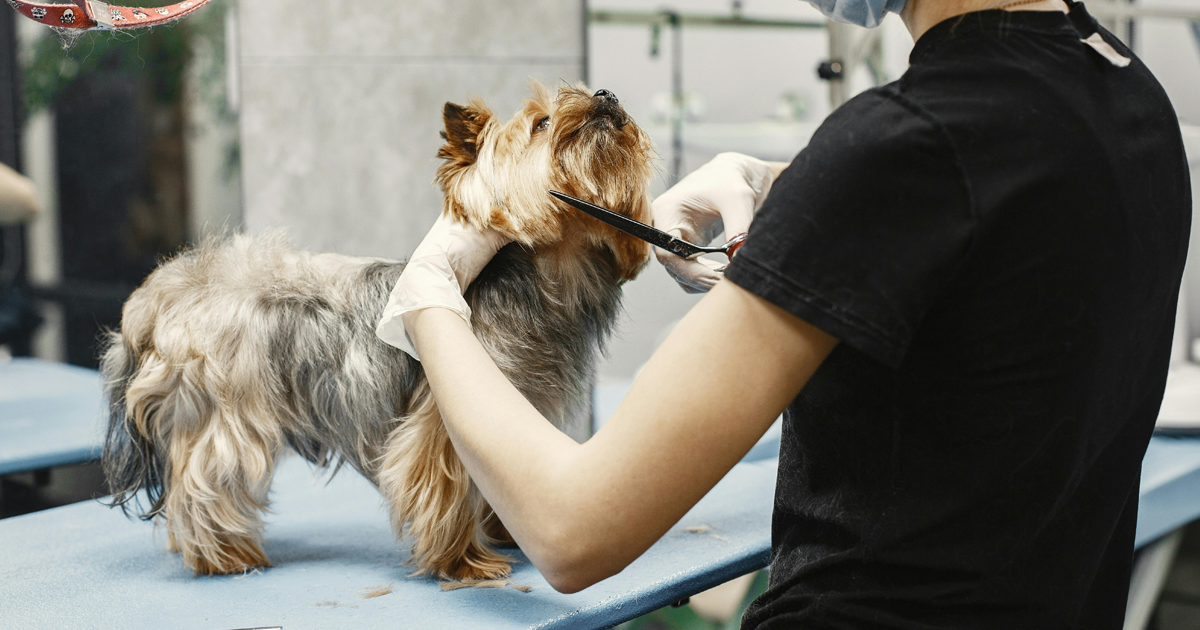
A spa day should not be reserved for humans wearing fluffy robes and pretending cucumber water is exciting. Your dog can enjoy a little pampering, tooalthough your canine client may prefer peanut butter, belly rubs, and a towel that has not been folded with hotel-level precision.
A well-planned at-home dog spa day combines routine grooming, gentle handling, relaxation, and positive reinforcement. It can help remove loose hair, keep nails manageable, reveal skin or ear problems early, and teach your dog that being touched does not always lead to a thermometer at the veterinary clinic. Grooming sessions may also provide useful mental enrichment when they are comfortable, voluntary, and matched to the individual dog.
The goal is not to transform your bathroom into a luxury grooming salon. It is to create a calm, safe experience that leaves your dog clean, comfortable, and suspiciously proud of smelling less like the backyard.
What Does a Dog Spa Day Include?
A home spa day can be as simple or elaborate as your dog enjoys. Common activities include brushing, bathing, towel drying, nail care, ear inspection, paw care, tooth brushing, gentle massage, and a relaxing enrichment activity afterward.
Not every dog needs every service in one session. A nervous puppy may be successful after three minutes of brushing and one paw inspection. A calm adult dog may happily tolerate the complete routine. Senior dogs, dogs with arthritis, and dogs recovering from illness may need shorter sessions, extra support, and veterinary guidance.
Let Your Dog Set the Pace
A spa day stops being relaxing when your dog feels trapped. Watch for stress signals such as repeated lip licking, yawning, panting when the room is cool, trembling, hiding, stiff posture, growling, or repeatedly trying to leave.
If your dog becomes uncomfortable, pause or end the session. Do not punish a warning growl. It is valuable communication, not a personal review of your customer service. Divide the routine into several short sessions if necessary.
Gather Your At-Home Dog Spa Supplies
Prepare everything before inviting your dog into the bathing area. Leaving a wet dog unattended while you search for shampoo is an excellent way to create a dripping hallway mural.
- A brush and comb suited to your dog’s coat
- Dog-specific shampoo
- Dog conditioner, if appropriate for the coat
- Several absorbent towels
- A nonslip bath mat or rubber tub mat
- A cup, pitcher, or low-pressure sprayer
- Veterinarian-approved dog ear cleaner
- Cotton pads or soft gauze
- Dog nail clippers or a pet nail grinder
- Styptic powder for accidental nail bleeding
- A dog toothbrush and canine toothpaste
- Dog-safe, veterinarian-approved paw balm
- Small treats or part of your dog’s regular meal
- A washable lick mat or food puzzle
Use products specifically labeled for dogs. Human shampoo is formulated for human skin and may irritate a dog’s skin barrier. Even among dog shampoos, formulas vary, so choose one appropriate for your pet’s age, coat, and medical needs. Medicated shampoo should be used according to veterinary instructions rather than improvised because the bottle has reassuring leaves on the label.
How to Create a Spa Day at Home for Your Dog
1. Begin With a Calm Activity
Start with a relaxed walk, sniffing session, or gentle indoor game. The purpose is not to exhaust your dog with a miniature boot camp. A few minutes of movement and sniffing can help reduce restless energy before grooming.
Afterward, offer water and allow your dog to settle. Avoid beginning immediately after a large meal, intense exercise, or an exciting visit from someone your dog considers the greatest person ever born.
2. Prepare a Safe Spa Area
Choose a warm, quiet room with a door you can close. Place a nonslip mat in the tub or shower so your dog does not scramble for balance. Keep water, electrical cords, clippers, and dryers safely organized.
Put treats within reach, but do not position food where your dog must twist awkwardly to access it. If you use a lick mat, attach it at a comfortable head height and supervise continuously.
Skip candles, incense, perfume sprays, and essential-oil diffusers. Concentrated essential oils can irritate or poison pets through inhalation, ingestion, or skin exposure. Tea tree, eucalyptus, and other heavily scented oils do not become safe simply because the packaging includes the words “natural wellness.”
3. Perform a Nose-to-Tail Check
Before brushing or bathing, gently run your hands over your dog. Look for lumps, scabs, bald areas, redness, parasites, broken nails, tender spots, or changes in the coat. Examine the spaces between the toes and check beneath the collar or harness.
Contact your veterinarian if you discover an unexplained lump, an open wound, widespread irritation, sudden hair loss, a painful area, or a strong skin odor. Excessive shedding combined with bald patches, crusting, redness, or behavioral changes may indicate more than an overdue brushing session.
4. Brush Before the Bath
Brush in the direction the hair grows, working in small sections. Begin with easy areas such as the shoulders or back before approaching sensitive places. Reward calm behavior frequently.
Brushing before bathing removes dirt and loose coat while identifying tangles that water could tighten. Hold the hair near the skin when working through a small tangle so the brush does not pull directly against the body.
Do not cut close mats with scissors. Dog skin can be pulled invisibly into the mat, making accidental cuts frighteningly easy. Dense, extensive, or skin-tight matting should be handled by a professional groomer or veterinarian, especially when the skin beneath it appears irritated.
5. Give Your Dog a Comfortable Bath
Use comfortably lukewarm water. Test it on the inside of your wrist, remembering that your dog did not request a lobster-pot experience. Wet the body gradually, starting near the shoulders and moving backward. Avoid spraying directly into the eyes, nose, mouth, or ears.
Dilute shampoo only when the manufacturer’s directions recommend it. Massage the product gently through the coat without aggressively scrubbing irritated skin. Wash the paws, belly, rear area, neck, and tail while avoiding internal ear structures and other sensitive tissues.
Rinse much longer than you think necessary. Residual shampoo can contribute to itching and collect dirt. Run your fingers through thick coats while rinsing to make sure water reaches the undercoat.
Bathing frequency depends on coat type, activity, allergies, medical conditions, and how enthusiastically your dog investigates mud. Many healthy dogs need only occasional baths, while certain coats or veterinary treatment plans require more frequent washing. Too-frequent bathing with an unsuitable product may dry or irritate the skin.
6. Dry Without Creating a Wind Tunnel
Let your dog shake before wrapping them in a towelunless you have always wanted the walls lightly misted. Blot and squeeze the coat instead of rubbing it into tangles.
Short-coated dogs may dry adequately with towels in a warm room. Thick or long coats can retain moisture close to the skin, so they may need additional drying. A pet dryer or human dryer may be used only on a cool or low-heat setting, held well away from the body and moved continuously.
Stop if your dog fears the sound or airflow. Never force a frightened dog to endure a dryer. Continue towel drying, provide a warm resting area, or seek help from a low-stress professional groomer.
7. Handle Nail Care Conservatively
Inspect each nail, including dewclaws. If you hear nails clicking on hard floors or see them contacting the ground while your dog stands normally, a trim may be due. Nail growth varies, although many dogs benefit from roughly monthly checks. Dogs that walk frequently on abrasive surfaces may wear their nails down faster.
Trim only a tiny amount at a time. The quick inside the nail contains blood vessels and nerves. It may be visible in pale nails but difficult to identify in dark nails. When uncertain, remove very small slivers or use a grinder gradually.
Keep styptic powder nearby. If you cut the quick, apply the powder and gentle pressure. Contact a veterinarian if bleeding does not stop promptly. End the nail session after one or two successful nails if your dog is worried. Finishing on a calm note is more useful than winning a wrestling match nobody entered voluntarily.
8. Inspect and Clean the Visible Ear
Lift the ear flap and look for redness, swelling, excessive debris, discharge, or an unusual odor. A healthy ear should not appear intensely inflamed or painful.
For routine cleaning, use a veterinarian-approved canine ear product and follow its label directions. Wipe visible material from the outer portion of the ear with soft gauze or a cotton pad. Do not push cotton swabs, tools, or fingers into the ear canal.
Skip cleaning and contact your veterinarian when the ear is painful, strongly odorous, swollen, or producing discharge. Repeated head shaking, loss of balance, or a persistent head tilt also warrants veterinary attention. These signs can occur with infections, allergies, trapped material, or other conditions that spa music will not resolve.
9. Give the Paws Special Attention
Check between the toes for dirt, grass seeds, small stones, redness, cracked pads, or tangled hair. Wipe each paw with a damp cloth and dry carefully, particularly between the toes.
A thin layer of dog-safe paw balm may help protect dry pads when recommended for your dog. Avoid random homemade mixtures, heavily scented products, and ingredients your dog might ingest in unsafe quantities. Prevent licking until the balm has absorbed.
Do not aggressively file normal paw pads or attempt to peel away thickened tissue. Deep cracks, bleeding, limping, swelling, or repeated paw licking should be evaluated by a veterinarian.
10. Add a Short Dental-Care Session
Use toothpaste made specifically for dogs. Human toothpaste may contain ingredients that are unsafe when swallowed, and dogs are not known for rinsing politely into the sink.
Lift the lip gently and brush the outer tooth surfaces with small circular motions. A complete brushing is ideal, but beginners can start with a few seconds and gradually increase the duration. Daily brushing provides the strongest home-care routine, although brushing several times per week can still be useful.
Stop if you notice bleeding, a broken tooth, facial swelling, severe bad breath, loose teeth, or obvious mouth pain. Home brushing cannot remove hardened tartar or replace veterinary dental evaluation and professional treatment.
11. Finish With a Gentle Dog Massage
Invite your dog to lie on a padded mat or favorite bed. Begin with slow strokes along the shoulders and back. Use light, flat-handed circles over large muscle areas while watching your dog’s response.
Avoid pressing directly on the spine, swollen joints, wounds, lumps, or painful areas. Do not stretch a limb beyond its natural range. Dogs with recent surgery, injuries, spinal disease, or significant arthritis should receive veterinary approval before massage.
Gentle massage may encourage relaxation, support comfortable movement, and strengthen the positive association with handling. Your dog may lean into your hands, soften their expression, sigh, or fall asleep. That is an excellent review, even if no tip is provided.
12. End With a Calm Reward
Finish the dog spa day with an activity your pet enjoys: a stuffed food toy, a supervised chew, a sniffing game, a nap in clean bedding, or quiet time beside you.
Keep treats proportional to your dog’s daily diet. The spa should produce a shiny coat, not an accidental second dinner.
Adjust the Spa Day to Your Dog’s Coat and Age
Short-Coated Dogs
A rubber grooming mitt or soft bristle brush may be enough to remove loose hair and surface dirt. Short coats are low-maintenance, not maintenance-free. These dogs still need nail, ear, paw, skin, and dental checks.
Long, Curly, or Silky Coats
Work in small layers and check friction-prone areas behind the ears, beneath the collar, in the armpits, around the legs, and near the tail. Brush the coat completely before bathing because hidden tangles can tighten when wet.
Double-Coated Dogs
Use tools appropriate for the undercoat and avoid shaving unless a veterinarian recommends it for a medical reason. Dry the undercoat thoroughly and brush again after the coat is dry to remove loosened hair.
Puppies
Make puppy sessions extremely short. Practice touching one paw, looking at one ear, and brushing a few strokes before offering a reward. Early positive exposure can make future grooming and veterinary handling easier.
Senior Dogs
Use thick nonslip mats, support weak hindquarters, and provide frequent breaks. Senior dogs may struggle to stand for a full bath or nail trim. A series of five-minute sessions is often kinder than one ambitious makeover.
Common At-Home Dog Spa Mistakes
- Using human shampoo, perfume, or skin-care products
- Adding essential oils to bathwater or diffusers
- Bathing severe mats before removing them
- Using scissors close to the skin
- Spraying water directly into the ears or face
- Leaving shampoo or conditioner in the coat
- Using a hot hair dryer
- Cutting large portions of the nail at once
- Inserting cotton swabs into the ear canal
- Forcing a frightened dog to continue
- Treating infections or skin disease with unapproved home remedies
- Trying to complete every grooming task in one session
A Practical Dog Spa Day Experience
Consider a typical spa-day experiment involving a fictional four-year-old mixed-breed dog named Mabel. Mabel loves puddles, snacks, and dramatically leaving the room whenever nail clippers appear. Her owner’s original plan is ambitious: bath, blow-dry, ears, teeth, nails, paws, massage, and a photo session featuring a tiny bathrobe.
The first useful lesson arrives before the water starts. Mabel becomes suspicious when every grooming tool is placed beside the bathtub at once. Instead of lifting her immediately into the tub, her owner scatters several pieces of kibble on a nonslip mat and lets her investigate. The nail clippers remain on the counter, where they can reflect quietly on their reputation.
A ten-minute sniffing walk helps Mabel settle. Back inside, her owner checks her coat and discovers two small tangles behind the ears. They are gently loosened before bathing. This takes longer than expected, but it prevents the tangles from tightening after they become wet.
Mabel enters the tub voluntarily for a treat. The water is lukewarm and the sprayer pressure is low. Her owner works from the shoulders toward the tail and uses a washcloth around the face. Mabel attempts one escape when her belly is rinsed, so the water is turned off for a brief break. After several treats and a quiet pause, she chooses to remain.
The biggest surprise is rinsing time. Although the shampoo lathers quickly, removing it from Mabel’s dense coat takes several minutes. Her owner keeps rinsing until the water runs clear and the fur no longer feels slippery. Mabel then performs the traditional full-body shake, distributing approximately one dog’s worth of water across the room.
Towel drying goes well. The dryer does not. Mabel lowers her body and backs away as soon as it starts, even on the lowest setting. Rather than insisting, her owner turns it off, uses two additional towels, and lets her rest in a warm room. The spa schedule changes to fit the dog instead of forcing the dog to fit the schedule.
Ear inspection reveals no redness, odor, or discharge, so the visible outer ear receives a gentle wipe. Tooth brushing lasts only 20 seconds, which is still longer than Mabel’s previous record of zero seconds. She receives praise and a food puzzle.
Nail trimming is divided into a separate afternoon session. Her owner touches each paw, rewards her, and trims only two nails before she begins pulling away. The session ends there. Two days later, another three nails are completed. By the end of the week, all nails are safely shortened without turning grooming into a household crisis.
The most successful part is the massage. Mabel stretches out on a clean blanket while her owner uses slow strokes around the shoulders and sides. Within minutes, her eyes soften and she rests her chin on the floor. The elaborate bathrobe photo is abandoned because she is comfortable, and comfort is the actual goal.
This example demonstrates what many owners discover: the best at-home dog spa experience is flexible. Success is not measured by how many tasks are checked off. It is measured by whether the dog remains safe, develops trust, and finishes the session feeling better than when it began.
Conclusion
Creating a spa day at home for your dog does not require marble floors, scented candles, or a playlist titled “Bark and Relax.” It requires preparation, appropriate grooming products, patient handling, and respect for your dog’s boundaries.
Brush before bathing, use lukewarm water, rinse thoroughly, approach nails and ears conservatively, and divide the routine into manageable sessions. Add gentle massage, positive reinforcement, and a favorite enrichment activity to make grooming feel less like maintenance and more like quality time.
Most importantly, remember that a spa day is not a substitute for veterinary care or professional grooming. Pain, severe matting, persistent itching, ear odor, discharge, broken nails, wounds, hair loss, or sudden behavioral changes deserve expert attention.











