
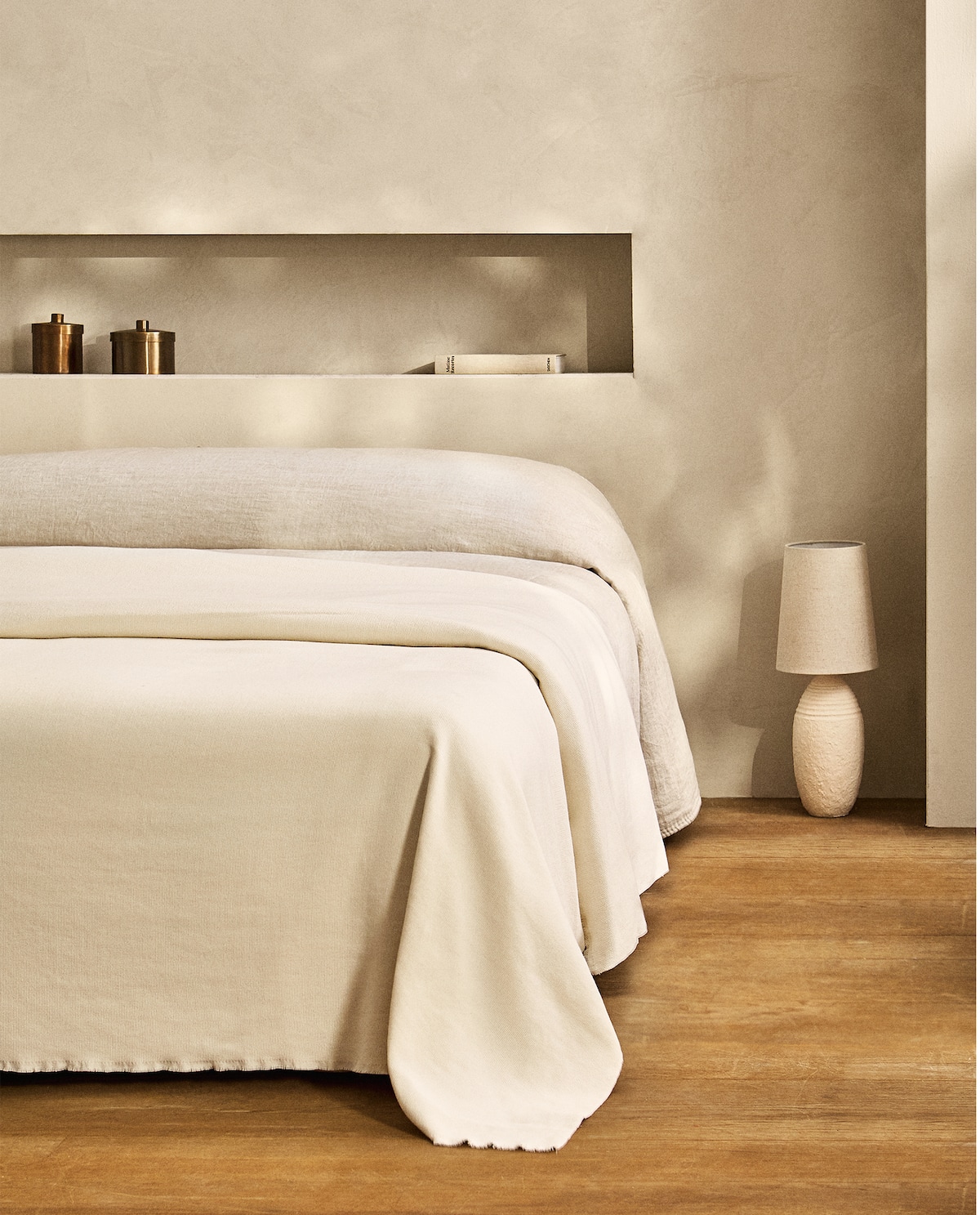
A cotton needlecord bed cover sounds like the sort of thing a stylish grandmother, a boutique hotel designer, and a person who owns exactly three excellent candles would all agree on. It is soft but structured, practical but handsome, nostalgic but not dusty. In a bedroom world crowded with giant duvets, decorative pillows no one is allowed to touch, and throws arranged with suspicious casualness, the cotton needlecord bed cover brings back a quieter idea: make the bed simple, textural, and inviting.
At its heart, a cotton needlecord bed cover is a lightweight-to-medium bedding layer made from cotton needlecord, a fine-ribbed version of corduroy. Think of classic corduroy trousers, then shrink the ribs, soften the mood, and give the fabric a second career as a bed topper. The result is a cover that adds subtle texture without screaming for attention. It can sit neatly over sheets, layer under a duvet, or fold across the foot of the bed like it has a design degree.
The phrase “Cotton Needlecord Bed Cover” became especially visible through curated home-design coverage of the simple bedspread trend, where pared-back bed covers were praised as a calmer alternative to the overstuffed bedding look. That trend makes sense. A bed cover like this does not ask your bedroom to become a showroom. It simply makes the bed look finished, warm, and touchable.
What Is a Cotton Needlecord Bed Cover?
A cotton needlecord bed cover is a decorative and functional top layer for a bed. It is usually lighter than a thick comforter, more structured than a loose throw, and more textural than a plain cotton sheet. The defining feature is the needlecord fabric: a fine-wale corduroy with narrow vertical ribs. These ribs give the surface a soft, velvety feel and a quiet visual rhythm.
Needlecord is part of the corduroy family, but it is the refined cousin who shows up to brunch in loafers. Traditional corduroy can have wide, chunky wales that feel rugged and retro. Needlecord uses much finer ribs, often creating a smoother and more delicate look. In bedding, that matters. Wide-wale corduroy can feel too heavy or upholstery-like, while cotton needlecord offers texture without turning your bed into a sofa.
Bed Cover vs. Bedspread vs. Coverlet
The terms can get confusing, mostly because bedding vocabulary behaves like a family reunion where everyone has a different nickname. A bedspread is generally large enough to cover most or all of the bed and may reach toward the floor. A coverlet is usually lighter and smaller, often used decoratively or as an extra layer. A bed cover can sit between these ideas: a flexible top layer that dresses the bed, adds warmth, and changes the room’s mood without requiring a full bedding overhaul.
A cotton needlecord bed cover works especially well for people who want the clean look of a bedspread but not the weight of a quilted comforter. It can be used alone in warmer months, layered with blankets in cooler weather, or folded at the foot of the bed when you want that “effortless hotel room” look without actually hiring housekeeping.
Why Cotton Needlecord Works So Well in the Bedroom
Cotton is popular in bedding because it is breathable, familiar, washable, and generally comfortable against the skin. Needlecord adds a second advantage: texture. A plain cotton cover may look clean, but a cotton needlecord bed cover looks clean and interesting. The ribs catch light gently, which gives the bed depth even when the color is neutral.
This is where the fabric earns its keep. Bedrooms often rely on texture more than pattern. A beige room with flat beige bedding can look peaceful, or it can look like the room gave up. Add a fine-ribbed cotton bed cover, and suddenly the same palette has movement. The fabric does not need a loud print. The texture does the talking, and thankfully it uses an indoor voice.
Softness With Structure
One of the best qualities of cotton needlecord is the balance between softness and shape. Some bedding collapses into wrinkles the moment you look at it. Other bedding is so stiff it feels like it should come with assembly instructions. Needlecord sits comfortably in the middle. It drapes, but it also holds enough structure to make the bed look intentionally styled.
This makes it useful for real homes, not just photo shoots. You can smooth it quickly in the morning and still get a polished effect. The fine ribs help disguise minor creases, pet paw evidence, or the mysterious lump caused by a badly tucked sheet. In short, it is forgiving. Every bedroom needs at least one forgiving object.
The Return of the Simple Bedspread
For years, the dominant bedroom look was all about layers: duvet, quilt, throw, six pillows, two shams, one tiny cushion with no known purpose. But design trends have been moving toward simpler beds. A single elegant bed cover can make a room feel calmer, cleaner, and easier to maintain.
The cotton needlecord bed cover fits perfectly into this shift. It offers the visual completeness of a traditional bedspread without feeling old-fashioned. It also answers a modern need: people want bedrooms that feel restful, not staged. A simple bed cover creates a smooth surface, reduces visual clutter, and makes the room feel more spacious.
Minimalism, But Make It Cozy
Minimalism can sometimes look cold, as if the room is waiting for a magazine editor but not an actual human. Cotton needlecord avoids that problem. Its texture adds warmth to a restrained design. A white cotton needlecord bed cover feels crisp and coastal. A beige one feels earthy and relaxed. A charcoal or olive version can look moody and tailored. A dusty rose or muted blue brings color without turning the bed into a parade float.
The beauty of this bedding layer is that it does not demand a specific style. It can work in a cottage bedroom, a modern apartment, a guest room, a farmhouse-inspired space, or a minimalist city bedroom where the nightstand contains one book and no chaos. Allegedly.
How to Style a Cotton Needlecord Bed Cover
Styling a cotton needlecord bed cover is refreshingly simple. The fabric already has texture, so you do not need to overcomplicate the rest of the bed. Start with clean sheets, add the bed cover, and decide whether you want the look to be smooth, folded, layered, or relaxed.
1. The Full-Cover Look
For a classic bedspread effect, pull the cotton needlecord bed cover across the entire bed and smooth it from the center outward. Let it hang evenly on both sides. This works best when the cover is generously sized for the mattress. Add two sleeping pillows and perhaps one long lumbar pillow if you enjoy pretending your bedroom is a boutique inn in Vermont.
2. The Folded-Foot Look
For a lighter, more casual style, fold the bed cover lengthwise and place it across the foot of the bed. This is perfect when you already use a duvet or quilt but want extra texture. It also makes the bed feel layered without creating a mountain of fabric to remove at night.
3. The Layered Neutral Look
Pair a cotton needlecord bed cover with linen sheets, cotton percale pillowcases, or a waffle-weave blanket. The key is contrast. If the bed cover has fine ribs, choose sheets with a smoother finish or a looser weave. This prevents the bed from looking like a textile sample board escaped from a design studio.
4. The Guest Room Upgrade
A cotton needlecord bed cover is excellent for guest rooms because it looks thoughtful but is not fussy. Guests can use it as an extra layer, fold it aside, or admire it politely while wondering where you keep the Wi-Fi password. Choose a washable cotton version whenever possible, especially if the guest room hosts children, pets, or snack enthusiasts.
Choosing the Right Cotton Needlecord Bed Cover
When shopping for a cotton needlecord bed cover, look beyond color. The best choice depends on fiber content, size, weight, construction, and care instructions. In the United States, textile products are generally expected to identify fiber content, country of origin, and manufacturer or responsible company information. That means shoppers should read labels carefully rather than relying only on poetic product names.
If a product is described as “100% cotton,” it should contain cotton except for allowable trims or small non-cotton details. If it is a blend, the label should explain what else is in the fabric. A cotton-rich blend may still be useful, but it will behave differently from pure cotton. Polyester can add wrinkle resistance, for example, while elastane may affect stretch. For bedding, many people prefer cotton because it feels natural, breathable, and familiar.
Check the Wale
The “wale” refers to the raised ribs in corduroy. Needlecord usually has fine, narrow wales. For a bed cover, finer ribs tend to look more elegant and feel smoother. If the ribs are too wide, the cover may look more like upholstery fabric. That can work in a dramatic room, but it may feel heavy for everyday bedding.
Check the Weight
A good cotton needlecord bed cover should have enough weight to drape nicely but not so much weight that it traps heat uncomfortably. For warm climates or summer use, choose a lighter version. For cooler rooms, a slightly heavier bed cover can add useful warmth over sheets or under a duvet.
Check the Size
Measure your mattress before buying. A bed cover that is too small will look like it is wearing last year’s clothes. A cover that is too large may puddle on the floor and collect dust. Decide whether you want it to reach the floor like a traditional bedspread or sit shorter like a coverlet. The right answer depends on your bed frame, mattress height, and tolerance for fabric touching the floor.
Best Colors for a Cotton Needlecord Bed Cover
Because needlecord has texture, solid colors often work beautifully. Neutrals are the easiest to style. Ivory, cream, oatmeal, beige, taupe, and warm gray create a relaxed, layered bedroom. They pair well with wood furniture, woven baskets, linen curtains, and the fantasy that laundry will one day fold itself.
Darker colors can be equally attractive. Navy, forest green, tobacco brown, rust, and charcoal make the bed feel grounded. These shades are ideal for fall and winter or for rooms with vintage furniture and warm lighting. Just remember that dark cotton may show lint more visibly, especially if you share the bed with a pet who believes shedding is a love language.
Soft colors can brighten the room without overwhelming it. Dusty blue, pale sage, faded rose, and clay pink all work well because the ribbed fabric gives them depth. Avoid overly shiny finishes if you want the relaxed needlecord look. The charm is in the matte, touchable surface.
How to Care for a Cotton Needlecord Bed Cover
Care instructions always begin with the label. Cotton bedding is often washable, but needlecord has a pile surface, so it deserves gentler handling than a plain flat sheet. Wash it separately or with similar colors, use mild detergent, and avoid overloading the machine. A crowded washer can twist heavy bedding into a damp burrito, and nobody wins against a damp burrito.
Washing Tips
Use cold or warm water unless the care label says otherwise. A gentle or bedding cycle is usually safer for preserving texture. Too much detergent can leave residue, making cotton feel stiff or dull. Fabric softener may reduce absorbency and build up on fibers, so it is better used sparingly or skipped.
Before washing, close any buttons or ties if the bed cover has them. Shake out dust and crumbs. Spot-treat stains gently rather than scrubbing the ribs aggressively. Scrubbing can flatten the pile and leave a shiny patch, which is not the kind of spotlight your bed cover asked for.
Drying Tips
Air drying is gentle, but a large bed cover needs room and airflow. If tumble drying is allowed, use low heat and remove the cover while it is slightly damp to reduce harsh creasing. Over-drying cotton can encourage shrinkage and weaken fibers over time. Shake the cover before drying and again afterward to help restore the ribbed texture.
Storage Tips
Store a cotton needlecord bed cover clean and completely dry. Fold it loosely along natural lines and keep it in a breathable cotton storage bag or a clean linen closet. Avoid plastic storage for long periods, especially in humid areas, because trapped moisture can lead to musty smells. Add cedar blocks or lavender sachets if you like, but do not let oils touch the fabric directly.
Pros and Cons of a Cotton Needlecord Bed Cover
Pros
A cotton needlecord bed cover adds texture, warmth, and visual polish without requiring complicated styling. It works across seasons, especially when layered thoughtfully. Cotton is comfortable and familiar, while needlecord offers a tactile surface that feels more special than plain fabric. It can also make a basic bedroom look more designed with very little effort.
Cons
Needlecord can attract lint, especially in darker colors. The ribbed pile may flatten in high-friction areas over time. It may also need gentler laundering than basic cotton bedding. If you want a completely wrinkle-free, no-maintenance bed cover, cotton needlecord may not be your perfect match. Then again, neither is most of adulthood.
Who Should Buy a Cotton Needlecord Bed Cover?
This bed cover is ideal for anyone who wants a bedroom that feels calm, tactile, and pulled together. It is especially useful for people who like natural fibers, understated design, and bedding that can be styled several ways. It suits renters because it can change the whole mood of a room without painting walls or buying new furniture. It suits homeowners because it layers beautifully with existing bedding.
It is also a smart choice for guest rooms, dorm-style spaces, first apartments, and small bedrooms where too many layers can feel cluttered. The fine ribs add personality without taking over the room. In design terms, it is a supporting actor with excellent reviews.
Real-Life Experiences With a Cotton Needlecord Bed Cover
Living with a cotton needlecord bed cover is different from simply admiring one online. In photos, it looks serene and perfectly arranged. In real life, it has to survive coffee carried too confidently, pets who consider every soft surface a throne, late-night reading, weekend naps, and the occasional laundry schedule that has lost all moral structure.
The first thing most people notice is the texture. A cotton needlecord bed cover makes the bed feel more inviting because the surface is not flat. Running your hand over the fine ribs gives a small sensory pleasure, like touching velvet’s practical cousin. It feels cozy without being overly plush. That makes it especially appealing in bedrooms where a heavy comforter feels like too much.
In everyday use, the cover is surprisingly versatile. During warmer months, it can replace a duvet entirely, especially when paired with breathable cotton sheets. On cooler nights, it becomes an extra layer under or over a comforter. Folded at the foot of the bed, it gives you backup warmth without making the bed look crowded. This is useful if one sleeper runs hot and the other treats 72 degrees as a winter emergency.
Styling is easy, but there is a small learning curve. The cover looks best when smoothed in the direction of the ribs. If you brush the pile in different directions, the surface may show tonal changes. That is not a flaw; it is part of the fabric’s character. Still, if you like a very uniform look, smooth it with both hands after making the bed. It takes about ten seconds and creates the satisfying illusion that you are a person who has everything under control.
Pet owners should choose color carefully. A cream or beige cotton needlecord bed cover can hide light lint better than navy or charcoal. Dark colors look gorgeous, but they may reveal every stray fiber, crumb, or tiny mysterious speck produced by daily life. A lint roller becomes a helpful friend. Not a glamorous friend, but a loyal one.
After washing, the cover may feel slightly different at first. Cotton often relaxes with laundering, and needlecord can look more casual after it has been washed and dried. This is not necessarily bad. In fact, many people prefer the lived-in softness that develops over time. The key is to avoid harsh heat and aggressive cycles. Treat it like a good sweater, not like gym socks with ambition.
One of the nicest experiences is how the cover changes the room without shouting. Swap a plain duvet for a cotton needlecord bed cover and the bedroom immediately feels warmer, quieter, and more intentional. It is the sort of upgrade guests may not identify by name, but they will feel it. They may say, “Your room looks so cozy,” which is polite human code for “I want to take a nap here.”
The best use case may be the simple morning reset. Pull the cover up, smooth the ribs, stack the pillows, and the bed looks finished. No complicated folding system. No decorative pillow choreography. No need to consult a lifestyle influencer named Madison. Just texture, cotton, and a calm surface at the center of the room.
That is the real appeal of a cotton needlecord bed cover. It is not just a product; it is a small design decision that makes daily life easier and prettier. It gives the bedroom a sense of order without making it stiff. It feels practical, but it also feels special. In a world full of bedding that requires instructions, diagrams, and emotional commitment, that simplicity is a luxury.
Conclusion
A cotton needlecord bed cover is a smart choice for anyone who wants softness, texture, and understated style in one easy bedding layer. Its fine corduroy ribs add depth without clutter, while cotton keeps the look natural and comfortable. It can function as a simple bedspread, a lightweight coverlet, or a folded accent at the foot of the bed. With proper care, it can become one of those quiet home essentials that makes the bedroom feel more finished every single day.
The best version is the one that fits your mattress, suits your climate, and matches your real habits. Choose breathable cotton, check the label, wash gently, dry with care, and let the texture do what it does best: make the bed look inviting without trying too hard.
Note: Always follow the manufacturer’s care label for your specific cotton needlecord bed cover, especially because fabric weight, dye, trims, and finishing treatments can change washing and drying recommendations.













