
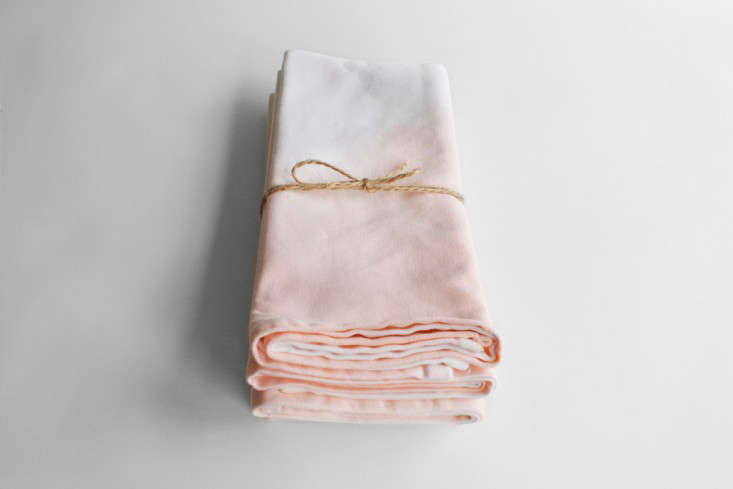
A cotton dip dyed napkin in a shade called Pale Sunset sounds like something that should be served with lemonade, golden-hour light, and at least one person saying, “Wait, did you style this table?” That is the quiet magic of a well-chosen cloth napkin. It does not scream for attention. It simply sits there looking calm, soft, slightly artsy, and far more pulled together than the rest of us before coffee.
The Cotton Dip Dyed Napkin (Pale Sunset) is a set of four hand-dyed napkins made from 100% chambray cotton, each measuring 20 by 20 inches. Its design blends stylish minimalism with a warm ombré wash, creating a table linen that feels handcrafted rather than factory-perfect. Because the napkins are hand-dyed, each piece has its own subtle variation. In other words, no two napkins are identical, which is excellent news for anyone who enjoys décor with personality but does not want their dining table to look like it is trying too hard.
As a reusable cotton napkin, this piece sits at the intersection of everyday function, relaxed elegance, and eco-conscious hosting. It works for dinner parties, brunches, outdoor meals, wedding tables, cozy weeknight pasta, and that mysterious meal category known as “snacks arranged nicely so they count as entertaining.” Let’s explore why this pale sunset napkin deserves a place at the table.
What Is a Cotton Dip Dyed Napkin?
A cotton dip dyed napkin is a cloth napkin that has been partially dipped into dye to create a gradual color effect. The result is often called ombré, meaning the shade moves from light to deeper color instead of appearing as one flat tone. Compared with printed napkins, dip dyed napkins have a softer, more organic look. The color seems to drift across the fabric rather than sit on top of it.
In the case of the Cotton Dip Dyed Napkin (Pale Sunset), the mood is warm, gentle, and airy. “Pale sunset” suggests blush, peach, faded coral, soft pink, or sun-washed orange tones. It is not loud neon orange. It is more like the sky after dinner when everyone is pretending they are not checking their phones. This makes it easy to use with white dishes, natural wood tables, stoneware plates, brass flatware, woven placemats, or simple glassware.
Product Highlights: Simple, Soft, and Hand-Dyed
100% Chambray Cotton
The napkin is made from 100% chambray cotton, which gives it a soft but casual texture. Chambray is often associated with lightweight woven cotton fabrics. It has a relaxed feel, making it ideal for a napkin that should look beautiful without becoming stiff or overly formal.
Cotton is popular in home textiles because it is soft, breathable, absorbent, and comfortable to handle. For napkins, those qualities matter. A dining napkin is not just decoration. It must handle crumbs, condensation, sauce emergencies, and the occasional enthusiastic guest who treats ribs like a competitive sport.
Hand-Dyed Ombré Finish
The hand-dyed finish is the star of this napkin. Dip dyeing gives the fabric movement and visual depth. Instead of a perfectly uniform color, the napkin carries a gradient that feels artistic and human. Small variations in tone should be expected, and honestly, that is the charm. A hand-dyed napkin with no variation would be like a homemade cookie shaped exactly like a spreadsheet: technically possible, emotionally suspicious.
Generous 20-Inch Size
At 20 inches by 20 inches, this napkin is generously sized for dinner use. It can be folded neatly beside a plate, placed under flatware, styled through a napkin ring, draped casually over a salad plate, or knotted for a relaxed tablescape. The square shape also gives you more styling flexibility than smaller cocktail napkins.
Set of Four
The set includes four napkins, making it practical for small households, intimate dinners, breakfast nooks, apartment dining, or layered entertaining. A set of four is also a manageable starting point if you are transitioning from paper napkins to reusable cloth napkins.
Why Pale Sunset Works So Well on the Table
Color is one of the fastest ways to change the feeling of a dining table. A white napkin feels classic. A navy napkin feels crisp. A red napkin announces that the holiday season has entered the room wearing boots. Pale sunset, however, is softer and more flexible.
This color family can warm up minimalist table settings without making them look busy. It also pairs beautifully with natural materials. Think rattan chargers, pale wood, ceramic bowls, ivory candles, terracotta planters, or linen runners. The color brings a little glow to the table, almost like a decorative shortcut to better lighting.
Best Color Pairings
For a clean modern table, pair Pale Sunset napkins with white plates, clear glassware, and matte black flatware. For a coastal look, combine them with pale blue dishes, sandy beige linens, and woven textures. For a romantic dinner, add blush flowers, brass candlesticks, and ivory taper candles. For a bohemian brunch, mix them with patterned plates, fresh fruit, and wildflowers in mismatched vases.
The secret is to let the napkin be the gentle color bridge. It does not need to match everything. In fact, it looks better when it coordinates rather than matches. A table that matches too perfectly can feel like it was assembled by a committee of robots who recently discovered Pinterest.
How to Style Cotton Dip Dyed Napkins
1. Fold Them Simply
The ombré effect looks best when the color transition is visible. A simple rectangle fold allows the gradient to show naturally. Place the napkin on top of the dinner plate or to the left of the fork for a clean everyday table.
2. Use Napkin Rings for Texture
A woven, wood, ceramic, or brass napkin ring can make the Pale Sunset color feel even more intentional. Napkin rings are optional, but they help create a finished look when you are hosting.
3. Knot for a Casual Table
A loose knot works especially well for brunch, garden parties, and relaxed dinners. The knot gives the napkin dimension and lets the hand-dyed edges peek through in a charming, slightly undone way.
4. Layer with Neutral Linens
Use a white, cream, oatmeal, or pale gray tablecloth to let the sunset shade shine. If your table is wood, you may not need a tablecloth at all. The napkin can provide enough softness on its own.
5. Add Seasonal Details
In spring, pair the napkins with tulips, ranunculus, or garden roses. In summer, use citrus, peaches, and clear glass pitchers. In fall, combine them with copper accents and dried grasses. In winter, soften them with ivory candles and greenery. Pale Sunset is surprisingly versatile because it behaves like a warm neutral with a tiny vacation planned.
Cotton Napkins vs. Paper Napkins
Paper napkins are convenient, but cloth napkins bring a different kind of value. They feel better in the hand, improve the look of a table, and can be reused many times. A cotton napkin also makes everyday meals feel more thoughtful. Even a grilled cheese looks slightly more sophisticated when a real napkin is involved. Not Michelin-star sophisticated, perhaps, but definitely “I own matching utensils” sophisticated.
Reusable napkins can also reduce household reliance on disposable paper products when they are used regularly and washed efficiently. The environmental impact of cloth versus paper depends on several factors, including how often the napkins are used, how they are washed, whether they are machine dried, and how long they last. The most sensible approach is simple: use cloth napkins often, wash them with regular laundry loads when practical, avoid excessive heat, and keep them in rotation for years.
How to Care for Cotton Dip Dyed Napkins
Good care keeps cotton napkins looking fresh and feeling soft. Because these napkins are hand-dyed, it is smart to treat them with a little more attention, especially during the first few washes.
Wash Before First Use
Prewashing helps remove any finishing residue and prepares the cotton for real-life dining duty. Use cold or lukewarm water and mild detergent. If the color is hand-dyed, washing with similar colors is a safe first step.
Avoid Fabric Softener
Fabric softener can leave residue on cotton fibers, reducing absorbency over time. Cotton naturally softens with washing, so skip the softener and let the fabric do its thing. The napkin will thank you by actually absorbing spills instead of politely sliding them around.
Treat Stains Promptly
Tomato sauce, red wine, coffee, and salad dressing are the usual dinner-table villains. Blot stains instead of rubbing them, then pretreat with a gentle stain remover before washing. The sooner you handle stains, the less dramatic they become. Stains are like gossip: the longer they sit, the harder they are to remove.
Use Low Heat or Air Dry
High heat may encourage cotton to shrink or fade faster. For best results, tumble dry low or air dry. Remove napkins while slightly damp if you plan to iron them. This makes smoothing easier and helps avoid a wrestling match with wrinkles.
Iron If You Want a Crisp Look
For formal dinners, ironing gives cotton napkins a polished finish. For casual meals, a little wrinkle is perfectly acceptable. With dip dyed napkins, relaxed texture often adds to the handmade look.
Where These Napkins Shine
Everyday Dining
One of the best things about cotton napkins is that they do not need to be saved for special occasions. The Cotton Dip Dyed Napkin (Pale Sunset) can make a Tuesday dinner feel less like a calendar obligation and more like a tiny event. Use them with simple plates and let the color do the decorating.
Brunch and Baby Showers
The soft sunset tone is ideal for brunch tables, baby showers, bridal showers, and spring gatherings. It pairs well with pastries, fruit, flowers, and sparkling drinks. Basically, it understands the assignment.
Outdoor Meals
For outdoor dining, cotton napkins feel more elevated than paper but not too precious. Pair them with wood boards, enamelware, stoneware, or casual ceramics. The warm ombré color looks especially pretty in natural light.
Small Dinner Parties
A set of four is perfect for intimate dinners. Add candles, a low centerpiece, and simple place settings. You do not need a dramatic floral installation. Nobody should need a machete to see the mashed potatoes.
Why Handcrafted Variation Is a Feature, Not a Flaw
Mass-produced table linens can look beautiful, but handcrafted pieces offer something different: individuality. With dip dyed napkins, the slight differences in color depth and gradient make each napkin feel personal. These variations show the hand of the maker and create a relaxed, artisanal atmosphere.
This matters because modern table design has moved away from stiff perfection. Many of today’s most appealing tablescapes mix textures, colors, and materials. A handmade napkin fits beautifully into that approach. It adds softness without making the table feel overly decorated.
Buying Tips for Cotton Dip Dyed Napkins
When choosing cotton dip dyed napkins, look for fabric quality, size, colorfastness, care instructions, and stitching. A dinner napkin should be large enough for comfortable use, and 20 inches square is a strong size for most place settings. Check whether the napkins are machine washable, especially if you plan to use them often.
Also consider your existing dishes and table linens. Pale Sunset works especially well if your home style includes warm neutrals, coastal tones, cottage décor, bohemian accents, or modern minimalist pieces. If your tableware is mostly white, this napkin adds warmth instantly. If your plates are colorful, the pale gradient can soften the overall look.
Gift Ideas: Who Would Love These Napkins?
The Cotton Dip Dyed Napkin (Pale Sunset) makes a thoughtful gift for hosts, newlyweds, apartment dwellers, design lovers, brunch enthusiasts, and anyone who has ever said, “I’m just doing a simple dinner,” then somehow produced a cheese board with architecture. Because the set is pretty but practical, it feels personal without being overly risky.
Pair the napkins with a small ceramic bowl, a bottle of olive oil, taper candles, or a handwritten recipe card. For a housewarming gift, add a neutral table runner or wooden serving spoon. The result feels curated, useful, and far better than another mug that says “But First, Coffee.”
Experience Notes: Living With Cotton Dip Dyed Napkins in Real Life
Using cotton dip dyed napkins changes the way a table feels. The first thing you notice is not just the color but the softness of the moment. A paper napkin says, “We are eating.” A cotton napkin says, “We are dining, even if dinner came from a skillet and someone forgot to buy parsley.” That small upgrade can shift the mood of a meal.
In everyday use, Pale Sunset is a forgiving and cheerful shade. It adds warmth without making the table look overly pink or too themed. On a white plate, it looks fresh and intentional. Against wood, it feels relaxed and earthy. With brass or gold flatware, it becomes quietly elegant. With black flatware, it turns modern. With blue dishes, it creates a sunset-and-sky effect that feels coastal without requiring seashells, anchors, or a sign that says “Beach Vibes.”
The hand-dyed finish is especially enjoyable because it makes the napkins feel collected rather than manufactured. When four napkins vary slightly, the table looks more natural. This is helpful for real homes, where chairs may not match perfectly, glassware may have survived several apartments, and the centerpiece might be whatever flowers looked least tired at the grocery store. The napkins bring everything together without demanding perfection.
Care is also easier than many people expect. Cotton napkins can be tossed into the wash, and if they are used regularly, they quickly become part of the household rhythm. The trick is not to treat them like museum textiles. Use them. Wash them. Fold them. Put them back in the drawer. If one gets a tiny stain, it is not the end of civilization. It is proof that dinner happened.
For hosting, these napkins do a lot of visual work with very little effort. A table with plain plates, simple glasses, and Pale Sunset napkins instantly looks styled. Add one low vase of flowers or a bowl of citrus and the table feels complete. Guests may assume you spent an hour planning the color palette. You do not have to correct them. Some mysteries are healthy for friendship.
They also perform well across different occasions. For breakfast, they make toast and fruit feel charming. For lunch, they brighten a salad table. For dinner, they soften the setting and look beautiful in candlelight. For outdoor meals, they feel breezy and unfussy. Their greatest strength is versatility: they can be casual, romantic, modern, rustic, or festive depending on what you place around them.
The only real warning is that cloth napkins can become addictive. Once you start using them, paper napkins may begin to look a little lonely and underdressed. You may find yourself caring about napkin folds, table runners, and whether peaches count as décor. They do, by the way. Especially with Pale Sunset.
Final Thoughts
The Cotton Dip Dyed Napkin (Pale Sunset) is more than a square of fabric. It is a small design detail with surprising power. Made from 100% chambray cotton, hand-dyed with a soft ombré finish, and sized generously for dinner settings, it brings warmth, texture, and personality to the table.
Its appeal comes from balance. It is stylish but not fussy, colorful but not loud, handmade but still practical. Whether used for everyday meals, brunch gatherings, intimate dinners, or thoughtful gifts, it offers an easy way to make dining feel more beautiful. And in a world where many meals are eaten too quickly, sometimes a soft cotton napkin is the gentle reminder we need to slow down, sit properly, and maybe not use our sleeve. Growth comes in many forms.











