
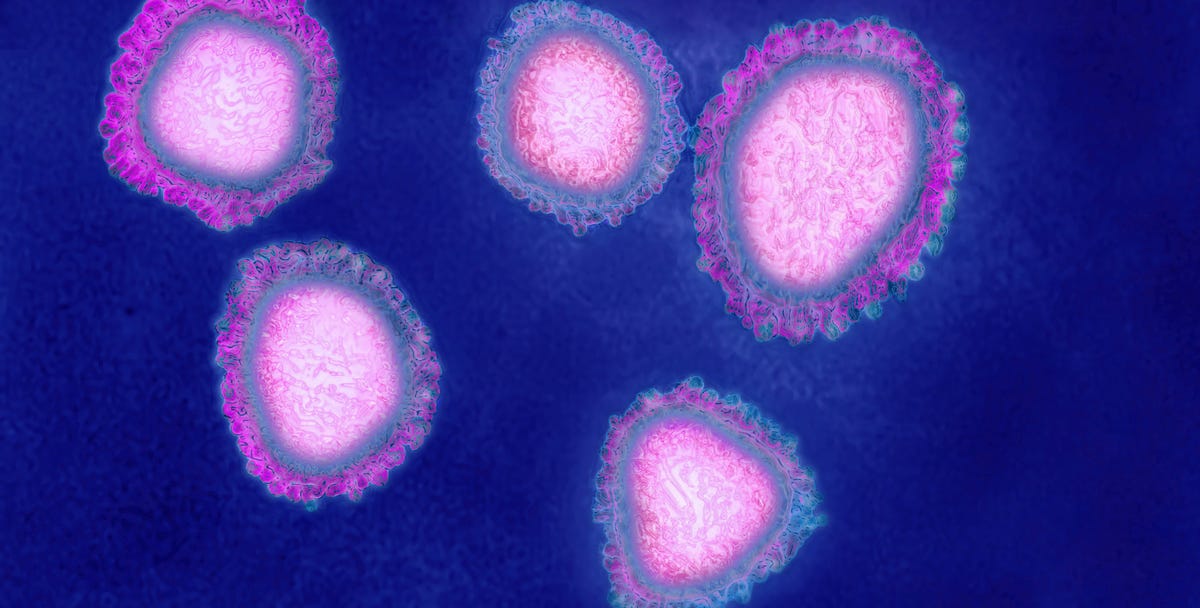
If the word coronavirus still makes you feel like the room suddenly got very quiet, you are not alone. The term has been part of daily life for years, yet many people still have basic questions: What exactly is a coronavirus? Is it the same thing as COVID-19? Why does one virus seem to act like a mild nuisance for one person and a wrecking ball for another? And why does every sniffle suddenly turn people into amateur detectives?
This guide answers those questions in plain American English, with no jargon parade and no doom-scroll energy. You will learn what the coronavirus is, how the virus that causes COVID-19 spreads, what symptoms to watch for, who faces a higher risk of severe illness, how testing and treatment work, and why Long COVID still matters. Think of this as the FAQ version of a very patient friend who also believes in hand soap, fresh air, and reading the label before panicking.
FAQ 1: What is a coronavirus?
A coronavirus is part of a large family of viruses. Some coronaviruses cause mild illness, including cold-like upper respiratory infections. Others can cause more serious disease. The word itself does not refer to just one virus. It is a category, not a single villain with one dramatic entrance and a theme song.
The coronavirus most people mean today is SARS-CoV-2, the virus that causes COVID-19. So when someone says, “I have coronavirus,” they usually mean they have COVID-19, the illness caused by that specific coronavirus.
Quick distinction
Coronavirus = a family of viruses.
SARS-CoV-2 = the specific coronavirus that causes COVID-19.
COVID-19 = the illness caused by SARS-CoV-2.
FAQ 2: What is COVID-19, exactly?
COVID-19 is a respiratory illness caused by the SARS-CoV-2 virus. It was first identified in late 2019, and it quickly became a global public health emergency because it spread efficiently from person to person. While it often behaves like a respiratory infection, COVID-19 is not limited to the lungs. It can affect multiple body systems, which helps explain why symptoms can vary so widely.
Some people experience a mild sore throat, congestion, and fatigue that feel like a bad cold. Others develop shortness of breath, chest discomfort, high fever, or complications that require hospital care. That range is one reason the virus has stayed so confusing. It does not always read from the same script.
FAQ 3: How does the coronavirus spread?
The virus that causes COVID-19 spreads mainly through respiratory droplets and very small particles released when an infected person breathes, talks, laughs, sings, coughs, or sneezes. In plain language, the air around a contagious person can carry virus-containing particles, especially in close-contact settings and poorly ventilated indoor spaces.
That means transmission is more likely when people are close together indoors for long periods, particularly in crowded areas with limited airflow. Surface spread appears to be much less important than airborne spread, though basic hygiene still matters because touching shared surfaces and then touching your face is never a winning strategy.
Another tricky part: a person can spread the virus before symptoms start, and some people spread it even when they never feel obviously sick. That is why COVID-19 had such a talent for crashing family dinners, office meetings, and vacation plans like an uninvited guest who also steals your sense of smell.
FAQ 4: What are the most common COVID-19 symptoms?
Symptoms can range from mild to severe, and they can overlap with colds, flu, and other respiratory infections. Common symptoms include:
- Fever or chills
- Cough
- Shortness of breath or difficulty breathing
- Sore throat
- Congestion or runny nose
- Fatigue
- Muscle or body aches
- Headache
- Nausea, vomiting, or diarrhea
- Loss of taste or smell in some cases
Not everyone gets the same combination. One person may feel wiped out with fever and body aches. Another may only notice a scratchy throat and assume the air conditioner is to blame. Symptoms can also shift during the illness. A person may begin with congestion and later develop cough or fatigue, which is why early testing and monitoring can be helpful.
FAQ 5: Is COVID-19 still serious?
Yes. For many people, COVID-19 is mild. But “mild” in medical language can still feel awful in real life. More importantly, some people develop severe illness, require hospitalization, or experience long-term complications.
Risk is generally higher for older adults, especially those over 65, people with weakened immune systems, pregnant people, residents of long-term care facilities, and people with certain underlying medical conditions. The more risk factors a person has, the more cautious they should be about prevention and early treatment.
Here is a practical example: a healthy younger adult with up-to-date vaccination may recover at home with rest, fluids, and symptom relief. A 72-year-old with diabetes, heart disease, or chronic lung disease may need testing right away and may qualify for treatment that lowers the risk of severe illness. Same virus, very different stakes.
FAQ 6: How do you know if it is COVID-19 and not just a cold?
You cannot reliably tell by symptoms alone. COVID-19, flu, RSV, and the common cold can overlap so much that guessing based on vibes is not a medical strategy. Testing is the best way to confirm an active infection.
Common testing options
At-home antigen tests: These are fast, widely available, and useful when you have symptoms or a recent exposure. They detect viral proteins. They are convenient, but they are generally less sensitive than molecular tests.
Molecular tests, including PCR and other NAAT tests: These detect the virus’s genetic material and are more sensitive. They are often used when confirmation matters, symptoms are strong but home tests are negative, or a healthcare provider needs a clearer answer.
If you test positive, the result gives you useful next steps: protect others, monitor symptoms, and find out whether you qualify for treatment. Timing matters, especially for people at higher risk.
FAQ 7: What should you do if you test positive?
Start with the basics: stay home, reduce contact with others, and take steps to avoid spreading the virus. Rest, hydrate, and manage symptoms sensibly. It is also smart to monitor how you feel over the next several days, because symptoms can change.
If you are older, immunocompromised, pregnant, or have a medical condition linked to higher risk, contact a healthcare provider promptly. Early treatment can make a meaningful difference, but many antiviral options work best when started within a short window after symptoms begin.
Also pay attention to your home setup. If possible, use a separate room, improve airflow, avoid sharing cups or towels, and wash hands often. It is not glamorous, but neither is getting your entire household sick because one person decided the “I feel fine-ish” phase was a personality trait.
FAQ 8: Do vaccines still matter?
Absolutely. COVID-19 vaccines are not magic force fields, but they remain one of the best tools for reducing the risk of severe illness, hospitalization, and death. Current guidance continues to emphasize staying up to date with the recommended vaccine for the current season or guidance cycle.
Vaccination matters even if you have had COVID-19 before. Prior infection can provide some protection, but getting vaccinated is considered a safer and more reliable way to build protection than rolling the dice on another infection. For older adults, people with weakened immune systems, and others at higher risk, keeping vaccination current is especially important.
Vaccination may also reduce the risk of Long COVID, which gives it another job on top of helping prevent severe acute illness. Overachiever behavior from a vaccine is welcome.
FAQ 9: What treatments are available for COVID-19?
Treatment depends on how sick you are, how long you have been symptomatic, your age, your risk factors, and your medical history.
For mild illness
Many people recover at home with rest, fluids, and over-the-counter medicines for fever, aches, or congestion. Supportive care is often enough for otherwise healthy people with mild disease.
For people at higher risk
Antiviral treatment may lower the risk of hospitalization and severe illness when started early. Options may include oral antivirals such as Paxlovid for eligible patients, intravenous remdesivir in certain cases, and other treatments depending on current guidance and the patient’s needs. These are time-sensitive, so “I’ll call on Monday” is not the ideal move if symptoms start on Friday and you are high risk.
Because treatments can interact with other medications or may not be appropriate for everyone, they should be discussed with a healthcare professional. This is especially true for people taking multiple prescriptions, people with kidney or liver issues, or people who are pregnant or immunocompromised.
FAQ 10: What is Long COVID?
Long COVID, also called Post-COVID Conditions, refers to a wide range of symptoms or health problems that continue, return, or develop after the initial infection. Current CDC materials define it as a chronic condition that occurs after SARS-CoV-2 infection and is present for at least three months.
Long COVID can include fatigue, shortness of breath, brain fog, sleep issues, dizziness, changes in smell or taste, fast heart rate, muscle or joint pain, and other symptoms. Some people improve over time. Others experience symptoms for months or longer. In some cases, Long COVID can interfere with work, school, exercise, and everyday life.
One reason Long COVID feels so frustrating is that it does not always look dramatic from the outside. Someone may no longer have a fever or cough, but still struggle to think clearly, climb stairs, or get through a normal workday. That mismatch between “you look fine” and “I do not feel fine” can be emotionally exhausting.
FAQ 11: How can you protect yourself and others?
Protection works best when you think in layers rather than silver bullets. Useful prevention steps include:
- Stay up to date with recommended COVID-19 vaccination
- Wash hands regularly and practice good hygiene
- Improve indoor airflow and cleaner air when possible
- Consider a well-fitted mask in higher-risk situations
- Test if you have symptoms or a known exposure
- Stay home when sick and take extra precautions around others
This layered approach matters because no single step is perfect. Vaccines reduce severe outcomes. Testing helps identify infection. Cleaner air lowers exposure risk. Staying home when ill protects others. Put together, these actions create a much sturdier safety net than relying on wishful thinking and herbal tea alone.
FAQ 12: When should you seek urgent or emergency care?
Seek emergency help if someone with suspected or confirmed COVID-19 has warning signs such as trouble breathing, persistent chest pain or pressure, new confusion, inability to wake or stay awake, or pale, gray, or blue-colored lips, nail beds, or skin depending on skin tone.
Those are not “wait and see after one more episode” symptoms. They are “get help now” symptoms. Even outside an emergency, call a healthcare provider promptly if symptoms are getting worse, you are at higher risk, or you think you may qualify for treatment.
What people often ask in one sentence
Is coronavirus the same as COVID-19? Not exactly. Coronavirus is the virus family; COVID-19 is the illness caused by SARS-CoV-2.
Can COVID feel like a cold? Yes, sometimes. That is why testing matters.
Can people spread it without symptoms? Yes.
Do vaccines still help? Yes, especially against severe illness and hospitalization.
Can symptoms last after the infection ends? Yes, which is why Long COVID remains an important issue.
Real-Life Experiences Related to Coronavirus
Understanding coronavirus becomes easier when you picture how it shows up in everyday life. For many people, the experience begins in an ordinary way. A teacher wakes up with a sore throat and assumes it is seasonal allergies. A parent blames a headache on bad sleep. A college student shrugs off fatigue because, frankly, college students have made fatigue a campus mascot. Then the cough starts, or the fever shows up, or a home test turns positive, and suddenly the question is no longer academic.
One of the most common experiences people describe is confusion at the beginning. COVID-19 does not always announce itself loudly. Sometimes it feels like a cold. Sometimes it feels like the flu. Sometimes it starts with stomach issues or intense exhaustion. That uncertainty can make the first 24 hours stressful, especially for people caring for children, older parents, or someone with a chronic condition.
Another shared experience is the logistical scramble. People begin rearranging work, school, childcare, groceries, medications, and sleeping arrangements. A positive result often turns into a household planning problem within minutes. Who needs to isolate? Who was exposed? Does Grandma have enough medication? Is this a “drink tea and rest” situation, or a “call the doctor today” situation? Coronavirus is not just a virus story; it is also a schedule story.
For higher-risk adults, the experience can include a race against time to access treatment. An older adult with heart disease may need a rapid test, a medication review, and a same-day call with a clinician to discuss antivirals. That process can feel overwhelming, but it also shows why accurate information matters. Knowing that some treatments work best early can change the outcome.
Then there is the emotional side. People often feel guilty about exposing others, anxious about vulnerable relatives, and frustrated by the isolation that follows. Even a mild case can feel mentally draining. Some people recover in a week and move on. Others notice lingering fatigue, brain fog, or shortness of breath and start asking a new set of questions: Why am I still so tired? Why does climbing stairs feel like a side quest? Why am I forgetting simple words in the middle of a sentence?
Those lingering experiences are part of why Long COVID has become such a major topic. For some, the hardest part of coronavirus is not the first few sick days. It is the slow, uneven recovery afterward. That is why the best coronavirus FAQ is not just about what the virus is. It is also about what people go through, what support they need, and why smart prevention, testing, and early care still matter in real life.
Conclusion
So, what is the coronavirus? In the simplest terms, it is a family of viruses, and the one most people mean today is SARS-CoV-2, the virus that causes COVID-19. The illness can look like a mild cold, a rough respiratory infection, or a serious disease with lasting effects. That wide range is exactly why clear information matters.
If you remember only a few takeaways, make them these: COVID-19 spreads mainly through the air, symptoms can overlap with other illnesses, testing helps you make smarter decisions, vaccines still matter, early treatment can be important for higher-risk people, and Long COVID is real. In other words, the coronavirus may no longer be new, but it still deserves respect, not eye rolls and a half-finished internet rumor.












