
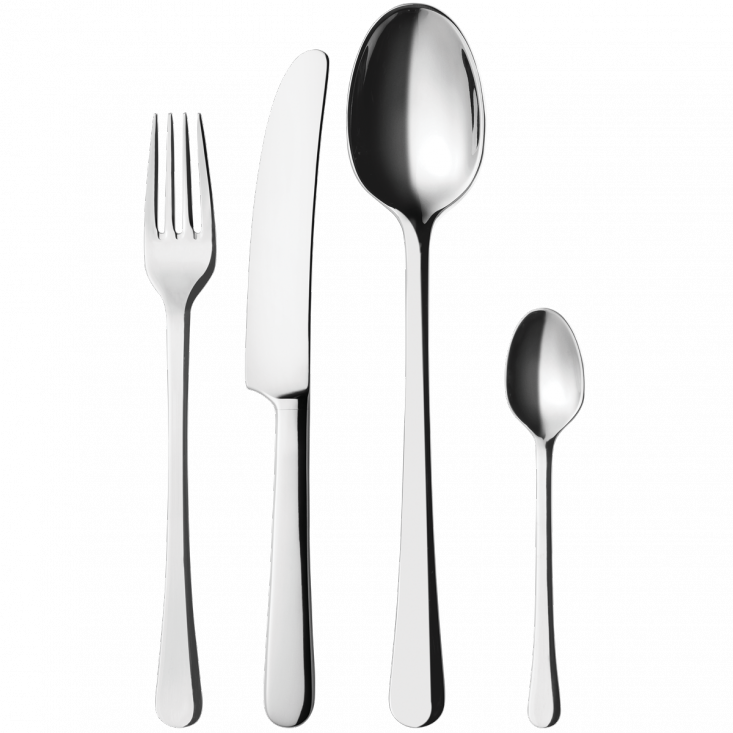
Some tableware shouts. Some tableware whispers. Copenhagen Stainless Cutlery, Steel Mirror does something more impressive: it quietly raises an eyebrow, straightens the napkin, and makes even Tuesday pasta feel like it has a reservation. Designed with Scandinavian restraint and made for real dining, this cutlery style belongs to the school of “simple, but not plain.” It is clean, balanced, polished, and confident without trying to become the main character at dinner.
The Copenhagen cutlery line is most closely associated with Georg Jensen and Danish architect-designer Grethe Meyer. Introduced in 1991, the collection is known for long, slim proportions, a flaring handle, stainless steel construction, and a form language that reflects Meyer’s architectural eye. The “Steel Mirror” version refers to a mirror-polished stainless steel finish, giving the pieces a brighter, more reflective look than the matte version commonly seen today.
For shoppers, collectors, hosts, and design lovers, Copenhagen stainless cutlery is not just about forks, spoons, and dinner knives. It is about how everyday objects can make a table feel considered. You do not need a twelve-course tasting menu. You need a bowl of soup, decent lighting, and cutlery that does not look like it was invited by accident.
What Is Copenhagen Stainless Cutlery, Steel Mirror?
Copenhagen Stainless Cutlery, Steel Mirror is a minimalist flatware pattern with Danish design roots. It belongs to the Copenhagen collection designed by Grethe Meyer for Georg Jensen. The design is often described as elegant, slender, functional, and understated. In practical terms, that means each piece avoids heavy ornamentation. There are no floral borders, no dramatic scrollwork, and no “grandma’s formal cabinet” energy. Instead, the appeal comes from proportion, polish, and the feeling of balance in the hand.
The product has appeared in design archives and curated home sources as “Copenhagen Stainless Cutlery, Steel Mirror,” with details noting a 1991 design year, stainless steel material, 18/8 steel type, and Grethe Meyer as designer. Some older listings indicate that the mirror version has been discontinued or is harder to find through regular retail channels, while current Georg Jensen Copenhagen offerings often focus on matte stainless steel and matte gold finishes.
That makes the Steel Mirror version especially interesting. It sits between everyday usability and collectible design. It is stainless steel, so it does not demand the ceremonial maintenance of sterling silver, but the polished finish gives it a more formal sparkle. In short: it is the flatware equivalent of wearing a crisp white shirt with jeans. Relaxed, but clearly not random.
The Design Story: Grethe Meyer’s Quiet Genius
Grethe Meyer was trained as an architect, and that background matters. Copenhagen cutlery does not rely on decoration to feel special. It relies on structure. The handles are slim and elongated, the shapes are controlled, and the overall silhouette is disciplined. The result is cutlery that feels modern without feeling cold.
Meyer’s design philosophy favored usefulness, clarity, and human experience. With cutlery, that is especially important because flatware is not just something you look at. You hold it. You lift it. You use it repeatedly through a meal. A fork or spoon is a small bridge between food and person, which sounds poetic until you try eating soup with a badly shaped spoon and suddenly become a philosopher.
The Copenhagen pattern succeeds because it does not steal focus from the food. It supports the meal, the plate, and the table setting. That is classic Scandinavian design at work: form serving function, beauty hiding in restraint, and elegance that does not need to shout across the dining room.
Why the Mirror Finish Matters
The phrase Steel Mirror points to the polished stainless steel surface. A mirror-polished finish reflects light more directly than matte or satin finishes. On the table, that creates brightness and contrast. It catches candlelight, works beautifully with white porcelain, and can make a simple place setting look sharper.
Mirror finish also has a more traditional sense of formality. While matte flatware feels relaxed and contemporary, mirror-polished stainless steel leans slightly dressier. It works well for dinner parties, holidays, wedding registries, and anyone who wants one cutlery set that can handle both oatmeal and anniversary steak without experiencing an identity crisis.
There is a tradeoff, of course. Mirror-polished flatware tends to show fingerprints, water spots, and tiny scratches more visibly than matte flatware. That does not make it fragile; it simply means the shine rewards good care. If you dry it after washing and avoid abrasive scrubbers, the finish stays attractive for years.
Material Quality: Understanding 18/8 Stainless Steel
Copenhagen stainless cutlery is commonly associated with 18/8 stainless steel. In flatware language, the first number refers to chromium content, and the second refers to nickel content. Chromium helps stainless steel resist rust and staining, while nickel supports shine and corrosion resistance.
So, 18/8 stainless steel generally means about 18 percent chromium and 8 percent nickel. This grade is widely used for quality kitchenware and tableware because it balances durability, appearance, and everyday practicality. It is not the cheapest category of stainless steel, and it is not unnecessarily fussy either. That makes it a smart material for cutlery that is meant to be used, not just admired from across the room like a museum guard is watching.
Some buying guides rank 18/10 stainless steel as slightly more premium because it contains a bit more nickel, often giving it extra luster and corrosion resistance. However, 18/8 remains a respected choice for well-made flatware. For Copenhagen cutlery, the strength of the product is not only the alloy. It is the combination of material, proportions, finish, and design heritage.
How Copenhagen Cutlery Looks on the Table
One reason Copenhagen Stainless Cutlery, Steel Mirror remains appealing is its versatility. The design is simple enough for everyday dining but refined enough for special settings. It pairs naturally with many table styles, including:
- White dinnerware: The mirror finish adds clean contrast and makes the table feel crisp.
- Stoneware plates: The polished steel brings brightness to rustic or handmade textures.
- Linen napkins: The slim handles look elegant beside soft, casual fabric.
- Glassware and candles: Reflective surfaces multiply the glow without making the table look overdecorated.
- Modern black or charcoal plates: The silver tone creates a sharp, gallery-like table setting.
The best part is that the design does not trap you in one mood. Some flatware says “formal dining room only.” Some says “college apartment drawer.” Copenhagen lands in the rare middle: sophisticated, practical, and grown-up without needing a butler named Harold.
Who Should Choose Copenhagen Stainless Cutlery?
Design Minimalists
If you like clean lines, Scandinavian interiors, pale wood, natural light, and objects that earn their place, Copenhagen cutlery is an easy fit. It does not clutter the table visually, which makes it especially useful in minimalist homes.
People Who Prefer One Excellent Set
Many households no longer keep separate “everyday” and “company” flatware. A well-designed stainless steel set can do both jobs. Copenhagen Stainless Cutlery, Steel Mirror is polished enough for guests but sturdy enough for regular use, assuming it is cared for properly.
Collectors of Georg Jensen and Danish Design
Because the mirror-polished version may be harder to find than current matte versions, it can appeal to collectors who enjoy discontinued patterns, design archives, and older Georg Jensen pieces. Matching item numbers, finish descriptions, and condition details become important when buying individual replacement pieces or boxed sets.
Buying Tips: What to Check Before You Purchase
If you are shopping for Copenhagen Stainless Cutlery, Steel Mirror, pay attention to the exact finish. Some listings use “Copenhagen” but refer to matte stainless steel. Others may refer to mirror-polished stainless steel. The difference is visual and practical, so read product descriptions carefully.
Also check the piece count. A 24-piece set commonly includes six dinner spoons, six dinner forks, six dinner knives, and six teaspoons. Smaller place settings or individual pieces may also appear through specialty sellers. If you are building a set slowly, confirm measurements and item numbers where possible so your pieces match.
Condition matters too. New old stock, unopened gift boxes, lightly used pieces, and replacement forks are not the same thing. Mirror-polished stainless steel can show scratches more easily in photos, so examine images closely. Light surface marks may be normal with use, but deep scratches, bent tines, or heavy corrosion are worth avoiding.
Care Guide: How to Keep the Mirror Shine
Stainless steel is durable, but it is not magic. Even high-quality flatware appreciates basic manners. Fortunately, caring for Copenhagen mirror-polished cutlery is simple.
Rinse After Use
Acidic and salty foods can stain or mark stainless steel if left sitting for too long. Tomato sauce, mustard, vinegar, lemon, and salty leftovers are the usual suspects. They are delicious, but they are not invited to sleep on your spoons.
Use Mild Detergent
Choose a gentle dish soap or dishwasher detergent. Avoid harsh chlorine-based cleaners, bleach, and abrasive powders. Mirror finishes prefer kindness, not a full industrial sanding experience.
Dry Immediately
Drying is the secret handshake of good flatware care. Water spots are more visible on polished steel, so use a soft towel after washing. If using a dishwasher, remove the pieces soon after the cycle ends and dry any remaining moisture.
Avoid Steel Wool
Steel wool and rough scrubbers can scratch the surface. Use a soft sponge or cloth instead. For stubborn marks, a non-abrasive stainless steel cleaner can help restore shine.
Copenhagen Steel Mirror vs. Matte Copenhagen Cutlery
The mirror and matte versions share the same design DNA, but they create different moods. Mirror-polished Copenhagen cutlery looks brighter, more formal, and more reflective. Matte Copenhagen cutlery looks softer, quieter, and slightly more contemporary. Neither is automatically better. The right choice depends on how you set your table and how much maintenance you are willing to do.
Choose Steel Mirror if you enjoy sparkle, classic elegance, and a polished table setting. Choose matte stainless steel if you prefer a subtler look and want fingerprints and water spots to be less noticeable. If you are indecisive, welcome to the club. We meet on Thursdays and compare spoons.
Styling Ideas for Everyday Meals and Special Occasions
For everyday meals, pair Copenhagen Stainless Cutlery, Steel Mirror with plain white plates, clear glasses, and cotton napkins. This creates a clean table that feels calm but not sterile. For weekend brunch, add a small vase of herbs or seasonal flowers. The mirror finish will pick up tiny reflections and make the table look more layered.
For formal dinners, use linen napkins, low candles, and simple ceramic plates. Avoid overly busy tablecloths because the cutlery’s strength is its clean silhouette. Let the polished steel breathe. A dark table runner can make the silver tone stand out, while warm wood softens the modern lines.
For holiday meals, Copenhagen cutlery works especially well because it does not compete with festive dishes. Turkey, roast vegetables, cranberry sauce, pies, and the mysterious casserole someone insists is “traditional” all get their moment. The cutlery simply frames the meal with shine and order.
Is Copenhagen Stainless Cutlery Worth It?
For someone who only wants the cheapest possible flatware, Copenhagen Stainless Cutlery, Steel Mirror is probably not the first choice. Its value is not just utility; it is design, finish, heritage, and long-term table presence. You are paying for an object that feels considered every time you use it.
That said, it is still practical. Stainless steel cutlery can be used daily, cleaned easily, and styled in many ways. Unlike trendy flatware that may look dated in three years, Copenhagen’s clean proportions have aged well since 1991. Good minimalist design has a way of avoiding fashion whiplash.
The best reason to choose it is simple: you notice it without being distracted by it. It improves the table quietly. It makes dinner feel intentional. And it proves that even a teaspoon can have architectural confidence.
Personal Experience: Living With Copenhagen Stainless Cutlery, Steel Mirror
Using Copenhagen Stainless Cutlery, Steel Mirror in daily life feels different from using heavier, more decorative flatware. The first thing you notice is the visual calm. The pieces do not crowd the plate, and they do not make the table feel busy. Even when the meal is simple, the place setting looks finished. A sandwich on a plate suddenly appears to have attended design school.
The mirror finish is especially satisfying in the evening. Under warm lighting, it reflects just enough glow to make the table feel alive. With candles, the effect is even better. The cutlery does not sparkle in a flashy way; it gives off a controlled shine. That balance is what makes it feel premium. It is polished, but not loud.
In the hand, the slim shape encourages a lighter, more relaxed dining experience. Some flatware feels bulky, as if it was designed for a medieval banquet where everyone is suspicious of the soup. Copenhagen feels more refined. The handles are long and clean, and the proportions make the pieces easy to place neatly beside a plate. If you care about table symmetry, this cutlery quietly supports your very specific personality, and I say that with admiration.
The main lesson from using mirror-polished stainless steel is that drying matters. If you let the pieces air-dry after a dishwasher cycle, small water marks may appear. They are usually easy to remove with a soft cloth, but they can interrupt the flawless look. Hand drying takes an extra minute, yet it makes a big difference. Think of it as the tiny maintenance ritual that keeps the shine looking intentional instead of “I forgot to unload the dishwasher yesterday.”
Another experience worth noting is how well the design adapts to different food styles. It looks appropriate with a casual breakfast, a quick rice bowl, a pasta dinner, or a more formal meal. Some flatware feels too fancy for everyday use, so it sits in a drawer waiting for a holiday that never comes. Copenhagen Steel Mirror does not have that problem. It can dress up or down depending on the plate, napkin, and glassware around it.
If guests notice it, they usually notice the shape first. The pieces look slim, modern, and balanced. People may not immediately know the designer or the collection name, but they sense that the cutlery was chosen deliberately. That is the best kind of design compliment: not “Wow, that spoon is screaming,” but “Your table looks really nice.” The spoon can then remain humble, as spoons should.
Over time, the strongest impression is longevity. Copenhagen Stainless Cutlery, Steel Mirror does not feel like a seasonal trend. It feels like the kind of tableware you could keep, add to, and use for many years. Small surface marks may come with normal life, but they become part of the object’s story. A perfect boxed set is beautiful; a well-used set that has hosted birthdays, weeknight dinners, takeout nights, and quiet breakfasts may be even better.
Conclusion
Copenhagen Stainless Cutlery, Steel Mirror is a polished example of Scandinavian design doing what it does best: making function beautiful without unnecessary drama. Designed by Grethe Meyer for Georg Jensen, the Copenhagen pattern combines slim proportions, stainless steel durability, and a refined mirror finish that suits both everyday meals and special occasions.
Its appeal is not based on decoration but on restraint. The 18/8 stainless steel construction gives it practical strength, while the mirror polish adds elegance. It works with modern, classic, rustic, and minimalist table settings. It can be collected, used daily, or saved for dinners where you want the table to look effortlessly composed.
In a world full of loud design, Copenhagen Steel Mirror proves that quiet objects can still make a strong impression. It may not cook dinner for you, but it will make dinner look like you had a plan. Sometimes, that is enough.











