
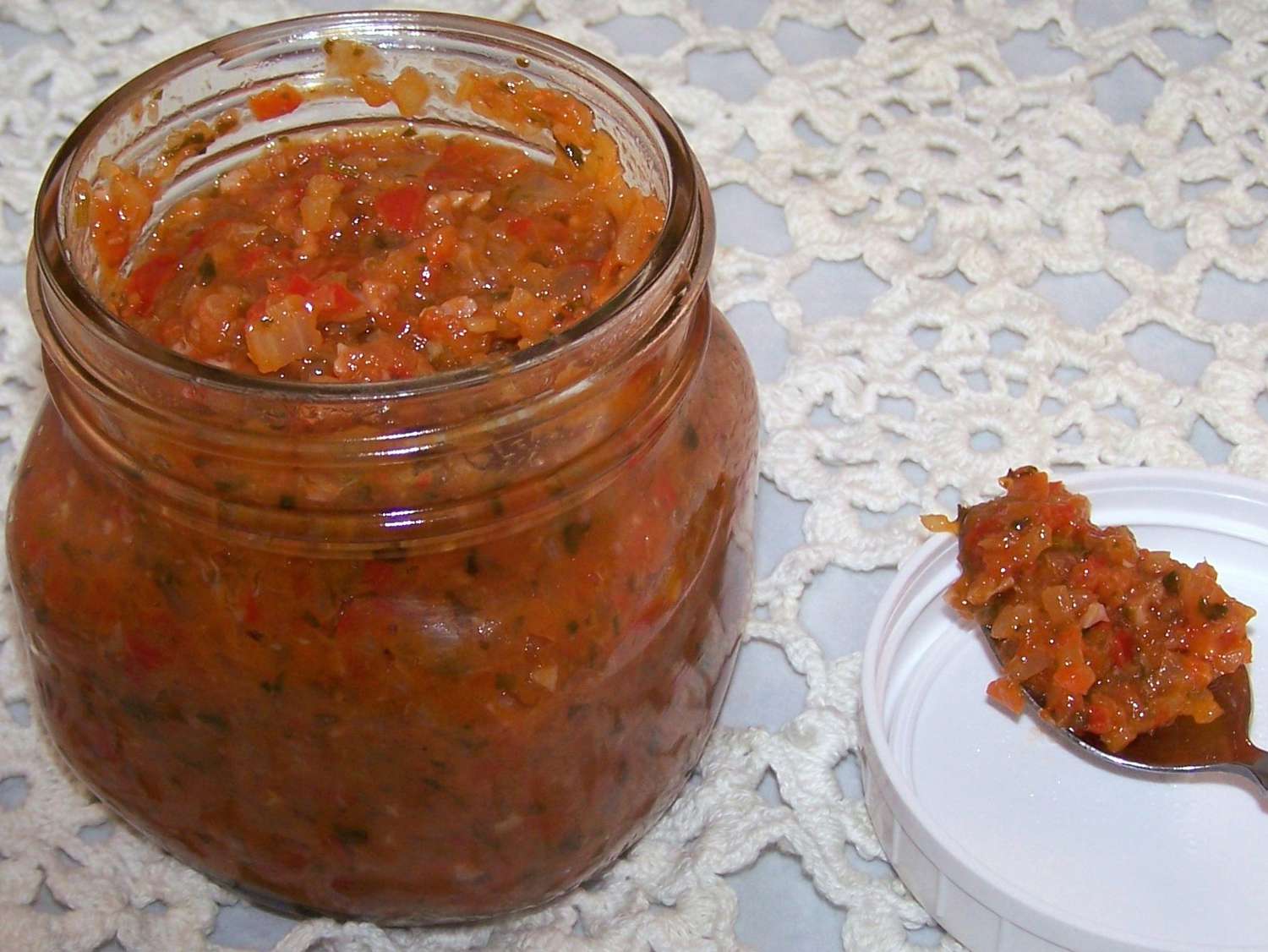
If Cuban cooking had a “start here” button, it would probably smell like sofrito. Before the beans get cozy, before the rice becomes magical, before chicken, beef, seafood, or stew decides to become dinner instead of just ingredients in a pot, Cuban sofrito steps in like the flavor coach with a whistle. This classic Cuban sofrito recipe is simple, aromatic, and wildly useful: onions, bell peppers, garlic, olive oil, herbs, spices, and a little patience.
The beautiful thing about sofrito is that it does not look dramatic at first. No fireworks. No flaming pan. No chef hat required. But give those chopped vegetables time to soften in olive oil, let the garlic bloom, sprinkle in oregano and cumin, and suddenly your kitchen smells like someone’s abuela has taken over the stove and is not asking for permission.
This guide covers how to make classic Cuban sofrito, how to use it, how to store it, and how to adjust it for dishes like black beans, arroz con pollo, picadillo, soups, stews, and sauces. It is practical, flexible, and deeply flavorfulthe kind of recipe you make once and then wonder why you ever started dinner without it.
What Is Cuban Sofrito?
Cuban sofrito is a cooked aromatic base used to build flavor in many traditional Cuban dishes. At its simplest, it is made with finely chopped onion, green bell pepper, and garlic sautéed in olive oil. Many cooks add tomatoes, tomato sauce, dry white wine, oregano, cumin, bay leaf, cilantro, or small amounts of cured pork depending on the dish.
Think of sofrito as the foundation of a house. You may not always see it once the meal is finished, but without it, everything feels a little less sturdy. In Cuban cooking, sofrito gives body, aroma, sweetness, earthiness, and that “something smells amazing” quality that pulls people into the kitchen before the table is even set.
Cuban Sofrito vs. Other Sofrito Styles
Sofrito exists across Spanish, Caribbean, and Latin American cuisines, but each version has its own personality. Puerto Rican sofrito often uses culantro, cilantro, ají dulce peppers, and may be blended raw into a green seasoning paste. Dominican sazón or sofrito may include vinegar, annatto, cilantro, and different sweet peppers. Spanish sofrito commonly leans into tomato, onion, garlic, and olive oil cooked down into a rich base.
Cuban sofrito is usually more restrained and savory. The classic Cuban version often begins with onion, green bell pepper, and garlic, then builds with oregano, cumin, bay leaf, tomato, or wine. It is usually sautéed, not simply blended raw. That cooking step matters because it turns sharp onions mellow, peppers sweet, and garlic fragrant instead of aggressive. Nobody wants garlic that enters the room wearing tap shoes.
Classic Cuban Sofrito Ingredients
Essential Ingredients
- Olive oil: Helps soften the vegetables and carry the flavor through the dish.
- Yellow or white onion: Adds sweetness and depth.
- Green bell pepper: A classic Cuban sofrito ingredient with grassy, savory flavor.
- Red bell pepper: Optional but useful for sweetness and color.
- Garlic: Absolutely necessary. Be generous, but do not burn it.
- Dried oregano: Adds herbal warmth.
- Ground cumin: Brings earthy Cuban-style depth.
- Bay leaf: Optional for longer-cooking dishes like beans, soups, and stews.
- Tomato sauce or chopped tomato: Optional, but common when making saucier dishes.
- Salt and black pepper: For balance.
Optional Flavor Boosters
Depending on what you are cooking, you can add a splash of dry white wine, a spoonful of tomato paste, chopped cilantro, diced ham, bacon, chorizo, or a pinch of sazón. These are not required for a classic everyday sofrito, but they can push the flavor in a richer direction. For example, a bean pot loves bay leaf and cumin. A tomato-based shrimp dish may enjoy tomato sauce and wine. Picadillo may welcome extra oregano and a touch more garlic.
Classic Cuban Sofrito Recipe
Recipe Overview
- Prep time: 10 minutes
- Cook time: 12 to 15 minutes
- Total time: About 25 minutes
- Yield: About 2 cups
- Best for: Cuban black beans, rice dishes, soups, stews, chicken, beef, seafood, and sauces
Ingredients
- 3 tablespoons olive oil
- 1 large yellow or white onion, finely diced
- 1 large green bell pepper, finely diced
- 1/2 red bell pepper, finely diced
- 6 garlic cloves, minced
- 1/2 teaspoon dried oregano
- 1/2 teaspoon ground cumin
- 1 small bay leaf, optional
- 1/3 cup tomato sauce or 1 medium tomato, finely chopped, optional
- 2 tablespoons dry white wine, optional
- 1/2 teaspoon kosher salt, plus more to taste
- 1/4 teaspoon freshly ground black pepper
- 2 tablespoons chopped cilantro, optional
Instructions
- Chop everything small. Finely dice the onion and peppers so they melt into the dish instead of sitting there like confetti with attitude. Mince the garlic separately because it cooks faster.
- Heat the oil. Place a large skillet or saucepan over medium heat. Add the olive oil and let it warm until it shimmers lightly.
- Cook the onion and peppers. Add the onion, green bell pepper, red bell pepper, and salt. Cook for 6 to 8 minutes, stirring often, until the vegetables soften and the onion turns translucent.
- Add the garlic. Stir in the minced garlic and cook for 30 to 60 seconds. Do not let it brown too much; burnt garlic is tiny, bitter heartbreak.
- Season the base. Add oregano, cumin, black pepper, and bay leaf if using. Stir for another minute to wake up the spices.
- Add tomato and wine if using. Stir in tomato sauce or chopped tomato. Add dry white wine if desired. Simmer for 3 to 5 minutes until the mixture thickens slightly and smells rich.
- Finish and adjust. Remove the bay leaf if you plan to store the sofrito. Stir in chopped cilantro if using. Taste and adjust salt.
- Use or store. Add the sofrito directly to your recipe, refrigerate it, or freeze it in portions for future meals.
How to Use Cuban Sofrito
1. Cuban Black Beans
Cuban black beans are one of the best places to use sofrito. Cook the beans until tender, then stir in a generous scoop of sofrito with cumin, oregano, bay leaf, and a splash of vinegar near the end. The sofrito gives the beans body and turns the broth glossy, savory, and spoon-coating. Serve over white rice and prepare emotionally for leftovers that taste even better the next day.
2. Arroz con Pollo
For Cuban-style chicken and rice, start with sofrito before adding chicken, rice, broth, and seasonings. The vegetables season the oil, the oil seasons the rice, and the rice rewards you by tasting like you planned dinner with actual confidence.
3. Picadillo
Picadillo, the beloved Cuban ground beef dish, usually starts with a sofrito-style base. After the onion, pepper, and garlic soften, add ground beef, tomato sauce, olives, raisins if you like the sweet-savory contrast, and spices. The result is cozy, bold, and perfect with rice or stuffed into empanadas.
4. Soups and Stews
Add Cuban sofrito to chicken soup, beef stew, lentils, split peas, or vegetable soup. It brings a slow-cooked flavor even when the clock says, “Please hurry, people are hungry.”
5. Seafood and Tomato Sauces
Sofrito works beautifully with shrimp, fish, crab, and tomato-based seafood sauces. Use a slightly saucier version with tomato, white wine, and cilantro for seafood dishes. Keep the heat gentle so the aromatics stay sweet and the seafood stays tender.
Tips for the Best Classic Cuban Sofrito
Cut the Vegetables Evenly
Small, even pieces cook at the same speed and blend better into the final dish. You do not need perfect knife skills, but aim for finely diced vegetables rather than big chunks. Sofrito is supposed to support the meal, not audition as a chunky salsa.
Add Garlic After the Onion and Pepper
Garlic cooks quickly. If you add it at the beginning, it may burn before the peppers soften. Add it after the onion and bell pepper have had several minutes in the pan.
Cook It Low Enough to Soften, Not Scorch
Medium heat is your friend. You want the onion translucent and the peppers tender. Browning is not the main goal. The flavor should be rounded, aromatic, and gently sweet.
Do Not Overdo the Tomato
Tomato sauce or fresh tomato can be delicious in Cuban sofrito, especially for saucy dishes, but too much tomato can push it away from an all-purpose base. If you want one batch that works for everything, keep tomato modest or leave it out and add it later to specific recipes.
Storage and Freezing
Let cooked sofrito cool before storing. Transfer it to an airtight container and refrigerate for up to 3 to 4 days. For longer storage, freeze it in small containers or ice cube trays. Once frozen, move the cubes to a freezer-safe bag. This makes weeknight cooking wonderfully easy: heat oil, add a cube or two, and you are halfway to a real dinner.
For best flavor, use frozen sofrito within about 2 to 3 months. It may remain safe longer if kept properly frozen, but the aroma and texture are best when used sooner. Label the bag, because mystery freezer cubes are only fun until someone thinks sofrito is mango smoothie mix.
Common Mistakes to Avoid
Using Too Little Oil
Sofrito needs enough oil to soften the vegetables and carry their flavor. You do not need to drown the pan, but a dry skillet will make the aromatics stick and cook unevenly.
Rushing the Cook Time
Raw onion and pepper taste sharp. Cooked onion and pepper taste sweet and savory. Give the vegetables time to relax into the oil. Good sofrito is not difficult, but it does appreciate not being treated like a microwave burrito.
Burning the Garlic
This is the big one. Garlic should smell fragrant, not harsh. If it turns dark brown and bitter, start again. Your future beans deserve better.
Forgetting the Dish You Are Making
A sofrito for black beans can be earthy with cumin, oregano, and bay leaf. A sofrito for seafood can be brighter with tomato, white wine, and cilantro. A sofrito for picadillo may lean more savory and garlicky. The base is flexible, so season with the final dish in mind.
Recipe Variations
Tomato-Free Cuban Sofrito
Skip the tomato sauce and wine. Use onion, green bell pepper, garlic, olive oil, oregano, cumin, salt, and pepper. This version is the most versatile and can be added to beans, rice, meat, poultry, or seafood.
Rich Sofrito for Beans
Add a bay leaf, extra cumin, and a tablespoon of tomato paste. If you eat pork, a little diced ham or bacon can add smoky depth. Stir the finished sofrito into black beans during the final stretch of cooking.
Fresh Herb Sofrito
Add cilantro at the end for brightness. Avoid cooking delicate herbs too long, or their flavor may fade. Cilantro is optional in Cuban sofrito, but it can add a fresh lift to tomato-based dishes.
Experience Notes: Cooking With Classic Cuban Sofrito
The first time you make Cuban sofrito, it may feel almost too simple. You look at the cutting board and think, “That is it? Onion, pepper, garlic, and a few seasonings?” Then the pan heats up, the olive oil catches the onion, the bell pepper softens, and the garlic arrives like a tiny parade. Suddenly, the kitchen changes. It smells warmer, fuller, and more promising. This is the quiet power of sofrito: it teaches you that great cooking often begins before the main ingredient enters the pot.
One of the best experiences with this classic Cuban sofrito recipe is making a double batch on a relaxed afternoon. There is something satisfying about chopping slowly, stirring patiently, and watching the mixture turn glossy and fragrant. You can spoon some into black beans right away, save some for rice later in the week, and freeze the rest. Future you will open the freezer after a long day, see those little sofrito cubes, and feel like past you deserves a small award. Maybe not a trophy, but at least first choice of leftovers.
Sofrito also makes home cooking feel more personal. Every cook adjusts it a little. Some prefer more garlic. Some want more green pepper. Some add tomato sauce every time, while others only add tomato when the final dish calls for it. A person who loves smoky flavors may add diced ham for beans. Someone cooking plant-based meals may keep it all vegetables and herbs. None of these choices ruin the recipe. They turn it into your house version, which is exactly how many traditional recipes stay alive.
In everyday cooking, Cuban sofrito is especially helpful because it rescues simple ingredients from boredom. A can of beans becomes dinner. Plain rice becomes seasoned rice. Ground beef becomes picadillo. Chicken thighs become the start of something comforting. Even a quick vegetable soup tastes like it had a longer, more dramatic backstory. Sofrito is not flashy, but it is dependablethe culinary friend who shows up early and brings snacks.
The most important lesson is to slow down just enough. Do not blast the heat. Do not throw garlic into the pan too early and then act surprised when it tastes bitter. Let the onion and peppers soften. Stir. Smell. Taste. Adjust. Cuban sofrito rewards attention, not perfection. Once you understand the rhythm, you can cook it without measuring every pinch. The pan will tell you when it is ready: the vegetables will be tender, the garlic fragrant, the oil tinted with flavor, and your kitchen will smell like dinner has officially become a good idea.
Conclusion
A classic Cuban sofrito recipe is more than a mix of onion, pepper, garlic, and spices. It is a flavor foundation that can carry beans, rice, stews, meats, seafood, and sauces from ordinary to memorable. The ingredients are humble, but the result is bold, warm, and deeply useful. Once you learn how to make sofrito, you gain one of the easiest ways to bring Cuban-inspired flavor into everyday cooking.
Keep the base simple, cook it patiently, and adjust it depending on the dish. Make extra when you can, freeze it in portions, and thank yourself later when dinner starts with a fragrant shortcut instead of a blank pan. In the grand kitchen drama, sofrito may not always get top billing, but it absolutely steals the scene.













