
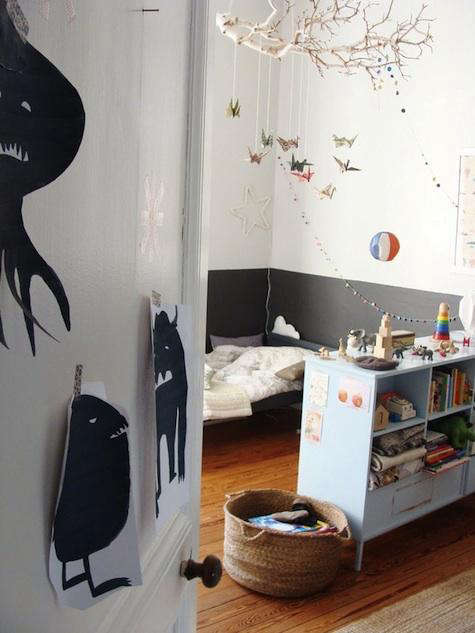
A Scandinavian children’s bedroom is the design equivalent of a deep breath, a warm cinnamon bun, and a toy bin that somehow closes without a dinosaur tail sticking out. It is calm without being boring, practical without looking like a storage warehouse, and playful without turning the room into a theme park that your child outgrows before the paint dries.
The beauty of Scandinavian kids room design is its balance. It borrows from Nordic ideas of simplicity, comfort, light, natural materials, and usefulness, then translates them into a child-friendly space where sleep, play, reading, dressing, and occasional pillow-fort engineering can peacefully coexist. A good Scandinavian bedroom does not ask children to live like tiny minimalists. It simply gives everything a place, lets the room breathe, and leaves enough blank space for imagination to do the loud part.
In this Scandinavian bedroom roundup, we will explore color palettes, furniture, storage, bedding, lighting, safety, small-room ideas, shared bedrooms, and real-life experience from rooms that actually get used by childrennot just photographed during the five magical minutes before someone brings in a glitter slime kit.
Why Scandinavian Style Works So Well in Children’s Rooms
Scandinavian design is often described as clean, bright, functional, and nature-inspired. For children’s rooms, those principles are not just pretty; they are extremely useful. Kids need rooms that calm them down at night and wake up their creativity during the day. They need furniture that can survive growth spurts, art projects, stuffed animal migrations, and the mysterious disappearance of matching socks.
A Scandinavian bedroom starts with the essentials: a comfortable bed, smart storage, soft lighting, natural textures, and enough open floor space for play. Instead of filling every wall with cartoon graphics or every shelf with decor, it lets a few thoughtful pieces do the work. A pale wood bed, a wool or cotton rug, a simple bookshelf, a wall-mounted lamp, and a basket of toys can feel complete when the proportions are right.
This approach is especially helpful for parents who want a room that grows with their child. A toddler may love wooden animals, cloud pillows, and a low reading nook. A grade-school child may want a desk, display shelves, and a cozy bunk. A tween may ask for more privacy, better lighting, and a “please knock” sign delivered with dramatic sincerity. Scandinavian design handles these changes gracefully because the foundation stays timeless.
The Scandinavian Color Palette: Soft, Bright, and Never Sterile
The classic Scandinavian children’s bedroom often begins with white, warm gray, cream, oatmeal, soft beige, pale sage, dusty blue, or muted blush. These colors reflect light and help a small room feel larger. But the secret is warmth. A room with only cold white walls and plain furniture can feel more like a clinic than a child’s retreat. Add wood, woven textures, linen, cotton, rattan, cork, and wool, and suddenly the same room feels calm and alive.
Best Base Colors
For walls, consider warm white, ivory, pale greige, soft mushroom, gentle clay, or a whisper-light blue. These shades create a flexible background for art, bedding, books, and toys. If you want more character, paint the lower half of the wall in a muted color and leave the upper half light. This creates a cozy, grounded feeling without shrinking the room.
Accent Colors That Still Feel Scandinavian
Scandinavian does not mean color has been banned from the premises. Try accents in rust, ochre, forest green, terracotta, muted mustard, sky blue, berry red, or lavender-gray. The trick is to use color in smaller, movable pieces: bedding, wall hooks, prints, lampshades, storage bins, and rugs. When your child’s favorite color changes from yellow to purple to “galaxy,” you will not need to repaint the entire room while questioning your life choices.
Furniture Roundup: Pieces That Earn Their Keep
In a Scandinavian kids bedroom, furniture should be beautiful, sturdy, and useful. If it cannot store something, support sleep, encourage independence, or create comfort, it may not deserve the floor space. Children’s rooms are often small, so every piece needs a job description.
1. The Simple Wood Bed
A low-profile wood bed is a Scandinavian classic. Pale oak, birch, ash, pine, or light maple brings warmth without visual heaviness. For younger children, a low bed can feel approachable and safe. For older children, a full-size bed may be a smart long-term investment if the room allows it. Choose a clean frame with space underneath for storage drawers or baskets.
2. The House Bed or Floor Bed
House-shaped beds and floor beds are popular in Scandinavian and Montessori-inspired rooms because they feel playful without relying on loud themes. A simple wood house frame can become a reading tent, a cozy sleep zone, or a pretend cabin. Keep the styling restrained: a small garland, a linen canopy, or one string of soft lights is plenty. The bed should still feel like a sleep space, not a carnival booth.
3. The Bunk Bed or Loft Bed
For shared rooms or tight spaces, bunk beds and loft beds can be lifesavers. They free up floor space for desks, dressers, bookshelves, or play. A Scandinavian bunk usually has clean lines, neutral colors, and a sturdy frame. Built-in drawers, stairs with storage, or a reading nook underneath can make the room work harder.
Safety matters here. The top bunk is generally not recommended for children under six. Look for guardrails, a secure ladder, a proper mattress size, and a layout that keeps the bed stable. Children should sleep in beds, not perform Olympic gymnastics from them, even if their confidence suggests otherwise.
4. The Low Bookshelf
A low bookshelf is one of the most useful pieces in a child’s room. It keeps books visible, encourages independent reading, and can double as toy storage. In Scandinavian rooms, open shelving works best when it is not overstuffed. Rotate books and toys so the shelf feels inviting instead of chaotic.
5. The Dresser That Does Not Scream “Baby Furniture”
Instead of a short-lived changing table, many families choose a regular dresser and add a changing pad during the baby stage. Later, the same dresser works for clothes, pajamas, art supplies, and the impressive collection of mystery objects children consider essential. Always anchor dressers, bookcases, and tall storage pieces to the wall.
Storage Ideas: Calm on the Outside, Chaos Contained Within
Storage is where Scandinavian children’s rooms truly shine. The goal is not to own fewer toys than joy allows. The goal is to make cleanup simple enough that a child can participate without needing a logistics degree.
Use Baskets Generously
Woven baskets, canvas bins, felt boxes, and rope hampers soften the room while hiding clutter. Use large baskets for stuffed animals, medium bins for blocks, and smaller boxes for tiny treasures. Labeling bins with pictures is helpful for younger children who cannot read yet.
Try the Toy Rotation Method
One of the easiest ways to keep a Scandinavian bedroom peaceful is to avoid putting every toy on display at once. Store some toys in a closet or higher cabinet and rotate them every few weeks. Children often play more deeply when they can see fewer options. Also, parents get the satisfying illusion of owning less stuff. Treasure that feeling.
Choose Closed Storage for Visual Quiet
Open shelves are great for books and favorite objects, but closed storage is the unsung hero. Drawers, cabinets, lidded bins, and under-bed boxes keep the room visually calm. This is especially important in a bedroom, where too much stimulation can make winding down harder.
Lighting: Layer It Like a Nordic Pro
Scandinavian design pays close attention to light because Nordic winters are long and dark. In a child’s bedroom, layered lighting helps the room shift from energetic play to quiet sleep.
Start with soft overhead lighting, then add a bedside lamp, wall sconce, or clip light for reading. A night-light near the bed or path to the door can help younger children feel secure. Avoid harsh, cold bulbs. Warm white light creates a cozy atmosphere and makes bedtime feel less like an interrogation scene.
Window treatments matter too. Light-filtering curtains work beautifully during the day, while blackout shades or lined curtains help with naps and early summer sunrises. Scandinavian rooms often keep windows simple, but children sleep better when the room can get properly dark.
Bedding and Textiles: Cozy Without Clutter
Textiles bring softness to a Scandinavian bedroom. Choose cotton sheets, linen duvet covers, washable quilts, knit throws, wool rugs, and cushion covers in muted tones. Mix textures rather than busy patterns. A striped pillow, a small gingham sheet, or a nature-inspired print can add personality without overwhelming the room.
For babies, follow safe sleep guidance and keep cribs free of loose blankets, pillows, bumpers, and stuffed animals. For older children, bedding can become a fun seasonal update. A simple white room can feel entirely different with rust-colored bedding in fall, pale blue in spring, or forest green during winter.
Wall Decor: Keep It Personal, Not Overloaded
Scandinavian wall decor tends to be simple and meaningful. Think framed animal prints, alphabet posters, cloud decals, pressed-flower art, wooden pegs, soft pennants, or a small gallery wall. Children’s artwork deserves a place too. Frame a few favorite pieces or use a rotating rail so new masterpieces can appear without covering every inch of wall.
Murals and wallpaper can work beautifully if the pattern is gentle. Forest scenes, stars, mountains, soft botanicals, and tiny geometric prints fit the Scandinavian mood. Avoid overly specific themes unless you are prepared for the day your child announces that dinosaurs are “for babies” and now the room must represent competitive space dolphins.
Small Scandinavian Kids Bedrooms
Small rooms love Scandinavian design. Light colors, simple furniture, vertical storage, and clutter control make compact spaces feel bigger. Use wall shelves above a desk, hooks behind the door, under-bed drawers, and a narrow book ledge. Choose a bed with built-in storage or a loft bed if your child is old enough and the ceiling height allows it.
Keep the floor as open as possible. Children use floor space constantlyfor puzzles, train tracks, reading piles, and lying dramatically on the rug after being asked to put on socks. A soft washable rug can define the play zone and make the room feel finished.
Shared Scandinavian Bedrooms
Shared rooms need fairness, storage, and a little diplomacy. Scandinavian layouts help because they value symmetry and simplicity. Matching beds can create visual order, while individual bedding, wall hooks, or small shelves give each child a sense of ownership.
If the room is narrow, place beds lengthwise along opposite walls. If space is very tight, use bunks. If siblings have different sleep schedules, add small reading lights and personal baskets so one child can wind down without turning the room into a Broadway production.
Age-by-Age Scandinavian Bedroom Ideas
For Babies
Choose a safe crib, a comfortable chair for feeding, a dresser with an anchored changing setup, blackout curtains, and soft storage. Keep the palette warm and soothing. Babies do not care if the nursery is Instagram-ready, but adults spending long nights there will appreciate a calm room.
For Toddlers
Focus on independence. Use low hooks, low shelves, accessible books, and easy bins. A floor bed or low toddler bed can support movement and confidence when the room is fully childproofed. Keep fragile decor out of reach unless you enjoy sweeping.
For Grade-School Kids
Add a desk, better task lighting, display space, and storage for school supplies. This is a great age to let children choose accent colors or art. Give options within a calm palette so the room still feels cohesive.
For Tweens
Lean into flexibility. Upgrade bedding, add a larger desk, provide privacy, and create display zones for hobbies. Scandinavian style can easily become more mature with darker accents, framed posters, sculptural lighting, and less playful textiles.
Safety Checklist for a Scandinavian Children’s Bedroom
A beautiful room should also be safe. Anchor dressers, bookcases, wardrobes, and tall shelves to the wall. Use cordless window treatments or keep cords completely out of reach. Choose stable furniture with rounded edges when possible. Check that rugs have non-slip pads, especially on wood floors.
For bunk beds, use guardrails, a secure ladder, the correct mattress thickness, and clear rules about climbing. Keep heavy objects off high shelves. Place night-lights where children can safely walk at night. Scandinavian design may look relaxed, but safety is not the place to be casual.
How to Get the Look Without Replacing Everything
You do not need a full renovation to create a Scandinavian children’s bedroom. Start by editing. Remove broken toys, outgrown clothes, and decor that no longer fits. Then paint or simplify the walls, add natural textures, upgrade storage, and choose a calmer bedding palette.
Swap plastic bins for woven baskets. Add wood hooks near the door. Replace one harsh ceiling bulb with warmer layered lighting. Frame two pieces of your child’s art. Put books facing outward on a ledge. Bring in a washable cotton rug. These small changes can shift the whole room from “toy tornado headquarters” to “cozy Nordic retreat with occasional Lego hazards.”
Experience: Living With a Scandinavian Children’s Bedroom
The real test of a Scandinavian children’s bedroom is not how it looks on reveal day. Reveal day is easy. Everyone claps, the bed is made, and the stuffed animals are arranged like they attended charm school. The real test begins one week later, when laundry appears, school papers multiply, and a child decides that every block in the house must participate in a “city.”
In everyday life, the best Scandinavian rooms are the ones that make routines easier. A low hook by the door means a backpack has a chance of not landing in the middle of the floor. A basket beside the bed catches bedtime books. A small lamp turns reading into a ritual. A rug creates a soft landing for play, stretching, and the occasional emotional collapse over mismatched pajamas.
One of the biggest surprises is how much children respond to visual calm. When toys are reduced and rotated, kids often rediscover what they own. A basket of wooden animals becomes a forest. A few blocks become a castle. A small shelf of books becomes an invitation. Too much stuff can make children bounce from one thing to another. Fewer visible choices often encourage longer, more imaginative play.
Parents also notice that cleanup becomes less dramatic when storage is obvious. “Put everything away” is vague. “Put the animals in this basket and the blocks in that bin” is manageable. Scandinavian storage works because it is simple, physical, and visible. Children may not become professional organizers overnight, but they can learn the rhythm of returning items to their homes.
Another real-life advantage is flexibility. When the room starts with neutral walls, wood furniture, and simple textiles, small updates make a big difference. A toddler’s cloud-themed room can become a school-age nature room with new art and bedding. Later, the same space can become a tween bedroom with a desk, a pinboard, and more grown-up lighting. The bones of the room do not need to change every time your child’s personality downloads a new update.
Of course, Scandinavian does not mean perfect. Children will still tape drawings to furniture, hide socks under the bed, and create museums of rocks, sticks, and tiny plastic objects. The point is not to erase childhood mess. The point is to create a room where mess has limits, beauty has breathing room, and the child feels both calm and free.
Conclusion
A Scandinavian children’s bedroom is more than a trend. It is a practical design strategy for real families: calm colors, natural materials, smart storage, flexible furniture, soft lighting, and thoughtful safety. It gives children space to play, rest, read, grow, and express themselves without overwhelming the roomor the parents who must occasionally locate the missing pajama pants.
The best Scandinavian bedroom roundup is not about copying one perfect image. It is about choosing ideas that fit your child, your home, your budget, and your daily routine. Start with light, warmth, function, and comfort. Add personality in layers. Leave room for imagination. And remember: a child’s room can be stylish and still contain a basket labeled “random tiny things.” In fact, that may be the most honest design choice of all.












