
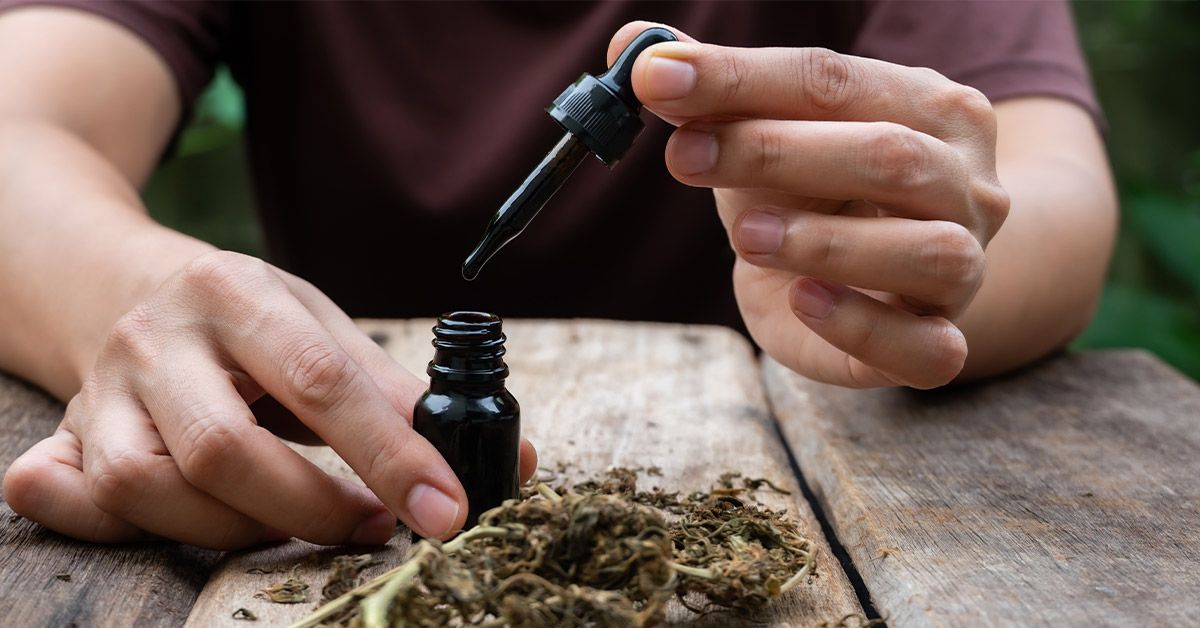
Cannabis oil for lung cancer is one of those topics that attracts hope, confusion, bold internet claims, and the occasional comment section that sounds like a medical school debate held inside a smoothie shop. For people facing lung cancer, the question is understandable: could cannabis oil help with symptoms, treatment side effects, appetite, pain, sleep, or quality of life?
The honest answer is both hopeful and cautious. Cannabis oil is not a proven treatment for lung cancer, and it should never replace surgery, chemotherapy, immunotherapy, radiation, targeted therapy, or palliative care recommended by an oncology team. However, cannabinoidsthe active compounds found in cannabis, including THC and CBDhave been studied for certain cancer-related symptoms. Some patients may find benefit for nausea, appetite loss, pain, anxiety, or sleep issues, but the evidence varies by symptom, product, and person.
This article explains what cannabis oil may help with, what it cannot do, what risks matter most for lung cancer patients, and why any decision should happen with a licensed healthcare professionalnot with “Dr. Random Forum Guy,” no matter how confident his profile picture looks.
What Is Cannabis Oil?
Cannabis oil is a broad term. It may refer to extracts made from the cannabis plant that contain cannabinoids such as THC, CBD, or a combination of both. THC is the compound most associated with intoxication or a “high.” CBD does not create the same high, but it can still affect the body, interact with medications, and cause side effects.
It is also important not to confuse cannabis oil with hemp seed oil. Hemp seed oil is usually made from the seeds of the hemp plant and contains little to no meaningful cannabinoid content. CBD oil, THC oil, full-spectrum cannabis extract, and prescription cannabinoid medications are different categories with different risks, legal rules, and levels of medical oversight.
Can Cannabis Oil Treat Lung Cancer?
At this time, cannabis oil has not been proven to cure lung cancer, shrink lung tumors in humans, or replace standard lung cancer treatment. Laboratory and animal studies have explored how cannabinoids may affect cancer cells, but findings from a dish or a mouse do not automatically become a safe or effective treatment for people. Cancer biology is not a vending machine: inserting one promising lab result does not produce a cure.
Major oncology guidance recommends against using cannabis or cannabinoids as cancer-directed therapy outside a clinical trial. That matters because lung cancer treatment is highly specific. A patient with EGFR-mutated non-small cell lung cancer may receive a very different therapy from someone with small cell lung cancer or someone whose tumor expresses high PD-L1. Cannabis oil is not a substitute for molecular testing, staging, immunotherapy decisions, radiation planning, or evidence-based cancer care.
Potential Benefits of Cannabis Oil for Lung Cancer Symptoms
While cannabis oil is not a lung cancer treatment, cannabinoids may have a role in supportive care for some adults with cancer. Supportive care means helping with symptoms and side effects so a person can eat, rest, function, and tolerate treatment better. Below are the most discussed areas.
1. Nausea and Vomiting From Cancer Treatment
Chemotherapy-related nausea can be brutal. It is not just “feeling a little queasy.” For some patients, it can make meals feel like negotiations with a tiny angry ocean living in the stomach. FDA-approved synthetic cannabinoid medicines, including dronabinol and nabilone, are approved for chemotherapy-related nausea and vomiting in certain situations, especially when standard anti-nausea medications have not worked well enough.
This does not mean every cannabis oil product works the same way. Over-the-counter or dispensary products can vary widely in content, strength, purity, and labeling accuracy. For nausea, the strongest medical support is for specific prescription cannabinoid medicines, not random online oils with labels that promise the moon, stars, and possibly a new personality.
2. Appetite Loss and Weight Changes
Lung cancer and its treatments can reduce appetite. Taste changes, nausea, fatigue, mouth sores, anxiety, and inflammation can all make food less appealing. Some cannabinoids, especially THC-based products, may stimulate appetite in certain people. For a patient losing weight during treatment, even small improvements in eating can matter.
Still, appetite support should be part of a larger plan. A care team may recommend nutrition counseling, high-calorie foods, symptom control, medication review, or treatment for nausea, constipation, pain, or depression. Cannabis oil should not be treated like a magic lunch bell. It may help some people, but it is not predictable for everyone.
3. Cancer-Related Pain
Pain in lung cancer can come from the tumor itself, surgery, nerve irritation, bone metastases, inflammation, or treatment side effects. Some studies suggest cannabinoids may help certain types of pain, including neuropathic pain, but evidence in cancer pain is mixed. Some patients report meaningful relief; others notice little benefit or unpleasant side effects.
Pain control should be individualized. Options may include non-opioid medicines, opioids, nerve pain medications, radiation for painful bone lesions, physical therapy, procedures, or palliative care support. Cannabis oil, when considered, should be discussed as one possible supportive toolnot as the main character in the pain-management movie.
4. Sleep and Anxiety Support
A lung cancer diagnosis can turn sleep into a part-time job with terrible hours. Scan anxiety, coughing, pain, steroids, treatment schedules, and fear about the future can all interfere with rest. Some people say cannabis products help them relax or fall asleep. However, the evidence is not strong enough to guarantee benefit, and some products may worsen anxiety, confusion, dizziness, or mood changes.
This is especially important with THC-containing products. THC can feel calming for one person and overwhelming for another. Patients with a history of anxiety, panic attacks, psychosis, substance use disorder, or certain heart conditions need extra caution and professional guidance.
Why Smoking Cannabis Is a Bad Fit for Lung Cancer
For lung cancer patients, smoking cannabis is especially concerning. Cannabis smoke contains many of the same kinds of toxins, irritants, and carcinogens found in tobacco smoke. It can irritate the airways, worsen cough, increase mucus, and contribute to bronchitis-like symptoms. For someone already dealing with lung tumors, surgery recovery, radiation effects, shortness of breath, or reduced lung capacity, inhaling smoke is not a friendly idea. The lungs are already doing enough unpaid overtime.
Vaping is not a guaranteed safe workaround either. Lung injuries linked to vaping products have raised serious public-health concerns, and people with lung disease or lung cancer should be particularly careful. Any product that enters the lungs should be discussed with a medical professional.
Risks and Side Effects Patients Should Know
Cannabis oil may sound “natural,” but natural does not automatically mean harmless. Poison ivy is natural too, and nobody is inviting it to brunch. Possible side effects of cannabis and cannabinoids may include dizziness, sleepiness, dry mouth, nausea, mood changes, impaired attention, anxiety, confusion, low blood pressure, increased heart rate, and coordination problems.
CBD can also affect liver enzymes and interact with medications. This matters for cancer patients because many treatments are processed through the liver or have narrow safety margins. Cannabis products may interact with sedatives, pain medicines, blood thinners, anti-seizure medications, antidepressants, and some cancer therapies. The risk is not always obvious from the label.
Product quality is another concern. Some cannabis or CBD products may contain more or less active ingredient than advertised. Others may contain THC when users expect none, or contaminants such as pesticides, heavy metals, solvents, or microbes. For people receiving cancer treatmentespecially those with weakened immune systemscontamination is not a small detail. It is the plot twist nobody asked for.
What About CBD Oil Specifically?
CBD oil is often marketed as gentle, non-intoxicating, and wellness-friendly. In cancer conversations, CBD is frequently mentioned for inflammation, anxiety, sleep, or pain. However, CBD oil is not proven to treat lung cancer. It can also cause side effects such as sleepiness, diarrhea, appetite changes, and liver-related issues. It may interact with medications, including some drugs used during cancer care.
The key point is simple: CBD is not “nothing.” It is biologically active. Patients should tell their oncologist, pharmacist, or palliative care clinician if they are using or considering CBD oil. This is not about getting judged. It is about avoiding avoidable problems.
How to Talk With an Oncologist About Cannabis Oil
Many patients avoid bringing up cannabis because they worry their doctor will disapprove. But oncology teams need the full picture. A good conversation might focus on symptoms rather than products: nausea, appetite loss, pain, insomnia, anxiety, or treatment-related discomfort. The clinician can then explain evidence-based options and whether cannabinoids are reasonable to discuss in that person’s situation.
Patients should also mention all medications, supplements, and herbal products they use. This includes “just CBD,” gummies, oils, tinctures, sleep products, or anything labeled full-spectrum. In cancer care, small details can change safety decisions.
Who Should Be Extra Careful?
Cannabis products may be riskier for people with severe lung disease, unstable heart conditions, liver problems, a history of psychosis, severe anxiety, substance use disorder, balance problems, or a high fall risk. They may also be risky when combined with alcohol, sedatives, opioids, or other medicines that slow the nervous system.
People in active lung cancer treatment should be especially careful because chemotherapy, immunotherapy, targeted therapy, radiation, and surgery can all create changing risks. What seems tolerable one month may not be safe the next.
Realistic Experiences: What Patients and Caregivers Often Report
Experiences with cannabis oil during lung cancer care vary widely. Some patients describe it as a helpful add-on that makes difficult days more manageable. Others try it and feel disappointed, foggy, anxious, dizzy, or simply unimpressed. The range of responses is one reason medical supervision matters.
One common experience involves appetite. A patient going through chemotherapy may find that food smells strange, favorite meals taste metallic, and dinner becomes less “family time” and more “culinary obstacle course.” In that setting, some people report that cannabinoid-based products help them feel more interested in eating. For caregivers, even seeing a loved one finish half a bowl of soup can feel like a small victory parade. But appetite improvement is not universal, and it should not replace nutrition support from the care team.
Another common story involves nausea. Some patients who struggle despite standard anti-nausea medications ask about cannabinoids. In selected cases, clinicians may discuss prescription cannabinoid medicines or other carefully monitored options. When nausea improves, patients may sleep better, drink more fluids, and feel less afraid of the next treatment cycle. Still, nausea has many causes, including constipation, dehydration, brain metastases, medication effects, or bowel issues, so persistent nausea should always be medically evaluated.
Pain experiences are more complicated. Some people report that cannabis oil helps them feel less tense around pain or improves sleep despite discomfort. Others find that it does not touch deeper cancer pain, especially pain from bone metastases or nerve compression. This is why palliative care can be so valuable. Palliative care is not “giving up”; it is expert symptom management. Think of it as adding a highly trained pit crew while the main cancer treatment keeps racing.
Caregivers often notice another layer: communication. Cannabis oil can become a sensitive subject because families may see it as hope, while clinicians may focus on evidence and safety. The healthiest conversations usually avoid extremes. It is not helpful to say cannabis oil is a miracle cure, and it is also not helpful to dismiss every patient experience as imaginary. A balanced approach asks: What symptom are we trying to improve? What treatments are already being used? What are the risks? How will we know if the plan is helping or hurting?
Some patients also describe emotional relief from feeling they have one more tool available. That feeling matters, but it should be paired with realistic expectations. Hope is important in cancer care; false certainty is not. Cannabis oil may support comfort for some people, but it should stay in the supportive-care lane unless strong clinical evidence shows otherwise.
The best patient experiences tend to share a pattern: open discussion with the oncology team, careful attention to side effects, avoidance of smoking, realistic goals, and no delay in proven cancer treatment. The worst experiences often involve secrecy, high expectations, poor-quality products, medication interactions, or replacing evidence-based care with internet promises. In lung cancer, time and treatment choices matter too much for guesswork dressed up as confidence.
Bottom Line: What Are the Benefits?
Cannabis oil may offer symptom-related benefits for some adults with lung cancer, especially around nausea, appetite loss, pain, sleep, or anxiety. The strongest evidence in cancer care is tied to certain prescription cannabinoid medicines for chemotherapy-related nausea and vomiting when usual treatments are not enough. Evidence for pain, appetite, sleep, and anxiety is more mixed.
Cannabis oil does not cure lung cancer, has not been proven to shrink lung tumors in people, and should not replace standard treatment. For lung cancer patients, smoking cannabis is particularly risky because smoke can irritate and harm the lungs. CBD and THC products can also cause side effects and interact with medications.
The smartest approach is calm, practical, and medically supervised: talk with the oncology team, focus on specific symptoms, avoid miracle claims, and treat cannabis oil as a possible supportive-care discussionnot a secret cancer treatment hiding in a bottle.
Conclusion
Cannabis oil for lung cancer is best understood as a possible supportive-care option, not a cancer cure. Some cannabinoids may help selected patients manage chemotherapy-related nausea, appetite loss, pain, sleep issues, or anxiety, but results vary and risks are real. Lung cancer patients should be especially cautious about smoking or vaping cannabis because the lungs are already vulnerable. Anyone considering cannabis oil should speak with an oncologist or qualified healthcare professional first, especially during chemotherapy, immunotherapy, radiation, targeted therapy, or palliative care.











