
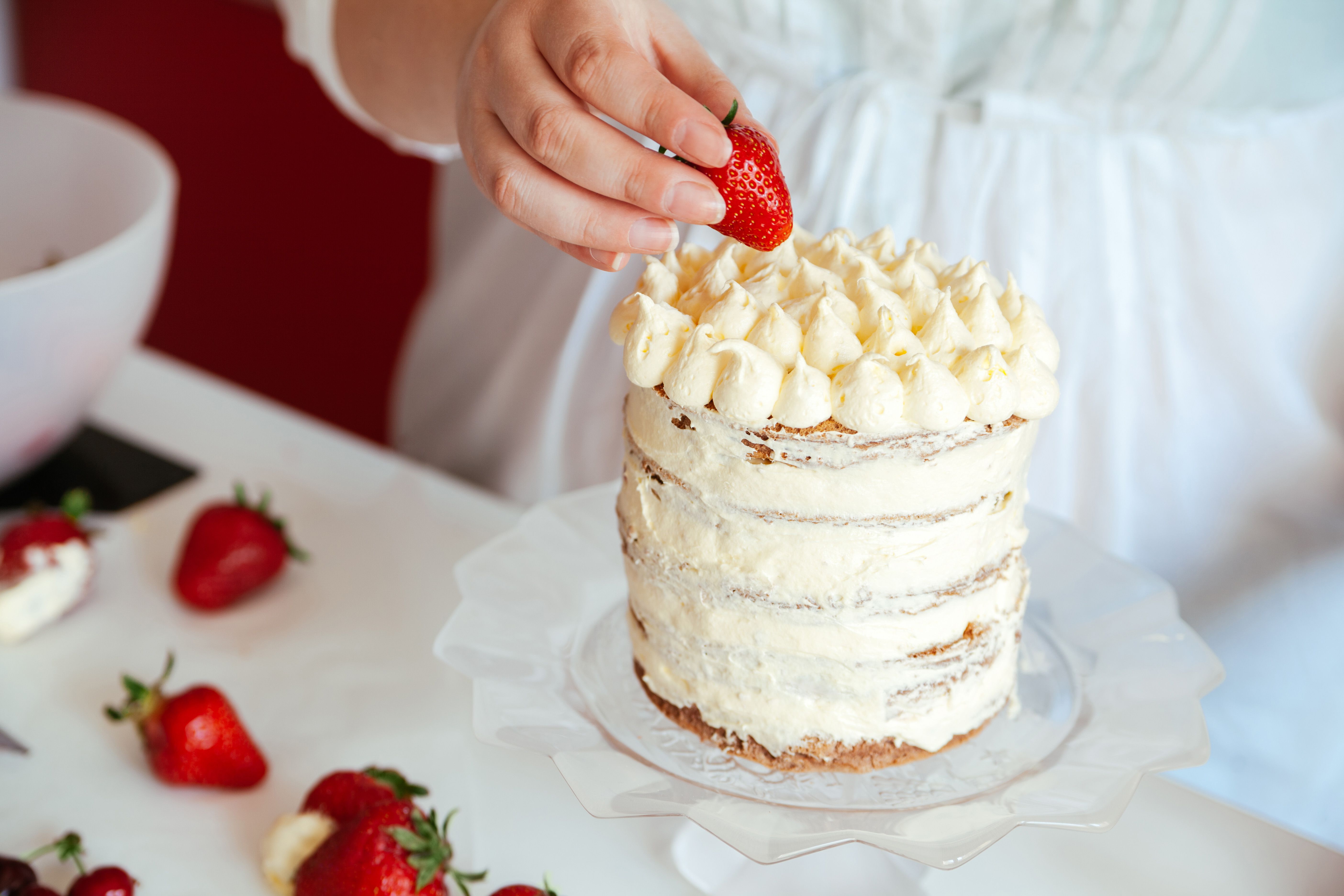
There are many ways to make friends as an adult, but let’s be honest: few are as immediately persuasive as showing up with buttercream. That is the magic behind cake clubs, the sweet new baking trend turning casual hangouts into frosting-filled social events. Part potluck, part craft night, part edible therapy session, a cake club is exactly what it sounds like: people gathering around cake to bake, decorate, swap slices, laugh at frosting disasters, and pretend they only came for “one small piece.” Adorable. Completely false. We all know the second piece is already emotionally scheduled.
The rise of cake clubs fits perfectly into today’s craving for hands-on hobbies, low-pressure creativity, and real-life connection. After years of scrolling through perfect cakes online, bakers and dessert lovers are realizing something important: cake is more fun when it is shared, slightly messy, and surrounded by people who understand the emotional importance of a good crumb coat. Whether hosted at home, in a bakery studio, at a community center, or around a picnic table groaning under the weight of sponge cake, cake clubs are giving bakers a joyful reason to gather.
And unlike some food trends that require rare ingredients, expensive gear, or a degree in culinary wizardry, cake clubs are refreshingly approachable. You can bake from scratch, buy a plain grocery-store cake and decorate it, bring cupcakes, make mini cakes, or simply show up with enthusiasm and a heroic appetite. The only strict rule? There should be cake. Preferably enough that nobody has to pretend they are “too full.”
What Is a Cake Club?
A cake club is a social gathering centered on cake. Some clubs focus on baking, where members each bring a homemade cake based on a theme. Others are decorating parties, where pre-baked cake layers, frosting, piping bags, sprinkles, edible flowers, fruit, chocolate curls, and other toppings are laid out like a dessert version of an art supply table. Some cake clubs are tiny gatherings of friends in a kitchen. Others look more like cake picnics, cake exchanges, or bakery-hosted workshops where strangers become friends over slices of lemon loaf, chocolate layer cake, or a dramatic vintage-style Lambeth cake.
The format is flexible, which is one reason the trend has taken off. A cake club can be fancy or casual, monthly or once in a while, skill-based or purely social. One group might choose a theme like “retro birthday cakes,” while another might ask everyone to bring a cake inspired by their favorite childhood dessert. A beginner-friendly version may provide plain mini cakes and buttercream so guests can focus only on decorating. A more ambitious group might assign different cake styles: chiffon, Bundt, sheet cake, icebox cake, sponge cake, coffee cake, or gluten-free cake.
In short, cake clubs are less about perfection and more about participation. Nobody needs to pipe roses like a professional pastry chef. If your frosting border looks like a tiny confused worm, congratulations: it has personality.
Why Cake Clubs Are Suddenly Everywhere
People Want Real-Life Community
One of the biggest reasons cake clubs are rising is simple: people want more offline connection. A cake club gives everyone something to do with their hands, which makes conversation easier. Instead of sitting across from someone trying to manufacture small talk out of thin air, guests can ask, “What flavor did you make?” or “Is that frosting supposed to be leaning?” Instant bonding.
Cake also has built-in emotional warmth. It is tied to birthdays, weddings, graduations, holidays, family kitchens, school bake sales, and late-night “I deserve this” moments. When people gather around cake, the atmosphere naturally feels celebratoryeven if the occasion is just surviving Tuesday.
Creative Hobbies Are Having a Moment
Cake decorating fits neatly into the broader trend of craft-based social activities. Paint-and-sip nights, pottery classes, floral workshops, cookbook clubs, and baking clubs have all shown that people love experiences that combine creativity with community. Cake clubs add a delicious advantage: at the end, you do not just take home a project. You take home dessert.
For bakers, cake clubs are a chance to experiment without the pressure of a formal order. For non-bakers, they offer a safe way to try decorating without buying a stand mixer, turntable, bench scraper, six piping tips, specialty food coloring, cake boards, and enough sprinkles to alarm a dentist. Shared materials lower the barrier to entry, which makes the hobby feel more welcoming.
Social Media Made Cake Feel Fun Again
Instagram, TikTok, Pinterest, and food blogs have made cake decorating highly visual. Vintage piping, heart-shaped cakes, oversized sheet cakes, edible bows, fruit-topped cakes, minimalist buttercream, cottagecore cakes, and playful message cakes all photograph beautifully. Cake clubs give people a reason to recreate those looks in real life.
But here is the important part: the best cake clubs do not exist only for the photo. The picture is a bonus. The real appeal is the laughter, the shared table, the taste testing, and the strange pride of watching your wobbly little cake become oddly charming. Cake clubs turn online inspiration into an offline experience.
Popular Types of Cake Clubs
1. The Cake Decorating Club
This is one of the easiest versions to host. The organizer prepares plain cakes or cupcakes in advance, makes a large batch of frosting, sets out decorations, and lets everyone create. Themes can make the night even better. Try “garden party cakes,” “Y2K birthday cakes,” “all-pink cakes,” “holiday mini cakes,” “ugly-but-delicious cakes,” or “cakes inspired by your favorite movie.”
For beginners, mini cakes are ideal. They are less intimidating, easier to transport, and more affordable than full layer cakes. They also give everyone permission to be playful. A mini cake wearing too many sprinkles is cute. A full three-tier cake wearing too many sprinkles may look like it made several questionable life choices.
2. The Cake Swap
In a cake swap, every guest brings a cake, then everyone samples slices from the table. This format works beautifully for adventurous bakers because it creates a tasting room atmosphere. One person may bring olive oil cake, another red velvet, another tres leches, another carrot cake, and someone else a chocolate cake so intense it should come with a tiny warning label.
To keep things organized, ask guests to label cakes with flavor, allergens, and whether the cake contains nuts, dairy, gluten, or alcohol-based extracts. Provide small plates and tasting portions so everyone can sample several cakes without entering a sugar fog before cake number four.
3. The Cookbook Cake Club
This version is perfect for bakers who love recipes. Choose one cookbook, baking blog, pastry chef, or theme each month. Members bake different recipes from the same source and bring them to compare. It is part book club, part bake-off, part group therapy for anyone whose sponge cake sank in the middle.
A cookbook cake club helps bakers build skill over time. Members can discuss what worked, what failed, whether the recipe was clear, how the cake tasted the next day, and what they would change. It is educational without feeling like homeworkunless someone assigns fruitcake in July, in which case the group may need to vote.
4. The Cake Picnic
A cake picnic takes the cake club outside. Everyone brings a cake, the group gathers in a park or backyard, and the table becomes a joyful parade of frosting, fruit, ganache, whipped cream, and creativity. The picnic format feels festive and relaxed, especially in spring and fall when cakes are less likely to melt into abstract art.
For outdoor cake clubs, choose sturdy cakes that travel well. Bundt cakes, loaf cakes, snack cakes, pound cakes, sheet cakes, and oil-based cakes are usually more forgiving than delicate whipped cream layer cakes. If you bring a tall buttercream cake to a sunny park in July, you are not hosting a cake clubyou are conducting a dairy weather experiment.
How to Start a Cake Club
Pick a Simple Format
Start with a format that matches your group’s energy. If your friends are casual dessert lovers, host a decorating night using store-bought cakes or cupcakes. If they enjoy baking, try a cake swap. If your group loves learning, choose a monthly technique such as crumb coating, piping borders, stacking layers, making ganache, or decorating with fruit.
Do not overcomplicate the first meeting. The goal is not to produce bakery-window masterpieces. The goal is to gather, taste, decorate, and have fun. Once the club finds its rhythm, you can add themes, rotating hosts, voting categories, recipe cards, or small prizes.
Create a Theme
Themes make cake clubs more exciting and easier to plan. They also help guests who might otherwise panic and bring the first cake they see at the grocery store. Good beginner themes include:
- Vintage birthday cakes
- Chocolate-only cakes
- Fruit-forward cakes
- Mini cake decorating night
- Family recipe cakes
- Spring garden cakes
- Retro sheet cakes
- One-bowl cakes
- “So ugly it’s cute” cakes
A theme gives structure while still allowing personality. One person’s “spring cake” might be lemon elderflower with edible flowers. Another person’s might be boxed vanilla cake with green frosting grass and marshmallow bunnies. Both belong. Cake club is not a courtroom.
Prepare the Essentials
For a decorating-focused cake club, preparation is everything. Bake or buy cakes ahead of time. Make frosting before guests arrive. Divide buttercream into bowls and tint each one with food coloring. Set out offset spatulas, piping bags, piping tips, spoons, sprinkles, fruit, chocolate shavings, cookies, edible glitter, cake boards, parchment, napkins, and boxes for taking cakes home.
For a cake swap, ask guests to bring their cakes already sliced if possible, or provide a few sharp knives and serving utensils. Labeling cards are a must. Nobody wants to discover the “mystery crunch” is walnuts after they have already taken a heroic bite.
Keep the Rules Friendly
The best cake club rules are simple and welcoming. For example: bring one cake, label major allergens, avoid judging skill level, clean up your station, and take leftovers home. If the club includes kids, choose safe tools and easy decorations. If guests have dietary needs, include at least one gluten-free, dairy-free, or nut-free option when possible.
Most importantly, make it clear that beginners are welcome. A cake club should not feel like a competition unless the group explicitly wants a playful contest. Even then, keep categories fun: “Most Dramatic Frosting,” “Best Use of Sprinkles,” “Cake Most Likely to Be on a Romance Novel Cover,” or “Most Delicious Chaos.”
Cake Club Ideas Bakers Will Love
Mini Vintage Cake Night
Give everyone a small round cake, pastel buttercream, piping bags, cherries, pearls, and sprinkles. Guests can create heart cakes, shell borders, ruffles, and retro messages. This theme is popular because it looks impressive but can be beginner-friendly with a little practice.
Family Recipe Cake Swap
Ask each person to bring a cake connected to family, culture, or childhood memories. It could be a grandmother’s coconut cake, a birthday sheet cake, a church potluck chocolate cake, or a simple banana cake made after school. This format creates natural storytelling and makes the gathering feel meaningful.
One Flavor, Many Ways
Choose one flavorlemon, strawberry, chocolate, coffee, vanilla, pistachio, coconut, pumpkin, or almondand let everyone interpret it differently. You may end up with lemon loaf, lemon layer cake, lemon blueberry Bundt, and lemon meringue sheet cake. This format is excellent for comparing techniques and textures.
Beginner Buttercream Workshop
Focus on one skill: smoothing frosting, making rosettes, piping borders, writing with icing, or creating simple textures with a spoon. This keeps the night relaxed and gives everyone a useful takeaway. Also, spoon-textured frosting is the official backup plan of bakers everywhere, and frankly, it deserves more respect.
Why Bakers Can’t Get Enough of Cake Clubs
Cake clubs hit a rare sweet spot. They are creative but not intimidating, social but not awkward, nostalgic but still trendy, and structured but flexible. For hobby bakers, they offer a reason to try new recipes without being stuck with an entire cake at home. For beginners, they provide a low-pressure way to learn decorating. For busy adults, they turn “we should hang out sometime” into an actual plan with frosting.
They also make celebration feel more accessible. Not every cake needs a birthday, wedding, or major milestone. A cake club says finishing a long week is enough. Moving into a new apartment is enough. Making a new friend is enough. Wanting cake is definitely enough.
That may be the heart of the trend: cake clubs give people permission to celebrate ordinary life. They remind us that joy does not have to be saved for big occasions. Sometimes it can be sliced, shared, and served on a paper plate while someone proudly explains that their frosting flowers were supposed to be roses but became “botanical blobs.”
Tips for Making Your Cake Club a Success
Balance Homemade and Store-Bought
Do not shame store-bought cake. A plain supermarket cake can be scraped, re-frosted, decorated, and transformed. Boxed cake mix can be delicious. Bakery cakes can be beautiful. Homemade cakes are wonderful, but the purpose of cake club is participation, not pastry purity.
Offer Small Portions
When multiple cakes are involved, small slices are your friend. Provide tasting plates, forks, napkins, and water or unsweetened tea to balance all that sugar. Coffee is also an excellent pairing because caffeine and cake have been flirting for generations.
Plan for Transport
Encourage guests to bring cake carriers, sturdy boxes, or containers for leftovers. If decorating mini cakes, provide small take-home boxes. Nothing ruins a proud cake moment faster than balancing a buttercream creation on your lap during a car ride like it is a newborn with frosting.
Take Photos Before Cutting
Always photograph the cakes before slicing. Once the cake table opens, beauty becomes crumbs very quickly. A quick group photo also gives everyone a memory of the gathering and helps build excitement for the next one.
Experiences and Lessons From Hosting a Cake Club
The first thing you learn from hosting a cake club is that people arrive with very different definitions of “just a simple cake.” One person may bring a neat vanilla Bundt with powdered sugar. Another may walk in carrying a three-layer chocolate cake with ganache, raspberries, and the quiet confidence of someone who owns more than one offset spatula. Both cakes will disappear. Cake clubs are wonderfully democratic that way.
A great cake club experience usually begins before the first slice is cut. Guests gather around the table, reading flavor cards, asking questions, and pointing at decorations. Someone always says, “I almost didn’t bring mine because it didn’t turn out right,” and then their cake becomes one of the favorites. That is one of the best parts of cake club: it proves that bakers are often much harder on themselves than eaters are. Most people are not looking for flawless fondant. They are looking for flavor, effort, and a good story.
Another lesson is that themes work best when they are broad. A narrow theme like “Victorian rose piping with raspberry filling” may sound charming, but it can scare beginners. A theme like “pink cakes,” “family favorites,” or “spring flavors” gives people room to play. The most memorable cakes often come from loose prompts. A “nostalgia cake” might become a peanut butter and jelly layer cake, a cereal milk sheet cake, or a chocolate cake inspired by after-school snacks. Suddenly, dessert becomes conversation.
Hosting also teaches the importance of pacing. If everyone decorates at once, give guests time to settle in, snack lightly, and look at examples before they start. People need a few minutes to stop being shy around piping bags. Put frosting in easy-to-handle bags, offer spoons for texture, and remind everyone that mistakes can be covered with sprinkles. Sprinkles are not just decoration; they are edible problem-solving.
The best cake clubs include laughter, not judging. A leaning cake can become a running joke. A frosting color that was supposed to be lavender but turned gray can be renamed “storm cloud chic.” A guest who has never decorated before may discover they love making tiny buttercream stars. Someone else may realize they prefer eating cake to making it, which is also a valuable role in any serious dessert society.
By the end of the gathering, the table usually looks like a happy storm passed through: crumbs, frosting smears, empty plates, cake boxes, and people asking when the next meeting is. That is when you know the club worked. It was never only about cake. It was about creating a reason to gather, making creativity feel less intimidating, and turning ordinary time into something sweet enough to remember.
Conclusion
Cake clubs are more than a cute baking trend. They are a delicious answer to a very human need: connection. They give bakers a place to practice, beginners a place to play, friends a reason to meet, and dessert lovers a table worth gathering around. Whether you host a mini cake decorating night, a backyard cake picnic, a family recipe swap, or a monthly cookbook-inspired tasting, the idea is beautifully simple: bring cake, share cake, talk about cake, and leave happier than you arrived.
In a world that often moves too fast, cake clubs invite everyone to slow down for a slice. They make room for creativity, nostalgia, imperfection, and community. And honestly, any trend that ends with leftover frosting and new friends deserves a standing ovationor at least another fork.
Note: This article was written for web publishing in standard American English and synthesized from real baking, food culture, cake decorating, and community dessert trend information without inserting source links or citation placeholders.











