
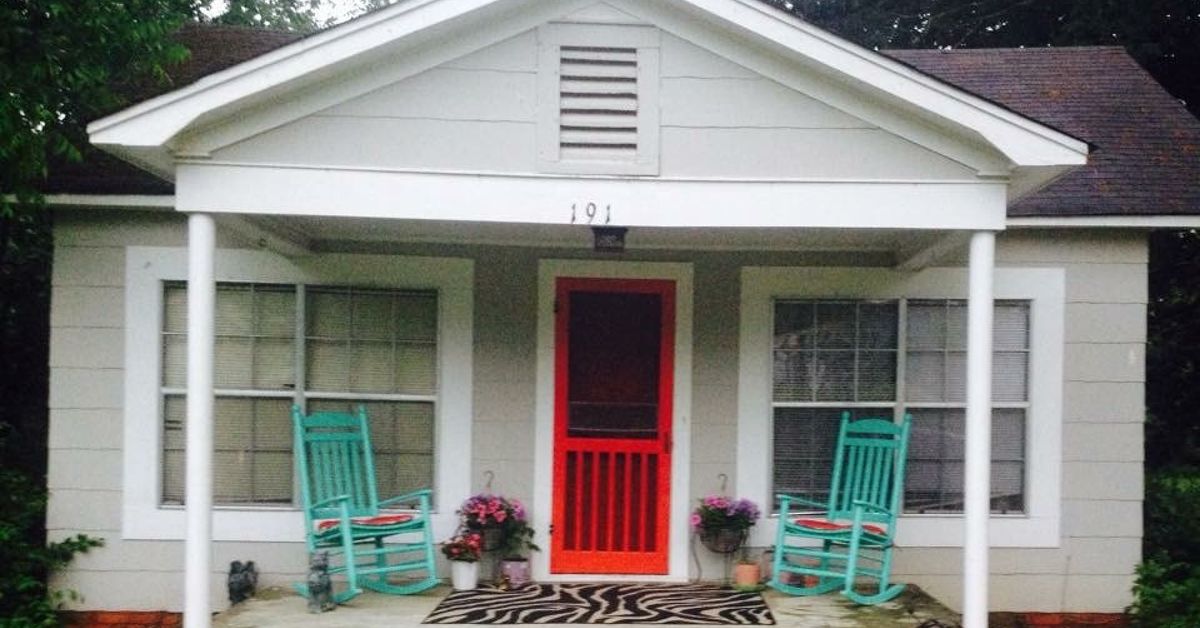
Every neighborhood has one: the concrete porch that looks like it was poured during a very serious meeting and then forgotten forever. It is gray. It is flat. It is technically doing its job, but so is a cardboard box, and nobody is inviting friends over to admire one of those.
The good news? A boring concrete porch is not a life sentence. With smart cleaning, a little repair work, the right coating or stain, and a few design tricks, that tired slab can become a welcoming outdoor room. Whether your porch is cracked, stained, faded, or just giving off “municipal sidewalk” energy, there are practical ways to turn it into a front-entry feature with real curb appeal.
This guide walks through how to transform a dull concrete porch into something fabulous without pretending every makeover requires a luxury renovation budget. We will cover concrete porch paint, stain, resurfacing, stenciling, outdoor decor, maintenance, and the tiny details that make the difference between “weekend project” and “why does this look like a boutique inn?”
Why Concrete Porches Look Boring in the First Place
Concrete is strong, durable, and practical, which is why it is used for porches, patios, sidewalks, driveways, and steps all over the country. Unfortunately, “strong and practical” does not always mean “warm and charming.” Unfinished concrete often fades unevenly, absorbs stains, grows mildew in shady spots, and highlights every rust mark, leaf stain, and mystery drip from last summer’s grill experiment.
A concrete porch also sits right at the front of the house, which means it works like a handshake. If the surface is cracked, dusty, or blotchy, the whole entry can feel neglected even when the rest of the home is well kept. The porch does not have to be fancy, but it should feel intentional.
Start With an Honest Porch Inspection
Before buying paint, stain, or a cart full of decorative lanterns, inspect the porch like a friendly but slightly suspicious detective. Look for cracks, pitting, flaking, uneven edges, low spots that hold water, old peeling coatings, and loose concrete. Cosmetic issues are usually manageable with cleaning, patching, resurfacing, or coating. Structural problems, deep movement cracks, major settling, or crumbling steps may need a professional repair before any decorative work begins.
Check for Moisture Problems
Concrete can hold moisture, and coatings do not love being trapped over damp surfaces. If water frequently pools on the porch or seeps from the wall side, address drainage first. A fabulous porch should not become a fabulous blistered paint experiment two weeks later.
Look for Old Coatings
If the porch was painted before, check whether the coating is still well bonded. Scrape a small area. If old paint flakes off easily, the surface needs more prep. Painting over failing paint is like putting a tuxedo on a raccoon: technically possible, but chaos is coming.
The Makeover Formula: Clean, Repair, Prep, Beautify, Protect
Most successful concrete porch makeovers follow the same basic order. First, clean the surface thoroughly. Second, repair cracks or damaged spots. Third, prepare the concrete so paint, stain, or resurfacer can bond. Fourth, apply the decorative finish. Fifth, protect and maintain the porch so it stays good-looking longer.
Skipping prep is the number-one way to turn a promising project into a peeling, patchy disappointment. Concrete is porous, and outdoor porches take weather, foot traffic, dirt, sun, and moisture. The prettier the finish you want, the more serious you should be about preparation.
Step 1: Clean the Concrete Like You Mean It
Start by removing furniture, planters, mats, leaves, and anything else sitting on the porch. Sweep thoroughly, then wash the surface with a concrete-safe cleaner. For greasy spots, use a degreaser made for concrete. For ordinary dirt, a stiff brush and mild detergent can do a surprising amount of work.
A pressure washer can speed up cleaning, especially on textured or stained concrete, but use it carefully. The goal is to clean the porch, not carve your initials into it with water pressure. After cleaning, rinse well and let the surface dry completely before moving on.
Step 2: Repair Cracks, Chips, and Pitted Areas
Small cracks can usually be filled with a concrete crack filler or patching compound. Wider cracks, chipped edges, or pitted sections may need a stronger repair material. Follow the product label closely, especially for drying and curing times. Repairs should be firm, level, and fully ready before paint, stain, or resurfacer goes on top.
If the porch has deep crumbling, exposed reinforcement, sinking sections, or cracks that keep expanding, do not cover the problem and hope the porch develops better manners. Decorative coatings are not structural repairs. Fix the foundation of the problem first, then decorate.
Step 3: Choose the Right Finish for Your Porch
There is no single best finish for every concrete porch. The right choice depends on the condition of the concrete, the look you want, the weather exposure, and how much maintenance you are willing to do. Here are the most popular options.
Concrete Porch Paint
Concrete porch paint is a classic choice when you want solid color and strong visual change. It works well for porches that need a fresh, clean look and for homeowners who want to coordinate the floor with shutters, trim, siding, or the front door. Exterior concrete paint or porch and patio floor paint is made to handle foot traffic and outdoor conditions better than regular wall paint.
Popular colors include warm gray, charcoal, slate blue, soft taupe, greige, forest green, and black. A painted border can make the porch look more custom, while a checkerboard or tile-look pattern can add personality without installing actual tile.
Concrete Stain
Concrete stain is great when you want color that feels more natural and less like a flat painted layer. Water-based stains offer a wide range of colors and are generally easier for many DIY homeowners to manage. Stain can give a porch a stone-like, weathered, or softly variegated appearance, especially when layered carefully.
Stain works best when the concrete is clean, porous, and free from previous coatings that would block absorption. If the porch has old paint, sealers, or adhesives, those must be removed before staining.
Concrete Resurfacer
If the porch surface is worn, pitted, or rough but still structurally sound, resurfacing can create a fresh top layer. Concrete resurfacer is spread over the existing slab to renew the surface. It can be finished smooth, broom-textured, or combined with decorative coatings after it cures.
Resurfacing is especially useful when paint alone would highlight imperfections. Think of it as giving the porch a new skin before dressing it up.
Stencil or Faux Tile Finish
Stenciling is where a plain porch suddenly develops main-character energy. With outdoor concrete stain or paint, a stencil can mimic encaustic tile, brick, slate, or geometric patterns. This approach is much cheaper than installing real tile and often easier to change later.
The trick is restraint. A bold stencil on a small porch can look fantastic. A busy pattern across a huge surface can start to feel like the porch is wearing pajama pants. Balance pattern with simple furniture and clean edges.
Step 4: Prime and Paint for a Longer-Lasting Finish
If you choose paint, primer matters. Concrete is porous, and primer helps create a better bond between the surface and the topcoat. Some porch and patio paints are self-priming, but many projects still benefit from a dedicated concrete primer, especially on bare or unevenly absorbent surfaces.
Apply thin, even coats rather than one thick, heroic coat. Thick paint can dry poorly, show roller marks, and peel faster. Use a brush around edges and a roller for open areas. Allow each coat to dry according to the product directions before applying the next one.
Add Slip Resistance
Outdoor concrete can become slippery when wet, especially if it is painted with a smooth finish. For steps, high-traffic entries, and rainy climates, consider a slip-resistant additive or textured coating. The porch should look fabulous, but it should not behave like an ice rink in sandals.
Step 5: Seal the Surface When Needed
Some stains and decorative finishes require a sealer. Sealers can help protect the finish from water, dirt, UV exposure, and daily wear. Choose a sealer designed for exterior concrete and make sure it is compatible with the stain or paint system you used.
Avoid the temptation to use the glossiest sealer available simply because shiny things feel exciting in the store aisle. High-gloss surfaces can show imperfections and may become slick. A satin or low-luster finish often looks more sophisticated and forgiving on a porch.
Design Ideas to Take a Concrete Porch From Plain to Fabulous
Once the surface is clean and finished, the fun begins. A concrete porch makeover is not only about the floor. It is about creating a small outdoor space that feels finished, welcoming, and connected to the house.
Paint a Border
A painted border is one of the easiest ways to make a porch look custom. Use a darker shade around the perimeter and a lighter shade in the center, or create a faux rug effect. This works especially well on rectangular porches and can make the space feel more polished.
Create a Faux Outdoor Rug
Real outdoor rugs are lovely, but they can trap moisture and dirt if left in place too long. A painted rug gives the same visual warmth without bunching, fading, or becoming a five-star hotel for ants. Use painter’s tape or a stencil to create stripes, diamonds, or a tile-inspired pattern.
Use Planters as Porch Jewelry
Plants soften concrete instantly. Tall planters near the door add height, while trailing plants along steps or edges make the porch feel lush. Choose containers that repeat colors from the house or the porch finish. Black, terracotta, stone gray, aged copper, and creamy white are reliable options.
Upgrade the Welcome Mat
A sad mat can sabotage a beautiful porch faster than you think. Choose a mat that fits the scale of the door and porch. Too small looks accidental. Too large looks like the porch is trying on someone else’s shoes. Layering a simple coir mat over a larger outdoor textile can add texture and charm.
Add Seating if Space Allows
Even a small bench can make a front porch feel more inviting. On a narrow porch, try a slim garden stool, compact chair, or wall-mounted shelf for plants. On a larger porch, a pair of rocking chairs or a small bistro set can turn the entry into a real sitting area.
Do Not Forget Lighting
Lighting is the difference between “nice porch” and “I want to sit here with lemonade and judge passing squirrels.” Update tired fixtures, add warm bulbs, or use solar lanterns where wiring is not practical. Good lighting also helps show off your newly fabulous concrete finish in the evening.
Color Combinations That Work Beautifully
Choosing colors can be the hardest part because paint chips are tiny little liars. A shade that looks perfect in the store can look completely different in full sun. Always test colors directly on the porch or on sample boards viewed outside.
Classic and Clean
Try a warm gray porch floor, white trim, black planters, and a natural coir mat. This combination works with many home styles and feels fresh without being trendy.
Southern-Inspired Charm
A soft blue-gray porch floor, creamy trim, wicker seating, and leafy ferns can create a relaxed, gracious look. This is especially pretty on cottages, farmhouses, and traditional homes.
Modern Contrast
Charcoal concrete paint with a bright front door and simple planters creates a clean modern entry. Keep patterns minimal and let the contrast do the talking.
Tile-Look Personality
Use a stencil with muted navy, clay, cream, or sage for a faux tile effect. This is a great option when the porch needs a statement but the budget says, “Let us not install imported tile today.”
Common Mistakes to Avoid
The most common mistake is rushing. Concrete needs to be clean and dry before coatings are applied. Repairs need time to cure. Paint and sealer need proper weather conditions. A porch makeover is a weekend-friendly project, but it is not a “start at noon before guests arrive at six” project.
Another mistake is choosing indoor products for outdoor concrete. Interior paint is not designed for weather, foot traffic, moisture, and sun exposure. Use products made for exterior concrete, patios, porches, or masonry surfaces.
Finally, do not ignore texture. A perfectly smooth painted porch may look sleek, but if it becomes slippery after rain, you will regret it the first time you perform an accidental dance move while holding groceries.
How to Maintain a Fabulous Concrete Porch
Once your porch is beautiful, keep it that way with simple maintenance. Sweep regularly to remove grit and leaves. Clean spills quickly, especially oil, rust, and tannin stains from wet leaves. Wash the surface with a mild cleaner when it starts to look dull.
Avoid dragging heavy furniture across painted or stained concrete. Use furniture pads where possible. Move planters occasionally so moisture does not sit underneath them for weeks. If your porch gets heavy sun or foot traffic, plan for touch-ups every few years depending on the product and climate.
Budget-Friendly Upgrade Plan
If you want the biggest improvement for the least money, focus on four things: cleaning, edge repair, a fresh coating, and styling. A deep clean can remove years of grime. Crack filler and patching compound can make the porch look cared for. Paint or stain changes the entire mood. Then a new mat, two planters, and better lighting can make the entry feel complete.
For a small porch, this can often be done in stages. Clean and repair one weekend. Paint or stain the next. Decorate after the coating has cured. Your porch does not need to become fabulous in one dramatic movie montage, although a soundtrack would not hurt.
Experience Notes: What Really Makes a Concrete Porch Feel Fabulous
The biggest lesson from real-life porch makeovers is that the transformation rarely comes from one expensive product. It comes from layers of small, smart decisions. A plain concrete porch can look dramatically better after cleaning, but it becomes memorable when the finish, color, decor, and details all work together.
One practical experience is that preparation always takes longer than expected. People imagine the fun part: rolling on a gorgeous color, peeling back stencil tape, placing planters, and stepping back with a proud little nod. But the cleaning, scraping, patching, drying, and taping are what make the final result look professional. When prep is rushed, the porch may look good for a week and then begin peeling or wearing unevenly. When prep is handled patiently, even a simple gray coating can look crisp and intentional.
Another helpful experience is to test design ideas before committing. A stencil that looks adorable online may feel too busy on your porch. A dark color may look elegant in shade but scorching in full afternoon sun. A pale color may brighten the entry but show dirt faster than expected. Testing a small area or using sample boards outdoors can prevent regret. Concrete is forgiving, but repainting an entire porch because the color turned “wet mushroom” in daylight is not anyone’s favorite hobby.
Furniture and decor also matter more than most people think. A freshly painted concrete porch can still feel unfinished if it is empty. Add a pair of planters, a clean doormat, updated house numbers, and one warm light fixture, and suddenly the porch feels designed. The secret is not to overcrowd the space. A small porch needs breathing room. Two strong planters often look better than seven tiny pots having a committee meeting by the door.
Texture is another lesson learned the practical way. Outdoor surfaces get wet. Shoes track in sand. Kids run. Dogs launch themselves toward squirrels with Olympic confidence. A porch finish should be attractive, but it must also be walkable. A slip-resistant additive, broom texture, or low-luster finish can make the space safer while still looking stylish.
Finally, the best porch makeovers respect the house. A farmhouse porch may look wonderful with warm gray paint, rocking chairs, and ferns. A modern home may look better with charcoal concrete, clean-lined planters, and a bold door color. A cottage can handle stencil charm beautifully. The goal is not to copy a trend exactly; it is to make the porch look like the house finally got the front entry it deserved.
In the end, turning a boring concrete porch into something fabulous is not about perfection. It is about creating a welcoming first impression. It is about making the entry feel cared for, cheerful, and useful. And yes, it is also about the deep satisfaction of looking at a once-dreary slab and thinking, “Well, look who got a glow-up.”
Conclusion
A boring concrete porch is one of the best home makeover opportunities because the starting point is usually so plain that even modest changes feel dramatic. With proper cleaning, crack repair, surface prep, concrete porch paint, stain, resurfacing, or stenciling, you can turn a dull gray slab into a polished outdoor entry. Add planters, lighting, a good mat, and a few thoughtful color choices, and the porch becomes more than a place to stand while finding your keys. It becomes part of the home’s personality.
The secret is simple: do not decorate dirt, do not paint over problems, and do not underestimate the power of a well-chosen finish. Your concrete porch may be boring today, but with a little patience and creativity, fabulous is absolutely on the menu.












