
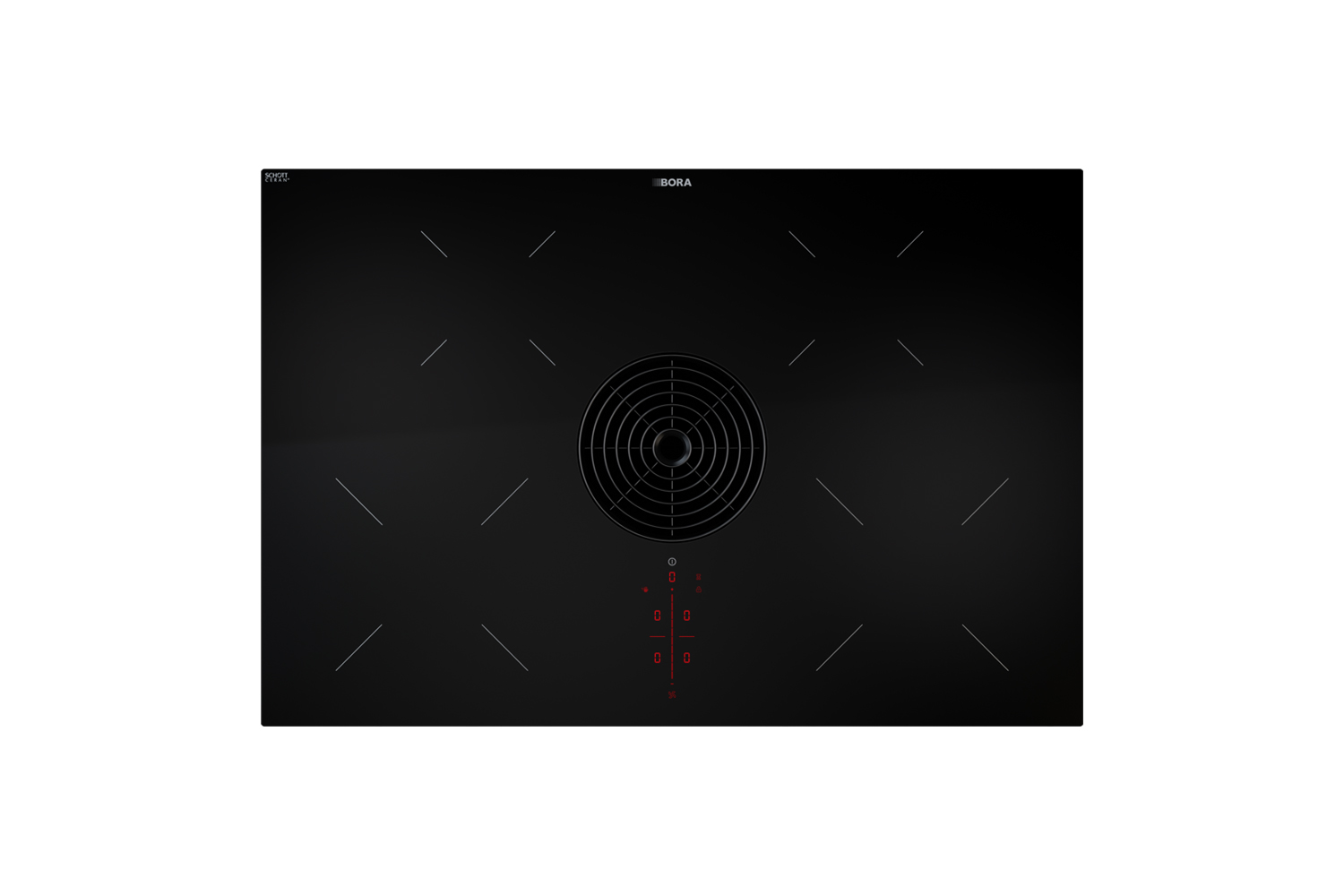
If your dream kitchen mood board includes clean sightlines, no giant metal hood hanging over your island, and a cooktop that looks like it belongs in a sci-fi movie designed by minimalists with excellent taste, the Bora Pure Cooktop Extractor System is exactly the kind of appliance that gets your attention. It combines an induction cooktop and a built-in extractor in one sleek unit, which means it promises something homeowners and designers both love: less visual clutter, more open space, and a cooking setup that does not scream, “Hello, I am an appliance!” from across the room.
But good looks alone do not earn premium-kitchen status. The bigger question is whether the Bora Pure is actually practical for everyday cooking, renovation planning, and long-term use. The short answer: yes, for the right kitchen and the right cook. The slightly longer answer: it is a smart, stylish, feature-rich solution that makes a lot of sense in modern homes, especially when design matters just as much as performance. It is not magic, and it is not the perfect fit for every heavy-duty cooking style, but it is absolutely one of the most interesting integrated cooktop ventilation concepts on the market.
This guide breaks down what the Bora Pure Cooktop Extractor System is, how it works, where it shines, where you should think twice, and what the day-to-day experience is likely to feel like once it becomes part of your kitchen routine.
What Is the Bora Pure Cooktop Extractor System?
The Bora Pure is an induction cooktop with integrated extraction. Instead of pairing a cooktop with a separate overhead hood, Bora places the extractor right in the center of the cooking surface. Steam, odors, and airborne grease are pulled downward near the pots and pans instead of floating upward into your face, your pendant lights, or your freshly painted ceiling.
That design is a big deal for open-concept kitchens. It allows homeowners to create an island cooking zone without installing a bulky canopy hood that blocks views and interrupts the room’s visual flow. In other words, the Bora Pure is trying to solve two problems at once: cooking performance and kitchen aesthetics. That is why it has become such a conversation starter among designers, appliance enthusiasts, and homeowners planning a premium remodel.
The system is sized for standard 80 cm kitchen units and typically features four round induction zones in two sizes. It is compact enough to preserve valuable storage space below the cabinet, which is important because nobody starts a renovation thinking, “I really hope my new cooktop destroys my drawer layout.”
Why the Design Gets So Much Attention
A minimalist look that actually feels intentional
The Bora Pure does not look like a compromise appliance. It looks like a design decision. The extractor opening sits neatly in the middle, the glass ceramic surface stays flush and visually quiet, and the overall presentation is dramatically more understated than a traditional range hood setup.
That matters in real homes. Kitchens are no longer just meal-prep zones. They are homework stations, party backdrops, Zoom-call territory, and the place where everyone somehow ends up even when there are chairs in every other room. A cooktop that blends into the architecture instead of dominating it fits how people want kitchens to feel now: clean, social, and less industrial unless they are intentionally going for that restaurant-at-home look.
Better sightlines in open-plan spaces
One of the biggest selling points is visual openness. If you are cooking on an island and do not want a hood hanging in the middle of your space, the Bora Pure becomes especially appealing. Designers increasingly favor uncluttered kitchens, and induction cooktops continue gaining popularity because they support a cleaner, more modern aesthetic. The Bora Pure leans hard into that trend.
How It Performs in Everyday Cooking
Induction is still the star of the show
Before talking about the extractor, it is worth saying the quiet part out loud: a big reason the Bora Pure works so well is that it uses induction cooking. Induction is fast, responsive, and efficient. Water boils quickly, temperature changes happen with less lag, and the surface generally stays safer than traditional radiant electric cooking because the cookware is doing most of the heating work.
That makes the Bora Pure attractive not just as a ventilation concept, but as a serious cooktop. For many households, the induction side of the experience is what makes the appliance feel premium every single day. A cook who wants better control for simmering sauces, searing salmon, or getting pasta water moving fast will appreciate that immediately.
The extractor works closest to the source
Bora’s whole philosophy is simple: capture vapor where it is created. In theory and in practice, that can be very effective for steam and cooking odors from everyday meals. If you are boiling pasta, pan-frying chicken cutlets, sautéing vegetables, or making breakfast on a busy weekday, the built-in extraction can feel surprisingly direct and efficient.
There is also a practical comfort factor here. Traditional hoods sit above you. The Bora Pure’s extraction happens below your field of vision, which can make the cooking zone feel less boxed in. Your kitchen stays visually lighter, and you are not staring at a giant ventilation structure while trying to flip pancakes.
Features That Make the Bora Pure Feel Premium
sControl+ touch operation
The Bora Pure uses a central touch-slider style control system called sControl+. In plain English, that means a modern, color-coded interface that aims to make the cooktop and extractor easy to manage from one place. When an appliance gets the controls right, you notice. When it gets them wrong, you notice even more. Bora clearly understands that premium design is not just about how something looks when it is off; it is about how intuitive it feels when dinner is already ten minutes late.
Easy cleaning and top-access maintenance
This is where Bora made a smart move. The removable parts are designed to come out from above, and the grease filter and movable components are dishwasher-safe. That may not sound glamorous, but it is a major quality-of-life win. Maintenance is the kind of issue many beautiful appliances prefer not to discuss until you are kneeling on the floor muttering at a manual. Bora at least tries to make upkeep less annoying.
For recirculating setups, the activated charcoal filter is also designed for relatively straightforward replacement from above. That matters because an appliance that is easy to maintain is much more likely to keep performing the way you hoped it would on day one.
Connectivity and assist functions
Newer Bora Pure models add app-related functionality, software updates, and assisted cooking features. These extras will matter a lot to some buyers and not at all to others. But they reinforce Bora’s premium positioning. This is not just a minimalist cooktop with a fan in the middle. It is a connected kitchen appliance aimed at buyers who expect convenience, smart usability, and polished user experience.
Where the Bora Pure Makes the Most Sense
Best fit: design-driven kitchens
The Bora Pure is especially compelling in kitchens where visual simplicity is a top priority. Think open-plan renovations, contemporary homes, architect-designed spaces, and upscale remodels where the island is supposed to feel like furniture rather than machinery.
It also makes sense for homeowners who genuinely want induction and are not merely tolerating it for the sake of the vent. If you already like induction or are ready to make the switch, the Bora Pure becomes much easier to justify.
Great for moderate-to-enthusiastic home cooking
For most households, this system is more than capable. Weeknight cooking, family meals, weekend brunches, and regular entertaining are well within its wheelhouse. It is the kind of product that feels built for people who cook often enough to care about performance but also care deeply about how the kitchen feels when they are not cooking.
Especially useful where an overhead hood is awkward
Some kitchens simply do not lend themselves well to a big hood, especially island layouts where owners want open sightlines. In those cases, the Bora Pure is not just a luxury choice. It can be a design solution that prevents the room from feeling top-heavy or visually chopped up.
What Buyers Should Think About Before Saying Yes
Downdraft is not the same as a giant overhead hood
Here is the balanced part, because every premium appliance deserves one. Downdraft-style extraction can be very effective, but it does not automatically outperform a well-designed overhead hood. In fact, ventilation experts often point out that traditional hoods generally have an advantage when it comes to capturing rising smoke, grease, and high-output cooking plumes.
So if your cooking style involves constant wok cooking, frequent steak searing, indoor grilling, or the kind of smoke production that makes your smoke alarm start emotionally preparing itself, you should think carefully. The Bora Pure can handle a lot, but it is not a cheat code that changes how heat and vapor naturally move.
Planning and installation still matter
This is not an impulse-buy toaster. The Bora Pure needs proper planning, cabinet coordination, electrical compatibility, and ventilation decisions. Buyers should also think about whether they want a recirculating or exhaust-air setup, how the base cabinet will be configured, and how service access will be handled.
A beautiful appliance installed badly is just an expensive lesson in humility. The best outcomes happen when the kitchen designer, installer, and homeowner all understand what the product is supposed to do and how the kitchen will actually be used.
Premium product, premium expectations
The Bora Pure sits in the premium category, and that comes with premium-level expectations about finish, fit, controls, and user experience. That is good when it delivers. It also means buyers tend to scrutinize everything more closely, from noise levels to cleaning routines to whether the whole system feels worth the investment compared with a separate induction cooktop and high-quality hood.
Bora Pure vs. the Usual Kitchen Setup
Compared with a traditional induction cooktop plus hood
A standard induction cooktop paired with a strong overhead hood is still a terrific setup. In some kitchens, it may even be the smarter performance-first choice. But the Bora Pure offers something different: integration, elegance, and a more open visual experience. It reduces the number of visible components in the room and gives the island a cleaner architectural presence.
That means the comparison is not simply about airflow. It is also about priorities. If maximum capture for aggressive cooking is your number one goal, a hood may still win. If your priorities include sleek design, sightlines, storage efficiency, and a sophisticated all-in-one system, Bora Pure becomes much more persuasive.
Compared with older downdraft concepts
Older downdraft systems often felt like awkward compromises: bulky, visually clumsy, and not especially elegant. The Bora Pure is part of a newer wave that rethinks the category. It is integrated from the start, visually refined, and more aligned with how contemporary kitchens are designed. That is one reason the product has generated so much attention in design circles and why BORA’s technology has also drawn interest in the North American market.
Who Should Buy the Bora Pure Cooktop Extractor System?
You are a strong candidate if you want a premium induction cooktop, love minimalist kitchen design, need a cleaner-looking island setup, and cook the kind of meals most real households cook most of the time. You are an even stronger candidate if you appreciate thoughtful details like easy-clean filters, top-access maintenance, and an interface that looks modern without requiring a PhD in touch controls.
You should pause and evaluate alternatives if your kitchen is built around ultra-high-output cooking, if you strongly prefer gas, or if your priority is purely ventilation performance over every other design benefit. The Bora Pure is excellent when chosen for the right reasons. It is less convincing when bought as a status object for a cooking style it was never meant to imitate.
Final Verdict
The Bora Pure Cooktop Extractor System is one of those appliances that makes the modern kitchen feel a little more like the future and a little less like a room designed around compromises. It is elegant, practical, and refreshingly thoughtful in the way it combines induction cooking with built-in extraction. It also proves that a ventilation solution does not have to dominate the room to be useful.
Its biggest strengths are clear: beautiful design, strong integration, smart maintenance access, premium controls, and a cooking experience that fits the way many people want to live now. Its biggest limitation is equally clear: it still obeys the laws of kitchen physics, and serious smoke-heavy cooks may prefer the brute-force confidence of a powerful hood.
For the right homeowner, though, the Bora Pure is not just an appliance. It is a kitchen-planning strategy. It says you want performance, but you also want calm. You want technology, but not clutter. You want a cooktop that works hard, looks sharp, and does not turn your island into an airport runway for steam and stainless steel. That is a pretty compelling pitch.
Real-World Experience: What Living With a Bora Pure Typically Feels Like
The day-to-day experience of the Bora Pure is best understood not as one dramatic “wow” moment, but as a series of small wins that add up over time. The first thing most people notice is visual calm. When the cooktop is off, the kitchen looks composed. There is no oversized hood hovering above the island, no bulky ventilation feature demanding attention, and no sense that the kitchen was designed around a giant metal object rather than around people. That alone can change how the whole room feels.
Then comes the first week of actual cooking. Boiling pasta, frying eggs, simmering soup, sautéing onions, heating tortillas, finishing a pan sauce, making grilled cheese for the third time because apparently that is the official emergency meal of modern life. In these moments, the Bora Pure tends to feel polished and immediate. Induction responds quickly, the controls start making sense after a few uses, and the extractor feels especially satisfying when steam disappears without an overhead fan roaring above your head like a small aircraft preparing for takeoff.
There is also a social side to the experience. In open kitchens, the cook can stay visually connected to everyone else in the room. You can face guests, keep an eye on kids doing homework, or continue a conversation without a hood slicing the space in half. That sounds like a small thing until you live with it. Then it becomes one of those features you stop noticing precisely because it works so naturally.
Maintenance, thankfully, feels less intimidating than many luxury appliances make it seem. Cleaning removable parts from above is the kind of practical convenience that earns appreciation fast. The system still needs care, of course, and nobody should expect “install once, ignore forever” magic. But owners who like products that reward routine cleaning rather than punish procrastination will probably find the Bora Pure more reasonable than expected.
The most realistic experience note is this: the Bora Pure feels best when expectations are smart. It is wonderful for households that value design, cook regularly, and want excellent everyday performance without sacrificing openness. It feels less like a macho chef toy and more like a refined tool for real-life kitchens. That is part of its charm. It does not beg for attention; it quietly improves how the kitchen works.
And yes, there is a certain pleasure in using a product that looks sophisticated without behaving like it is above doing actual work. It can help your kitchen feel cleaner, calmer, and more contemporary. It can make weeknight cooking feel a bit smoother. It can make your island look more architectural and less mechanical. And once you get used to that uncluttered view, going back to a giant hood can feel a little like returning to cable television after streaming: still functional, sure, but suddenly not quite as elegant.













