
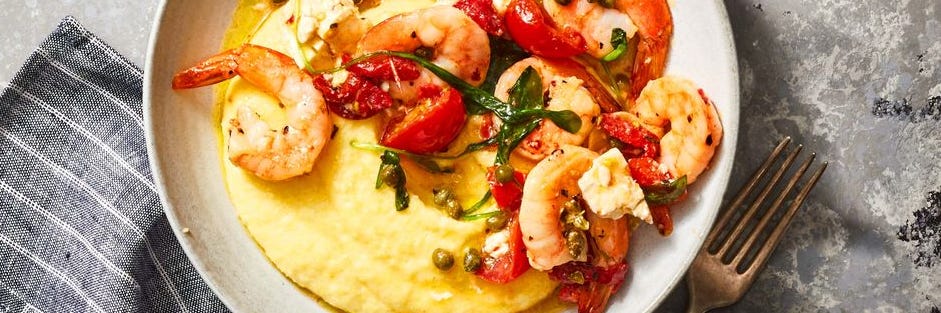
If shrimp and grits went on a little Italian vacation, came home wearing sunglasses, and started saying “ciao” at dinner parties, you would get shrimp and polenta. This best shrimp and polenta recipe is creamy, garlicky, buttery, bright with lemon, and just fancy enough to make a Wednesday night feel like you accidentally booked a table at a cozy coastal restaurant.
The magic is in the contrast: soft, creamy Parmesan polenta underneath juicy shrimp cooked with garlic, smoked paprika, a splash of broth, a little butter, and fresh herbs. It is comfort food with good posture. Even better, this meal comes together in about 35 minutes, which means you can serve something impressive without needing a culinary degree, a trumpet fanfare, or emotional support from a second dishwasher.
This guide walks you through exactly how to make shrimp and polenta, including the best ingredients, step-by-step instructions, cooking tips, easy variations, serving ideas, storage advice, and real-world kitchen experience to help you avoid rubbery shrimp and lumpy polenta. Because dinner should be dramatic only in flavor, not in cleanup.
What Is Shrimp and Polenta?
Shrimp and polenta is a savory seafood dish built around two simple parts: tender shrimp and creamy cooked cornmeal. Polenta is traditionally associated with Northern Italian cooking, while shrimp served over a creamy grain base also reminds many American cooks of Southern shrimp and grits. The two dishes are cousins: not identical twins, but definitely invited to the same family reunion.
Polenta is usually made from coarse yellow cornmeal simmered with water, broth, milk, or a combination of liquids until thick and silky. When finished with butter and Parmesan, it becomes rich, spoonable, and perfectly ready to catch every drop of garlicky shrimp sauce. That sauce matters. The shrimp are fast-cooked so they stay juicy, then finished with lemon juice, herbs, and a little butter to create a glossy pan sauce that slides beautifully into the polenta.
Why This Is the Best Shrimp and Polenta Recipe
This recipe works because it balances richness, freshness, and speed. The polenta is creamy but not heavy. The shrimp are flavorful but not buried under sauce. The lemon and parsley wake everything up, while Parmesan and butter give the dish that cozy, “I deserve this” energy.
Many shrimp and polenta recipes lean either too plain or too complicated. This version lands in the sweet spot. You get restaurant-style flavor with grocery-store ingredients: shrimp, cornmeal, garlic, broth, Parmesan, butter, lemon, and a few seasonings. Nothing here requires a scavenger hunt through specialty markets. If your pantry has smoked paprika and red pepper flakes, congratulations, you are already halfway to dinner glory.
Ingredients for Shrimp and Polenta
For the Creamy Parmesan Polenta
- 1 cup coarse yellow cornmeal or polenta
- 3 cups low-sodium chicken broth or vegetable broth
- 1 cup whole milk
- 1 teaspoon kosher salt, plus more to taste
- 2 tablespoons unsalted butter
- 1/2 cup freshly grated Parmesan cheese
- 1/4 teaspoon black pepper
For the Garlic Lemon Shrimp
- 1 pound large shrimp, peeled and deveined
- 1 tablespoon olive oil
- 2 tablespoons unsalted butter, divided
- 4 garlic cloves, minced
- 1/2 teaspoon smoked paprika
- 1/4 teaspoon red pepper flakes, optional
- 1/2 teaspoon kosher salt
- 1/4 teaspoon black pepper
- 1/3 cup low-sodium chicken broth or dry white wine
- 1 tablespoon fresh lemon juice
- 1 teaspoon lemon zest
- 2 tablespoons chopped fresh parsley
- 2 sliced green onions, optional
How To Make Shrimp and Polenta
Step 1: Start the Polenta
In a medium saucepan, bring the broth, milk, and salt to a gentle boil over medium heat. Slowly whisk in the cornmeal. Do not dump it in all at once unless you enjoy chasing lumps like tiny yellow fugitives. Whisk steadily as you pour.
Reduce the heat to low and cook the polenta, stirring often, for 20 to 25 minutes. The texture should become thick, creamy, and soft. If it gets too stiff before the cornmeal is tender, add a splash of broth, milk, or water and keep stirring.
Step 2: Finish the Polenta
When the polenta is tender and creamy, remove it from the heat. Stir in butter, Parmesan cheese, and black pepper. Taste and adjust the salt. Cover the pot and keep it warm while you cook the shrimp. If the polenta thickens too much, loosen it with a little warm broth or milk before serving.
Step 3: Season the Shrimp
Pat the shrimp dry with paper towels. This small step helps the shrimp sear instead of steam. In a bowl, toss the shrimp with salt, pepper, smoked paprika, and red pepper flakes if using. The paprika adds color and a subtle smoky flavor without overpowering the seafood.
Step 4: Sauté the Shrimp
Heat olive oil and 1 tablespoon butter in a large skillet over medium-high heat. Add the shrimp in a single layer. Cook for about 1 to 2 minutes per side, depending on size, until the shrimp turn pink, opaque, and curl into a loose C-shape. Remove them to a plate before they become tight little rubber bands.
Step 5: Build the Garlic Lemon Sauce
Lower the heat to medium. Add the minced garlic to the skillet and cook for 30 seconds, just until fragrant. Pour in the broth or white wine, scraping up any browned bits from the bottom of the pan. Those browned bits are flavor confetti. Stir in lemon juice, lemon zest, and the remaining tablespoon of butter.
Step 6: Return the Shrimp to the Pan
Add the shrimp back to the skillet and toss for 30 to 60 seconds, just long enough to coat them in the sauce. Stir in parsley and green onions if using. Taste the sauce and add a pinch more salt, pepper, or lemon juice if needed.
Step 7: Serve
Spoon the creamy polenta into shallow bowls. Top with shrimp and plenty of garlic lemon pan sauce. Finish with extra Parmesan, parsley, black pepper, or a small drizzle of olive oil. Serve immediately while the polenta is soft and the shrimp are juicy.
Recipe Card: Shrimp and Polenta
Quick Details
- Prep Time: 10 minutes
- Cook Time: 25 minutes
- Total Time: 35 minutes
- Servings: 4
- Course: Dinner
- Cuisine: American-Italian inspired
Tips for the Creamiest Polenta
The best polenta is creamy, not gluey. Start with enough liquid, whisk the cornmeal in slowly, and keep the heat low once it begins to thicken. Polenta likes patience. It does not need constant babysitting, but it appreciates regular attention, much like a houseplant with better flavor.
Use coarse yellow cornmeal or a package labeled polenta for the most satisfying texture. Instant polenta works in a hurry, but traditional cornmeal gives the dish more body and a deeper corn flavor. For extra richness, replace some of the broth with milk, half-and-half, or cream. For a lighter version, use broth and finish with a modest amount of Parmesan.
Always season polenta generously. Cornmeal is mild, which is part of its charm, but it needs salt to taste alive. Parmesan adds savory depth, but do not rely on cheese alone. Taste before serving and adjust as needed.
Tips for Juicy Shrimp
Shrimp cook quickly, and that is both a blessing and a trap. The key is to use medium-high heat and remove them from the skillet as soon as they turn opaque and curl gently. A loose C-shape usually means cooked; a tight O-shape often means overcooked. The difference can happen fast, so do not wander off to check social media unless you enjoy seafood erasers.
Large shrimp are ideal for this recipe because they are easy to sear and remain juicy. Frozen shrimp are perfectly fine, as long as they are thawed properly and patted dry. To thaw quickly, place shrimp in a sealed bag or bowl under cold running water, then drain well. Avoid thawing shrimp in hot water, which can damage the texture before the pan ever gets involved.
Best Variations for Shrimp and Polenta
Cajun Shrimp and Polenta
Replace the smoked paprika with Cajun seasoning and add diced bell pepper to the skillet before cooking the garlic. This creates a bold, Southern-inspired version with a little more heat and color.
Tomato Shrimp and Polenta
Add 1 cup of cherry tomatoes to the skillet after removing the shrimp. Cook until they blister and release their juices, then continue with the garlic and broth. The result is bright, saucy, and excellent with basil.
Cheesy Cheddar Polenta
Swap Parmesan for sharp white cheddar or use half Parmesan and half cheddar. This version leans closer to shrimp and grits and tastes especially good with bacon, scallions, or hot sauce.
Dairy-Free Shrimp and Polenta
Use vegetable broth instead of milk, olive oil instead of butter, and skip the Parmesan or use a dairy-free alternative. Add nutritional yeast for a savory note and finish with extra lemon juice.
What To Serve With Shrimp and Polenta
This dish is satisfying on its own, but a crisp side dish makes the meal feel complete. Serve shrimp and polenta with a simple arugula salad, roasted asparagus, sautéed spinach, green beans, or a cucumber tomato salad. Garlic bread is not strictly necessary, but nobody has ever complained about having something to swipe through extra sauce.
For drinks, try sparkling water with lemon, iced tea, a crisp white wine, or a light lager. The goal is something refreshing enough to balance the creamy polenta and buttery shrimp.
How To Store and Reheat Leftovers
Store shrimp and polenta separately if possible. Polenta thickens as it cools, while shrimp can become tough if reheated too aggressively. Keep both in airtight containers in the refrigerator for up to 3 days.
To reheat polenta, warm it in a saucepan over low heat with a splash of broth, milk, or water, stirring until creamy again. To reheat shrimp, warm them gently in a skillet over low heat just until heated through. Avoid microwaving shrimp for too long, unless your goal is to create tiny pink jump ropes.
Common Mistakes To Avoid
Using Too Little Liquid
Polenta needs enough liquid to soften properly. If it becomes thick before it tastes tender, add more liquid and continue cooking. Texture matters more than the timer.
Adding Cornmeal Too Quickly
Pouring cornmeal into boiling liquid all at once can create lumps. Stream it in slowly while whisking for a smoother result.
Overcooking the Shrimp
Shrimp should be removed from heat as soon as they are opaque and lightly curled. Overcooked shrimp turn firm, dry, and bouncy in the worst possible way.
Forgetting Acid
Lemon juice may seem small, but it makes the whole dish pop. Without it, the butter and Parmesan can taste flat. With it, the flavors come alive.
My Kitchen Experience With Shrimp and Polenta
The first time I made shrimp and polenta, I treated it like a casual dinner. I figured, “It is cornmeal and shrimp. How dramatic could it be?” Famous last words. I poured the cornmeal too quickly, stirred with the confidence of a person who had not yet earned it, and ended up with polenta that had the texture of wet cement with ambition. The shrimp, meanwhile, stayed in the pan just a minute too long and came out with the chew of a pencil eraser wearing garlic perfume.
That meal was still edible, but it taught me the two most important rules of this recipe: slow down for the polenta, speed up for the shrimp. Polenta rewards gentle cooking. Shrimp reward quick action. Once I understood that, the dish became one of my favorite weeknight dinners.
Now I start by setting up everything before the shrimp hit the skillet. Garlic minced, lemon zested, parsley chopped, broth measured, plates nearby. Shrimp cook so fast that you do not want to be hunting for a lemon while they are transforming from juicy seafood into tiny pink stress balls. A little preparation makes the final cooking feel smooth and almost restaurant-like.
I also learned that polenta is more forgiving than people think. If it gets too thick, add liquid. If it tastes bland, add salt, cheese, or butter. If it cools and firms up, reheat it gently with more broth. It is not fragile. It is just cornmeal doing its best. That is part of the charm.
One of my favorite ways to serve this meal is in wide, shallow bowls with the shrimp piled slightly off-center, because apparently I become a food stylist when Parmesan is involved. I spoon the sauce around the edges, add a little parsley, and finish with black pepper. Suddenly the dish looks like something that should cost twice as much and arrive with a waiter explaining the “corn-forward base.” At home, of course, the waiter is me, and I am also responsible for dishes.
This recipe is especially useful when cooking for guests because it feels special without being fussy. You can make the polenta first and keep it warm, then cook the shrimp right before serving. The aroma of garlic, butter, lemon, and paprika does half the hosting work for you. People walk into the kitchen and immediately assume you know exactly what you are doing. Let them believe it.
For weeknights, I keep the recipe simple. For weekends, I sometimes add blistered cherry tomatoes, sautéed mushrooms, or a handful of spinach. If I want something smoky, I add a little chopped bacon or andouille sausage. If I want something brighter, I double the lemon zest. The base recipe is flexible enough to handle whatever mood dinner is in.
The best part is that shrimp and polenta tastes comforting without feeling boring. It is creamy, savory, fresh, and a little luxurious. It is the kind of meal that makes you pause after the first bite and briefly forgive the world for sending so many emails. That is a powerful dinner.
Conclusion
The best shrimp and polenta recipe is not about complicated techniques or rare ingredients. It is about timing, balance, and building flavor in layers. Creamy Parmesan polenta gives you a soft, rich base. Garlic lemon shrimp bring brightness, protein, and just enough elegance to make the meal feel special. Together, they create a comforting dinner that is easy enough for a weeknight and impressive enough for company.
If you remember only three things, remember these: whisk the cornmeal slowly, season the polenta well, and do not overcook the shrimp. Follow those rules and you will have a bowl of shrimp and polenta that tastes cozy, polished, and deeply satisfying. Basically, it is comfort food with a very good résumé.
SEO Tags
Note: This article is written in original American English for web publication, based on established cooking methods, seafood safety guidance, and widely used recipe techniques. It contains no copied recipe text, no raw source links, and no unnecessary citation placeholders.













