
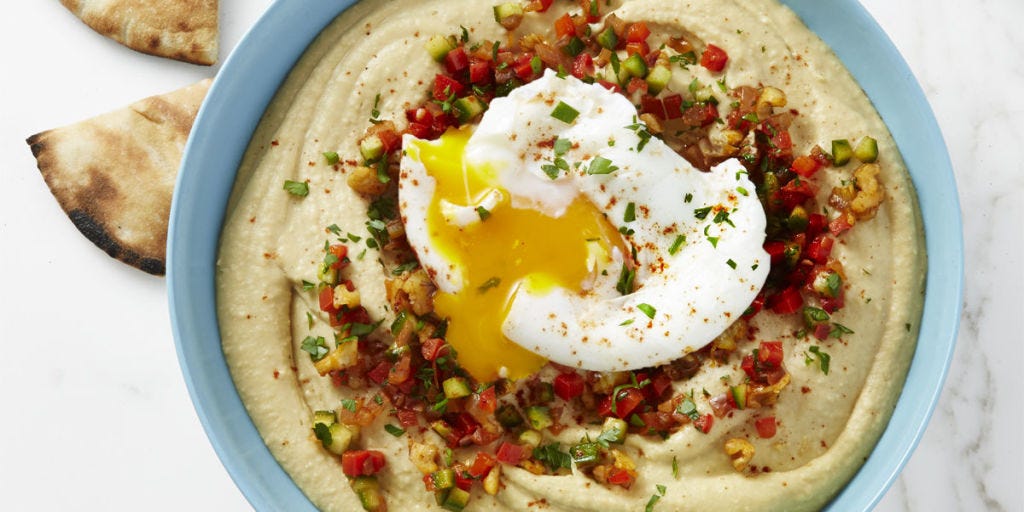
There are breakfasts that politely whisper, “Good morning,” and then there is a Mediterranean hummus egg smash, which kicks the kitchen door open wearing sunglasses and carrying a lemon. Creamy homemade hummus, jammy eggs, olive oil, herbs, cucumbers, tomatoes, and warm toast come together in one high-protein, flavor-packed meal that feels fancy but does not require a culinary degree or a dramatic chef’s apron.
This recipe is built around two simple ideas: first, homemade hummus tastes brighter, smoother, and fresher than most store-bought tubs; second, eggs and hummus are secretly best friends. The chickpeas bring earthy creaminess, the tahini adds nutty depth, the lemon keeps everything awake, and the eggs turn the whole thing into a satisfying Mediterranean-style meal. It is part breakfast, part brunch, part “I accidentally made something restaurant-worthy before 9 a.m.”
In this guide, you will learn how to make homemade hummus from scratch, how to turn it into the best Mediterranean hummus egg smash, and how to customize it with fresh toppings, spices, and pantry-friendly shortcuts.
What Is a Mediterranean Hummus Egg Smash?
A Mediterranean hummus egg smash is a layered toast, bowl, or plate built with creamy hummus and smashed cooked eggs, then finished with ingredients common in Mediterranean-style cooking: extra-virgin olive oil, lemon, herbs, tomatoes, cucumber, olives, paprika, cumin, za’atar, or feta. Think avocado toast’s more interesting cousinthe one who studied abroad, learned how to use tahini, and came back with excellent snack opinions.
The “smash” part is flexible. You can mash soft-boiled eggs directly into hummus, roughly chop hard-boiled eggs and fold them with herbs, or place jammy eggs on top and gently break them with a fork. The goal is texture: creamy hummus plus tender egg plus fresh crunch. That contrast is what makes the recipe work.
Why Homemade Hummus Makes the Difference
Store-bought hummus is convenient, and there is no shame in using it on a busy morning. But homemade hummus gives you full control over flavor, texture, salt, lemon, garlic, and toppings. It can be silky and mellow, bold and garlicky, or extra lemony with a little cumin. You are the captain now.
Classic hummus is usually made with chickpeas, tahini, lemon juice, garlic, olive oil, salt, and water. The best versions rely on balance. Too much garlic can make the hummus taste sharp. Too little lemon can make it flat. Too little tahini makes it taste like mashed chickpeas wearing a fancy hat. The trick is to blend in stages and taste as you go.
Ingredients for Homemade Mediterranean Hummus
For the hummus
- 1 can chickpeas, 15 ounces, drained and rinsed
- 1/3 cup tahini, well stirred
- 2 to 3 tablespoons fresh lemon juice
- 1 small garlic clove, grated or minced
- 2 tablespoons extra-virgin olive oil, plus more for serving
- 1/2 teaspoon ground cumin
- 1/2 teaspoon kosher salt, plus more to taste
- 3 to 5 tablespoons ice-cold water
- Optional: pinch of smoked paprika, sumac, or za’atar
For the egg smash
- 2 large eggs, soft-boiled, medium-boiled, or hard-boiled
- 2 slices whole-grain toast, sourdough, pita, or flatbread
- 1/2 cup cherry tomatoes, chopped
- 1/2 cup cucumber, diced
- 1 tablespoon chopped parsley, dill, or mint
- 1 tablespoon crumbled feta, optional
- 1 tablespoon chopped olives, optional
- Fresh lemon zest or juice, to finish
- Black pepper and red pepper flakes, to taste
How to Make Homemade Hummus
Step 1: Mellow the garlic
Add the lemon juice, garlic, and salt to a food processor. Let it sit for 5 to 10 minutes. This small pause helps soften the raw garlic bite, so your hummus tastes bright instead of like it is trying to fight your breath mints.
Step 2: Whip the tahini
Add the tahini and blend until thick, pale, and creamy. Scrape down the sides of the bowl. Add 2 tablespoons of ice-cold water and blend again. This helps the tahini loosen and creates a fluffy base for smoother hummus.
Step 3: Add chickpeas and seasoning
Add the chickpeas, cumin, olive oil, and a pinch of paprika or sumac if using. Blend for 1 to 2 minutes, then scrape down the bowl. Continue blending until the hummus looks smooth and creamy.
Step 4: Adjust the texture
Add more ice-cold water, 1 tablespoon at a time, until the hummus reaches your preferred texture. For toast, keep it thick enough to spread. For bowls, make it a little looser so it swirls beautifully under the eggs.
Step 5: Taste like a responsible hummus citizen
Taste and adjust. Need brightness? Add lemon. Need depth? Add tahini or cumin. Need more personality? Add salt. Homemade hummus should taste balanced, creamy, nutty, and freshnot bland, bitter, or dusty.
How to Make the Best Mediterranean Hummus Egg Smash
Step 1: Cook the eggs
For jammy eggs, place eggs in gently boiling water for about 7 minutes, then transfer them to ice water before peeling. For firmer eggs, cook for 9 to 11 minutes. If you prefer scrambled eggs, cook them until thickened with no visible liquid remaining.
Step 2: Toast the bread
Toast sourdough, whole-grain bread, pita, or flatbread until crisp around the edges. This matters because creamy hummus needs a sturdy base. Weak toast under hummus is basically edible sadness.
Step 3: Spread the hummus
Spoon a generous layer of homemade hummus onto the toast or plate. Use the back of a spoon to create swoops and valleys. These little hummus hills are perfect for catching olive oil, herbs, and lemon juice.
Step 4: Smash the eggs
Place the peeled eggs over the hummus and gently smash them with a fork. Do not pulverize them into egg confetti. Keep some larger pieces so every bite has creamy yolk, tender white, and rich hummus.
Step 5: Add the Mediterranean toppings
Scatter chopped tomatoes, cucumber, parsley, dill, olives, feta, and red pepper flakes over the top. Finish with olive oil, black pepper, lemon zest, and a pinch of sumac or za’atar. The result should look colorful, fresh, and slightly messy in the best possible way.
Recipe: Mediterranean Hummus Egg Smash
Prep time
15 minutes
Cook time
7 to 11 minutes
Total time
25 minutes
Servings
2 servings
Instructions
- Combine lemon juice, garlic, and salt in a food processor. Rest for 5 to 10 minutes.
- Add tahini and blend until thick and creamy. Add 2 tablespoons ice-cold water and blend again.
- Add chickpeas, olive oil, cumin, and paprika or sumac if using. Blend until smooth.
- Add more cold water as needed until the hummus is creamy and spreadable.
- Boil eggs to your preferred doneness, then cool, peel, and halve or roughly smash.
- Spread hummus over toast, pita, or a shallow bowl.
- Top with smashed eggs, tomatoes, cucumber, herbs, olives, feta, pepper, and lemon.
- Drizzle with olive oil and serve immediately.
Tips for Extra-Smooth Hummus
The smoothest hummus usually comes from very tender chickpeas. If using canned chickpeas, simmer them for 10 to 15 minutes with a pinch of baking soda, then rinse well before blending. This softens the skins and helps the chickpeas break down more easily. If you are cooking dried chickpeas, soak them overnight and cook them until they are extremely tender.
Another helpful trick is to blend longer than you think. Many people stop the food processor too early. Give it time. Hummus becomes creamier after a few minutes of blending, especially when you pause to scrape the sides and add cold water gradually.
Finally, use good tahini. Tahini should taste nutty and rich, not harsh or dusty. If your tahini is bitter, your hummus will taste bitter too. Stir it thoroughly before measuring because sesame paste separates in the jar.
Flavor Variations
Spicy harissa hummus egg smash
Swirl a teaspoon of harissa into the hummus and top with red pepper flakes, parsley, and lemon. This version brings gentle heat without turning breakfast into a fire drill.
Greek-style hummus egg smash
Add cucumber, tomato, feta, olives, dill, and oregano. Serve on toasted pita with a drizzle of extra-virgin olive oil.
Green herb hummus egg smash
Blend parsley, cilantro, or basil into the hummus for a bright green version. Top with soft-boiled eggs and sliced radishes for crunch.
Roasted garlic hummus egg smash
Replace raw garlic with roasted garlic for a sweeter, softer flavor. This is a good option if raw garlic tends to take over your day and introduce itself to everyone you speak to.
What to Serve With Hummus Egg Smash
This dish is filling on its own, but it also plays well with others. Serve it with a simple side salad, roasted vegetables, fresh fruit, pickled onions, or a cup of soup. For a brunch spread, add warm pita, marinated cucumbers, olives, grilled halloumi, or roasted potatoes.
For meal prep, keep the hummus, boiled eggs, and chopped vegetables in separate containers. Assemble right before eating so the toast stays crisp and the vegetables stay fresh. Homemade hummus usually tastes even better after a few hours in the refrigerator because the flavors have time to mingle politely.
Nutrition Notes
This Mediterranean hummus egg smash offers a balanced mix of plant-based carbohydrates, fiber, protein, and healthy fats. Chickpeas provide fiber and plant protein. Tahini contributes sesame flavor and richness. Olive oil adds heart-friendly unsaturated fat. Eggs bring high-quality protein and nutrients such as choline. Fresh vegetables add crunch, color, and hydration.
As with any recipe, portion size and toppings matter. A heavy pour of olive oil and a mountain of feta can turn a light meal into a richer one quickly. Delicious? Absolutely. Something to measure with your heart only? Maybe not every morning.
Food Safety and Storage
Keep homemade hummus refrigerated in an airtight container. For best quality, enjoy it within 3 to 4 days. Do not leave hummus or cooked eggs sitting at room temperature for more than 2 hours, or more than 1 hour in very hot weather. Cook egg dishes until they are properly set, and store boiled eggs in the refrigerator.
If the hummus smells sour, looks moldy, becomes unusually fizzy, or tastes off, throw it away. Hummus should be creamy and fresh, not mysterious. The refrigerator is for leftovers, not science experiments.
Common Mistakes to Avoid
Using too much raw garlic
Garlic is powerful. One small clove is usually enough for one can of chickpeas. Letting garlic sit in lemon juice helps mellow the flavor.
Skipping the tahini
You can make chickpea dip without tahini, but classic hummus depends on it for depth, body, and that signature nutty flavor.
Not adding enough water
If your hummus is thick and pasty, add cold water slowly while blending. The texture should be creamy, not cement-adjacent.
Forgetting acid
Lemon juice wakes up the chickpeas and tahini. Without it, hummus can taste dull. Add a little, blend, taste, and adjust.
Experience Notes: Making the Best Mediterranean Hummus Egg Smash at Home
The first time you make a hummus egg smash, you may be tempted to treat it like a strict recipe. Measure everything perfectly, smooth the hummus like you are frosting a wedding cake, place the eggs carefully, and sprinkle herbs with the seriousness of a museum curator. That works, but the beauty of this dish is that it gets better when you relax.
Homemade hummus has a way of teaching you to cook by taste. Chickpeas vary. Tahini varies. Lemons definitely vary; some are juicy little sunshine grenades, while others give you one tablespoon and an attitude. Because of that, the best hummus is rarely made by blindly following numbers. It is made by tasting, adjusting, and trusting your spoon.
One helpful experience is to make the hummus slightly thicker than usual if you plan to spread it on toast. Warm toast softens under creamy toppings, so a thicker hummus gives the bread a fighting chance. If you are serving the egg smash in a bowl, loosen the hummus with extra cold water so it becomes silky and spoonable. The same recipe can act like a spread, dip, sauce, or bowl base depending on texture.
The eggs also change the personality of the dish. A jammy egg makes the hummus feel rich and luxurious because the yolk blends into the lemony tahini. A hard-boiled egg makes it more practical and meal-prep friendly. Scrambled eggs turn it into a warm breakfast plate. None of these versions are wrong. They are simply different moods wearing the same delicious shoes.
Fresh toppings matter more than people expect. A spoonful of chopped cucumber adds cool crunch. Tomatoes add sweetness and juice. Parsley adds freshness. Feta adds salt and tang. Olives add briny drama. Even a tiny pinch of sumac can make the whole plate taste brighter. If the hummus and egg are the main characters, the toppings are the supporting cast stealing scenes.
Another real-life lesson: do not skip the final drizzle of olive oil. It is not just decoration. A small ribbon of extra-virgin olive oil adds aroma, richness, and that Mediterranean finish that makes the dish feel complete. Add lemon zest or a squeeze of lemon at the end, and suddenly the plate tastes like something from a sunny café instead of something assembled while half-awake in pajama pants.
This recipe also works beautifully for busy mornings because the parts can be prepared ahead. Make hummus on Sunday. Boil a few eggs. Chop cucumbers and herbs the night before. In the morning, toast bread, spread hummus, smash an egg, add toppings, and breakfast is ready before your coffee has finished pretending to be enough.
The best part is how adaptable it is. No bread? Use pita. No pita? Make a bowl. No feta? Add olives. No olives? Add pickled onions. Want more protein? Add another egg. Want more vegetables? Pile them on. The Mediterranean hummus egg smash is less of a rigid formula and more of a friendly kitchen blueprint.
Conclusion
The best Mediterranean hummus egg smash starts with creamy homemade hummus and ends with a colorful, satisfying plate that works for breakfast, brunch, lunch, or a snacky dinner. By blending chickpeas with tahini, lemon, garlic, olive oil, and cumin, you create a fresh base that is far more flavorful than the average store-bought tub. Add smashed eggs, crisp vegetables, herbs, and a little olive oil, and you have a meal that is simple, nourishing, and genuinely exciting to eat.
Whether you serve it on toast, pita, or in a bowl, this homemade hummus recipe is flexible enough for weekdays and impressive enough for guests. It is creamy, bright, protein-rich, and full of Mediterranean flavor. In other words, it is exactly the kind of recipe that makes your fridge feel smarter.
Note: This original article was written for web publication and is based on widely accepted cooking, nutrition, and food-safety guidance from reputable U.S. culinary, health, and government sources. No source links or content reference placeholders are included.












