
Fitness is not powered by motivational quotes alone, although a dramatic gym playlist certainly helps. Whether you lift weights, run, swim, cycle, dance, hike, play weekend basketball, or simply try to survive leg day without negotiating with the stairs afterward, what you eat matters. The best foods for fitness give your body steady energy, help muscles repair, support hydration, and keep your brain from asking, “Why are we doing burpees on purpose?”
The good news is that fitness nutrition does not require a secret powder blessed by a celebrity trainer under a full moon. Most of the best workout foods are simple, familiar, and affordable: oats, eggs, Greek yogurt, bananas, salmon, beans, chicken, tofu, sweet potatoes, leafy greens, berries, nuts, seeds, and plenty of water. The real magic is knowing when and how to use them.
This guide breaks down the best foods for fitness, how they support performance, what to eat before and after workouts, and how to build meals that help you feel strong instead of sluggish. Think of it as your practical, no-nonsense, slightly fun roadmap to eating like someone who enjoys moving their bodyeven if your body occasionally files a formal complaint.
What Makes a Food Good for Fitness?
A fitness-friendly food does more than look photogenic in a bowl. It provides useful nutrients your body can actually use before, during, and after exercise. The best foods for fitness usually fit into one or more of these categories: they provide carbohydrates for energy, protein for muscle repair, healthy fats for longer-lasting fuel, vitamins and minerals for normal body function, fiber for digestive health, and fluids or electrolytes for hydration.
Carbohydrates often get unfairly blamed for everything except bad Wi-Fi. In reality, carbs are your muscles’ preferred fuel during many types of exercise, especially moderate to high-intensity workouts. Protein helps repair and build muscle tissue after training. Healthy fats support hormones, joints, and longer-duration energy needs. Fruits and vegetables bring antioxidants, potassium, magnesium, vitamin C, folate, and other nutrients that help your body handle the stress of training.
The best fitness diet is not one single perfect meal. It is a pattern of eating that supports your training consistently. A balanced plate with colorful produce, whole grains, quality protein, healthy fats, and enough fluids will outperform a “perfect” smoothie you drink once and then follow with three days of random snacks from the back of a cabinet.
Best Carbohydrate Foods for Workout Energy
Carbohydrates are stored in your muscles and liver as glycogen. During exercise, your body taps into that stored energy. If you regularly train hard while eating too few carbs, workouts may feel like trying to drive a car with the fuel light on and the engine making suspicious noises.
Oats
Oats are one of the best foods for fitness because they provide slow-digesting carbohydrates, fiber, and useful minerals. A bowl of oatmeal before a morning workout can deliver steady energy without feeling too heavy. Add banana slices, berries, cinnamon, and a spoonful of peanut butter for a balanced pre-workout breakfast that tastes like you planned your life better than you did.
Bananas
Bananas are portable, affordable, and naturally rich in carbohydrates and potassium. They are especially useful before exercise because they are easy to digest for many people. A banana with a small serving of yogurt or a spoonful of nut butter can work well before a gym session, run, or bike ride.
Sweet Potatoes
Sweet potatoes provide complex carbohydrates, fiber, potassium, and beta carotene. They are excellent in post-workout meals because they help refill energy stores while also adding color and nutrients. Pair roasted sweet potatoes with grilled chicken, tofu, salmon, beans, or eggs for a meal that says, “I recover responsibly.”
Brown Rice, Quinoa, and Whole-Grain Pasta
Whole grains are reliable fitness foods because they provide carbohydrates plus fiber, B vitamins, and minerals. Brown rice is easy to batch cook. Quinoa adds a little extra protein. Whole-grain pasta can be a smart choice for active people who need more energy for endurance training. These foods are especially helpful after longer or harder workouts when your muscles need to restore glycogen.
Fruit
Fruit is a natural source of carbohydrates, water, fiber, vitamins, and antioxidants. Berries, oranges, apples, grapes, mangoes, and pineapple can all fit into a fitness-focused eating pattern. Fruit also makes a great snack when you want something sweet but do not want your blood sugar to behave like a roller coaster designed by a caffeinated raccoon.
Best Protein Foods for Muscle Repair and Strength
Protein is essential for repairing muscle tissue after workouts. Strength training, interval workouts, running, and even long hikes create tiny amounts of muscle stress. Protein helps your body rebuild stronger. The goal is not to eat protein once at dinner and hope your muscles read the memo. Most active people do better spreading protein across meals and snacks throughout the day.
Eggs
Eggs are a convenient source of high-quality protein, along with choline and other nutrients. They are versatile enough for breakfast, lunch, dinner, or the classic “I forgot to grocery shop but still have a pan” meal. Try scrambled eggs with spinach and whole-grain toast, or hard-boiled eggs with fruit for a simple post-workout snack.
Greek Yogurt
Greek yogurt is rich in protein and pairs beautifully with fruit, oats, granola, nuts, or seeds. It works well after a workout because it combines protein with carbohydrates when mixed with berries or banana. Choose plain Greek yogurt when possible, then sweeten it naturally with fruit or a drizzle of honey.
Chicken and Turkey
Lean poultry is a classic fitness food for a reason. Chicken breast and turkey provide protein with relatively little saturated fat. Add them to rice bowls, salads, wraps, soups, or stir-fries. The trick is to season them well, because “plain boiled chicken sadness” is not a sustainable nutrition strategy.
Salmon and Tuna
Fatty fish such as salmon provides protein plus omega-3 fats, which support overall health. Tuna is another convenient protein option, especially for sandwiches, salads, or rice bowls. Pair fish with whole grains and vegetables for a meal that supports both training and heart-friendly eating.
Beans, Lentils, Tofu, and Tempeh
Plant-based proteins are excellent foods for fitness. Beans and lentils provide protein, fiber, carbohydrates, iron, magnesium, and potassium. Tofu and tempeh are versatile soy-based proteins that work in stir-fries, bowls, wraps, and salads. For active people, plant proteins can absolutely be part of a strong, performance-friendly diet.
Best Healthy Fats for Fitness
Healthy fats are not usually the fastest pre-workout fuel because they digest more slowly than carbohydrates. However, they are important for overall health, satisfaction, hormone function, and longer-lasting energy. The key is timing and portion size. A huge high-fat meal right before sprint intervals may turn your workout into a digestive documentary. But healthy fats at regular meals can be very helpful.
Avocados
Avocados provide monounsaturated fats, fiber, potassium, and a creamy texture that improves almost anything except maybe cereal. Add avocado to eggs, toast, grain bowls, tacos, or salads. It helps meals feel satisfying and supports a balanced fitness diet.
Nuts and Seeds
Almonds, walnuts, pistachios, chia seeds, flaxseeds, pumpkin seeds, and sunflower seeds offer healthy fats, protein, fiber, magnesium, and other nutrients. They are great in oatmeal, yogurt bowls, smoothies, salads, or homemade trail mix. Keep portions moderate, because nuts are nutrient-dense and surprisingly easy to eat by the enthusiastic handful.
Olive Oil
Olive oil is a smart choice for cooking and dressing vegetables. It adds flavor and helps you absorb certain fat-soluble nutrients from plant foods. Use it on roasted vegetables, salads, grain bowls, or grilled proteins.
Best Fruits and Vegetables for Fitness
Fruits and vegetables are not just “healthy background decorations” on a plate. They support hydration, digestion, immune function, and recovery. They also provide antioxidants, which help your body manage normal exercise-related stress.
Leafy Greens
Spinach, kale, arugula, romaine, Swiss chard, and collard greens provide vitamins, minerals, fiber, and plant compounds that support overall health. Add greens to smoothies, omelets, pasta, soups, wraps, or rice bowls. If you are not a salad person, do not panic. Greens do not care whether they arrive in a salad bowl or sneak into scrambled eggs.
Berries
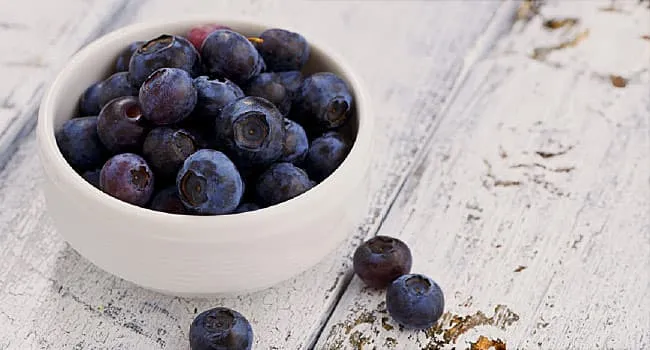
Blueberries, strawberries, raspberries, and blackberries are packed with flavor, fiber, vitamin C, and antioxidants. They are easy to add to Greek yogurt, oatmeal, smoothies, or whole-grain pancakes. Berries are especially useful when you want a sweet food that still brings nutrition to the party.
Beets
Beets are popular among endurance athletes because they contain naturally occurring nitrates, which may support blood flow and exercise performance in some people. Roasted beets, beet salads, or small servings of beet juice can be useful additions, although they are not magic. Also, yes, beets may turn things pink. Do not panic; your lunch just has a flair for drama.
Oranges and Citrus Fruits
Citrus fruits provide vitamin C, water, and carbohydrates. Oranges, grapefruit, and mandarins make refreshing snacks before or after workouts. They are especially helpful when you want something light, juicy, and easy to pack.
Hydration: The Most Underrated Fitness “Food”
Water is not technically a food, but leaving it out of a fitness nutrition article would be like writing about swimming and forgetting the pool. Hydration affects energy, temperature control, digestion, concentration, and performance. Even mild dehydration can make workouts feel harder than they need to be.
For most everyday workouts, water is enough. If you train for a long time, sweat heavily, exercise in heat, or do endurance sessions lasting more than about an hour, electrolytes and carbohydrates may become more useful. Good hydration habits start before exercise, not halfway through when your mouth feels like a desert with Wi-Fi.
Water-rich foods also help. Fruits, vegetables, soups, smoothies, yogurt, and milk all contribute fluids. Watermelon, oranges, cucumbers, strawberries, and leafy greens are especially refreshing options. A simple hydration check is urine color: pale yellow usually suggests you are doing fine, while dark yellow may mean you need more fluids.
What to Eat Before a Workout
The best pre-workout foods depend on timing. If you are eating one to four hours before exercise, choose a meal with carbohydrates, moderate protein, and lower amounts of heavy fat. If you are eating 30 to 60 minutes before exercise, keep it lighter and easier to digest.
Pre-Workout Meal Ideas
Try oatmeal with banana and Greek yogurt, whole-grain toast with eggs and fruit, brown rice with chicken and vegetables, a turkey sandwich on whole-grain bread, or a smoothie made with fruit, yogurt, and oats. These meals give you fuel without making your stomach feel like it has joined the resistance.
Quick Pre-Workout Snack Ideas
If your workout is coming soon, choose simpler snacks: a banana, applesauce, a slice of toast with jam, a small smoothie, a granola bar with simple ingredients, or a few crackers with a little peanut butter. The closer you are to training, the more you should prioritize easy digestion.
What to Eat After a Workout
Post-workout nutrition is about repair, refuel, and rehydrate. Your body needs protein to repair muscle and carbohydrates to replenish glycogen. Fluids help replace sweat losses. You do not need to panic-eat in the locker room within 90 seconds, but eating a balanced meal within a couple of hours is a smart habit, especially after harder or longer sessions.
Post-Workout Meal Ideas
Good post-workout meals include salmon with sweet potato and broccoli, chicken with brown rice and vegetables, tofu stir-fry with quinoa, Greek yogurt with berries and granola, eggs with whole-grain toast and fruit, or a bean burrito bowl with rice, salsa, avocado, and leafy greens.
Post-Workout Snack Ideas
When a full meal is not possible, try chocolate milk, a smoothie with Greek yogurt and fruit, cottage cheese with pineapple, tuna on whole-grain crackers, hummus with pita, or a peanut butter banana sandwich. The goal is not fancy. The goal is useful.
Best Foods for Different Fitness Goals
For Building Muscle
Prioritize consistent protein, enough total calories, and carbohydrates to fuel hard training. Excellent muscle-supporting foods include eggs, chicken, turkey, lean beef, salmon, Greek yogurt, cottage cheese, tofu, tempeh, lentils, beans, quinoa, oats, rice, potatoes, and whole-grain bread. Strength training builds the signal; food provides the materials.
For Endurance
Endurance athletes and active people who run, cycle, swim, or hike for longer periods need steady carbohydrates. Oats, bananas, rice, pasta, potatoes, fruit, whole-grain bread, and low-fiber snacks before long sessions can help. Afterward, combine carbs with protein to recover well.
For Fat Loss While Staying Strong
For fat loss, focus on nutrient-dense foods that help you feel full: lean proteins, beans, lentils, vegetables, fruit, whole grains, Greek yogurt, eggs, fish, tofu, nuts, and seeds. Avoid the trap of eating so little that workouts collapse into sad stretching and daydreaming about bread. A moderate, sustainable calorie deficit works better than extreme restriction.
For General Health and Fitness
If your goal is simply to feel better, move better, and have more energy, build meals around the basics: half a plate of fruits and vegetables, a quarter plate of protein, a quarter plate of whole grains or starchy vegetables, plus a small amount of healthy fat. This simple structure works for busy people, beginners, and anyone who does not want to use a spreadsheet just to make lunch.
Foods to Limit Before Exercise
Some foods are healthy in general but awkward right before training. Large amounts of fried foods, heavy cream sauces, greasy meats, high-fiber beans, huge salads, carbonated drinks, and very spicy foods can cause stomach discomfort if eaten too close to exercise. This does not mean you can never eat them. It means timing matters.
Highly processed snacks, sugary drinks, and alcohol are also poor fitness fuels when they become regular habits. They may provide calories but often lack the nutrients your body needs for performance and recovery. Fitness nutrition is not about being perfect; it is about giving your body more useful choices more often.
A Simple One-Day Fitness Meal Plan
Breakfast
Oatmeal topped with banana, blueberries, chia seeds, and Greek yogurt. This meal provides carbohydrates, protein, fiber, and antioxidants.
Lunch
A grilled chicken or tofu grain bowl with brown rice, roasted sweet potatoes, spinach, avocado, salsa, and olive oil dressing. It is colorful, filling, and far more exciting than another desk sandwich with emotional support chips.
Pre-Workout Snack
A banana with a small spoonful of peanut butter, or whole-grain toast with jam. Keep it simple and easy to digest.
Dinner
Salmon, quinoa, roasted broccoli, and a citrus side salad. This combination gives you protein, carbohydrates, healthy fats, fiber, and key vitamins and minerals.
Evening Snack
Greek yogurt with berries, cottage cheese with fruit, or hummus with whole-grain pita. Choose based on your hunger, training load, and overall daily needs.
Practical Experience: What Eating for Fitness Looks Like in Real Life
Here is where fitness nutrition becomes less textbook and more real life. The best foods for fitness are only useful if you can actually eat them consistently. Nobody becomes stronger because they saved a perfect meal plan in their phone and then ignored it while ordering fries at 10 p.m. Consistency beats fantasy every time.
One practical experience many active people discover is that breakfast changes everything. Training in the morning after only coffee may work for a light walk, but it can feel rough before lifting, running, or intense cardio. A small bowl of oats, a banana, or yogurt with fruit can completely change the quality of a workout. The body suddenly stops acting like it was dragged into exercise against its will.
Another common lesson is that post-workout meals are easier when planned before the workout. After training, hunger can become dramatic. This is when people make “emergency food decisions,” which are rarely famous for balance. Having cooked rice, roasted potatoes, boiled eggs, washed fruit, canned tuna, Greek yogurt, tofu, beans, or pre-cooked chicken ready in the fridge can save the day. Meal prep does not need to be a lifestyle brand. It can simply mean having useful food available when your legs are tired and your brain wants pizza.
Hydration is another experience-based game changer. Many people blame low energy on poor fitness when the real issue is not drinking enough fluids. A workout after a full day of too little water can feel unnecessarily difficult. Keeping a water bottle nearby, drinking with meals, and adding water-rich foods like oranges, cucumbers, berries, and soups can improve energy in a surprisingly simple way.
People also learn that fiber timing matters. Beans, lentils, vegetables, and whole grains are excellent foods, but eating a giant bean bowl 20 minutes before sprints may create a memorable workout for all the wrong reasons. Higher-fiber meals are usually better several hours before training or after exercise. Closer to workouts, many people do better with easier carbs like bananas, toast, rice, applesauce, or a smoothie.
Protein consistency is another real-world lesson. Eating one huge protein-heavy dinner is less helpful than spreading protein across the day. A breakfast with Greek yogurt or eggs, a lunch with chicken or beans, a snack with cottage cheese or hummus, and a dinner with fish or tofu can support recovery better than trying to make one heroic meal do all the work.
Finally, the best fitness foods are the ones that match your culture, budget, schedule, and taste. Rice, eggs, tofu, beans, fruit, vegetables, yogurt, fish, chicken, oats, and potatoes can fit many eating styles. You do not need rare ingredients or expensive “clean eating” products. You need a repeatable system: fuel before hard training, recover afterward, hydrate daily, and build most meals from nutrient-dense foods. Do that often enough, and your workouts start feeling less like punishment and more like progress.
Conclusion: Eat to Move, Recover, and Feel Better
The best foods for fitness are not mysterious. They are the foods that help you train with energy, recover with less struggle, and stay healthy over time. Carbohydrates like oats, bananas, rice, quinoa, potatoes, and fruit fuel your workouts. Proteins like eggs, Greek yogurt, chicken, fish, beans, lentils, tofu, and tempeh help repair muscle. Healthy fats from avocado, olive oil, nuts, and seeds support overall health and satisfaction. Fruits and vegetables bring hydration, fiber, vitamins, minerals, and antioxidants.
Fitness nutrition works best when it is practical. Eat a balanced meal a few hours before exercise when possible. Choose a light carbohydrate-rich snack closer to workout time if needed. After training, combine protein, carbohydrates, and fluids. Keep meals colorful, keep snacks useful, and keep your expectations realistic. You do not need a perfect diet to become fitter. You need enough good choices repeated often enough that your body starts sending thank-you notes.












