
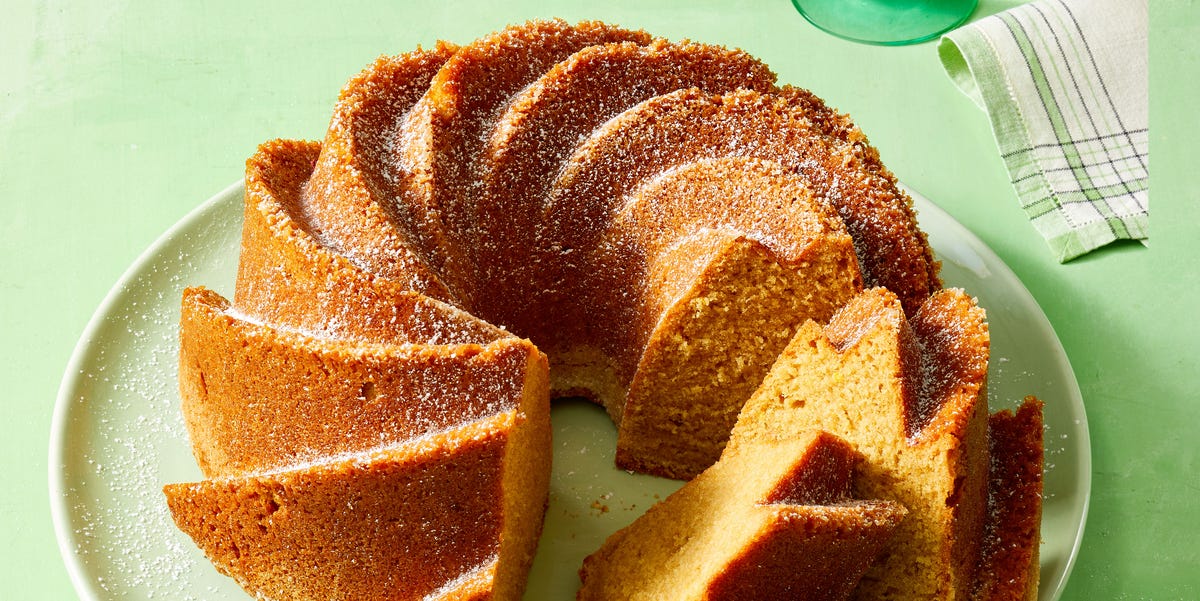
Note: This Earl Grey Bundt cake article is written as an original web-ready recipe guide, synthesized from reliable American baking guidance on Bundt pan preparation, tea-infused cakes, glaze consistency, room-temperature ingredients, and cake storage best practices. Key reference patterns include tea-steeped milk, citrus pairing, sour cream for tenderness, careful pan greasing, cooling before unmolding, and simple powdered-sugar glaze techniques.
Introduction: A Bundt Cake That Smells Like a Cozy Bookstore
If a cup of Earl Grey tea could dress up for a dinner party, it would arrive as this Earl Grey Bundt cake: fragrant, elegant, softly citrusy, and just dramatic enough to make people ask, “Wait, did you actually make this?” The answer, happily, is yesand no pastry-school diploma is required.
This recipe takes the classic comfort of a moist vanilla Bundt cake and gives it a refined tea-shop twist. Earl Grey tea, famous for its black tea base and bergamot aroma, infuses the milk and gently perfumes the crumb. Orange zest brightens the flavor, sour cream keeps the cake tender, and a silky Earl Grey glaze drips down the ridges like it hired its own food stylist.
The best part? Bundt cakes look fancy even when they are secretly practical. No stacking layers. No wrestling with buttercream. No pretending your offset spatula is an extension of your soul. You pour, bake, cool, glaze, and let the pan’s beautiful shape do the heavy lifting.
Why This Is the Best Earl Grey Bundt Cake Recipe
A great Earl Grey Bundt cake should taste clearly of tea without becoming bitter, dry, or perfume-like. That balance is the whole game. This recipe uses a double-flavor method: Earl Grey tea is steeped in warm milk, and a small amount of finely ground tea leaves is added directly to the dry ingredients. The infused milk gives the cake a rounded tea flavor, while the ground tea leaves add a delicate speckled look and aromatic finish.
Instead of relying only on butter and sugar for softness, this cake includes sour cream. Sour cream adds richness, moisture, and a gentle tang that keeps the sweetness from feeling flat. It also helps create the dense-but-tender texture Bundt cakes are known forthe kind that slices cleanly but still feels soft on the fork.
Orange zest is another small but mighty detail. Earl Grey gets its signature flavor from bergamot, a citrus fruit, so orange plays beautifully with the tea’s natural personality. Think of it as giving the cake a tiny spotlight, not a foghorn.
Ingredients for Earl Grey Bundt Cake
For the Cake
- 1 cup whole milk
- 6 Earl Grey tea bags, divided
- 1 cup unsalted butter, softened to room temperature
- 2 cups granulated sugar
- 3 large eggs, room temperature
- 2 teaspoons pure vanilla extract
- 1 tablespoon finely grated orange zest
- 3 cups all-purpose flour
- 2 teaspoons baking powder
- 1/2 teaspoon baking soda
- 1 teaspoon kosher salt
- 1/2 cup sour cream, room temperature
- Butter or baking spray with flour, for the pan
For the Earl Grey Glaze
- 1 1/2 cups powdered sugar
- 2 to 4 tablespoons strongly brewed Earl Grey tea or reserved infused milk
- 1/2 teaspoon vanilla extract
- Pinch of salt
- Optional: 1 teaspoon orange juice or lemon juice
Best Tea to Use for Earl Grey Bundt Cake
Use a tea you genuinely enjoy drinking. Baking does not magically turn dull tea into luxury tea; it mostly turns dull tea into cake with commitment issues. Classic Earl Grey is perfect, but double bergamot Earl Grey gives a stronger citrus-floral aroma. Earl Grey crème adds vanilla notes, which can make the cake taste softer and dessert-like.
Tea bags are convenient because the leaves are usually fine enough to blend smoothly into batter. If you use loose-leaf tea, grind a small portion in a spice grinder or crush it very finely before adding it to the flour. Large tea leaves can feel papery in the finished crumb, and nobody wants cake that chews back.
How To Make Earl Grey Bundt Cake
Step 1: Infuse the Milk
Warm the milk in a small saucepan over medium-low heat until it is steaming but not boiling. Remove it from the heat and add 4 Earl Grey tea bags. Cover and steep for 15 to 20 minutes. Press the tea bags gently against the side of the pan before removing them, but do not squeeze aggressively; too much pressure can draw out bitterness.
Let the milk cool to room temperature. If some liquid has evaporated or been absorbed by the tea bags, add enough milk to return the total amount to 1 cup.
Step 2: Prepare the Bundt Pan
Preheat the oven to 350°F. Generously coat a 10- to 12-cup Bundt pan with baking spray that contains flour, or brush the inside with softened butter and dust it with flour. Get into every ridge and curve. Bundt pans are beautiful, but they are also tiny architectural traps for cake batter. Proper greasing is the difference between a gorgeous dessert and a dramatic kitchen incident.
Step 3: Mix the Dry Ingredients
Open the remaining 2 Earl Grey tea bags and measure about 1 tablespoon of finely ground tea leaves. In a medium bowl, whisk together the flour, baking powder, baking soda, salt, and ground tea. Whisking helps distribute the leavening evenly so the cake rises with a smooth, even crumb.
Step 4: Cream the Butter and Sugar
In a large mixing bowl, beat the softened butter and granulated sugar together for 3 to 5 minutes, until light, fluffy, and slightly pale. This step matters. Creaming creates tiny air pockets that help the cake rise and keeps the texture from becoming heavy.
Step 5: Add Eggs, Vanilla, and Orange Zest
Add the eggs one at a time, beating well after each addition. Scrape down the sides of the bowl as needed. Mix in the vanilla extract and orange zest. At this point, the batter should smell like a bakery opened inside a tea shop, which is exactly where we want to be emotionally.
Step 6: Alternate Dry Ingredients and Tea Milk
Add one-third of the flour mixture to the butter mixture and mix on low speed just until combined. Add half of the infused milk, then another third of the flour mixture, the remaining milk, and the final third of the flour. Mix gently after each addition. Fold in the sour cream at the end, stopping as soon as the batter looks smooth.
Do not overmix. Once flour meets liquid, gluten begins to form. A little structure is good; too much turns your elegant Earl Grey cake into a polite doorstop.
Step 7: Fill and Bake
Spoon the batter into the prepared Bundt pan and smooth the top. Tap the pan gently on the counter a few times to release large air bubbles. Bake for 45 to 55 minutes, or until a toothpick inserted near the center comes out clean or with a few moist crumbs.
If the top browns too quickly, loosely tent the cake with foil during the last 10 to 15 minutes. The cake is done when it springs back lightly and begins to pull just slightly from the sides of the pan.
Step 8: Cool Before Unmolding
Let the cake cool in the pan for 15 to 20 minutes. This waiting period allows the structure to set, which makes unmolding much easier. Place a wire rack over the pan, hold both firmly, and invert. Lift the pan slowly and confidently, as if you have never doubted yourself in your life.
Step 9: Make the Earl Grey Glaze
Whisk the powdered sugar, 2 tablespoons brewed Earl Grey tea or reserved infused milk, vanilla, salt, and optional citrus juice until smooth. Add more liquid, 1 teaspoon at a time, until the glaze is thick but pourable. It should fall from a spoon in slow ribbons, not sprint off like it has somewhere better to be.
Step 10: Glaze and Serve
Let the cake cool completely before glazing. Pour the glaze over the top and allow it to drip naturally down the sides. Slice and serve with hot tea, coffee, or a glass of cold milk.
Expert Tips for a Moist Earl Grey Bundt Cake
Use Room-Temperature Ingredients
Room-temperature butter, eggs, milk, and sour cream blend more evenly, which helps create a smoother batter and better cake texture. Cold ingredients can cause the batter to curdle or bake unevenly.
Do Not Boil the Tea Milk
Steeping tea in very hot milk is good. Boiling it aggressively is not. High heat can make black tea taste harsh, especially when it is concentrated for baking.
Measure Flour Correctly
If you do not use a kitchen scale, spoon flour into the measuring cup and level it off with a knife. Scooping directly from the bag can pack in too much flour, leading to a dry cake.
Grease the Pan Like You Mean It
Bundt cakes are famous for their sculptural curves, but those same curves love to cling to batter. Use baking spray with flour or grease and flour the pan thoroughly. Do this right before adding the batter so the coating does not slide down the sides.
Cool, Then Glaze
If the cake is warm, the glaze will melt into it. That is not always a disaster, but it will not create those pretty bakery-style drips. For a clean finish, wait until the cake is fully cool.
Flavor Variations
London Fog Bundt Cake
Add 1/2 teaspoon culinary lavender and use Earl Grey crème tea. Finish with a vanilla glaze. This variation tastes like the cake version of a cozy café drink.
Lemon Earl Grey Bundt Cake
Replace orange zest with lemon zest and add 1 tablespoon lemon juice to the glaze. The result is brighter, sharper, and excellent for spring brunches.
Chocolate Earl Grey Bundt Cake
Replace 1/2 cup of the flour with unsweetened cocoa powder and add 1/2 cup mini chocolate chips. Earl Grey and chocolate are surprisingly good friends, like two coworkers who discover they both judge bad office coffee.
Honey Earl Grey Bundt Cake
Replace 1/4 cup of the sugar with honey and add a honey drizzle to the glaze. Honey softens the flavor and pairs beautifully with black tea.
What To Serve With Earl Grey Bundt Cake
This cake is lovely on its own, but it also plays well with simple sides. Fresh berries add color and tartness. Lightly whipped cream makes it feel more like dessert. A spoonful of lemon curd adds a sunny contrast to the tea flavor. For drinks, serve it with Earl Grey tea, English breakfast tea, coffee, or a creamy London Fog latte.
For brunch, pair slices with yogurt, fruit salad, and scrambled eggs. For dessert, serve with vanilla ice cream or a small scoop of berry sorbet. For midnight snacking, pair it with silence and the quiet knowledge that future you may ask questions.
How To Store Earl Grey Bundt Cake
Store the cake covered at room temperature for up to 3 days. If your kitchen is warm or humid, refrigerate it in an airtight container for up to 5 days. Bring slices to room temperature before serving for the best texture.
You can also freeze the unglazed cake. Wrap it tightly in plastic wrap, then in foil, and freeze for up to 1 month. Thaw at room temperature before glazing. Freezing after glazing is possible, but the glaze may lose its smooth finish once thawed.
Common Mistakes To Avoid
Using Weak Tea
Cake batter contains butter, sugar, eggs, flour, and dairy, all of which can soften subtle flavors. If the tea infusion tastes barely noticeable before baking, it will be even quieter afterward. Use enough tea and steep it properly.
Overbaking the Cake
Bundt cakes can look done on the outside before the center is fully baked, but leaving them too long dries them out. Begin checking at 45 minutes. A few moist crumbs on the toothpick are better than a bone-dry skewer.
Removing the Cake Too Soon
If you flip the cake immediately after baking, it may break because the crumb has not set. If you wait too long, the sugars can cool and stick. The sweet spot is usually 15 to 20 minutes.
Making the Glaze Too Thin
A watery glaze disappears into the cake. Start with less liquid and add more gradually. Thick glaze creates prettier drips and stronger flavor.
Experience Notes: What Baking This Cake Teaches You
The first thing you learn from making Earl Grey Bundt cake is that aroma matters. Some desserts announce themselves with chocolate, caramel, or cinnamon. This one is quieter, but in a very persuasive way. As soon as the tea hits the warm milk, the kitchen starts to smell calm and expensive, like someone folded a cashmere sweater near a bakery window.
The second lesson is patience. Earl Grey flavor needs time to develop. A rushed tea infusion gives you a cake that tastes vaguely mysterious but not clearly like tea. Letting the tea bags steep properly makes the difference between “nice vanilla cake” and “oh, this is Earl Grey.” That distinction matters, especially when the title promises Earl Grey and not “cake with a secret hobby.”
Another experience worth noting is the importance of pan preparation. Bundt cakes are emotional. They reward careful bakers and punish overconfidence. The pan may look nonstick, but those decorative ridges can hold onto cake like it owes them money. Greasing every curve may feel excessive until the cake releases cleanly in one beautiful piece. Then it feels like genius.
The texture also teaches restraint. It is tempting to keep mixing until the batter looks perfectly polished, but the best Bundt cakes come from stopping at the right time. Once the flour disappears, step away from the mixer. The batter does not need a motivational speech. Gentle mixing gives the finished cake a soft, tight crumb that slices beautifully without becoming tough.
This cake is also a reminder that simple decoration can be the most impressive. A Bundt pan already provides shape, height, and drama. The glaze should complement that design, not bury it. When the glaze is thick enough to fall slowly over the ridges, the cake looks polished with almost no effort. A little orange zest, powdered sugar, or a few dried tea leaves on top can make it look bakery-ready.
Serving this cake is especially satisfying because it fits many occasions. It is elegant enough for afternoon tea, gentle enough for breakfast, and interesting enough for dessert after dinner. It does not scream for attention. It simply sits there looking graceful until someone takes a bite and suddenly wants the recipe.
One practical tip from experience: the flavor is even better after a few hours. Freshly cooled cake is delicious, but once it rests, the tea and citrus notes settle into the crumb. If you are making this for guests, bake it earlier in the day or the night before, then glaze it closer to serving time. That little gap gives the cake more personality.
Finally, Earl Grey Bundt cake is a great confidence-building recipe. It feels special without being fussy. It invites creativity without demanding perfection. And even if your glaze drips unevenly, you can call it rustic and move on with your life. That is the quiet power of Bundt cake: it looks like effort, tastes like comfort, and forgives a baker who occasionally forgets where they put the cooling rack.
Conclusion
This Earl Grey Bundt cake is tender, fragrant, and beautifully balanced, with the citrusy depth of tea, the richness of butter, and the soft tang of sour cream. It is simple enough for a weekend bake but elegant enough for holidays, brunch tables, birthdays, showers, and “I deserve cake because Tuesday happened” situations.
The secret is building flavor in layers: steep the tea in milk, add finely ground tea leaves, brighten everything with orange zest, and finish with a smooth Earl Grey glaze. With the right pan preparation and a little patience, this cake releases cleanly, slices neatly, and tastes like a warm cup of tea turned into dessert.











