
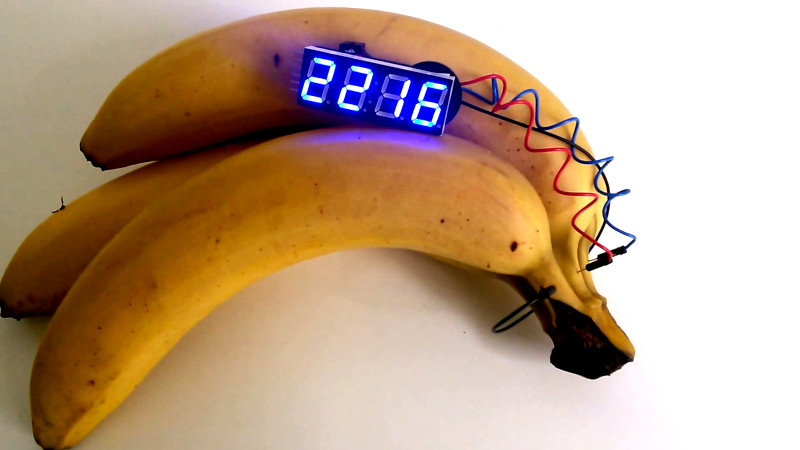
Note: This article is written from a safety and legal-awareness angle. It does not explain how to make, modify, carry, or use any dangerous device. The point is simple: even a silly-sounding phrase like “banana bomb” can stop being funny the moment it enters an airport, school, workplace, public event, or online threat report.
Why a “Banana Bomb” Joke Can Go Rotten Fast
Some phrases sound so ridiculous that they feel harmless. “Banana bomb” has the energy of a cartoon gag, a video game weapon, or something a bored friend might say while holding lunch like a prop. The problem is that real life does not run on cartoon logic. In real life, security officers, school administrators, airline employees, police departments, and workplace managers are trained to treat threat-related language seriously until proven otherwise.
That means a casual joke, a fake label, a suspicious-looking object, or a dramatic social media post can trigger consequences far bigger than the person intended. A phrase meant to get laughs can lead to a bag search, missed flights, school discipline, police questioning, criminal charges, civil penalties, or a permanent digital record that follows someone like a bad smell in a gym locker.
The main keyword here is “banana bomb,” but the real subject is bigger: prank safety, bomb jokes, hoax threats, airport security, school discipline, suspicious packages, and online consequences. In other words, this is about how one dumb joke can become an official incident before you even finish saying, “Relax, I was kidding.”
What People Usually Mean by “Banana Bomb”
Depending on the context, “banana bomb” might refer to a fictional object, a meme, a prank name, a gaming reference, a novelty phrase, or just the kind of random joke that happens when someone’s brain has too much sugar and not enough supervision. On its own, the phrase is not automatically illegal. Nobody is sending you to court because you described a banana as “explosive” after it turned brown in your backpack.
Context changes everything. Saying “banana bomb” while laughing at a cartoon is one thing. Writing it on a package left in a hallway is another. Typing it into a school group chat during exam week is not the same as naming a smoothie “Banana Bomb” on a café menu. Carrying a novelty item through airport security with a threatening label is not quirky branding; it is an invitation for every serious adult in the room to stop smiling.
Security teams do not get the luxury of assuming intent. Their job is not to judge whether a prankster has a charming personality. Their job is to prevent harm. If a threat-related word appears in the wrong place, people may have to respond as if the situation is real until they can confirm it is not.
Why Authorities Take Hoax Threats Seriously
Hoax threats are not treated like normal jokes because they create real disruption. A fake threat can empty a school, delay a flight, shut down a workplace, send emergency responders racing across town, and frighten families. Even when no device exists, the damage is still real: wasted resources, lost time, public fear, and a messy trail of reports.
Federal agencies in the United States repeatedly warn that hoax threats can be crimes. The FBI has explained that fake threats against schools and public places are serious because they can put first responders and innocent people at risk. The Department of Justice also recognizes federal law dealing with false information about alleged attempts to damage or destroy aircraft, vehicles, and related facilities. Translation: “It was just a joke” may be emotionally true, but legally useless.
Airports are especially unforgiving. Transportation security rules are built around prevention, not vibes. A traveler who jokes about a bomb, makes a suspicious statement, or creates confusion at a checkpoint may face delays, searches, fines, missed flights, airline consequences, and law enforcement involvement. Airport humor has one golden rule: keep it about overpriced sandwiches, not threats.
Airports: The Worst Place for a Banana Bomb Joke
If there is one place where the phrase “banana bomb” should never leave your mouth, it is an airport. Airport staff handle enormous pressure. They move thousands of people, screen luggage, watch for prohibited items, and coordinate with law enforcement. They cannot pause to analyze whether your delivery had “obvious comedic timing.”
A joke at the security line can quickly become a formal incident. Your bag may be pulled aside. You may be questioned. Your travel companions may suddenly pretend they met you five minutes ago. The airline may refuse boarding. Law enforcement may be called. Even if the incident ends without charges, your day can still be ruined with the efficiency of a toddler holding permanent marker.
There is also the issue of civil enforcement. The Transportation Security Administration can impose penalties for security violations, and airports can treat disruptive conduct seriously. A traveler who causes a security response may not simply get a warning and a gentle “please be more careful.” The financial and legal consequences can be very real.
Better airport rule: say less, travel more
At airport security, simple is beautiful. Answer questions clearly. Do not joke about weapons, explosives, threats, or suspicious packages. Do not label food, bags, gifts, or props with alarming words. Do not try to become the main character at Gate B14. The goal is to board the plane, not star in a cautionary training video.
Schools: A Joke Can Become Discipline or Criminal Trouble
Schools are another high-risk setting for threat-related humor. In the United States, schools have strict safety policies because administrators must protect students, staff, and visitors. A student who writes, posts, says, or shares a “banana bomb” threat may face consequences even if no harm was intended.
Those consequences may include suspension, expulsion, police involvement, threat assessment, counseling requirements, loss of privileges, or juvenile court proceedings. The exact outcome depends on the facts, the student’s age, state law, school policy, and whether the statement caused disruption. But the overall pattern is clear: schools do not treat bomb-related jokes as harmless classroom comedy.
Online posts can be just as serious as in-person statements. A message in a group chat, a meme posted before school, a fake warning on social media, or a “prank” photo can spread quickly. Once screenshots exist, the original poster does not control the situation anymore. The joke grows legs, borrows someone else’s Wi-Fi, and runs straight to the principal’s office.
Students should remember this
A private joke can become public evidence. A deleted post can still live in screenshots. A fake threat can cause real fear. And “my friend dared me” is not a legal defense; it is just proof that you need better friends or at least friends with stronger decision-making skills.
Workplaces and Public Events: Not the Place for Edgy Props
Workplaces, concerts, malls, sports arenas, hotels, convention centers, and houses of worship all have safety procedures for suspicious items and threats. A fake “banana bomb” prop, a prank package, or a joke note can trigger evacuation and emergency response. In a workplace, it may also lead to termination or a permanent human resources record.
Employers have a duty to provide a safe environment. If someone creates panic, even as a joke, management may respond firmly. That response might include removing the person from the site, contacting security, filing an incident report, or involving police. A prank that seemed hilarious in a break room can look very different in a written report reviewed by lawyers.
Public venues also rely on fast threat evaluation. Security teams do not have time to debate whether an object is a harmless gag. When an item is labeled with threat language or placed suspiciously, it may be treated as a possible danger. That is not overreaction; that is standard risk management.
Online Trouble: Memes Can Become Evidence
The internet makes bad jokes travel faster and age worse. A person might post “banana bomb incoming” as a silly caption, but algorithms do not understand context like close friends do. Someone outside the joke may report it. A school, employer, platform, or law enforcement agency may review it. What felt like absurdist humor can suddenly be interpreted as a threat.
Online threat language creates several problems. First, it can alarm people who do not know the poster. Second, it can be shared without context. Third, it can be preserved through screenshots. Fourth, it may violate platform policies, school rules, or workplace codes of conduct. Finally, it can make future opportunities harder if it appears during a background check, disciplinary review, or college admissions concern.
Edgy humor is often funniest to the person posting it and least funny to the person responsible for safety. That gap is where trouble lives.
Suspicious Packages: Why “Fake” Still Causes Real Consequences
A suspicious package is not suspicious because it is definitely dangerous. It is suspicious because people cannot immediately confirm that it is safe. A box, backpack, lunch bag, or wrapped item with alarming words can cause a serious response. Even if the item contains nothing more than fruit, stickers, or a birthday gift, the label and context matter.
Emergency response protocols often require caution. People may be moved away. Security may establish a safe area. Police or specialized teams may be contacted. The area may be closed until the item is cleared. All of that takes time and money. It also scares people who did not sign up to participate in your comedy experiment.
That is why fake threat props are risky. The object does not have to be capable of harm to cause harm. Panic, disruption, and emergency response are consequences by themselves.
Legal Consequences: “Just Kidding” Is Not a Magic Eraser
Legal consequences vary by state and situation, but the big categories are consistent. A person may face charges related to false reports, terroristic threats, disorderly conduct, interference with transportation, school threats, public alarm, or misuse of emergency services. Federal consequences may apply in aviation, interstate communication, or threats involving federal facilities.
Even when criminal charges are not filed, civil penalties, restitution, school discipline, job loss, travel bans, airline restrictions, and community consequences can still follow. Restitution can be especially painful because agencies and businesses may seek repayment for costs caused by the disruption. Imagine explaining to your future self that a banana joke became an invoice. That is not comedy; that is produce-themed financial planning gone wrong.
Minors are not automatically immune. Juvenile systems may handle cases differently, but students can still face serious outcomes. Adults can face even heavier consequences. Either way, intent is only one part of the story. The impact of the statement or prank matters too.
Social Consequences: Reputation Bruises Last Longer Than Bananas
Not all consequences come from courts. Some come from reputation. A person associated with a threat-related prank may lose trust among teachers, employers, teammates, classmates, neighbors, or family members. People may become cautious around them. Invitations disappear. Leadership opportunities vanish. The phrase “remember when you did that bomb joke?” becomes a ghost that shows up whenever things are finally going well.
Digital reputation is even harder to clean. Search results, screenshots, news mentions, school reports, and social media archives can linger. The internet has the memory of an elephant and the manners of a raccoon. It will dig through your trash and bring back the worst thing at the worst time.
How to Be Funny Without Creating an Incident
The good news is that humor does not need threat language to work. You can make jokes without involving bombs, weapons, attacks, suspicious packages, or emergency response. The safest humor punches up, exaggerates everyday frustration, or turns ordinary awkwardness into comedy.
Instead of calling something a “banana bomb,” call it a “potassium missile” in a private cartoon caption, a “lunchbox disaster,” a “smoothie grenade” only in clearly fictional creative writing, or better yet, avoid threat-adjacent wording in public places altogether. The exact phrase matters less than the setting. What is harmless in a comedy sketch may be a terrible idea in a terminal, classroom, workplace, or crowded venue.
Use the location test
Before making a joke, ask: Would this sound bad if repeated by a stranger to security? Would it look bad in a screenshot? Would it cause a teacher, airport worker, or police officer to stop what they are doing? Would I want this quoted in an official report? If the answer is yes, retire the joke peacefully. Let it live on a farm upstate with other bad ideas.
What To Do If Someone Else Makes This Kind of Joke
If someone makes a threat-related joke in a sensitive place, do not escalate it. Do not join in. Do not add props, labels, dramatic photos, or extra comments. If it happens at school, work, an airport, or an event, tell a responsible adult or staff member if there is any chance people may be alarmed. It is better to clarify early than to let confusion grow.
If a friend posts something risky online, encourage them to remove it and avoid repeating the joke. If it appears threatening or mentions a real place, time, or target, report it to a trusted adult, school official, platform, or appropriate authority. Safety matters more than protecting someone’s attempt at humor.
This is not about being boring. It is about understanding that threat language can force other people to act. Once adults in charge of safety become involved, the prank is no longer just between friends.
Experience Section: What “Banana Bomb” Trouble Looks Like in Real Life
Experience teaches the same lesson again and again: the person making the joke usually imagines the best-case scenario, while everyone responsible for safety must prepare for the worst-case scenario. That mismatch is where problems begin.
Picture a student walking into school with a banana in a lunch bag. A friend says, “What’s in there?” The student grins and says, “My banana bomb.” In a private cafeteria conversation, maybe it gets an eye roll. But now imagine the same words written on the outside of the bag and left near a hallway. Suddenly, it is not a punchline. It is an unattended item with alarming language in a school building. Staff cannot assume it is innocent. They have to respond.
Another common experience happens online. Someone posts a photo of a banana with a dramatic caption before a school event, test, game, or assembly. They think it is obviously absurd. A parent sees it, worries, and reports it. A teacher forwards it. Administrators investigate. The student spends the day explaining intent instead of attending class. Even if nothing criminal happens, the embarrassment is radioactive. The joke got attention, yes, but not the fun kind.
Airports create even sharper lessons. Travelers sometimes underestimate how seriously employees must treat certain words. A person joking about a “banana bomb” in a carry-on might think the fruit makes the joke harmless. But security workers hear the threatening word first and must determine whether there is any risk. That can mean questioning, bag inspection, delays, and missed travel plans. The banana may survive the trip. Your schedule may not.
Workplaces offer their own version. Someone brings a prank gift to an office party and labels it with a threat-related phrase. Coworkers laugh nervously, then someone reports it because company policy requires it. Security gets involved. The employee says it was a joke. Human resources says jokes still have consequences. The mood of the party drops faster than a cheap folding chair.
Public events are also risky. A concert, fair, sports game, or convention has staff trained to watch for suspicious behavior. A fake label, fake warning, or dramatic object can cause disruption. Even if the prankster is not charged, they may be removed from the venue or banned. That is a steep price for a joke that probably was not even going to get more than two laughs and one pity smile.
The deeper lesson is that humor depends on trust and context. Friends may know you are harmless. Strangers do not. Security systems are not designed to interpret your personality. They are designed to reduce risk. If a joke forces other people to wonder whether they are safe, the joke has already failed.
People who avoid trouble usually follow a simple rule: keep absurd humor clearly fictional, clearly private, and far away from sensitive settings. Do not put threat words on packages. Do not joke about bombs at airports. Do not post fake threats. Do not turn food, props, or memes into something that makes others panic. The funniest person in the room is rarely the one explaining themselves to security.
Conclusion: Keep the Banana, Drop the Bomb
“Banana Bomb Is Likely To Get You In Trouble” sounds like a funny title because the phrase is ridiculous. But that ridiculousness is exactly why people underestimate it. Threat-related humor can become serious when it appears in airports, schools, workplaces, public venues, packages, or online posts. Authorities and security teams are trained to respond to risk, not to reward creativity.
The safest move is simple: do not use bomb-related jokes where they can cause alarm. Do not label objects with threat language. Do not post fake warnings. Do not assume everyone will understand your sense of humor. Bananas are great in smoothies, bread, cereal, and lunchboxes. They are terrible as a legal strategy.













