
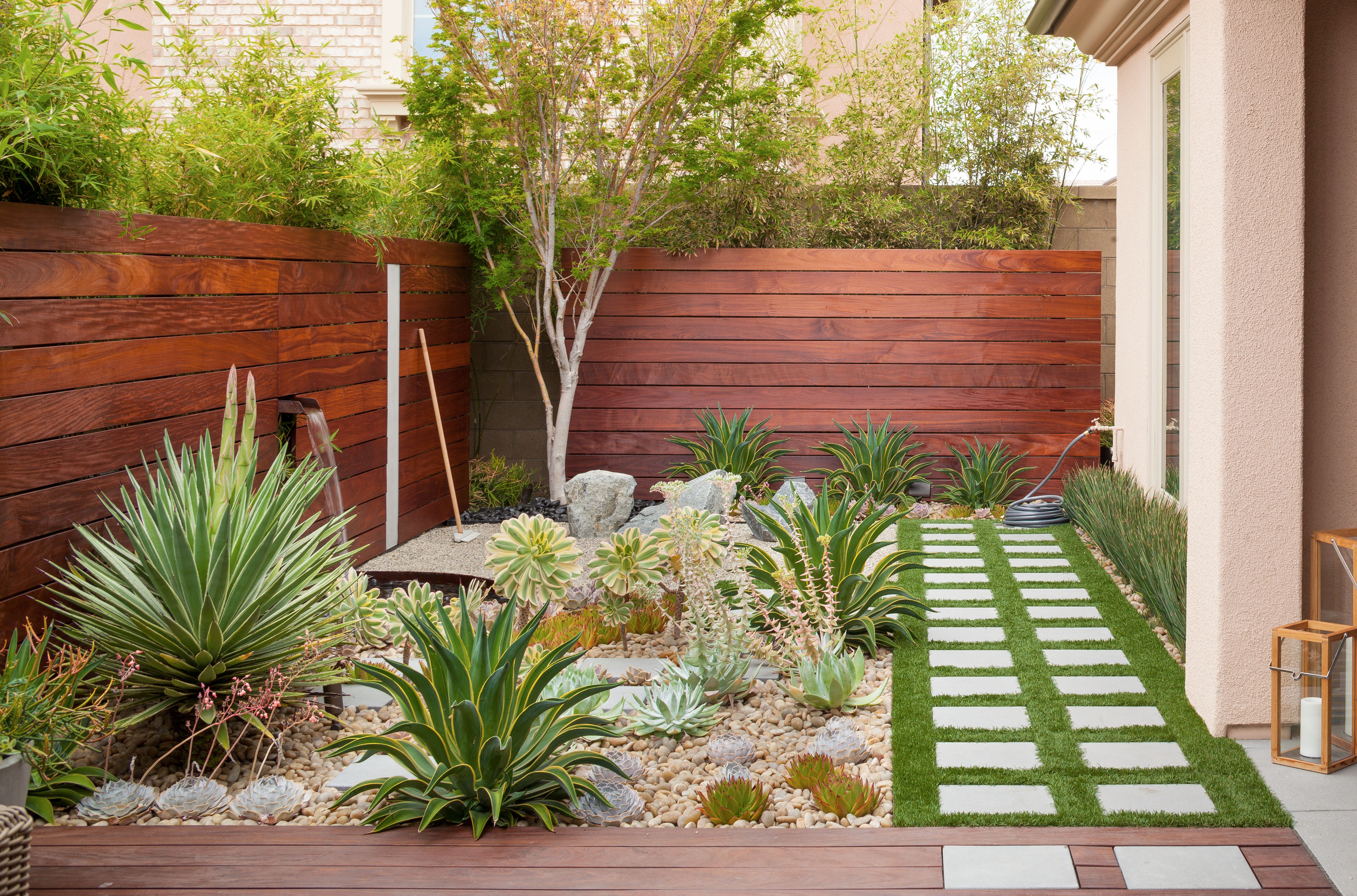
Artificial turf is having a moment. You see it in backyards, dog runs, rooftop patios, school athletic fields, playgrounds, putting greens, poolside lounges, and those tiny urban side yards where real grass once went to lie down and dramatically give up. For many homeowners, fake grass promises the dream: a green lawn without mowing, muddy shoes, brown patches, sprinkler guilt, or the mysterious weekend chore known as “edging.”
But as artificial turf becomes more popular, experts are asking a bigger question: is this plastic lawn miracle really the smartest choice for every yard? The answer is not a simple yes or no. Synthetic grass can save water, reduce routine lawn maintenance, and create a clean, usable surface in places where natural grass struggles. At the same time, it can get extremely hot, affect drainage, shed microplastics, require cleaning, and create disposal headaches at the end of its life.
In other words, artificial grass is not the villain in a landscaping cape, but it is not a perfect green superhero either. Before rolling out a carpet of synthetic blades, homeowners should understand the real pros, cons, costs, and best-use cases.
Why Artificial Turf Is Trending
The rise of artificial turf makes sense, especially in drought-prone regions and busy households. In many parts of the United States, water restrictions, higher utility bills, and hotter summers have made traditional lawns harder to justify. A lawn that needs constant watering can feel less like a charming landscape feature and more like a thirsty roommate who never pays rent.
Artificial turf appeals to people who want a lawn-like look without the weekly maintenance routine. It does not need mowing, fertilizing, reseeding, or regular irrigation. For families with kids, pets, or small yards, it can create a neat, durable space that stays visually green even during dry weather. It is also popular in areas where shade, poor soil, heavy foot traffic, or drainage problems make natural grass patchy and frustrating.
Commercial properties, schools, and sports facilities like synthetic turf because it can handle repeated use. Natural grass fields often need rest, repair, and careful maintenance after heavy play. Artificial turf can offer more usable hours, which matters when a field has soccer at 4 p.m., lacrosse at 6 p.m., and a marching band trying to claim emotional custody of the space by sunset.
What Is Artificial Turf Made Of?
Modern artificial turf is usually a layered system. The visible “grass” blades are commonly made from synthetic plastics such as polyethylene, polypropylene, or nylon. Beneath the blades is backing material, drainage layers, a compacted base, and often an infill material that helps the blades stand upright and provides cushioning.
Infill can vary. Some systems use crumb rubber made from recycled tires. Others use sand, coated sand, cork, coconut fiber, walnut shells, olive pits, thermoplastic materials, or specialty cooling infills. The choice of infill matters because it can affect heat, odor, cushioning, drainage, maintenance, and environmental concerns.
For a home lawn, artificial grass is not just “green carpet.” A good installation involves excavation, grading, weed barriers, base rock, compaction, seams, edging, drainage planning, and infill. A bad installation can look nice for three weeks and then start collecting puddles, weeds, wrinkles, and regret.
The Biggest Pros of Artificial Turf
1. It Saves Water
Water savings are one of the strongest arguments for artificial turf. A natural lawn can require significant irrigation, especially during hot or dry seasons. Synthetic turf does not need watering to stay green, except for occasional rinsing to remove dust, pet waste, pollen, or spills.
This benefit is especially attractive in drought-affected states and communities where outdoor water use is limited. For homeowners who are replacing a thirsty lawn with a low-water landscape, artificial turf may be one piece of the puzzle. However, experts often point out that drought-tolerant plants, mulch, native groundcovers, rain gardens, and permeable hardscaping can also reduce water use while supporting soil health and wildlife.
2. It Reduces Routine Maintenance
Artificial grass does not need mowing, fertilizing, aerating, dethatching, or reseeding. That means fewer Saturday mornings spent pushing a mower around while questioning every life decision that led to homeownership.
It can also reduce the need for pesticides and herbicides, since synthetic turf is not a living plant system. For people with allergies to grass pollen, a synthetic surface may also reduce some lawn-related irritation, although dust, mold, pet dander, and outdoor debris can still collect on the surface.
That said, “low maintenance” does not mean “no maintenance.” Artificial turf still needs brushing, rinsing, debris removal, occasional infill redistribution, weed checks around edges, and sanitizing in pet areas. Think of it less like a plastic plant you ignore forever and more like an outdoor rug that wants boundaries.
3. It Looks Green Year-Round
One reason homeowners love artificial grass is consistency. It stays green through drought, winter dormancy, shade, and heavy use. A well-installed synthetic lawn can make a small yard look polished without the seasonal mood swings of real grass.
This is useful in high-visibility areas such as front yards, courtyards, balconies, rental properties, and commercial entrances. It can also help in awkward spaces where natural grass rarely thrives, such as narrow side yards or shaded areas under dense tree cover.
4. It Handles Heavy Foot Traffic
Artificial turf is often chosen for play spaces, pet runs, and athletic areas because it can tolerate repeated activity. Natural grass can turn muddy, compacted, or bare when it is constantly walked, played, or sprinted on. Synthetic turf offers a more predictable surface, especially when installed with the right base and drainage.
For dog owners, artificial turf can be a practical solution in small yards where pets quickly destroy natural grass. It can reduce mud tracked indoors and provide a cleaner-looking surface. However, pet turf needs proper drainage, odor-control infill, and frequent cleaning. Otherwise, your yard may become less “fresh green oasis” and more “science experiment with a fence.”
The Biggest Cons of Artificial Turf
1. It Can Get Very Hot
Heat is one of the most serious concerns with artificial turf. Synthetic grass can become much hotter than natural grass, especially in direct sun. Natural lawns cool the surrounding area through moisture and plant processes. Artificial turf, by contrast, absorbs and holds heat more like pavement or dark roofing material.
On hot days, synthetic turf can be uncomfortable or unsafe for bare feet, children, pets, and athletes. Some fields may need heat-related closures, watering for temporary cooling, shade structures, or alternative infill materials. Homeowners in hot climates should test surface temperature before letting kids or pets play on artificial grass during summer afternoons.
A simple rule: if you would not walk barefoot on a driveway at 2 p.m. in July, do not assume artificial turf is a fluffy green cloud. It may look like grass, but it can behave like a toaster mat.
2. It Does Not Support Soil Life Like Natural Grass
Natural turf is alive. Its roots help hold soil, filter runoff, slow erosion, and support microorganisms. A living lawn is not always the most eco-friendly landscape choice, but it still performs biological functions that plastic grass cannot.
Artificial turf usually requires soil compaction and a constructed base. This can reduce infiltration if drainage is not carefully designed. Rainwater may run off faster, carrying debris or pollutants with it. In areas prone to flooding or heavy storms, drainage planning is essential.
Artificial turf also does not feed pollinators, shelter insects, improve soil organic matter, or contribute to backyard biodiversity. If a yard is entirely synthetic grass, it may look tidy but offer little ecological value. Experts often recommend pairing turf with trees, shrubs, native plants, mulch beds, and permeable features to keep the landscape functional.
3. Chemical and Material Concerns Remain
Public-health researchers have studied synthetic turf because some systems contain crumb rubber infill, plastics, additives, heavy metals, volatile organic compounds, and chemicals such as PFAS. Federal agencies have investigated potential exposures from recycled tire crumb used on playing fields and playgrounds, while health and environmental organizations continue to call for caution, especially where children and athletes have frequent contact.
The science is still developing. Not every turf product has the same materials, and exposure levels vary by product, age, heat, use, and maintenance. However, experts generally agree that buyers should ask detailed questions about product composition, infill type, testing, safety data, and disposal before installation.
For residential yards, homeowners can reduce concern by avoiding crumb rubber, choosing PFAS-free products when available, requesting written material disclosures, and selecting infills with lower heat and lower dust potential. The key is not panic; it is paperwork. If a contractor cannot explain what is in the turf system, that is not a green flag. It is a green rectangle with questions.
4. It Can Shed Microplastics
Artificial turf is made largely from plastic materials. Over time, sunlight, friction, foot traffic, weather, and maintenance can break down fibers and infill. These tiny particles can migrate into surrounding soil, stormwater systems, indoor dust, and nearby waterways.
Microplastic pollution is a growing environmental concern. While artificial turf is not the only source, it can contribute to the problem, particularly in large installations such as athletic fields. Homeowners should consider edging, drainage controls, regular debris cleanup, and product durability to reduce particle spread.
5. End-of-Life Disposal Is Complicated
Artificial turf does not last forever. Residential products may last roughly 10 to 20 years depending on quality, installation, sunlight, drainage, traffic, and care. Athletic fields often have shorter replacement cycles because they receive intense use.
Disposal can be difficult because synthetic turf systems combine plastic fibers, backing, adhesives, infill, and sometimes contaminants from years of use. Recycling is possible in some cases, but it is not always simple, local, or affordable. Many old turf systems still end up in landfills.
Before buying, ask the installer what happens when the turf reaches the end of its life. A responsible answer should include removal costs, recycling options, landfill fees, and whether the manufacturer offers take-back programs.
Artificial Turf Cost: What Homeowners Should Expect
Artificial turf usually costs more upfront than planting seed or installing sod. Residential installation commonly depends on square footage, turf quality, pile height, blade density, base preparation, drainage work, labor, edging, pet features, and site access.
Many current U.S. cost guides place installed artificial grass in a broad range, often from several dollars per square foot for basic materials to much higher totals for professional installation. Full projects can run from a few thousand dollars for a small area to well over $10,000 for larger or more complex yards.
The long-term value depends on what you are replacing. If your natural lawn requires heavy irrigation, mowing services, fertilizers, repairs, and frequent reseeding, artificial turf may reduce ongoing expenses. But if you already have a small, low-water yard or a healthy native landscape, the payback may be less convincing.
Budget should also include maintenance tools, cleaning products, pet deodorizer, infill top-ups, seam repairs, and eventual replacement. The cheapest turf may not be the cheapest yard if it fades, mats, drains poorly, or needs early replacement.
Artificial Turf vs. Natural Grass: Which Is Better?
The better option depends on the purpose of the space. Artificial turf can be a smart choice for small, high-use areas where natural grass fails repeatedly. Examples include dog runs, shaded play zones, rooftop patios, poolside strips, narrow side yards, and sports practice spots.
Natural grass may be better where cooling, soil health, biodiversity, and stormwater absorption matter. A well-managed natural lawn can be part of a healthy landscape, especially when it is not overwatered, overfertilized, or treated like a golf course with emotional issues.
For many homes, the best answer is a hybrid design. Use artificial turf only where it solves a specific problem. Surround it with native plants, shade trees, permeable paths, mulch, rain gardens, or drought-tolerant groundcovers. This approach gives you a usable green area without turning the entire yard into a plastic prairie.
Expert Tips Before Installing Artificial Turf
Ask What the Turf Is Made Of
Request product specifications, safety data, infill details, and testing information. Ask whether the turf contains PFAS, recycled tire crumb, antimicrobial treatments, lead, or other additives. A reputable supplier should be able to answer clearly.
Plan for Heat
If your yard receives full sun, choose lighter-colored turf, cooling infill, shade structures, or a smaller installation area. Avoid installing artificial turf where pets or children will use it barefoot during peak heat.
Prioritize Drainage
Good drainage is non-negotiable. The base should be properly graded and compacted, and water should move away from foundations, patios, and low spots. Pet areas may need extra drainage layers and cleaning access.
Do Not Skip Maintenance
Brush the blades, remove leaves, rinse dust, clean spills quickly, and sanitize pet zones. Replenish infill when needed. Regular care keeps turf looking realistic and helps prevent odor, matting, and uneven wear.
Think About the Whole Yard
Artificial turf should not be the only landscape feature. Add trees, shrubs, planters, flower beds, and permeable surfaces to improve shade, habitat, and visual appeal. A yard should feel alive, not like a showroom floor for very polite robots.
When Artificial Turf Makes Sense
Artificial grass is most useful when it solves a clear problem. It can work well for households that need a mud-free pet area, a low-water patch of green, a safe play surface in a small yard, or a durable surface where real grass refuses to grow.
It may also make sense for vacation homes, rental properties, and commercial spaces where consistent appearance and reduced mowing are priorities. In these cases, the convenience can justify the upfront investment.
However, artificial turf is less ideal for large sunny lawns, wildlife-friendly gardens, stormwater-sensitive areas, and homeowners who want the coolest possible outdoor surface. It is also not the best choice for people expecting zero maintenance. Even plastic grass asks for attention. It just does not send passive-aggressive weeds as reminders.
Real-World Experiences: What Homeowners Often Learn After Installation
People who install artificial turf often start with excitement. The first few weeks can feel magical. The yard is green, the mower is silent, the dog is cleaner, and nobody is dragging muddy footprints through the kitchen like a tiny indoor swamp parade. For busy families, that instant improvement is real. A small backyard that once turned into dirt by August can suddenly become usable for morning coffee, kids’ games, and evening hangouts.
One common positive experience is how much easier outdoor routines become. Parents like that children can play after rain without sliding through mud. Pet owners appreciate fewer holes, fewer yellow patches, and less dirt tracked inside. People with shaded yards often feel relieved because they no longer have to reseed the same stubborn bald patch every spring while pretending this year will be different.
Another experience homeowners mention is the visual consistency. Artificial turf can make a property look tidy with very little daily effort. For front yards in dry climates, it can prevent the brown-lawn-versus-water-bill dilemma. For patios and rooftop spaces, it softens hard surfaces and creates a more comfortable lounge area. In small urban homes, a little synthetic green can make the outdoor space feel less like a storage alley and more like a place where humans might voluntarily sit.
But the honeymoon phase can come with surprises. Heat is often the first one. Homeowners may discover that turf that felt pleasant in spring becomes too hot in midsummer sun. Dogs may avoid it during peak afternoon hours, and children may need shoes. Some owners end up adding shade sails, umbrellas, pergolas, or trees after installation. That is not always a dealbreaker, but it is a planning lesson: artificial turf should be designed with climate, sun exposure, and daily use in mind.
Pet odor is another lesson. Artificial turf for dogs needs more than a garden hose and optimism. Urine can pass through the turf, but odors may remain if the base, infill, and drainage are not designed for pets. Many pet owners learn to rinse regularly, use enzyme cleaners, and choose infill made for odor control. The best pet-turf installations usually include excellent drainage from day one. Retrofitting odor control later is possible, but nobody enjoys discovering that their yard smells like a dog park wearing perfume.
Maintenance expectations also change. Homeowners who thought artificial grass meant “install it and forget it” quickly learn that leaves still fall, dust still settles, weeds can appear at edges, and high-traffic areas can flatten. Brushing the turf, clearing debris, and topping up infill help keep it looking realistic. This is not difficult work, but it is still work. The good news is that it is usually less demanding than mowing, watering, fertilizing, and repairing natural grass.
Some homeowners also become more aware of design balance after installation. A yard made entirely of synthetic grass can look clean but feel a little flat. The best results usually come when turf is combined with planting beds, boulders, pavers, containers, trees, or native shrubs. These elements add texture, shade, habitat, and seasonal interest. Artificial turf works better as one ingredient in the landscape recipe, not the whole casserole.
The most satisfied homeowners tend to be those who installed turf for a specific reason: a dog run, a play zone, a putting green, a narrow side yard, or a low-water patch near a patio. The least satisfied are often those who expected it to behave exactly like living grass, only without chores. Artificial turf is its own material. It can be practical, attractive, and durable, but it needs thoughtful placement, honest expectations, and a willingness to clean it now and then.
Conclusion: Is Artificial Turf Worth It?
Artificial turf is trending because it offers real benefits: water savings, less routine lawn care, year-round color, and durability in tough spaces. For the right yard, it can be a practical upgrade that saves time and creates a cleaner, more usable outdoor area.
Still, experts urge homeowners to look beyond the perfect green surface. Heat, drainage, chemical questions, microplastics, pet odor, maintenance, cost, and disposal all deserve careful thought. The smartest approach is not to ask, “Is artificial turf good or bad?” but rather, “Is artificial turf right for this specific space, climate, household, and budget?”
If you choose it, buy better materials, ask tough questions, plan for drainage and heat, and use it strategically. If you decide against it, consider native plants, drought-tolerant groundcovers, mulch beds, permeable patios, or a smaller natural lawn. Either way, the best modern yard is not the one that looks perfect from the curb. It is the one that works beautifully in real life.











