
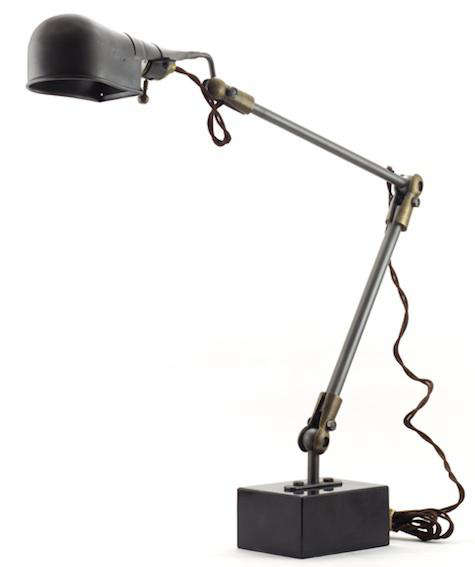
An articulating task lamp may look like a small desk accessory, but give it five minutes and it starts acting like the tiny personal assistant your workspace forgot to hire. It bends, pivots, reaches, tilts, and politely shines exactly where you need itunlike overhead lighting, which often behaves as if its only job is to cast a dramatic shadow over your notebook.
Whether you work from home, sketch at a drafting table, study late, repair tiny gadgets, read in bed, or simply want your desk to look less like a cave with Wi-Fi, an articulating task lamp is one of the most practical lighting upgrades you can make. It combines focused illumination, ergonomic flexibility, and design personality in one surprisingly hardworking object.
In this guide, we’ll explore what an articulating task lamp is, why it matters, how to choose one, where to place it, and what features separate a genuinely useful lamp from a shiny disappointment with a switch.
What Is an Articulating Task Lamp?
An articulating task lamp is a lamp with adjustable joints, arms, hinges, pivots, springs, or flexible sections that allow the user to direct light precisely. Instead of being stuck in one position like a decorative table lamp, it moves with the task. Reading? Aim it downward. Drawing? Pull it closer. Typing beside a monitor? Angle it away from glare. Searching for the tiny screw that escaped your eyeglasses? Bring the light down like an interrogation lamp for hardware.
The word “articulating” simply means the lamp has movable points of connection. These may include a swing arm, a balanced arm, a gooseneck, a rotating shade, a swivel head, or a clamp-mounted structure. The goal is not movement for movement’s sake. The goal is control.
Why Task Lighting Matters More Than You Think
General room lighting is useful, but it is rarely enough for focused work. A ceiling light spreads brightness across the room, while a task lamp concentrates light exactly where detail matters. That difference becomes obvious when you are reading small print, writing by hand, sewing, painting, studying, or comparing two almost-identical shades of beige and wondering why interior design is emotionally harder than expected.
Good task lighting can reduce shadows, improve visual clarity, and make a workstation feel more comfortable. It also gives users more control over their environment. Instead of flooding an entire room with light, you can brighten only the surface you are using. That is especially helpful at night, in shared spaces, or in home offices where one person is working while another person is trying to watch television in peace.
The Main Benefits of an Articulating Task Lamp
1. Directional Light Where You Need It
The biggest advantage is precision. A good articulating lamp lets you place light on a book, keyboard, sketchpad, cutting mat, or workbench without blasting your entire face like you are about to tell a ghost story.
2. Reduced Glare
Glare is one of the silent villains of desk comfort. It can bounce off glossy paper, laptop screens, tablets, framed photos, and polished desktops. With an adjustable task lamp, you can change the angle of the beam, lower the brightness, or move the shade so light lands beside the screen rather than directly on it.
3. Better Ergonomics
Lighting and posture are connected. When the light is poor, people often lean forward, twist their necks, squint, or hunch over the work surface. An articulating task lamp helps bring visibility to the task instead of forcing your body to chase the light. Your shoulders will not send you a thank-you card, but they may stop complaining so loudly.
4. Space Efficiency
Many articulating lamps are available with clamp bases, wall mounts, narrow desk bases, or low-profile arms. These designs are ideal for compact desks, dorm rooms, craft corners, nightstands, and small apartments. A clamp-on task lamp is especially useful when every square inch of desk space is already occupied by notebooks, chargers, coffee, and the mysterious pile of papers you swear you are about to organize.
5. Style That Works Hard
Articulating lamps are not only practical. They have a strong design identity. Classic balanced-arm lamps, industrial desk lamps, architect lamps, and modern LED task lights all communicate a sense of purpose. They say, “Important work happens here,” even if the important work is mostly answering emails and pretending not to open another snack.
Common Types of Articulating Task Lamps
Balanced-Arm Lamps
Balanced-arm lamps use springs, counterweights, or tension systems to hold the lamp in position after adjustment. The classic architect lamp falls into this category. These lamps are excellent for drafting, drawing, reading, and workshop use because they can reach across a surface and stay put.
Swing-Arm Lamps
Swing-arm lamps usually have hinged metal arms that move horizontally and vertically. They are popular for desks, bedside reading, and workbenches. Some have exposed springs; others use sleeker internal mechanisms.
Gooseneck Lamps
A gooseneck lamp has a flexible neck that bends into position. These lamps are simple, affordable, and easy to adjust. They are great for reading, studying, and small desks, though cheaper models may droop over time like they just received bad news.
Clamp-On Task Lamps
Clamp lamps attach to the edge of a desk, shelf, headboard, drafting table, or workbench. They save surface space and often provide excellent reach. The key is checking that the clamp is sturdy and compatible with the thickness of your furniture.
LED Articulating Lamps
Modern LED articulating lamps often include dimming controls, adjustable color temperature, touch panels, memory settings, USB ports, timers, or smart features. LEDs are popular because they use energy efficiently, produce directional light well, and can be designed into slim, lightweight heads.
How to Choose the Best Articulating Task Lamp
Consider Brightness in Lumens
Brightness is measured in lumens, not watts. Watts describe energy use, while lumens describe light output. For many desk tasks, a lamp in the range of roughly 450 to 1,000 lumens can be useful, depending on the size of the surface, the distance from the task, and the type of work. Detailed crafts, technical drawing, or aging eyes may require stronger illumination than casual reading.
Look at Color Temperature
Color temperature is measured in kelvins. Warm light, around 2700K to 3000K, feels cozy and relaxed. Neutral white, around 3500K to 4000K, is often comfortable for general desk work. Cooler light, around 5000K, can feel crisp and energizing, though some people find it too clinical for evening use. A lamp with adjustable color temperature offers the most flexibility.
Pay Attention to CRI
CRI, or Color Rendering Index, describes how accurately a light source shows colors. A CRI of 80 or higher is generally acceptable for everyday work, while artists, designers, makers, and anyone comparing fabrics, paint chips, or makeup shades may prefer a CRI closer to 90 or above.
Choose the Right Arm Length
A tiny lamp on a large desk is like bringing a teaspoon to shovel snow. Measure your workspace. If you use multiple monitors, large notebooks, drawing boards, or wide craft surfaces, choose a lamp with a longer reach and a head that can spread light evenly. For a small laptop desk, a compact foldable or clamp-mounted model may be better.
Check the Base
A heavy base offers stability, but it takes up desk space. A clamp base saves room, but it requires a suitable edge. A wall-mounted lamp clears the desktop completely, but installation is less flexible. Think about how often you rearrange your workspace. If your desk changes layout every two weeks because you are “optimizing productivity,” choose a lamp that can move with you.
Look for Smooth Adjustability
The best articulating task lamp should move easily and stay where you put it. Test or review the joints, hinges, springs, and knobs. A lamp that slowly sags is annoying. A lamp that requires two hands and a motivational speech to adjust is also not ideal.
Check Safety Certifications
Portable lamps involve electricity, heat, mechanical movement, and sometimes clamp pressure. Look for products tested by recognized safety organizations and buy from reputable retailers. Safety matters, especially for lamps used near paper, fabric, bedding, children, pets, or the chaos zone known as “my craft table.”
Best Places to Use an Articulating Task Lamp
Home Office
In a home office, an articulating desk lamp can improve visibility for reading documents, writing notes, and working beside a computer screen. Place the lamp so it lights the desk surface without shining into your eyes or reflecting on the monitor.
Study Desk
Students benefit from flexible task lighting because study sessions change constantly. One moment it is textbook reading, then laptop typing, then flashcards, then a dramatic stare into the distance. A dimmable lamp with adjustable color temperature can support different moods and tasks.
Craft Room or Studio
Artists, sewists, model builders, jewelry makers, and DIY fans often need strong, accurate light. A long articulating arm helps position brightness directly over the work without crowding the surface.
Bedside Reading Area
A wall-mounted or clamp-on articulating lamp works beautifully beside a bed. It can be angled toward a book and then moved away when not in use. It is also less likely to light up the entire room, which is helpful if someone nearby is sleeping and has not consented to your 1 a.m. mystery novel habit.
Kitchen Command Center
For recipe reading, bill sorting, meal planning, or homework at the counter, a compact adjustable lamp can make a small command center more usable. Just keep cords away from sinks, stovetops, and food prep areas.
How to Position an Articulating Task Lamp
Placement is everything. A right-handed person usually benefits from placing the lamp on the left side so the writing hand does not cast a shadow. A left-handed person typically does the opposite. For computer work, position the lamp so the beam lights documents or the keyboard but does not reflect on the screen.
The lamp head should usually sit above and slightly to the side of the task area. Avoid aiming it directly into your eyes. If the lamp has a shade, use it to shield the light source. If it has dimming, lower the brightness when working on screens and raise it for paper-based tasks.
Also consider the surrounding surfaces. Glossy white desks, glass tops, polished stone, and shiny monitor bezels can reflect light sharply. Matte surfaces are more forgiving. If your desk is reflective, adjust the beam angle or use a lower brightness setting.
Design Styles: From Industrial Classic to Modern Minimal
The articulating lamp has a surprisingly rich design history. Balanced-arm task lamps became famous because they solved a real problem: how to direct light precisely while keeping the lamp stable. Early spring-balanced designs influenced many later architect lamps, studio lamps, and office lighting icons. The result is a category that feels both technical and timeless.
Industrial articulating lamps often feature metal shades, visible springs, wing nuts, and clamp mounts. They look great in workshops, lofts, studios, and offices with wood, steel, brick, or leather accents. Modern LED versions tend to be slimmer, cleaner, and more discreet. They suit minimalist desks, contemporary apartments, and tech-heavy workstations.
There are also decorative versions in brass, matte black, brushed nickel, white powder coat, bronze, and colorful finishes. The right choice depends on whether you want the lamp to disappear into the workspace or announce itself like a tiny architectural sculpture.
LED vs. Bulb-Based Articulating Lamps
Many newer task lamps use integrated LEDs. These are efficient, slim, and often packed with features like dimming and color adjustment. However, when the LED module eventually fails, it may not be replaceable. Traditional bulb-based lamps allow you to replace the bulb, choose different brightness levels, and keep the fixture longer if the structure is well made.
If you choose a bulb-based articulating lamp, check the maximum wattage, socket type, shade size, and heat tolerance. LED bulbs are usually the best choice for desk use because they are efficient and produce less heat than older incandescent bulbs. If you choose an integrated LED model, look for a strong warranty, reputable brand, and clear specifications.
Features Worth Paying For
Not every feature is necessary, but some are genuinely helpful. Dimming is one of the most important because tasks vary. Adjustable color temperature is useful if the same lamp is used for morning focus and evening reading. A memory function is convenient if you always return to the same brightness setting. A USB port can be useful, though it should not be the main reason to buy a lamp. A timer or automatic shutoff is helpful for bedrooms and study spaces.
What should you avoid? Extremely flimsy joints, vague product specifications, weak clamps, overly bright exposed LEDs, and lamps with tiny bases that tip when the arm is extended. A task lamp should not perform a slow-motion face-plant every time you reach for a notebook.
Common Mistakes When Buying an Articulating Task Lamp
Buying for Looks Only
A beautiful lamp that cannot reach your work area is just a sculpture with electricity. Style matters, but function comes first.
Ignoring Desk Size
Large desks need wider light coverage and longer arms. Small desks need compact bases or clamps. Match the lamp to the surface.
Choosing the Wrong Brightness
Too dim and you will squint. Too bright and you will feel like you are working under a dental lamp. Dimming solves this problem nicely.
Forgetting About Glare
If you work on a computer, tablet, or glossy paper, glare control is essential. Choose a lamp with a movable head and shade.
Overlooking Build Quality
The arm is the whole point. If the hinges are weak, the lamp loses its superpower.
Care and Maintenance Tips
Dust the shade and arm regularly because dust can reduce light output and make even a stylish lamp look forgotten. Tighten loose screws or adjustment knobs when needed. Keep cords untangled and away from chair wheels. If the lamp uses a replaceable bulb, use the recommended bulb type and never exceed the fixture’s wattage rating. For clamp lamps, occasionally check that the clamp is secure, especially if the desk edge is thin or rounded.
If you use the lamp in a craft area, wipe it down more often. Paint mist, sawdust, fabric fibers, and glitter have a way of traveling. Glitter, in particular, follows its own laws of physics and may still be visible during the next presidential administration.
Real-Life Experience: Living With an Articulating Task Lamp
The first thing you notice after using an articulating task lamp is how much you were adapting yourself to bad lighting before. Without one, you may move the book closer, tilt your laptop, lean toward the desk, or turn on every ceiling light in the room. With one, the light moves instead. That feels small until you experience it every day.
On a writing desk, the difference is immediate. A lamp with a long adjustable arm can sit at the back corner and still reach over notebooks, keyboards, and planners. When writing by hand, placing the lamp opposite your dominant hand keeps shadows from falling across the page. It is a simple adjustment, but it makes handwriting feel smoother and less tiring. Suddenly, your grocery list looks less like it was drafted during an earthquake.
For computer work, the best experience comes from using the lamp as support lighting rather than a spotlight. Aim it toward papers, the keyboard, or the side of the desk. Keep it off the screen. A dimmable LED model is especially helpful because the ideal brightness changes throughout the day. In the morning, a brighter neutral setting can make the desk feel alert and crisp. At night, a warmer lower setting is easier on the mood and less likely to make the room feel like a convenience store at 2 a.m.
In a craft or hobby setup, an articulating lamp becomes almost addictive. If you are assembling models, threading needles, repairing electronics, painting miniatures, or cutting paper, the ability to pull the light close is incredibly useful. A magnifying lamp or high-CRI task lamp can be even better for detailed work. The arm lets you move illumination around the project instead of constantly rotating the project itself.
A bedside articulating lamp is another underrated upgrade. Unlike a fixed table lamp, it can be aimed directly at a book without lighting the whole room. Wall-mounted versions are especially nice for small bedrooms because they free up nightstand space. That means more room for books, water, glasses, phone chargers, and the decorative object you bought because it “had character” and now mainly collects dust.
The only real downside is that good articulating lamps make bad lamps hard to tolerate. Once you get used to adjusting height, reach, angle, and brightness, a fixed lamp can feel stubborn. You may start noticing lighting problems everywhere: restaurant menus under moody bulbs, hotel desks with lamps that illuminate only themselves, and office corners where paperwork goes to disappear.
After living with one, the best advice is this: buy for the way you actually work, not the fantasy version of your desk. If your desk is small, prioritize a clamp or compact base. If you work across a wide surface, choose reach. If you use screens all day, prioritize dimming and glare control. If you make art, care about CRI. If you read in bed, look for warm light and easy adjustment. The right articulating task lamp should feel like it belongs to your routine, not like another gadget asking for attention.
Conclusion: A Small Lamp With a Big Job
An articulating task lamp is one of those home and office upgrades that proves good design does not have to shout. It simply has to work. By giving you control over direction, brightness, reach, and angle, it improves visibility and comfort in a way fixed lighting often cannot.
The best articulating task lamp is not necessarily the most expensive or the most futuristic. It is the one that fits your desk, supports your tasks, reduces glare, stays stable, and looks good enough that you do not resent seeing it every day. Choose carefully, position it thoughtfully, and your workspace may feel brighter, calmer, and much more capable.
Note: This article is based on synthesized information from reputable lighting, ergonomics, product safety, design history, and home-office guidance sources, rewritten fully in original language for web publication.












