
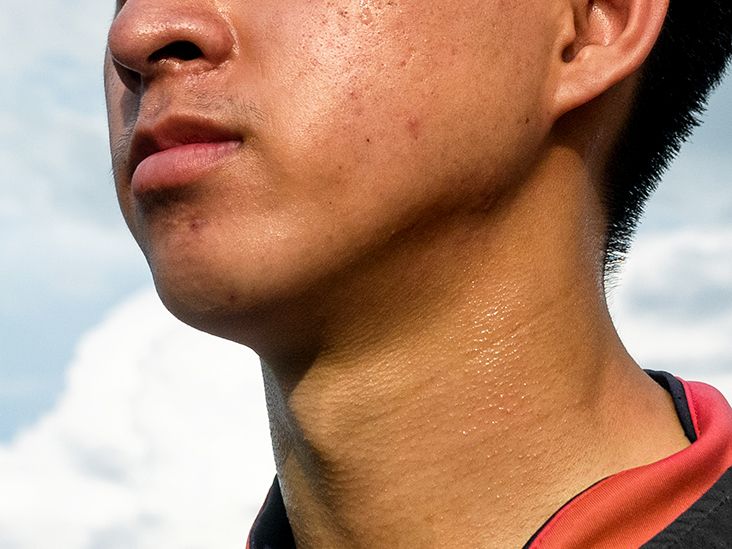
Acne is the tiny skin drama that somehow acts like it has a full production budget. One small clogged pore can turn into redness, swelling, soreness, and a confidence crisis right before a meeting, date, school photo, or any event where your face has been invited as the guest of honor.
For many people, acne is not simply “a few pimples.” It is a chronic inflammatory skin condition involving clogged pores, excess oil, bacteria, inflammation, hormones, genetics, and sometimes lifestyle triggers. That is why acne treatment often requires more than washing your face and whispering encouraging words into the mirror.
Antibiotics can be an important part of acne care, especially for inflammatory acne with red bumps, pustules, painful nodules, or widespread breakouts. However, they are not a magic wand, and they should not be used forever. Modern acne treatment focuses on using antibiotics wisely, pairing them with benzoyl peroxide or retinoids, and switching to long-term maintenance options once inflammation is controlled.
How Antibiotics Help Treat Acne
Acne develops when hair follicles become clogged with oil and dead skin cells. Inside those plugged pores, Cutibacterium acnes, often shortened to C. acnes, can contribute to inflammation. Antibiotics help by reducing acne-related bacteria and calming the inflammatory response that makes pimples red, swollen, and tender.
That second part matters. In acne, antibiotics are not used only because bacteria exist on the skin. Everyone has bacteria on the skin; congratulations, you are an ecosystem. The goal is to reduce the inflammatory chain reaction that turns a clogged pore into an angry red bump that looks like it has personal issues.
Dermatologists usually reserve antibiotics for inflammatory acne rather than simple blackheads or whiteheads. Comedonal acne, which includes clogged pores without much redness, often responds better to topical retinoids, salicylic acid, or benzoyl peroxide.
Topical Antibiotics for Acne
Topical antibiotics are applied directly to the skin. They are most often used for mild to moderate inflammatory acne and are commonly prescribed as gels, lotions, foams, or combination products.
Clindamycin
Clindamycin is one of the most commonly used topical antibiotics for acne. It helps reduce inflammatory lesions and is often found in prescription gels or lotions. It may be used once or twice daily, depending on the product and the dermatologist’s instructions.
The important rule: topical clindamycin should generally not be used by itself. When used alone, bacteria can become resistant more easily. That is why clindamycin is often combined with benzoyl peroxide, either as two separate products or in a single prescription formula.
Erythromycin
Topical erythromycin is another antibiotic option, though it is used less often today because resistance has become more common. Like clindamycin, it works best when combined with benzoyl peroxide rather than used solo like a skincare cowboy.
Dapsone
Dapsone gel is not a classic antibiotic in the same way clindamycin is, but it has antibacterial and anti-inflammatory properties and may be useful for certain acne patterns, especially inflammatory acne. Some patients tolerate it well when other products are too irritating.
Oral Antibiotics for Acne
Oral antibiotics are taken by mouth and are usually prescribed for moderate to severe inflammatory acne, acne on larger body areas such as the chest and back, or acne that has not improved enough with topical treatment alone.
Doxycycline
Doxycycline is one of the most commonly prescribed oral antibiotics for acne. It belongs to the tetracycline family and helps reduce inflammation and acne-related bacteria. Dermatologists often choose it because it is effective, widely available, and familiar.
Possible side effects include stomach upset, sun sensitivity, and irritation of the esophagus if taken without enough water. Many clinicians advise taking doxycycline with a full glass of water and avoiding lying down immediately afterward. Sunscreen also becomes less optional and more “please do not roast yourself.”
Minocycline
Minocycline is another tetracycline antibiotic used for inflammatory acne. It can be effective, but it may have side effects such as dizziness, headaches, pigmentation changes, or rare immune-related reactions. Because of this, many providers weigh the benefits and risks carefully before choosing it.
Sarecycline
Sarecycline is a newer tetracycline-class antibiotic designed with a narrower antibacterial spectrum than some older options. It is approved for inflammatory acne and may be considered when a clinician wants a targeted oral antibiotic option.
Macrolides: Erythromycin and Azithromycin
Macrolide antibiotics, such as erythromycin or azithromycin, may be used when tetracyclines are not appropriate. For example, tetracyclines are generally avoided during pregnancy and in young children. However, macrolides are not usually first-choice options for most acne patients because resistance can be an issue.
Why Antibiotics Should Not Be Used Alone
Using antibiotics alone for acne is like sending one person to clean an entire stadium after a championship game. Technically possible? Maybe. Efficient? Absolutely not.
Current acne care emphasizes combination therapy. Antibiotics should usually be paired with benzoyl peroxide, a topical retinoid, or both. Benzoyl peroxide helps kill acne-related bacteria without causing bacterial resistance, while retinoids help prevent clogged pores. Together, they attack acne from multiple angles: bacteria, inflammation, oil-clogged pores, and future breakouts.
This matters because antibiotic resistance is a real public health concern. When bacteria learn to survive antibiotics, those medications may become less useful over time. Acne treatment is not the only contributor to antibiotic resistance, but long-term or repeated antibiotic use can add to the problem.
How Long Should Acne Antibiotics Be Used?
Oral antibiotics are usually intended as short-term control, not a lifetime subscription. Many acne guidelines recommend limiting antibiotic courses when possible, commonly around three to four months, while transitioning to maintenance therapy with topical retinoids, benzoyl peroxide, azelaic acid, hormonal therapy, or other non-antibiotic options.
The exact duration depends on acne severity, response to treatment, side effects, and medical history. Some people improve quickly; others need adjustments. The goal is not to “stay on antibiotics until the end of time.” The goal is to calm inflammation, prevent scarring, and build a sustainable plan.
Other Acne Treatment Options Beyond Antibiotics
Antibiotics can help, but they are only one aisle in the acne-treatment supermarket. Many people need non-antibiotic options either instead of antibiotics or after antibiotics have done their job.
Benzoyl Peroxide
Benzoyl peroxide is one of the most useful over-the-counter and prescription acne ingredients. It reduces acne-related bacteria and inflammation and is often used with topical or oral antibiotics to reduce resistance risk.
It comes in cleansers, gels, creams, and washes. Lower strengths may work well with less irritation. One warning: benzoyl peroxide can bleach towels, pillowcases, and shirts. Your acne may improve, but your navy towel may begin a new life as tie-dye.
Topical Retinoids
Topical retinoids such as adapalene, tretinoin, and tazarotene help prevent clogged pores and improve cell turnover. They are especially useful for blackheads, whiteheads, and long-term acne prevention.
Retinoids can cause dryness, peeling, and irritation at first. Many people do better by starting slowly, using a pea-sized amount, applying moisturizer, and wearing sunscreen. Retinoids are marathon runners, not fireworks. They often take several weeks to show visible improvement.
Azelaic Acid
Azelaic acid can help with acne, redness, and post-acne dark marks. It is often useful for people with sensitive skin or those dealing with hyperpigmentation after breakouts. It may also be considered in certain pregnancy-safe routines, but pregnancy treatment should always be discussed with a healthcare professional.
Salicylic Acid
Salicylic acid is a beta hydroxy acid that helps exfoliate inside pores. It is common in over-the-counter cleansers, pads, and spot treatments. It may help mild acne, especially blackheads and oily skin, but it may not be strong enough for deeper inflammatory acne by itself.
Hormonal Therapy
For many women, acne is strongly influenced by hormones. Breakouts along the jawline, chin, and lower face may suggest a hormonal pattern, though acne does not always follow neat little textbook rules.
Combined oral contraceptives may help some patients by reducing androgen-related oil production. Spironolactone, a medication that blocks androgen effects, is another common option for hormonal acne. These treatments are not antibiotics and may be useful for long-term management when appropriate.
Isotretinoin
Isotretinoin is a powerful oral retinoid used for severe acne, scarring acne, acne causing major emotional distress, or acne that has not responded to standard treatments. It can produce long-lasting improvement, but it requires careful monitoring.
Because isotretinoin can cause severe birth defects if taken during pregnancy, patients who can become pregnant must follow strict safety requirements through the iPLEDGE REMS program in the United States. This is not a casual “try it and see” medication. It is highly effective, but it comes with rules, lab monitoring, and serious pregnancy-prevention requirements.
Choosing the Right Antibiotic Acne Treatment
The best acne antibiotic depends on several factors: acne severity, age, pregnancy status, allergies, medication interactions, skin sensitivity, previous antibiotic use, and whether the acne is mostly on the face, chest, back, or shoulders.
For mild inflammatory acne, a dermatologist may prescribe topical clindamycin with benzoyl peroxide and a retinoid. For moderate inflammatory acne, oral doxycycline plus a topical retinoid and benzoyl peroxide may be used. For severe nodular acne or acne that scars, isotretinoin may be discussed sooner rather than after years of antibiotic detours.
Patients should also tell their clinician about all medications, supplements, pregnancy plans, digestive issues, and past side effects. Acne treatment is personal. Your friend’s miracle pill may be your stomach’s villain origin story.
Common Side Effects of Acne Antibiotics
Topical antibiotics may cause dryness, burning, peeling, redness, or irritation. Rarely, topical clindamycin can be associated with serious digestive symptoms, so unusual diarrhea or abdominal pain should be reported promptly.
Oral antibiotics may cause nausea, diarrhea, yeast infections, sun sensitivity, dizziness, or allergic reactions. Tetracyclines are generally not used during pregnancy and are avoided in young children because of concerns involving teeth and bone development.
Any severe rash, swelling, breathing difficulty, intense headache, vision changes, severe abdominal pain, or persistent diarrhea should be treated as a reason to contact a healthcare professional quickly.
Practical Tips for Better Results
Acne medications work best when used consistently. Spot-treating every pimple like it is a separate emergency usually does not prevent the next breakout. Many treatments should be applied to acne-prone areas, not just individual pimples.
- Use a gentle cleanser instead of harsh scrubs.
- Apply acne medication as directed, not as emotionally inspired.
- Use noncomedogenic moisturizer to reduce dryness.
- Wear sunscreen, especially when using retinoids or doxycycline.
- Avoid picking, squeezing, or performing “bathroom surgery.”
- Give treatments at least 8 to 12 weeks unless irritation is severe.
- Follow up with a dermatologist if acne is painful, scarring, or persistent.
Experience-Based Insights: What Acne Antibiotic Treatment Often Feels Like in Real Life
In real life, acne treatment rarely feels as tidy as a before-and-after photo. Many people begin antibiotics after trying a parade of cleansers, spot treatments, pimple patches, clay masks, and possibly one product recommended by a stranger on the internet with suspiciously perfect lighting.
The first experience many patients have with topical antibiotics is surprise: the medication is not always used like a spot treatment. A dermatologist may recommend applying a thin layer over the acne-prone area, because the goal is prevention as much as rescue. That can feel strange at first. People are used to attacking the visible pimple, not treating the invisible one preparing backstage.
Dryness is another common lesson. A routine that looks simple on paper can feel intense on the face, especially when benzoyl peroxide and retinoids join the party. The skin may peel, sting, or look temporarily worse. This does not always mean the treatment is failing, but it may mean the routine needs adjusting. Many patients do better when they start slowly, moisturize generously, and avoid adding five extra “brightening” products because impatience grabbed the steering wheel.
Oral antibiotics bring a different experience. Some people notice less tenderness and fewer angry breakouts within several weeks. Others need a full two to three months before the difference is obvious. The waiting period can be frustrating. Acne has a way of making every day feel like a progress report, and the mirror is not always a fair judge.
One helpful mindset is to track patterns rather than obsess over individual pimples. Are breakouts becoming smaller? Are painful cysts less frequent? Are old marks fading because fewer new spots are replacing them? These signs can matter more than whether one dramatic pimple appeared after pizza night, finals week, or a stressful Tuesday with too many emails.
Another real-world issue is stopping treatment too early. When antibiotics improve acne, some people quit the whole routine immediately. Then acne returns, wearing sunglasses and acting like it owns the place. Maintenance therapy is crucial. A topical retinoid, benzoyl peroxide wash, azelaic acid, or hormonal treatment may help keep results stable after antibiotics are stopped.
Patients also learn that acne care is not a morality test. Breakouts are not proof of poor hygiene, laziness, or a tragic pillowcase personality. Many people with acne are already washing, moisturizing, reading labels, changing towels, and trying very hard. Acne can still happen because biology is complicated and occasionally rude.
The best experiences usually come from a realistic plan: use antibiotics for a defined purpose, combine them correctly, protect the skin barrier, check in with a clinician, and transition to non-antibiotic maintenance. It is less glamorous than a miracle cure, but it works better than chasing every viral routine that promises glass skin by Friday.
Conclusion
Antibiotics for acne can be extremely helpful when used for the right type of acne and for the right amount of time. Topical antibiotics such as clindamycin may help mild to moderate inflammatory acne, while oral antibiotics such as doxycycline, minocycline, or sarecycline may be used for moderate to severe cases.
Still, antibiotics are not meant to work alone or forever. The smartest acne plans usually combine antibiotics with benzoyl peroxide and retinoids, then shift toward maintenance treatments that control acne without unnecessary antibiotic exposure. For hormonal acne, options such as combined oral contraceptives or spironolactone may help. For severe, scarring, or stubborn acne, isotretinoin may be the most effective option under careful medical supervision.
The bottom line: acne antibiotics can calm the storm, but long-term clear skin usually needs a full weather systemconsistent skincare, non-antibiotic maintenance, patience, and guidance from a qualified healthcare professional.
Note: This article is for educational purposes only and does not replace diagnosis or treatment from a licensed dermatologist or healthcare professional.











