
Animal spirits are what happen when investors, consumers, business owners, homebuyers, and occasionally overcaffeinated market commentators decide the future looks either thrilling or terrifying. The phrase comes from John Maynard Keynes, who used it to describe the instincts, confidence, fear, and stories that push people to act when math alone does not provide a clean answer.
And wow, did 2023 arrive with a messy spreadsheet.
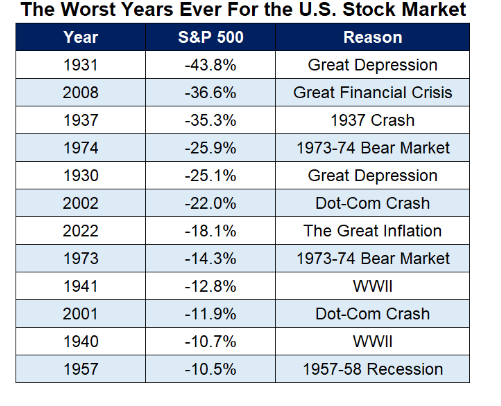
After a brutal 2022, stocks were bruised, bonds were humbled, inflation was still annoying everyone at the grocery store, mortgage rates had turned home shopping into a financial obstacle course, and recession predictions were multiplying like rabbits in a low-interest-rate environment. The mood was cautious, gloomy, and in some corners, downright dramatic. If markets had a group chat in January 2023, it probably would have been named “Is This Fine?” with a burning-house emoji.
Yet the point of studying animal spirits is not to predict the future perfectly. It is to understand why expectations matter. The 2023 economy was shaped not only by hard datainterest rates, inflation, employment, earnings, housing supplybut also by confidence, fear, narratives, and the surprising resilience of American consumers.
Below are 10 thoughtful predictions for 2023, written with the benefit of real market context, behavioral finance, and a healthy respect for how often the crowd gets the big picture almost right and the timing hilariously wrong.
What “Animal Spirits” Mean in Markets
In finance and economics, animal spirits refer to the emotional engine behind decisions. People do not buy homes, start companies, sell stocks, switch jobs, or hold cash under the mattress based only on equations. They act because they feel confident, afraid, impatient, optimistic, exhausted, or convinced that “this time is different,” which is usually the most dangerous sentence in investing.
In 2023, animal spirits mattered because the year began with a tug-of-war between pessimism and possibility. Inflation had cooled from its peak but remained high. The Federal Reserve was still tightening monetary policy. Investors were worried that higher rates would crush earnings. The housing market was frozen by affordability problems. Crypto was trying to recover from reputational damage. Technology stocks were searching for a new story after layoffs and valuation resets.
Then came the twist: the economy refused to follow the most popular gloomy script. Growth held up better than many expected, unemployment stayed low, inflation improved, and the stock market staged a powerful rebound led by mega-cap technology and artificial intelligence excitement. In other words, animal spirits went from “hide under the desk” to “maybe we are not doomed after all.”
Animal Spirits: 10 Predictions For 2023
1. The Recession Everyone Expected Would Be Delayedor Avoided
At the start of 2023, recession was the most fashionable forecast on Wall Street. Economists pointed to aggressive Federal Reserve rate hikes, weaker housing activity, falling consumer confidence, and an inverted yield curve. Those were not silly concerns. They were serious warning signs.
But the prediction here was that recession risk would remain high while the actual downturn would be harder to pin down. Why? Because the U.S. labor market entered the year with surprising strength, household balance sheets were not uniformly broken, and many companies had locked in cheap financing before rates rose. The economy had buffers.
The lesson: recessions are not press releases. They are complex contractions involving jobs, income, credit, spending, and confidence. In 2023, the recession narrative was powerful, but the economy kept walking forward like someone pretending not to hear bad news.
2. Inflation Would Keep Cooling, But Not in a Straight Line
Inflation was the villain of 2022, and by early 2023, everyone wanted it gone. Unfortunately, inflation is not a light switch. It behaves more like glitter: once it spreads through the system, it shows up in places you did not expect.
The prediction was that inflation would continue to decline from its peak, helped by improving supply chains, lower energy pressure, and slower goods inflation. But services inflation, shelter costs, insurance, and wages would keep the process bumpy. Consumers would feel some relief, but nobody would throw a parade because eggs got less terrifying.
That is exactly the kind of environment where animal spirits become complicated. Falling inflation can boost confidence, but prices that remain permanently higher than pre-pandemic levels still irritate households. People do not celebrate a slower rate of price increases when their grocery bill still looks like it went to graduate school.
3. The Federal Reserve Would Stay Tough Longer Than Investors Wanted
Markets love rate cuts the way dogs love the sound of a snack bag opening. After the pain of 2022, investors entered 2023 hoping the Federal Reserve would pivot quickly. But central banks do not want to declare victory over inflation too early, especially after inflation has already embarrassed their forecasts.
The prediction was that the Fed would remain cautious and keep interest rates higher for longer than the most optimistic investors hoped. Even if inflation improved, policymakers would want proof that price pressures were moving sustainably toward target levels.
This mattered for stocks, bonds, housing, and business investment. Higher rates raise the cost of capital, reduce the present value of future earnings, and make cash and Treasury bills look less boring. For the first time in years, savers could earn meaningful interest without buying a speculative asset with a mascot.
4. Stocks Could Surprise to the Upside Despite Bad Headlines
After a painful bear market, many investors expected more trouble. But one of the oldest tricks in markets is that prices often bottom before the news improves. By the time everyone agrees things are awful, markets may already be looking ahead.
The prediction was that U.S. stocks could perform better than the consensus expected, especially if inflation cooled, earnings held up reasonably well, and investors began pricing in a future beyond the rate-hike cycle. That did not mean a smooth ride. It meant the market had room for positive surprise.
In 2023, the strongest returns came from large technology companies, especially those connected to artificial intelligence, cloud computing, digital advertising, semiconductors, and platform economics. The rally was not evenly distributed, which made the year feel strange: indexes looked fantastic while many individual stocks and smaller companies lagged.
5. Bonds Would Become Interesting Again
For much of the 2010s and early 2020s, bonds were treated like financial broccoli: technically good for you, but not exciting. Then rates rose sharply, bond prices fell, and suddenly fixed income had yield again.
The prediction for 2023 was that bonds would regain investor attention. Cash, Treasury bills, money market funds, investment-grade bonds, and municipal bonds would all look more attractive after years of near-zero rates. Investors who had forgotten that fixed income could actually produce income received a reminder.
The challenge was duration risk. If rates stayed high or moved higher, long-term bonds could remain volatile. But for diversified investors, 2023 marked a shift: bonds were no longer just portfolio decoration. They were back in the conversation, wearing a clean suit and asking for respect.
6. Housing Would Stay Frozen by Affordability
The housing market entered 2023 with a strange problem. Many homeowners had ultra-low mortgage rates from the pandemic era and little desire to sell. Buyers, meanwhile, faced much higher borrowing costs and still-elevated home prices. That created a market where both sides stared at each other awkwardly.
The prediction was that housing activity would remain weak, not necessarily because prices would crash everywhere, but because affordability was severely strained. Higher mortgage rates reduced purchasing power, while low inventory prevented a broad collapse in prices. It was less like a traditional housing bust and more like a traffic jam where nobody wanted to move first.
This had big implications for the broader economy. Housing affects construction, furniture, appliances, lending, local taxes, and consumer psychology. When people feel locked into homes or priced out of buying, animal spirits get a little grumpy.
7. The Consumer Would Slow Down, But Not Disappear
One of the biggest questions for 2023 was whether American consumers would finally run out of steam. Pandemic savings were shrinking, credit card balances were rising, and inflation had eaten into purchasing power. Still, employment remained strong, wages were rising, and many households kept spending on travel, restaurants, entertainment, and services.
The prediction was that consumer spending would cool but remain more resilient than expected. People might cut back on big-ticket purchases, trade down at stores, or complain loudly about pricesan American traditionbut they would not vanish from the economy.
This resilience mattered because consumer spending is a major driver of U.S. growth. The great surprise of 2023 was not that consumers felt pressure. They did. The surprise was that pressure did not automatically turn into collapse.
8. Crypto Would Recover Some Price Momentum, But Trust Would Take Longer
Crypto entered 2023 after a brutal trust recession. The collapse of major industry players in 2022 damaged confidence, and investors became more skeptical of promises involving “decentralized,” “guaranteed,” and “trust me, bro” in the same paragraph.
The prediction was that crypto assets, especially Bitcoin, could rebound from deeply negative sentiment, but the industry’s reputation would take longer to heal. Prices can move quickly. Trust rebuilds slowly, one transparent balance sheet at a time.
This is a classic animal spirits story. When confidence is high, investors focus on upside. When confidence breaks, they focus on counterparty risk, custody, regulation, and whether anyone involved knows what accounting is. Crypto in 2023 was less about wild evangelism and more about survival, regulation, and institutional credibility.
9. Artificial Intelligence Would Become the New Market Story
Every market cycle needs a story. In 2023, artificial intelligence became that story. After the public explosion of generative AI tools, investors began rethinking the future of software, chips, cloud infrastructure, productivity, advertising, education, media, and corporate automation.
The prediction was that AI would become a dominant theme in markets and business strategy. Some of the excitement would be justified, especially for companies selling the infrastructure that powers AI. Some of it would also become overheated, because investors have never met a transformational technology they could not immediately overprice.
The key distinction was between AI as a real technological shift and AI as a stock market slogan. The first is important. The second can get expensive fast. In 2023, both were true at the same time, which is exactly why investing is fun and mildly hazardous.
10. Investor Psychology Would Improve Before Everyone Felt Better
The final prediction was that market psychology would turn before the average household felt fully optimistic. This happens often. Markets anticipate change, while lived experience reflects current conditions. Stocks may rally because inflation is improving, even while families still feel squeezed by rent, insurance, food, and borrowing costs.
That gap can feel confusing. Investors may talk about recovery while consumers ask, “Recovery for whom?” This disconnect was central to 2023. Financial markets regained confidence faster than public mood repaired itself.
Animal spirits are not evenly distributed. A technology investor watching AI stocks soar had a different 2023 than a first-time homebuyer facing 7% mortgage rates. A retiree earning more on cash felt differently from a small business owner refinancing debt. The economy is not one story. It is millions of stories happening at once.
Key Market Lessons From 2023
Forecasts Are Useful, But Humility Is Better
The biggest lesson from 2023 is that reasonable forecasts can still be wrong. Many smart analysts expected recession. Many investors expected stocks to struggle. Many consumers expected inflation to remain painfully high. Some of those worries were logical, yet the final outcome was more resilient than expected.
That does not mean forecasts are useless. It means forecasts should be treated as scenarios, not destiny. A good investor asks, “What if I am wrong?” A bad investor says, “I am definitely right,” usually seconds before the market sends a tuition invoice.
Narratives Move Faster Than Fundamentals
The story of 2023 shifted quickly from inflation panic to soft-landing hope to AI enthusiasm. Fundamentals changed too, but narratives moved faster. Investors constantly reprice the future based on new information, and sometimes based on vibes wearing a lab coat.
This is why market sentiment can swing so dramatically. When investors believe the Fed is nearly done hiking, stocks can rally. When they believe earnings will recover, valuations can expand. When they believe AI will reshape productivity, capital floods into perceived winners.
Diversification Still Matters
In a year dominated by mega-cap technology, diversification could feel frustrating. But that does not make it obsolete. Concentrated winners are easy to admire after the fact and hard to identify beforehand. A diversified portfolio accepts that the future is uncertain and refuses to bet the entire picnic on one sandwich.
2023 rewarded investors who stayed invested after 2022’s pain. It also reminded everyone that leadership changes. Today’s obvious winner can become tomorrow’s crowded trade. The goal is not to own everything equally with no thought. The goal is to avoid needing perfect foresight to survive.
Experiences Related to Animal Spirits and 2023 Predictions
One of the most relatable experiences from 2023 was the feeling of emotional whiplash. At the beginning of the year, many investors were still mentally stuck in 2022. They had watched stocks and bonds fall together, which felt like seeing both your umbrella and your raincoat fail during the same storm. The natural response was caution. People held more cash, delayed investments, questioned retirement plans, and wondered whether the old rules still worked.
Then markets began to recover, but not in a way that felt comfortable. The rally was narrow at first, led by a handful of enormous technology companies. That created a strange experience for everyday investors: the headlines said the market was doing well, but many portfolios did not feel spectacular unless they were heavily exposed to the biggest winners. This is where animal spirits become personal. People do not experience “the market.” They experience their own account balance.
Homebuyers had an entirely different emotional year. For them, 2023 was not about AI enthusiasm or index returns. It was about monthly payments. A house that looked affordable at a 3% mortgage rate looked like a luxury yacht with plumbing at a much higher rate. Many buyers paused, rented longer, moved farther away, or lowered expectations. Sellers with low mortgage rates often stayed put, creating limited inventory. The result felt like a standoff: buyers wanted lower prices, sellers wanted yesterday’s prices, and mortgage rates sat in the middle eating popcorn.
Workers also lived through mixed signals. On one hand, layoffs in technology and finance received major attention. On the other hand, the broader labor market remained firm, and many service industries continued hiring. This produced another animal spirits split. A software engineer reading layoff headlines felt one economy. A restaurant manager struggling to hire staff felt another. A recent graduate entering the job market felt uncertainty. A worker earning higher wages felt relief. The national economy looked resilient, but personal confidence depended heavily on industry, location, debt, and career stage.
Small business owners faced their own version of 2023’s tension. Demand did not disappear, but financing became more expensive. Inventory costs, wages, rent, and insurance remained challenging. Many owners had to decide whether to expand, wait, raise prices, or protect cash. Animal spirits in small business are especially important because confidence drives hiring and investment. A business owner who feels hopeful buys equipment. A business owner who feels nervous delays everything except coffee.
For investors, the most useful experience of 2023 may have been learning how uncomfortable recoveries can feel. Markets rarely ring a bell and announce, “Good news, the bottom is in.” More often, they climb while people are still arguing about recession, inflation, earnings, and policy. By the time the outlook feels obvious, much of the move may already have happened.
That is why animal spirits are so valuable to understand. They remind us that finance is not just numbers on a screen. It is people making decisions under uncertainty. It is fear after losses, greed after gains, patience during boring periods, and humility after being surprised. The year 2023 showed that sentiment can be deeply negative even when the foundation is stronger than expected. It also showed that optimism can return quickly when inflation improves, employment holds, and a new growth story captures attention.
The practical takeaway is simple: do not let the crowd’s mood become your entire strategy. Listen to data, respect risk, diversify intelligently, and remember that emotional extremes are often more useful as signals than instructions. When everyone is certain the future is terrible, ask what could go right. When everyone is certain the future is effortless, ask what could go wrong. That small habit may not make you a market wizard, but it can keep you from becoming the person who panic-sells at the bottom and panic-buys at the topwhich, financially speaking, is the investing equivalent of locking your keys in the car while it is still running.
Conclusion
Animal Spirits: 10 Predictions For 2023 is ultimately a story about uncertainty, confidence, and the danger of assuming the future will follow the loudest narrative. The year began with recession fears, inflation anxiety, a damaged housing market, and cautious investors. It evolved into a year of resilience, falling inflation, stronger-than-expected growth, renewed stock market optimism, and a powerful AI-driven technology rally.
The most important prediction was not that every number would land perfectly. It was that psychology would matter. Investors who understood animal spirits could see why fear was high, why expectations were low, and why even modest good news had the potential to change market behavior. In 2023, the crowd learned again that markets are forward-looking, consumers are complicated, and confidence can recover before the headlines turn cheerful.
For readers, the enduring lesson is this: economic predictions are useful, but emotional discipline is priceless. Whether the next year brings a soft landing, a hard landing, or something that requires a new aviation metaphor, the best approach is to stay curious, stay diversified, and never underestimate the market-moving power of human behavior.
Note: This article is for educational and informational purposes only. It is not financial, investment, tax, or legal advice.












