
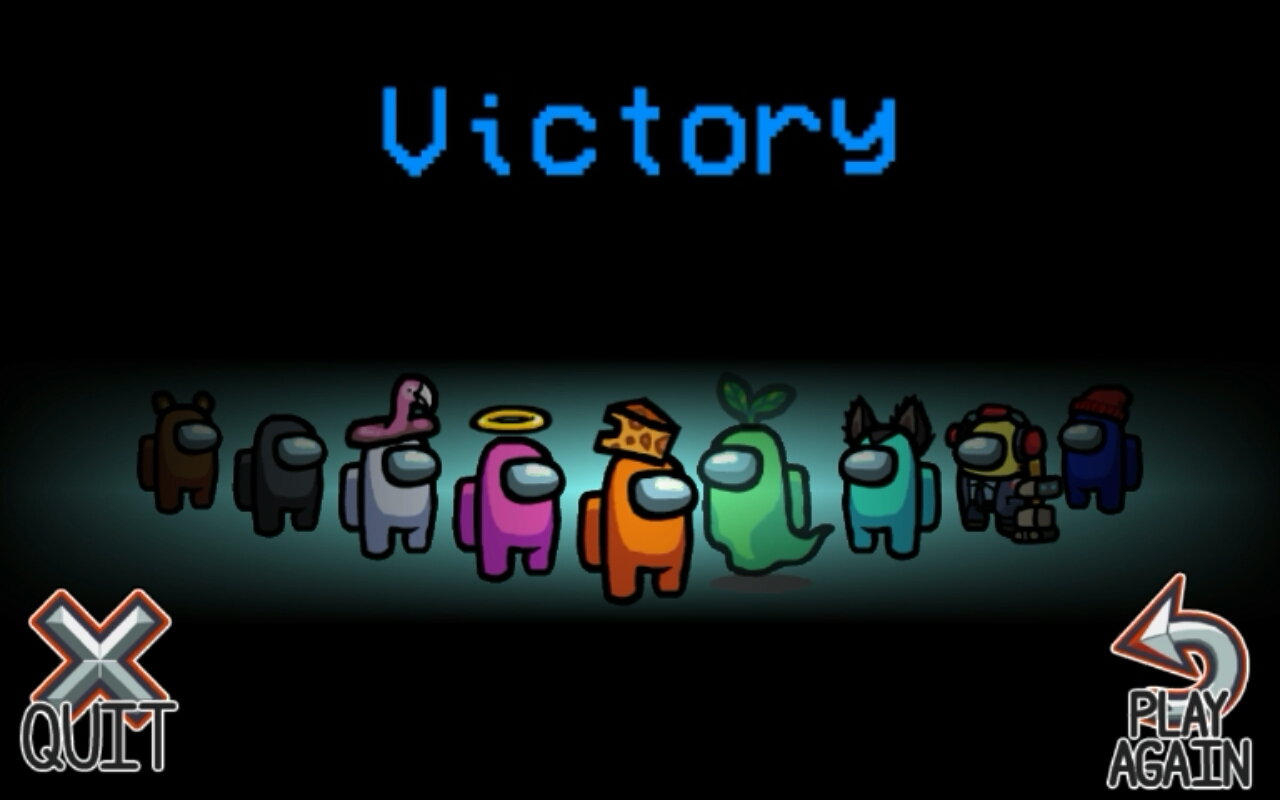
Some people walk into a group game radiating trust. They fix the problem, defend the innocent, and somehow never sound suspicious. Other people? They say, “I was doing tasks,” in a tone that practically deserves dramatic background music. If that second description made you laugh a little too hard, welcome aboard. This Among Us style quiz game is here to answer the question your friends have probably whispered at least once: Are you the Imposter?
Inspired by the social-deduction chaos that made Among Us a giant hit, this article breaks down why these quiz games are so addictive, how to build one that actually feels fun, and of course, how to figure out whether you are the sneaky mastermind, the lovable chaos agent, or the crewmate who somehow gets voted out first despite doing absolutely nothing wrong. It is unfair. It is tragic. It is also very funny.
What Makes an Among Us Style Quiz Game So Fun?
An Among Us style personality quiz works because it borrows the most entertaining parts of social deduction: suspicion, bluffing, observation, pattern-reading, and the occasional completely unearned confidence. People love these games because they are simple on the surface and deliciously messy underneath. One minute you are answering an innocent question like “How do you react under pressure?” and the next minute you are realizing your favorite strategy is suspiciously close to “lie calmly and smile.”
The appeal is bigger than just fandom. Quiz-style party content gives people a low-stakes way to explore how they act in competitive social situations. Are you logical? Emotional? Protective? Chaotic? Weirdly good at self-defense speeches despite having done nothing? That tension between what we think we are and what our answers reveal is exactly why these quiz games spread so easily across blogs, friend groups, classrooms, Discord servers, and game-night chats.
It also helps that the format is easy to understand. You do not need a twenty-minute tutorial, a special controller, or a PhD in deception. You just need curiosity, a sense of humor, and the emotional resilience to accept that your result might come back as “Certified Sus.”
How This “Are You the Imposter?” Quiz Works
Below is a fun, blog-friendly version of an Among Us inspired quiz game. It is designed like a light personality test, not a scientific examination of your soul. So relax. This is entertainment, not a courtroom drama.
For each question, choose the answer that feels most like you. Keep track of your letters:
- A = Calm, helpful, logical
- B = Sneaky, strategic, controlled
- C = Emotional, impulsive, unpredictable
- D = Funny, chaotic, distractingly extra
At the end, count which letter you picked most often and match it to your result. Yes, this means you can try to game the quiz. And yes, trying to game the quiz is itself kind of an Imposter move.
The Quiz: Are You the Imposter?
1. You walk into a room and people suddenly stop talking. What do you do?
- Ask what happened and genuinely want to help.
- Act casual and gather information before saying anything.
- Assume it is about you and get defensive immediately.
- Say, “Wow, okay, love the energy in here,” and create even more tension.
2. A task needs to be done. Your natural instinct is to…
- Finish it quickly and move on.
- Pretend to help while watching everyone else.
- Start it, get distracted, and come back later.
- Narrate the entire process like you are in a documentary.
3. Someone accuses you with zero evidence. Your response?
- Explain where you were, clearly and calmly.
- Flip the pressure back on them with suspiciously polished logic.
- Get offended because the disrespect is unbelievable.
- Laugh so hard that people become even more suspicious.
4. In a group project, what role do you usually become?
- The reliable one who keeps things moving.
- The planner who knows more than they admit.
- The passionate wildcard with brilliant ideas and chaotic timing.
- The morale booster who may or may not also be the distraction.
5. What is your secret social superpower?
- Reading the room.
- Controlling the narrative.
- Sensing bad vibes instantly.
- Making people laugh when things get tense.
6. You notice something suspicious. What happens next?
- You remember every detail.
- You keep quiet until the best moment to use it appears.
- You blurt it out before organizing your thoughts.
- You turn it into a dramatic story with sound effects.
7. How do you feel about lying in games?
- I am terrible at it, and my face gives me away.
- I can do it well if there is a strategy behind it.
- I say I hate it, but pressure changes people.
- I mostly lie for the joke and then immediately ruin my own plan by laughing.
8. When tension gets high, you usually become…
- More focused.
- More dangerous.
- More dramatic.
- More entertaining.
9. What kind of energy do your friends say you bring?
- Trustworthy and steady.
- Mysterious and calculating.
- Messy but sincere.
- Absolute mayhem, but fun mayhem.
10. Be honest: if you were the Imposter, how well would you do?
- Terribly. I would confess by accident.
- Very well. I would already have an alibi prepared.
- Medium. I would survive until I got emotional.
- I would either win brilliantly or self-destruct in five seconds.
Your Results
Mostly A: The Gold-Star Crewmate
You are the person everyone wants on their side. You are observant, practical, and less interested in chaos than in actually solving the problem. In an Among Us style quiz game, this is the classic “trustworthy teammate” result. You like fairness, details, and clean logic. Unfortunately, your biggest weakness is that people often trust you so much that you become the perfect target for manipulation.
Your strengths are consistency, teamwork, and credibility. Your challenge is not being too nice. Sometimes the sweetest person in the lobby gets eliminated because they never imagine anybody would confidently lie to their face. Bless your heart. Protect your clipboard.
Mostly B: The Smooth-Talking Imposter
Well, well, well. Look who “just happened” to be near the scene. If you scored mostly B, you have serious Imposter energy. Not necessarily evil energy. Just strategic, composed, suspiciously articulate energy. You think ahead, manage pressure well, and understand that social games are often won by timing more than volume.
You are probably good at storytelling, bluffing, and keeping your cool while everybody else is panicking. You do not always seek chaos, but when chaos appears, you are more than happy to direct it like a theater producer with a dark little vision board. Your biggest weakness? Overconfidence. The moment you start thinking you are untouchable, somebody notices one tiny inconsistency and suddenly your whole masterpiece collapses.
Mostly C: The Chaotic Innocent
You are probably not the Imposter, but you absolutely look like one. This result belongs to people who feel everything loudly, explain everything awkwardly, and react to stress in a way that accidentally screams, “I have something to hide,” even when they do not. You are passionate, intuitive, and deeply human. You are also the kind of player who can get voted out while telling the truth with complete sincerity.
Your strength is instinct. You often sense when something is off before anyone else does. Your weakness is delivery. When the pressure rises, your explanation somehow turns into a TED Talk, a weather alert, and a family argument all at once. Still, your unpredictability can work in your favor. Nobody can fully read you, including you.
Mostly D: The Chaos Goblin
You may not always be the Imposter, but you are always a problem. Lovingly. Your entire presence shifts the mood of a game. You joke, distract, improvise, spiral, recover, and somehow remain iconic throughout the entire process. In a blog-style Are You the Imposter quiz, this is the result for people who treat social deduction games like both a strategy contest and a live comedy event.
You make every round memorable, which is a gift. It is also why people vote for you even when you are innocent. Your biggest strength is unpredictability. Your biggest weakness is also unpredictability. You are the human version of a suspicious little wiggle animation.
Why “Are You the Imposter?” Content Works So Well Online
There is a reason this kind of post performs well. First, it has a built-in emotional hook. Readers are not just consuming information; they are comparing themselves to a role. Second, the title naturally invites curiosity. “Are You the Imposter?” is playful, dramatic, and instantly understandable even to people who only know the game through memes and group chats.
It also creates easy engagement. People love sending quiz results to friends, arguing about whether the result is accurate, and insisting that the one person who got “Gold-Star Crewmate” is absolutely lying. In other words, this topic is practically designed for comments, shares, and repeat visits.
From an SEO perspective, that is useful because it supports search intent from several angles at once. Some readers want an Among Us quiz. Some want a personality test. Some are looking for a party game idea. Others simply want funny fandom content. A strong article can serve all of those readers without sounding robotic or stuffed with keywords. The trick is simple: write for humans first, search engines second, and suspicious space beans always.
How to Make Your Own Among Us Style Quiz Game
If you are creating content for a blog, classroom activity, youth group, party site, or gaming community, a custom quiz can be surprisingly easy to build. Start with the emotional core: what are you really measuring? Honesty? Bluffing? Leadership? Panic response? Humor under pressure? Once you know the trait, the questions become much sharper.
Next, keep the tone consistent. If the article is funny, let the answers be funny. If the quiz is more thoughtful, build scenarios that feel specific and relatable. Good quiz questions are not random. They reveal behavior. “Pick a color” can be cute, but “Someone accuses you with confidence and no proof. What do you do?” tells you far more.
Finally, make the results rewarding. Nobody wants a bland result that says, “You are nice.” Give each ending a personality. Give it strengths, flaws, and a little flair. Readers should feel seen, amused, and slightly exposed. That is the sweet spot.
Best Situations to Use an Among Us Inspired Quiz
This format is incredibly flexible. It works as a blog feature, a social post series, a printable activity, a classroom icebreaker, a Discord event, or even a party warm-up before the real game begins. You can make it light and goofy, or use it as a clever way to talk about teamwork, trust, communication, and group dynamics.
It is especially effective for audiences that already enjoy multiplayer games, fandom humor, or interactive content. The more your readers like comparing notes with friends, the better this format performs. People do not just want the result. They want the debate after the result.
Player Experiences: What It Really Feels Like to Be “Sus”
One of the funniest things about an Among Us style quiz game is how often people recognize themselves immediately. The calm strategist reads the “Smooth-Talking Imposter” result and says, “Okay, rude, but accurate.” The chaotic friend gets “Chaos Goblin” and treats it like a Nobel Prize. The honest player gets “Gold-Star Crewmate” and somehow still looks nervous, which is exactly why they get accused in every real match.
That is what makes the experience so sticky. It does not feel like a dry checklist. It feels like a mirror with a sense of humor. Readers bring their own memories into it: the time they were innocent and got voted out in round one, the time they lied so badly their friends laughed before the meeting was even over, or the time they were absolutely certain they had caught the Imposter and were spectacularly wrong. These little memories turn a simple quiz into social storytelling.
There is also something oddly satisfying about seeing group dynamics reflected back in a playful way. In many friend groups, there is always one person who becomes a detective instantly. There is another who cannot lie to save their life. There is usually someone who becomes suspicious because they are too quiet, and someone else who becomes suspicious because they will not stop talking. A good quiz captures those familiar patterns and turns them into something shareable.
For younger players, casual gamers, or people who mostly know Among Us through pop culture, the quiz format can even feel more welcoming than the actual game. There is no pressure to win, no fear of embarrassing yourself in front of a lobby, and no frantic race to defend your innocence in ten seconds flat. You just answer questions, laugh at the result, and forward it to the friend who definitely got “Smooth-Talking Imposter” even though they will deny it passionately.
Another reason these experiences land so well is that they mix identity with performance. People do not just ask, “What result did I get?” They ask, “Is this really me?” That opens the door to joking self-reflection. Maybe you are not a villain; maybe you are just too composed under pressure. Maybe you are not chaotic; maybe you are creatively misunderstood. Maybe you are not suspicious; maybe your communication style simply has the energy of a person hiding in a vent. Life is nuanced.
And then there is the friendship factor. Quiz games like this are social glue. They give people an excuse to tease each other, compare notes, and relive favorite moments. In a world full of content that disappears the second you scroll past it, interactive posts that spark conversation have a special kind of staying power. They create mini-events around themselves. Someone takes the quiz, posts their result, tags a friend, and suddenly the whole group is debating who would actually survive a meeting.
In that sense, the real experience is bigger than the score. The magic is in the recognition, the laughter, the arguments, and the suspiciously defensive messages that begin with, “Okay, first of all…” A great Are You the Imposter quiz does more than assign a label. It gives people a fun way to see themselves, roast themselves, and connect with others over the glorious nonsense of social deduction culture.
Final Verdict
If you love games built on bluffing, trust, and just enough betrayal to keep everyone dramatically pointing fingers, an Among Us style quiz game is a perfect fit. It captures the spirit of the original experience without requiring a lobby, a timer, or that one friend who always says, “Guys, hear me out,” right before everything gets worse.
So, are you the Imposter? Maybe. Or maybe you are just a little too smooth, a little too funny, or a little too emotionally committed to proving your innocence. Either way, if your result comes back suspicious, do not panic. Just blame electrical and move on.












