
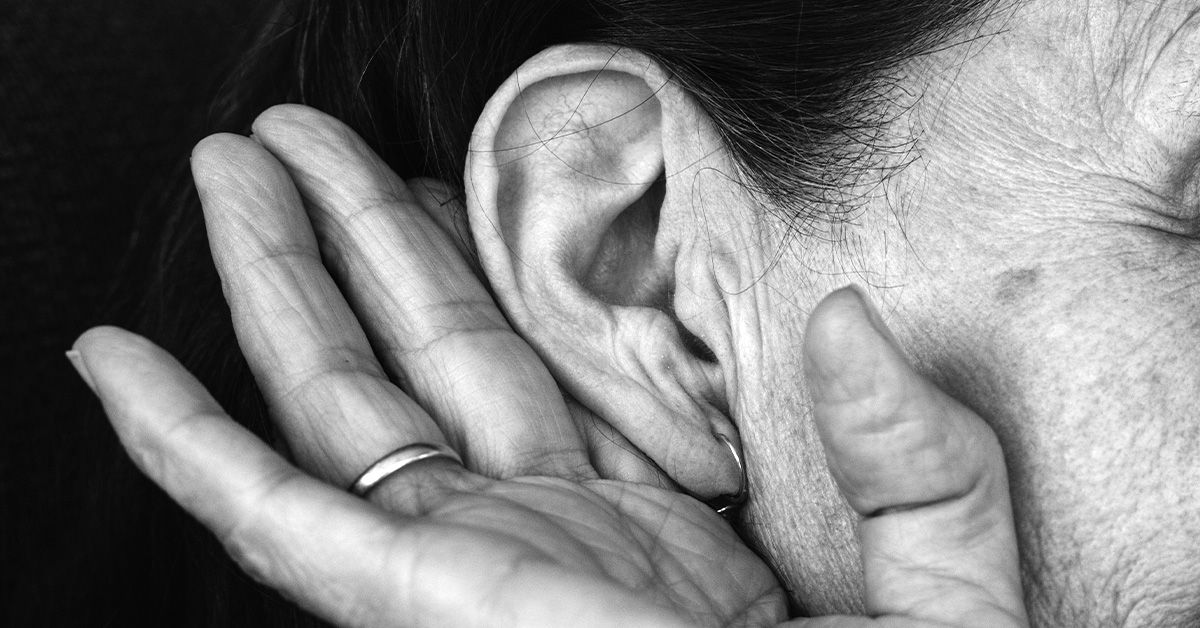
Imagine a future where a tiny device in your ear does more than play music, answer calls, or politely remind you that you have once again ignored your fitness goals. Researchers are exploring whether an in-ear “hearable” device could help detect early signs of Alzheimer’s disease by listening to subtle body signals, especially tiny vibrations linked to eye movements.
That may sound like science fiction wearing earbuds, but the idea is rooted in real neuroscience. Alzheimer’s disease can affect memory, thinking, movement, attention, mood, and even the way the eyes shift from one target to another. These rapid eye movements, called saccades, may become slower, less accurate, or more variable in people with Alzheimer’s disease or mild cognitive impairment. The new research question is simple but fascinating: can sensitive microphones inside the ear pick up tiny eardrum vibrations created by those eye movements?
The answer is not ready for your local pharmacy shelf yet. This technology is still in the research stage, and it is not a stand-alone Alzheimer’s test. Still, it points toward a future where early dementia screening may become less invasive, more continuous, and less dependent on expensive imaging centers. In other words, your ear may someday become a small window into brain health. Not bad for a body part mostly known for holding sunglasses and hearing gossip.
What Is an In-ear Hearable Device?
A hearable is a wearable device designed for the ear. Some hearables look like earbuds or hearing aids, but research-grade versions may include highly sensitive microphones, motion sensors, electrodes, and software that can capture physiological signals from inside the ear canal.
Unlike a regular consumer earbud, a medical hearable is not simply trying to make your playlist sound better. It may collect signals related to breathing, heartbeat, voice, swallowing, jaw movement, sleep, balance, and possibly eye movement. The ear is an attractive location for health monitoring because it is close to the brain, relatively stable during daily activities, and already socially acceptable as a place to wear technology.
Why the Ear?
The ear canal is a surprisingly useful recording space. When the ear is occluded, meaning blocked by an earpiece, internal body vibrations can become easier to detect. This is similar to how your own voice sounds oddly booming when your ears are plugged. Researchers believe that sensitive in-ear microphones may capture tiny vibrations caused by the eardrum, blood flow, breathing, and even eye movements.
That matters because Alzheimer’s disease is not only a memory disorder. It is a progressive brain disease that can affect multiple networks involved in attention, movement, visual processing, and executive function. If a hearable can track tiny changes in these systems over time, it may help flag people who need a fuller medical evaluation.
How Alzheimer’s Disease Is Usually Detected Today
Alzheimer’s disease is the most common cause of dementia, but diagnosing it is not as simple as taking one quick test. Doctors typically rely on a combination of medical history, cognitive testing, neurological examination, lab work, brain imaging, and sometimes biomarker tests.
Common warning signs include memory loss that disrupts daily life, difficulty planning or solving problems, confusion about time or place, trouble finding words, poor judgment, withdrawal from social activities, and mood or personality changes. A person may repeat the same question, forget recent conversations, misplace objects in unusual places, struggle with bills, or get lost in familiar neighborhoods.
However, these symptoms can overlap with depression, medication side effects, sleep problems, thyroid disease, vitamin deficiencies, stroke, hearing loss, or other forms of dementia. That is why a proper workup matters. A forgetful afternoon is not automatically Alzheimer’s. Sometimes it is just Monday wearing a fake mustache.
The Role of Biomarkers
Modern Alzheimer’s diagnosis increasingly includes biomarkers, which are measurable signs of disease activity in the body. These may include amyloid and tau proteins detected through PET scans, cerebrospinal fluid testing, or blood-based biomarker tests. Blood tests are becoming especially important because they are less invasive and more accessible than lumbar punctures or specialized brain scans.
Even so, biomarker results must be interpreted carefully. A test may show signs of Alzheimer’s-related pathology, but a full diagnosis still depends on symptoms, cognitive function, medical context, and specialist judgment. This is where new screening tools, including hearables, may eventually help. They could act as an early warning system, not the final judge and jury.
The Science Behind Eye Movements and Alzheimer’s
One of the most interesting parts of this research involves saccades. Saccades are rapid, precise eye movements that shift your gaze from one point to another. You use them constantly while reading, driving, scanning a room, watching a movie, or pretending not to look at the dessert menu.
Saccades require coordination between vision, attention, decision-making, memory, and motor control. In Alzheimer’s disease and mild cognitive impairment, studies have found changes in saccadic eye movements, including delayed reaction times, more errors, and reduced accuracy. These changes may appear before obvious functional decline, making them attractive targets for early detection research.
How Can Eye Movement Be Heard in the Ear?
Eye movements can create small mechanical effects in nearby tissues. These movements may cause tiny vibrations that travel to the eardrum. A highly sensitive in-ear microphone may be able to detect these vibrations. Researchers can then compare the recorded signal with conventional eye-tracking data to determine whether the ear signal reliably reflects saccades.
The long-term goal is to create algorithms that can distinguish typical eye-movement patterns from patterns associated with neurological disorders. In a research setting, volunteers may wear both a hearable and standard eye-tracking equipment. Scientists then look for correlations between eardrum vibration patterns and the speed, direction, timing, and accuracy of eye movements.
If successful, this approach could make eye-movement monitoring more comfortable and scalable. Instead of requiring a person to sit in front of specialized equipment, a future device might collect data during brief tasks or longer periods of daily life.
Why Early Detection Matters
Early detection of Alzheimer’s disease matters for several reasons. First, it gives people and families more time to plan. Legal documents, financial decisions, care preferences, home safety, driving discussions, and support systems are easier to arrange before a crisis arrives with a clipboard and a bad attitude.
Second, some treatments are intended for people in the earlier stages of Alzheimer’s disease. Anti-amyloid therapies such as lecanemab and donanemab are approved for early Alzheimer’s disease in specific patients with confirmed amyloid pathology. These treatments are not cures, and they require careful screening and monitoring, but they have made early diagnosis more clinically important than ever.
Third, early detection can open the door to clinical trials, lifestyle interventions, medication reviews, hearing care, sleep treatment, and management of vascular risk factors such as high blood pressure and diabetes. Even when a diagnosis is not Alzheimer’s, identifying the true cause of cognitive symptoms can lead to better care.
What Makes Hearables Promising?
The biggest appeal of in-ear hearables is convenience. A device that fits in the ear could potentially monitor brain-related signals in a way that is noninvasive, low-burden, and familiar. Most people are more comfortable wearing something that resembles an earbud than visiting a lab full of wires, screens, and machines that beep with unnecessary confidence.
Hearables may also support long-term monitoring. A single clinic visit captures only one moment. But cognitive and neurological changes can fluctuate with sleep, stress, medication, illness, hydration, and daily routine. A wearable system could collect repeated measurements over time, helping doctors see patterns instead of snapshots.
Possible Benefits
In theory, an Alzheimer’s-focused hearable could help identify subtle changes earlier than standard symptom-based screening. It could support remote monitoring for people who live far from specialty clinics. It could make research participation easier. It could also help clinicians track change after a diagnosis, especially if the device measures multiple signals such as sleep, movement, breathing, and eye-movement patterns.
Another benefit is comfort. Traditional EEG caps, sleep studies, and eye-tracking systems can be useful but inconvenient. Ear-centered devices may allow more natural movement and longer recording periods. The more normal the testing environment, the more likely the data may reflect real life rather than “how a person behaves while being watched by a machine in a room that smells faintly like disinfectant.”
What Are the Limitations?
Promising does not mean proven. The in-ear Alzheimer’s hearable concept still needs rigorous validation in larger and more diverse groups of participants. Researchers must show that the device can reliably detect meaningful signals, separate Alzheimer’s-related patterns from normal aging, and avoid confusing Alzheimer’s with other neurological, eye, ear, or movement disorders.
Noise is a major challenge. Earwax, poor device fit, chewing, talking, walking, coughing, swallowing, jaw clenching, environmental sound, and sensor movement can all interfere with the signal. The device must also work across different ear shapes, skin conditions, hearing statuses, and daily routines.
False Alarms and Missed Signals
Any screening tool must balance sensitivity and specificity. A highly sensitive device may catch more possible cases but also create false alarms. A highly specific device may reduce unnecessary worry but miss some early changes. For Alzheimer’s disease, false positives can cause anxiety, while false negatives can delay care. That is why hearables should be viewed as possible screening aids, not diagnosis machines.
There is also the issue of interpretation. If a hearable detects abnormal saccade patterns, what should happen next? Should the person take a cognitive test, get a blood biomarker test, see a neurologist, or repeat the measurement? A useful technology needs a clear clinical pathway. Data without a plan is just digital confetti.
Privacy, Ethics, and Everyday Use
Health-monitoring hearables would collect sensitive data. Even if the device is focused on eardrum vibrations or eye-movement signals, it may also detect voice, breathing, movement, and daily patterns. Strong privacy protections would be essential.
Users would need to know what is being recorded, where data is stored, who can access it, how long it is kept, and whether it may be shared with doctors, researchers, insurers, caregivers, or technology companies. Consent must be clear, not hidden in a terms-of-service document long enough to qualify as a sleep aid.
Equity also matters. Alzheimer’s diagnosis is already affected by differences in access to specialists, imaging, biomarker testing, and culturally appropriate cognitive assessments. If hearables become useful, they should not be available only to people who can afford premium devices. The most helpful screening tools are the ones that reach people early, fairly, and safely.
Could Consumer Earbuds Detect Alzheimer’s?
Not yet. Regular earbuds are not Alzheimer’s screening tools. They are designed for audio, not validated medical detection. While consumer devices may include microphones and motion sensors, medical use requires controlled testing, clinical validation, regulatory review, data security standards, and evidence that the results improve patient care.
That said, consumer technology often helps push medical innovation forward. Smaller sensors, better batteries, improved signal processing, and machine learning may make future medical hearables more practical. The key difference is validation. A research-grade or medical-grade device must prove that it works for the intended population and use case.
How This Technology Might Fit Into Alzheimer’s Care
The most realistic future is not one where an earbud replaces neurologists, cognitive testing, or biomarker analysis. A better vision is layered care. A hearable might notice a concerning pattern. A primary care doctor might review symptoms and perform cognitive screening. A blood-based biomarker test might help determine whether Alzheimer’s pathology is likely. A specialist might confirm the diagnosis using additional tools and recommend treatment or monitoring.
In this model, the hearable is a front door, not the whole house. It could help people enter the diagnostic pathway earlier, especially those who might otherwise dismiss subtle changes as stress, aging, or “I have too many browser tabs open in my brain.”
What Families Should Do Now
Families should not wait for futuristic devices before acting on memory or thinking concerns. If someone is experiencing persistent memory loss, confusion, word-finding trouble, poor judgment, personality changes, getting lost, or difficulty managing familiar tasks, it is worth speaking with a healthcare professional.
Helpful steps include writing down symptoms, noting when they started, listing medications, documenting sleep changes, checking hearing and vision, asking about mood, and bringing a trusted family member to the appointment. These details can help clinicians separate Alzheimer’s disease from other treatable or manageable causes of cognitive change.
Brain Health Habits Still Matter
Technology is exciting, but basic brain-health habits still deserve attention. Regular physical activity, blood pressure control, diabetes management, hearing care, social engagement, quality sleep, smoking cessation, and limiting heavy alcohol use are all connected to healthier aging. No lifestyle plan can guarantee prevention, but many healthy habits support the brain, heart, and body together.
The Bottom Line
In-ear hearable devices could become a valuable tool for spotting early signs of Alzheimer’s disease, especially if they can detect subtle changes in eye movements through eardrum vibrations. The concept is clever, noninvasive, and potentially scalable. It also fits a broader trend in medicine: moving from occasional clinic-based testing toward continuous, real-world monitoring.
Still, this technology is not ready to diagnose Alzheimer’s disease on its own. Researchers must prove that hearables are accurate, reliable, private, comfortable, and clinically useful. Until then, the best approach is cautious optimism. The ear may indeed hold clues about the brain, but doctors still need the full story.
Experience-Based Perspective: What This Could Mean in Real Life
For many families, Alzheimer’s does not arrive with a dramatic announcement. It often begins quietly. A parent repeats a question. A spouse misses a familiar turn. A grandparent forgets a recipe they have made for 40 years. At first, everyone tries to explain it away. Maybe it is stress. Maybe it is poor sleep. Maybe the TV remote really did move itself into the refrigerator. Families often live in that uncertain middle space for months or years.
This is where a future hearable screening tool could feel meaningful. Not because it would replace a doctor, but because it might give families a reason to take small changes seriously sooner. A gentle alert from a validated device could encourage a person to schedule an appointment before symptoms become disruptive. That could reduce the painful guessing game that so many families know too well.
In everyday care, the emotional side of early detection is just as important as the medical side. Some people fear the diagnosis so much that they avoid testing. Others want answers immediately because uncertainty feels worse than bad news. A comfortable in-ear device might make the first step feel less intimidating than a brain scan or spinal fluid test. Wearing an earpiece at home is familiar. Sitting under clinical lights while trying to remember five words can feel like taking an exam you never signed up for.
Caregivers may also benefit from better monitoring. When cognitive changes are subtle, families often disagree about what they are seeing. One sibling notices missed bills. Another says everything is fine. A spouse sees daily changes that are invisible during short visits. Objective data from a validated hearable could help start a calmer conversation. It may shift the discussion from “You are overreacting” to “Let’s check this properly.” That shift alone could save families a lot of emotional wrestling.
There is also a practical benefit. Earlier recognition gives families time to make thoughtful choices. They can organize medications, simplify finances, improve lighting, address hearing loss, review driving safety, create routines, and discuss future care preferences. These decisions are much easier when the person affected can still participate clearly. Early planning is not giving up. It is giving everyone a map before the road gets foggy.
At the same time, families would need support in understanding what hearable results mean. A concerning pattern should not be treated as a final diagnosis. People can have abnormal eye movements for many reasons, including vision problems, medication effects, fatigue, Parkinsonian disorders, stroke history, or other neurological conditions. The best user experience would include clear next steps, compassionate language, and direct connection to medical evaluation.
The ideal future is not a scary device that says, “Warning: your brain has problems.” The ideal future is a quiet, respectful tool that says, “Something may be changing. It may be worth checking.” That difference matters. Alzheimer’s care is already heavy enough. Technology should make the path easier, not colder.
If in-ear hearables prove accurate, they could become part of a more humane approach to brain health: earlier clues, less invasive screening, better follow-up, and more time for families to respond with love instead of panic. That is the real promise. Not magic earbuds. Not instant diagnosis. Just a smarter way to listen when the brain begins whispering before it has to shout.
Note: This article is for educational purposes only and should not be used as medical advice. Anyone with memory, thinking, behavior, or daily-function concerns should consult a qualified healthcare professional for evaluation.












