
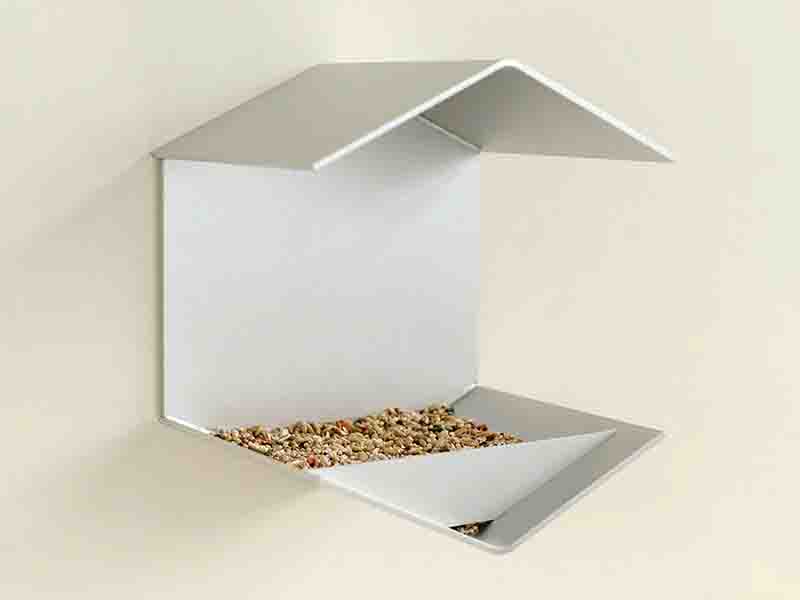
An aluminum wall mounted bird feeder is one of those small backyard upgrades that looks simple at first glance, then quietly becomes the most popular “restaurant” in the neighborhood. One day you install it on a fence, deck post, garden wall, porch column, or balcony rail. The next day, a chickadee arrives like it has a reservation. By the weekend, the finches are arguing over table manners, the cardinals are acting regal, and you are standing by the window with coffee like you have suddenly become the manager of a tiny bird café.
Bird feeders are not just decorative accessories. When used responsibly, they can support backyard birds with supplemental food, especially during colder months, migration periods, storms, and times when natural food is harder to find. The key word is “responsibly.” A good feeder should be sturdy, easy to clean, safe to place, and designed to keep seed as dry and fresh as possible. That is where aluminum earns its shiny little medal.
An aluminum wall mounted bird feeder offers a practical mix of durability, weather resistance, clean modern style, and space-saving installation. Unlike lightweight plastic feeders that can crack in sun or cheap steel feeders that may rust when the weather gets dramatic, aluminum holds up well in outdoor conditions. It does not rust like iron-based metals, and many aluminum feeders come with powder-coated finishes that add another layer of protection. In plain English: it is built for patios, porches, garden walls, and real weathernot just for looking cute in a product photo.
What Is an Aluminum Wall Mounted Bird Feeder?
An aluminum wall mounted bird feeder is a bird feeding station made primarily from aluminum and designed to attach to a vertical surface. That surface might be a wooden fence, exterior wall, pergola post, balcony frame, garden shed, or deck support. The “wall mounted” design separates it from hanging feeders, pole feeders, and window suction feeders.
Most wall mounted models include a tray, hopper, platform, or enclosed seed compartment. Some have a small roof to protect food from rain. Others include drainage holes, removable trays, perches, mesh panels, or squirrel-resistant features. The best versions are simple enough to refill without performing backyard gymnastics and easy enough to clean without needing a degree in tiny architecture.
Because it mounts to a fixed surface, this type of feeder is especially useful for people who do not have a big yard. Apartment balconies, small patios, urban gardens, courtyard walls, and narrow side yards can all become bird-friendly spaces with the right feeder placement. A wall mounted bird feeder gives you the joy of birdwatching without demanding a full lawn, a dedicated pole system, or a tree branch that happens to be in the perfect spot.
Why Choose Aluminum Over Plastic, Wood, or Steel?
Aluminum Is Lightweight but Strong
Aluminum has a sweet spot that makes it ideal for outdoor bird feeder construction. It is lighter than many metals, so mounting it is easier. At the same time, it is stronger and more rigid than many plastic feeders. That matters when the feeder is exposed to wind, rain, curious squirrels, and the occasional enthusiastic blue jay that lands like it owns the place.
It Resists Rust
Aluminum does not rust in the same way steel or iron does. It can oxidize over time, especially in harsh coastal climates, but it generally handles moisture well. For a bird feeder, that means fewer orange stains, less structural weakening, and a cleaner appearance through changing seasons.
It Looks Clean and Modern
Let’s be honest: some bird feeders look like they were designed during a committee meeting between a garden gnome and a plastic bucket. Aluminum feeders tend to look more polished. Their slim lines, matte finishes, brushed surfaces, and powder-coated colors blend nicely with modern homes, farmhouse patios, and minimalist outdoor spaces.
It Is Easy to Wipe Down
A smooth aluminum surface is easier to clean than rough wood and less likely to absorb moisture or odor. Since feeder hygiene is one of the biggest parts of responsible bird feeding, easy cleaning is not a luxury. It is the difference between “lovely backyard bird station” and “questionable buffet with wings.”
Best Places to Install a Wall Mounted Bird Feeder
Placement is everything. You want birds to feel safe, but you also want to reduce the risk of predators, window collisions, seed mess, and squirrel invasions. A good spot balances visibility, shelter, access, and safety.
Mount It Where Birds Can See It
Birds may take a few days or even a couple of weeks to discover a new feeder. Mounting it in an open, visible location helps. If the feeder is hidden behind a chair, under a deep overhang, or tucked into a shadowy corner, birds may not notice it quickly.
Keep It Near Cover, But Not Too Close
Birds like nearby trees, shrubs, or climbing plants because cover gives them a quick escape route. However, placing a feeder directly beside dense shrubbery can also give cats or other predators a hiding place. A practical rule is to keep the feeder close enough to natural cover for birds to feel secure, but far enough away that predators cannot easily launch a surprise attack.
Think Carefully About Windows
Window collisions are a real concern around bird feeding stations. If you mount a feeder near glass, either place it very close to the window so birds cannot build up much speed, or position it far enough away that birds are less likely to strike the glass after being startled. Window decals, screens, exterior netting, and bird-safe window films can also help reduce collision risk.
Choose a Spot You Can Reach
A feeder that is hard to refill will eventually become an empty feeder. Mount it at a height you can comfortably access for cleaning and seed refills. Around eye level or slightly above is often convenient. If you need a ladder every time the sunflower seed runs low, future you will not be impressed.
What Birds Can an Aluminum Wall Mounted Feeder Attract?
The birds you attract depend on your region, season, feeder style, and food selection. In many U.S. backyards, a well-stocked wall mounted feeder may bring chickadees, titmice, finches, nuthatches, cardinals, sparrows, juncos, wrens, and woodpeckers. A tray-style feeder may attract a broader range of birds because it gives them an open landing surface. A hopper-style feeder can keep seed drier and may be better for sunflower seed blends. A suet attachment can appeal to woodpeckers, nuthatches, and other insect-loving birds, especially during cool weather.
Different birds prefer different dining rooms. Finches like tube-style feeding ports and nyjer seed. Cardinals often prefer platform or hopper feeders with enough room to perch comfortably. Chickadees and nuthatches are agile and will happily visit smaller perches. Ground-feeding birds such as juncos and doves may clean up spilled seed below, though too much seed on the ground can also attract rodents, so tidy habits matter.
Best Foods for a Wall Mounted Bird Feeder
Black Oil Sunflower Seed
Black oil sunflower seed is one of the most reliable choices for backyard bird feeding. Its thin shell and high oil content make it attractive to many common feeder birds. If you want one simple starting point, this is it. It is basically the classic cheeseburger of the bird worldpopular, filling, and rarely ignored.
Sunflower Hearts or Chips
Sunflower hearts are shelled sunflower seeds. Birds love them, and they create less shell mess under the feeder. The drawback is that shelled seeds spoil faster when wet, so they are best used in feeders with good drainage and protection from rain.
Nyjer Seed
Nyjer seed is a favorite for goldfinches and other small finches, but it requires a feeder designed for tiny seeds. If your aluminum wall mounted bird feeder has a tray or wide openings, nyjer may spill too easily. Use it only if the feeder is made for it or includes a special insert.
Safflower Seed
Safflower seed is often used by people who want to attract cardinals, chickadees, and some grosbeaks while possibly discouraging certain squirrels or less desired visitors. Results vary, because wildlife did not sign a formal agreement to follow our plans.
Suet in Cool Weather
Some wall mounted feeders include a suet cage or can be paired with one. Suet can attract woodpeckers, wrens, chickadees, and nuthatches. In hot weather, however, suet can become messy or rancid, so it is usually better for cooler seasons unless the product is specifically made for warm conditions.
Features to Look for Before Buying
Drainage Holes
Drainage is not glamorous, but it is critical. Seed that sits in water can spoil, mold, and become unsafe. Look for an aluminum feeder with small drainage holes, a mesh bottom, or a removable tray that allows moisture to escape.
A Protective Roof or Cover
A roof helps shield seed from rain, snow, and direct sun. It also gives birds a slightly more comfortable feeding area. A wide roof is especially useful if the feeder is mounted on an exposed fence or wall.
Removable Parts
If a feeder is annoying to clean, it will not be cleaned often enough. Choose a model with removable trays, simple latches, wide openings, or smooth interior surfaces. Bird feeder maintenance should feel like a quick chore, not a puzzle box designed by a raccoon.
Secure Mounting Hardware
A wall mounted feeder needs strong brackets, screws, or anchors. For wood, exterior-grade screws may be enough. For brick, concrete, or masonry, you may need appropriate anchors. Always match the hardware to the surface and the loaded weight of the feeder. Remember that seed adds weight, and squirrels add chaos.
Powder-Coated Finish
Powder-coated aluminum can provide additional protection and style. It also helps the feeder blend with outdoor décor. Neutral tones such as black, bronze, gray, and green are popular because they look good without shouting, “Hello, I am bird furniture.”
How to Install an Aluminum Wall Mounted Bird Feeder
Start by choosing a safe location with good visibility and reasonable protection from harsh weather. Hold the feeder bracket against the wall and mark the screw holes with a pencil. Use a level if you want the feeder to sit straight, which you probably do unless you enjoy watching seed slide to one side like a tiny avalanche.
For wooden fences or posts, drill pilot holes before inserting exterior screws. Pilot holes help prevent splitting and make installation cleaner. For brick, stucco, or concrete, use masonry bits and anchors rated for outdoor use. Once the bracket is secure, attach the feeder according to the manufacturer’s instructions. Add a small amount of seed at first, then watch for stability, drainage, and bird activity before filling it completely.
After installation, observe the area for a few days. Are birds finding it? Is seed staying dry? Are squirrels using the nearby railing as a launchpad? Is spilled seed collecting below? Small adjustments can make a big difference. Sometimes moving a feeder just a few feet improves safety and traffic.
Cleaning and Maintenance: The Part Birds Wish We Took More Seriously
Bird feeders bring birds together, and close contact can spread disease if feeders are dirty. A responsible cleaning routine is essential. Empty old seed, scrub away debris, rinse thoroughly, disinfect when needed, and let all parts dry completely before refilling. Many birding organizations recommend cleaning feeders about every two weeks, and more often during wet weather, disease outbreaks, or heavy use.
A common cleaning method is to wash the feeder with hot soapy water, then disinfect with a diluted bleach solution of one part bleach to nine parts water. Never mix bleach with other cleaners. Rinse very well and allow the feeder to air-dry completely. Moisture is the enemy of fresh seed, and leftover cleaning residue is not something any bird invited to lunch.
Do not forget the ground below the feeder. Sweep or rake up old seed shells, wet clumps, and droppings. This helps discourage rodents, raccoons, and mold. If your feeder creates a lot of waste, switch to hulled sunflower hearts, add a seed tray, or reduce the amount of seed you put out each day.
Common Mistakes to Avoid
Mounting the Feeder Too Close to Predator Cover
Birds appreciate cover, but cats appreciate ambush spots. Avoid placing feeders directly beside dense shrubs, stacked firewood, or hidden corners where predators can wait unseen.
Using Cheap Seed Mixes
Some bargain seed mixes contain fillers that many birds ignore. The birds toss unwanted seeds aside, and suddenly your patio looks like a grain shipment had a nervous breakdown. Better seed usually means less waste.
Letting Seed Get Wet
Wet seed spoils quickly. If your feeder does not have enough cover or drainage, use smaller amounts of seed and refill more often. Fresh food beats a full feeder of questionable leftovers.
Forgetting Seasonal Adjustments
Bird feeding needs change through the year. In winter, high-energy foods such as sunflower seed and suet can be helpful. In warm weather, cleanliness becomes even more important because heat and moisture speed up spoilage.
Is an Aluminum Wall Mounted Bird Feeder Good for Small Spaces?
Yes. In fact, small spaces may be where this feeder style shines brightest. A balcony, courtyard, or townhouse patio may not have room for a large pole system, but a wall mounted feeder can fit neatly on a vertical surface. It keeps the feeding station off the floor, saves space, and gives you better viewing angles from windows or outdoor seating areas.
For apartments or condos, always check building rules first. Some communities restrict bird feeders because of seed mess, rodents, or balcony appearance guidelines. If feeders are allowed, choose a no-mess seed option, keep the area clean, and use a tray design that catches falling seed. Being a considerate neighbor is part of being a successful backyard birder, especially when your “backyard” is six feet wide and directly above someone’s patio furniture.
How to Make Your Feeding Station More Bird-Friendly
A feeder is helpful, but it should not be the entire plan. Birds also need water, shelter, and natural food sources. Add a clean birdbath, plant native shrubs or flowers, reduce pesticide use, and leave some natural habitat where possible. Native plants support insects, berries, seeds, and nesting cover, which benefits many birds that may never visit a feeder.
Think of the aluminum wall mounted bird feeder as the front door, not the whole house. It invites birds in, but the surrounding habitat encourages them to stay. A yard with native plants, fresh water, safe cover, and clean feeding stations will attract a wider variety of species than a feeder alone.
Buyer’s Checklist for an Aluminum Wall Mounted Bird Feeder
Before choosing a feeder, ask a few practical questions. Is the aluminum thick enough to feel sturdy? Does the feeder include drainage? Can you remove the tray for cleaning? Is there a roof or weather guard? Will the included hardware work for your wall surface? Does the design match the birds you want to attract? Can squirrels reach it from nearby rails, trees, or furniture?
A beautiful feeder that cannot be cleaned easily is not a good feeder. A sturdy feeder installed in a bad spot will still cause problems. The best aluminum wall mounted bird feeder is the one that fits your space, protects the food, supports bird safety, and does not make maintenance feel like a weekend punishment.
Real-Life Experience: Living With an Aluminum Wall Mounted Bird Feeder
The experience of using an aluminum wall mounted bird feeder usually begins with optimism, a screwdriver, and a slightly unrealistic belief that birds will arrive five minutes after installation. In reality, the first few days can be quiet. You may wonder whether the local birds missed the grand opening announcement. Then one brave chickadee or finch lands, grabs a seed, and leaves. That tiny visit changes everything. Birds are excellent at noticing patterns, and once one or two discover a reliable food source, others often follow.
One of the nicest things about a wall mounted feeder is the viewing experience. Mounted on a deck post or garden wall, it becomes part of daily life. You notice morning visitors while making breakfast. You spot cardinals in the late afternoon. You begin recognizing personalities, even though you promised yourself you would not become the kind of person who says, “That nuthatch is definitely judging me.” Spoiler: it might be.
Aluminum also changes the maintenance experience in a good way. A smooth metal feeder wipes clean more easily than rough wood, and it does not feel as fragile as plastic. After rain, a good aluminum feeder with drainage holes dries quickly. If the model has a removable tray, cleaning becomes simple: dump old seed, scrub, rinse, dry, refill. That ease matters because bird feeding is not a “set it and forget it” hobby. It is more like keeping a tiny outdoor diner inspected and presentable.
The biggest lesson many users learn is that seed choice controls mess. Cheap mixes can create a confetti field of rejected grain below the feeder. Switching to black oil sunflower seed or hulled sunflower hearts often reduces waste and attracts more desirable feeder birds. However, hulled seed must stay dry, so it works best when the feeder has a roof and good drainage. In wet weather, smaller refills are smarter than filling the feeder to the brim.
Squirrels are another unforgettable part of the experience. An aluminum feeder is durable, but it is not a force field. If you mount it next to a railing, tree trunk, or patio chair, squirrels may treat the setup as an obstacle course designed in their honor. Moving the feeder, adding barriers, or choosing a less accessible wall can reduce the drama. Still, a little squirrel observation may become part of the entertainment package.
Over time, the feeder becomes more than an object. It encourages you to notice seasons. Winter brings hungry flocks and bold visits. Spring adds songs and movement. Summer requires extra cleaning. Fall migration can bring surprise guests. A well-placed aluminum wall mounted bird feeder turns an ordinary wall into a small wildlife window. It is practical, attractive, and surprisingly calmingunless a squirrel is hanging upside down from it, in which case it is still calming, but with slapstick.
Conclusion
An aluminum wall mounted bird feeder is a smart choice for anyone who wants a durable, attractive, space-saving way to feed backyard birds. It works well for patios, balconies, fences, garden walls, and compact outdoor spaces. Aluminum offers weather resistance, a clean look, and easy maintenance, while the wall mounted design keeps the feeder stable and convenient.
The best results come from choosing a feeder with drainage, a protective roof, removable parts, and secure mounting hardware. Pair it with high-quality seed, safe placement, regular cleaning, and a bird-friendly habitat that includes water and native plants. Do that, and your feeder can become more than a decorative outdoor accessory. It can become a daily source of color, movement, and small moments that make home feel a little more alive.
Note: This article is original, publish-ready content based on synthesized information from reputable U.S. birding, wildlife, university extension, conservation, and backyard habitat resources. No source links are included in the article body to keep the HTML clean for web publishing.












