
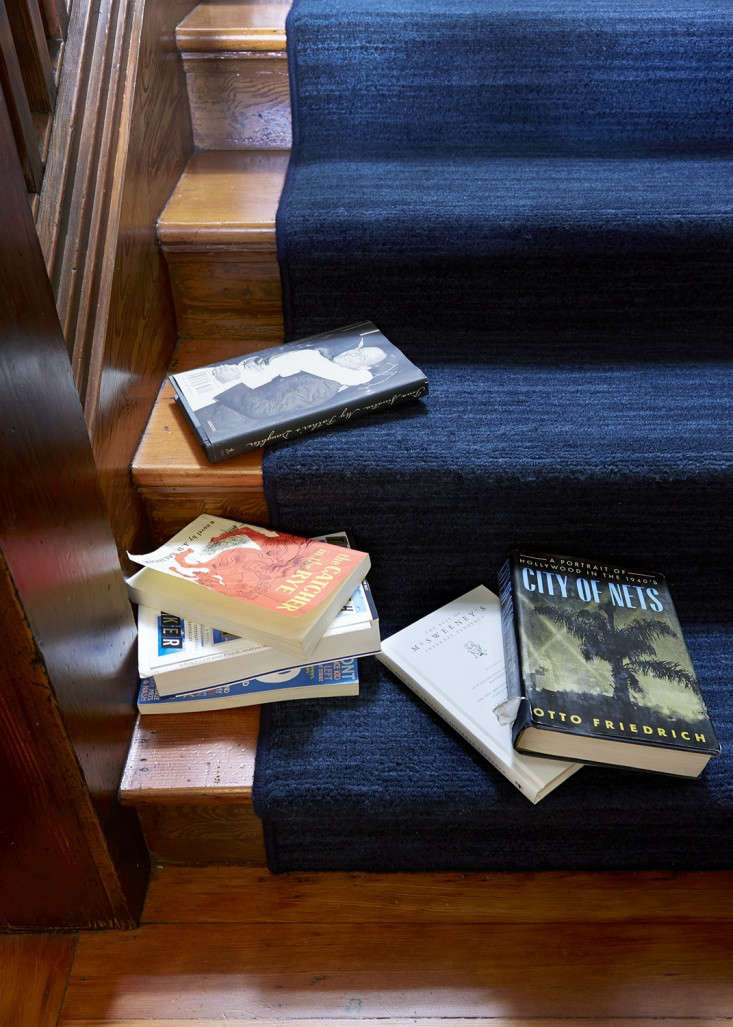
Stair runners are the rare remodeling upgrade that can make your home look more polished, feel more comfortable, and sound less like a tap-dancing rehearsal at 6 a.m. They are practical, stylish, and surprisingly transformative. A good stair runner can soften hard steps, protect wood treads, reduce noise, improve traction, and turn an overlooked staircase into a design moment.
Whether your stairs are bare hardwood, painted wood, builder-grade carpet, or somewhere between “classic charm” and “please don’t look too closely,” a runner can help bridge the gap between function and beauty. Think of it as a tailored suit for your staircase: not too much fabric, just enough structure, and a big improvement in first impressions.
This Remodeling 101 guide covers what stair runners are, why they matter, how to choose the right material, what to know about installation, and which design decisions make the biggest difference. At the end, you’ll also find real-world experience-based tips to help you avoid common mistakes before you start measuring, stapling, or quietly arguing with a roll of carpet.
What Is a Stair Runner?
A stair runner is a narrow strip of carpet or woven material installed down the center of a staircase. Unlike full stair carpeting, a runner leaves part of the stair tread exposed on both sides. That exposed edge is one of the reasons stair runners look so intentional. They show off the architecture of the staircase while still adding softness and grip where feet actually land.
Stair runners can be installed on straight stairs, curved stairs, landings, and even older staircases with irregular treads. They are commonly used on hardwood stairs, but they can also work with painted wood, refinished stairs, and some engineered surfaces when properly installed. The key is choosing the right runner, padding, and installation method for your home’s layout and traffic level.
Why Stair Runners Are Worth Considering
They Add Safety Without Hiding the Whole Staircase
Bare wood stairs can be beautiful, but they can also be slippery, especially for kids, pets, older adults, or anyone carrying laundry while pretending they are not carrying too much laundry. A stair runner adds traction underfoot and can make daily movement feel more secure.
They Reduce Noise
If your staircase echoes through the house every time someone walks upstairs, a runner can help absorb impact. Carpet padding beneath the runner adds another layer of sound control. This is especially helpful in townhomes, older houses, homes with open foyers, and households where midnight snack trips should not sound like a marching band.
They Protect Stair Treads
Stair treads take a lot of abuse. Shoes, paws, dust, grit, and constant foot traffic can dull finishes and create wear patterns. A runner protects the most-used center portion of each step while still allowing attractive wood edges to remain visible.
They Make a Design Statement
A staircase often sits near an entryway, hallway, or main living space. That means it has serious visual power. A runner can introduce color, pattern, texture, or contrast without repainting walls or buying new furniture. In remodeling terms, that is a pretty efficient glow-up.
Popular Stair Runner Materials
Wool
Wool is one of the most popular high-quality choices for stair runners because it is naturally resilient, soft, and durable. It handles foot traffic well and tends to bounce back better than many lower-quality fibers. Wool also has a rich, tailored look that works beautifully in traditional, transitional, and modern interiors.
The main downside is cost. Wool runners are usually more expensive than synthetic options. They may also require more thoughtful cleaning, especially in homes with pets or muddy entryways. Still, if you want a long-lasting runner with a premium feel, wool is a classic choice.
Nylon
Nylon is a strong synthetic fiber often recommended for high-traffic areas. It resists wear, holds color well, and can be easier on the budget than wool. For busy family homes, nylon can be a smart middle ground between performance and price.
Many nylon carpets also come with stain-resistant treatments, which is helpful if your staircase sees shoes, backpacks, juice boxes, or the occasional mystery crumb parade.
Polyester
Polyester can offer good stain resistance and vibrant color options. It is often less expensive than nylon or wool, making it attractive for budget-conscious remodels. However, polyester may not be as resilient under heavy traffic, so it is best for lower-traffic staircases or homes where durability is not the top concern.
Sisal and Natural Fibers
Sisal, seagrass, and jute bring a natural, textured look that works well in coastal, organic modern, farmhouse, and relaxed interiors. Sisal is especially known for its firm texture and earthy appeal.
However, natural fiber runners can feel rougher underfoot and may be more vulnerable to staining. They are not always ideal for homes where stairs are used barefoot every day or where spills are likely. If you love the look but need more practicality, consider a synthetic runner designed to mimic natural fiber.
Flatweave Runners
Flatweave runners are thinner and often have crisp patterns, such as stripes, herringbone, or geometric designs. They can look elegant and tailored, especially on older stairs or narrow staircases. Because flatweaves are thinner, padding and installation quality matter even more. A loose flatweave runner is not charming; it is a trip hazard wearing a cute outfit.
Choosing the Right Width
One of the biggest design decisions is runner width. Most stair runners leave a few inches of exposed stair on each side. A common approach is to leave about 3 to 6 inches visible on each side, depending on the staircase width and the look you want.
For narrow staircases, a runner that is too wide can make the stairs feel crowded. For wide staircases, a runner that is too narrow may look skimpy, like it got lost on the way to becoming a rug. The goal is balance. The exposed wood should look intentional, not accidental.
Before ordering, measure the full stair width and decide how much exposed edge you want. Then confirm that the runner size works across every step, especially if you have an older staircase where dimensions vary slightly from tread to tread.
How to Measure for a Stair Runner
Measuring is where the project starts to feel real. You need the width of the staircase, the depth of each tread, the height of each riser, the number of steps, and any landing dimensions. For a basic straight staircase, measure one tread from front to back and one riser from top to bottom. Add those numbers together, then multiply by the number of stairs.
For example, if each tread is 10 inches deep and each riser is 8 inches high, that is 18 inches per step. For 14 steps, you would need 252 inches, or 21 feet, before adding extra material. Always include additional length for adjustments, pattern matching, waste, and landings.
If your runner has a repeating pattern, order extra material so the installer can align the design cleanly. Pattern matching on stairs is not the place to be overly optimistic. Stairs are small, repetitive surfaces, and a crooked stripe will announce itself loudly.
Padding: The Unsung Hero
Carpet padding under a stair runner improves comfort, reduces noise, and helps the runner wear better. Padding is usually cut slightly narrower than the runner so it does not show along the edges. It is typically placed on the tread and sometimes over the nosing, depending on the installation method and runner style.
Do not skip padding just because it is invisible. Many of the best remodeling details are invisible once installed: proper underlayment, clean prep work, straight layout lines, and the patience not to rush. Padding is one of those behind-the-scenes choices that affects how the runner feels every single day.
Installation Methods: Waterfall vs. Hollywood
Waterfall Installation
In a waterfall installation, the runner flows smoothly from the edge of one tread down to the next riser without being tightly wrapped under the stair nosing. This creates a softer, more relaxed look. It is often used with thicker runners or patterns that look better with a continuous flow.
Hollywood Installation
A Hollywood installation, also called upholstered installation, wraps the runner tightly around the stair nosing and fits it closely to the riser. This creates a tailored, structured appearance. It can look especially crisp on formal staircases or in homes with clean architectural lines.
The right choice depends on the runner material, stair shape, and design style. Hollywood installation may require more labor, but it can look very polished. Waterfall installation is often simpler and can be more forgiving with certain textiles.
DIY or Professional Installation?
A confident DIYer can install a basic stair runner on a straight staircase with the right tools, patience, and careful measuring. Common tools include a tape measure, staple gun, carpet knife, stair tool, tack strips, padding, knee kicker, and a straightedge. The process usually involves marking the centerline, cutting and attaching padding, positioning tack strips, aligning the runner, securing it, and trimming carefully.
That said, stair runner installation is more demanding than rolling out a hallway rug. Every step must be tight, centered, and secure. Loose carpet on stairs is a safety issue, not just a cosmetic problem. If your staircase has turns, landings, pie-shaped treads, delicate woodwork, or a bold pattern, hiring a professional installer is often worth it.
Design Ideas for Stair Runners
Classic Stripes
Striped stair runners are popular for a reason. They visually lengthen the staircase, add movement, and work in many design styles. A navy-and-cream stripe can feel coastal. A black-and-tan stripe can feel tailored. A multicolor stripe can make an entryway feel instantly more cheerful.
Neutral Texture
If you want something timeless, choose a neutral runner with texture instead of a loud pattern. Beige, gray, oatmeal, charcoal, and soft brown tones can blend beautifully with wood floors and painted trim. Texture keeps the look interesting without shouting across the foyer.
Bold Pattern
Geometric patterns, animal-inspired prints, and vintage-style motifs can turn stairs into a focal point. This works especially well when the surrounding walls and flooring are simple. If the staircase is already architecturally busy, choose a pattern with restraint so the final look feels layered rather than chaotic.
Bordered Runners
A runner with a contrasting border can create a refined, custom look. Borders help define the runner’s shape and can make the staircase appear more finished. Just make sure the border aligns properly across treads and risers; otherwise, the “custom” look becomes “why is that line wandering?”
Best Stair Runner Colors
Color should work with your flooring, walls, trim, and lifestyle. Light runners can brighten a staircase but may show dirt more easily. Dark runners hide some wear but can show lint, pet hair, and dust. Medium tones are often the most forgiving for real homes where people actually live, walk, snack, shed, and occasionally forget to wipe their shoes.
For a safe, flexible choice, consider warm neutrals, muted blues, soft grays, olive tones, or classic charcoal. For drama, try deep navy, forest green, rust, black, or a patterned runner that combines several colors already used elsewhere in the home.
Maintenance and Cleaning
Stair runners need regular vacuuming because stairs collect dust and grit quickly. Use a handheld vacuum or attachment to clean corners and edges. For spills, blot immediately instead of rubbing. Rubbing can push stains deeper into the fibers and make the spot look worse.
Wool, nylon, polyester, and natural fibers all have different cleaning needs, so follow the manufacturer’s care instructions. In high-traffic households, periodic professional cleaning can help extend the life of the runner. If you have pets, choose a low-pile or tightly woven runner that is easier to vacuum and less likely to trap fur.
Common Mistakes to Avoid
Choosing Beauty Over Durability
A delicate runner may look wonderful in a photo, but stairs are hardworking surfaces. Choose a material that can handle repeated use. The prettiest runner in the world is not a good deal if it looks exhausted after one season.
Ignoring Pattern Alignment
Patterns need planning. Stripes, borders, and geometric designs should run straight and align consistently. Always order enough extra material for proper placement.
Skipping Professional Help When Needed
DIY can save money, but complex stairs are not always beginner-friendly. Curved stairs, winders, and landings often require advanced skill. A professional installer can prevent costly errors and help the finished runner look intentional.
Using the Wrong Padding
Padding should support the runner without creating bulk at the edges. Too-thick padding can make the runner look puffy and may affect safety. Too-thin padding can reduce comfort and noise control.
How Much Does a Stair Runner Cost?
The cost of a stair runner depends on material, staircase size, padding, binding, pattern complexity, and labor. A budget-friendly synthetic runner on a simple straight staircase will cost much less than a custom wool runner with a border on stairs with landings and turns.
As a broad planning approach, separate your budget into four parts: the runner material, binding or finishing, padding and installation supplies, and labor. If you are choosing a premium textile, custom fabrication, or professional installation, costs can rise quickly. However, compared with a full staircase rebuild, a runner can still be a relatively efficient remodeling upgrade with a major visual impact.
Stair Runner Experiences: Practical Lessons From Real-Life Remodeling
Experience has a funny way of teaching what product descriptions politely skip. A stair runner may seem like a simple purchase, but the best results come from thinking through how the stairs are actually used. A household with two adults and a quiet hallway has very different needs from a family with kids, pets, backpacks, sports gear, and someone who believes socks are acceptable stair footwear. Spoiler: socks on slick stairs are basically tiny ice skates.
One of the most useful lessons is to bring samples home before committing. A runner that looks warm and elegant under showroom lighting may look dull, yellow, or oddly busy in your own entryway. Natural light, wall color, wood tone, and nearby rugs all change how a runner reads. Place samples on several steps and look at them in the morning, afternoon, and evening. If you have pets, place a little fur near the sample. It is not glamorous, but it is honest.
Another real-world tip is to test the feel under bare feet. Some natural fiber runners look gorgeous but feel scratchy. That may be fine for a formal front staircase used mostly with shoes, but not ideal for stairs leading to bedrooms. For everyday staircases, comfort matters more than people admit. You will notice the texture every morning, especially before coffee has had a chance to improve your personality.
Pattern scale is another detail that deserves attention. A small sample may make a bold pattern look manageable, but repeated across 12 or 15 steps, the same pattern can become visually intense. On the other hand, a subtle pattern may look plain from a distance. The best choice usually has enough movement to hide wear, but not so much contrast that every step looks like it is trying to host its own design conference.
Installation timing also matters. If you are refinishing wood stairs, painting risers, or repairing squeaks, do that work before the runner is installed. A runner can hide some cosmetic wear, but it should not be used as a bandage over structural or maintenance problems. Fix loose treads, squeaks, damaged nosing, and peeling paint first. Once the runner is down, you will not want to pull it back up just because one stair decided to sound like a haunted floorboard.
Homeowners often underestimate the importance of edge exposure. Leaving too much wood visible can make the runner look narrow and under-scaled. Leaving too little can make the staircase look almost fully carpeted, which may not be the intended effect. Painter’s tape can help you visualize the runner width before ordering. Tape the proposed edges down the stairs, step back, and look from the bottom, top, and nearby rooms.
Finally, think about maintenance before falling in love with a light-colored runner. Cream, ivory, and pale beige can look stunning, especially in bright interiors, but stairs collect dirt quickly. If your staircase is near an entry, garage, mudroom, or backyard door, consider a medium tone or patterned design that forgives daily life. The goal is not to choose the runner that looks perfect for five minutes. The goal is to choose the runner that still looks good after groceries, guests, pets, and Tuesday.
Conclusion
A stair runner is more than a decorative strip of carpet. It is a remodeling upgrade that improves safety, comfort, acoustics, and style all at once. The best stair runners are carefully measured, properly padded, securely installed, and chosen for the way a household truly lives.
For a timeless look, consider wool or nylon in a neutral texture or classic stripe. For a relaxed natural feel, explore sisal-style materials, but think carefully about comfort and cleaning. For a bold statement, choose pattern and color with confidence, then make sure the layout is precise. Done well, a stair runner can make your staircase feel finished, welcoming, and quietly luxuriouswithout requiring a full renovation or a second mortgage.
Note: This article is written for web publication and is based on synthesized remodeling, flooring, carpet, and interior design best practices from reputable home improvement sources.












