
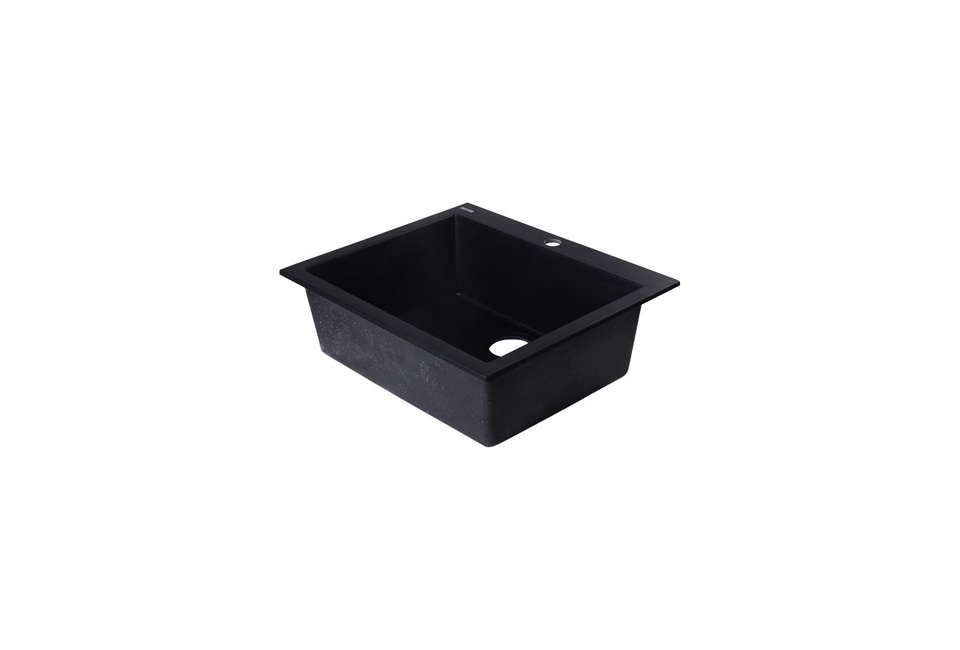
A kitchen sink is rarely the glamorous star of a renovation. It does not get the dramatic entrance of a range hood, the applause of a waterfall island, or the “wow, is that real marble?” moment. Yet it is where coffee mugs, cookie sheets, dinner prep, flower stems, and the occasional mysterious science experiment from the back of the refrigerator all end up.
That is why an ALFI drop-in single bowl granite composite kitchen sink deserves more attention than it usually gets. It blends the practical installation style of a top-mount sink with the substantial look of stone, giving homeowners a durable work zone that feels more polished than a basic stainless-steel basin. For kitchens that need a hardworking sink without turning installation into an Olympic event, this combination can be especially appealing.
ALFI Brand offers several single-bowl granite composite drop-in models in different widths and finishes. Popular configurations include compact options around 24 inches, versatile models around 30 inches, and larger versions around 33 to 35 inches. While each SKU has its own measurements, faucet-hole arrangement, bowl depth, and cabinet requirements, the shared idea is simple: one large basin, a visible rim that rests on the countertop, and a stone-like composite material designed for everyday kitchen chaos.
What Is an ALFI Granite Composite Kitchen Sink?
Despite the name, a granite composite sink is not carved from one heroic slab of mountain rock. It is an engineered material made by combining stone particles with resin, then molding the mixture into a sink shape. The result is a dense, matte-finish basin that can resemble natural stone while offering a more uniform surface and easier day-to-day maintenance than many natural-stone alternatives.
ALFI’s granite composite sink collection is designed around the features busy kitchens care about most: resistance to ordinary scratches, dents, chips, stains, and heat exposure, plus a nonporous surface that does not require the sealing routine associated with some natural stone products. That does not make the sink invincible. No kitchen fixture is immune to poor cleaning habits, falling cast-iron cookware, or a homeowner who treats a drain opening like a disposal portal for an entire lasagna. Still, composite granite is built to take far more daily abuse than its refined appearance suggests.
Why Choose a Single Bowl Drop-In Sink?
One Big Basin Makes Real Kitchen Tasks Easier
A single-bowl kitchen sink is not merely a stylistic choice. It is a practical response to oversized cookware. Roasting pans, sheet trays, stockpots, blender jars, air-fryer baskets, and oversized serving platters all become much easier to wash when they are not trying to negotiate a narrow divider in the middle of the sink.
For households that use a dishwasher for daily dishes but still need a generous hand-washing zone, a large single bowl can feel like a major upgrade. You can stack dishes on one side, rinse produce on the other, and still have enough room to wash a pot without playing countertop Tetris. A single basin is particularly useful in smaller kitchens, where a divided sink may sacrifice valuable bowl width without delivering enough separation to justify it.
Drop-In Installation Is Flexible
A drop-in sink, also known as a top-mount or self-rimming sink, is lowered into a countertop cutout and supported by its rim. This installation style works with many countertop materials and is often simpler to replace than an undermount design. By contrast, undermount sinks generally require more specialized mounting and are most suitable for solid-surface, engineered-stone, or natural-stone countertops.
The rim does create one trade-off: crumbs and moisture can collect near the edge if the sealant is neglected. That is hardly a dealbreaker, but it does mean the sink rim needs a quick wipe during routine cleaning. Think of it as the kitchen equivalent of checking behind your ears. Not glamorous, but worthwhile.
Key Features to Look for in ALFI Drop-In Single Bowl Models
Granite Composite Construction
The signature feature is the stone-like composite body. It gives the sink a more substantial visual presence than thin stainless steel and can soften the harsh, echoing sound of dishes landing in the basin. Composite sinks also tend to complement kitchens with quartz, granite, butcher-block, concrete-look, or matte laminate countertops because their texture feels intentional rather than overly shiny.
Granite composite is especially attractive for homeowners who want a darker sink finish without worrying about the reflective fingerprints often associated with polished metal. Depending on the ALFI model and available finish, a black, white, gray, biscuit, or titanium-toned sink can either blend into the countertop or create a striking contrast.
Large Single-Bowl Capacity
The bowl size matters more than the exterior size alone. A sink may look broad on paper but lose useful space to thick walls, a wide rim, or a shallow basin. For example, one 30-inch ALFI drop-in model has exterior dimensions close to 29 7/8 by 19 7/8 inches, with an interior bowl measuring about 27 1/8 by 15 3/4 inches and a bowl depth of roughly 7 3/4 inches. That kind of layout provides a long, uninterrupted washing area for daily cleanup.
Larger ALFI models can offer wider bowls and deeper capacities, while smaller versions may be better suited to compact kitchens, prep areas, bar stations, rental upgrades, or kitchen islands. The best choice depends less on what looks impressive online and more on what fits your cabinet, countertop cutout, faucet reach, and actual cooking habits.
Standard Drain Compatibility
Many ALFI granite composite kitchen sink models use a 3 1/2-inch drain opening, a common kitchen-sink size that can simplify pairing the sink with a compatible basket strainer or disposal flange. However, drain assemblies are not always included with every sink package, so buyers should confirm what comes in the box before installation day. Nothing ruins a renovation mood faster than discovering your beautiful new sink is ready for installation but missing one very important hole-related accessory.
Faucet Hole Planning
Some ALFI drop-in models include a pre-drilled faucet hole and may allow additional holes according to the product’s specification diagram. This matters when choosing between a single-handle faucet, a faucet with a side sprayer, a soap dispenser, a filtered-water tap, or a separate beverage faucet. Before ordering, check the exact model drawing rather than assuming every version has the same hole layout.
How an ALFI Granite Composite Sink Fits Different Kitchen Styles
One reason granite composite sinks remain popular is their ability to work across design styles. In a modern kitchen, a black or dark-gray ALFI sink can pair neatly with flat-panel cabinets, matte black hardware, and a high-arc pull-down faucet. In a transitional kitchen, a white or biscuit composite sink can soften the contrast between warm wood cabinetry and bright quartz counters. In a more rustic space, the slightly textured stone appearance can feel less clinical than stainless steel.
The sink’s visible drop-in rim can also work as a deliberate design detail. Instead of pretending the sink does not exist, the rim frames it. This can be especially useful with laminate or wood countertops, where an undermount installation may not be suitable or may require more complicated waterproofing.
ALFI Drop-In Sink vs. Stainless Steel Sink
Stainless steel remains popular because it is familiar, lightweight, affordable, and broadly compatible with kitchen styles. It is also difficult to break emotionally; a scratch usually becomes part of the finish’s life story. Granite composite, however, offers a different experience. It feels more architectural, comes in color, and tends to absorb the clatter of dishes better than a thin metal sink.
Where stainless steel wins in universal neutrality, granite composite wins in visual warmth. Where stainless can show water spots and fine scratches, composite can hide some wear depending on the color and finish. On the other hand, a composite sink requires more attention to cleaning products and hard-water residue. Dark sinks can reveal mineral marks, while light sinks can make coffee, tea, or metal-transfer marks more noticeable if routine cleaning is ignored.
Neither material is automatically “better.” Stainless steel is a reliable all-purpose workhorse. Granite composite is the quiet, well-dressed workhorse that also happens to match the countertops.
Installation Considerations Before You Buy
Measure the Cabinet, Countertop, and Cutout
Start with the sink base cabinet width, not just the countertop opening. A sink may fit through the countertop cutout but still interfere with cabinet walls, plumbing, pull-out trash systems, or a garbage disposal. Check the manufacturer’s stated minimum cabinet requirement for the exact ALFI model you are considering.
For a replacement project, measure the existing cutout carefully. Even a sink that is “about 30 inches” may require a different opening because corner radii, rim width, bowl shape, and faucet-hole placement vary. The AB3020DI series, for example, lists a recommended cutout smaller than the sink’s overall exterior dimensions, which is typical of drop-in designs because the rim needs a supported ledge around the opening.
Plan for the Faucet Before Setting the Sink
It is usually easier to attach the faucet and related accessories before lowering the sink into the countertop. Once the basin is installed, working beneath the cabinet can feel like trying to assemble furniture inside a cave while wearing oven mitts. Confirm that the faucet has enough clearance behind the sink, that the handle can move freely, and that the spout reaches far enough into the center of the bowl.
Use Proper Sealant and Mounting Hardware
A drop-in sink needs a watertight seal beneath the rim. Standard installation guidance includes applying silicone or the manufacturer-provided gasket around the opening, lowering the sink into place, and tightening the mounting clips gradually and evenly from below. A rushed seal can allow water to reach the countertop edge, which is particularly troublesome with wood or laminate surfaces.
Homeowners who are comfortable with plumbing and light carpentry may be able to handle a straightforward replacement. A new countertop cutout, stone countertop modification, disposal relocation, or complicated plumbing setup is often better left to a qualified installer. Saving a little money is wonderful; accidentally turning a quartz slab into abstract art is less wonderful.
How to Clean and Maintain a Granite Composite Kitchen Sink
The good news is that maintenance is simple. The better news is that it does not require an elaborate ritual involving moonlight, rare oils, and a tiny polishing brush. For regular cleaning, use mild dish detergent, warm water, and a soft cloth or nonabrasive sponge. Rinse thoroughly and dry the sink after use, especially in areas with hard water. Allowing water droplets or cleaner residue to evaporate on the surface can leave mineral film or dull-looking spots.
For stubborn residue, follow the sink manufacturer’s care directions first. In general, avoid using harsh or unapproved chemicals, extremely aggressive abrasives, and metal tools that can leave transfer marks or dull the finish. Many apparent “scratches” on a composite sink are actually metal residue from cookware rather than damage to the material itself.
Cleaning regularly matters more than cleaning aggressively. A quick rinse and wipe after meal prep is easier than trying to rescue a sink that has hosted dried coffee rings, tomato sauce splashes, and mineral deposits for three weeks. The sink is durable, but it should not be expected to run its own housekeeping department.
Who Should Buy an ALFI Drop-In Single Bowl Granite Composite Kitchen Sink?
This type of sink makes sense for homeowners who want a large basin, a stone-inspired finish, and a relatively flexible installation style. It is particularly useful for:
- Home cooks who wash oversized pots, baking sheets, and serving platters.
- Kitchen remodels using laminate, wood, or existing countertops where a drop-in sink is practical.
- People who prefer a matte black, white, gray, or stone-like sink over traditional stainless steel.
- Households that want a quieter basin with less metallic clatter.
- Renovators replacing an older top-mount sink and hoping to avoid major countertop reconstruction.
- Anyone who values a clean, modern sink but does not want the cabinet modifications of a farmhouse apron-front model.
It may be less ideal for people who want the seamless crumb-sweeping convenience of an undermount sink, need two separate washing zones, or strongly prefer the ultra-lightweight feel of stainless steel. The right sink is not the one with the loudest product description. It is the one that survives your Tuesday-night cleanup without making you regret every culinary decision you have ever made.
Everyday Experiences With an ALFI Drop-In Single Bowl Granite Composite Kitchen Sink
Note: The following experience-based section reflects common real-world usage patterns, retailer feedback, product specifications, and standard composite-sink care guidance. It is not presented as personal ownership or laboratory testing.
The first thing many homeowners notice after moving from a divided sink to an ALFI-style single bowl is the sudden lack of arguments with cookware. A roasting pan that once had to be tilted, rotated, soaked, flipped, and negotiated like a stubborn sofa through a narrow stairwell can sit flat inside the basin. That sounds small until Thanksgiving, Sunday meal prep, or a homemade lasagna enters the chat.
During everyday use, the granite composite surface tends to feel more substantial than stainless steel. There is less of that hollow “clang” when a spoon lands in the basin, and the matte finish can make the kitchen feel calmer and more intentional. A black or titanium-toned sink often looks especially sharp beside pale quartz or warm butcher-block counters, while a white version can create a clean, softer look without the glossy, porcelain-like appearance of some traditional sinks.
The large single bowl also changes the flow of cleanup. Instead of deciding which side of a divided sink should hold dishes and which side should hold rinse water, many people simply place everything in one zone, rinse as they go, and load the dishwasher when ready. This works especially well for households with a dishwasher, because the sink does not have to function as two permanent washing stations. It can become a temporary prep area, a produce-rinsing station, a pot-soaking zone, or a holding area for dishes after dinner.
There are practical lessons, too. A high-arc pull-down faucet makes a deep single-bowl sink much easier to use, particularly for rinsing the far corners and washing larger pans. A faucet with too-short a spout can leave users feeling as though they own a magnificent basin but can only reach the middle of it. Matching the faucet reach to the bowl size is one of those small planning details that separates a satisfying kitchen upgrade from a daily annoyance.
Cleaning habits also become obvious quickly. On dark composite sinks, dried mineral spots from hard water may appear as pale marks. On lighter finishes, coffee drips, tomato sauce, and metal marks from pans can become more visible. The solution is not panic, harsh scrubbing, or declaring war on the sink with every cleaner in the cabinet. Usually, a mild cleanser, soft cloth, rinse, and dry routine prevents most of the buildup before it becomes dramatic.
Another common experience is realizing that the rim matters. The drop-in lip is useful because it supports the sink and makes installation possible on a wide range of countertops. But it needs a quick wipe. Crumbs and water can gather around the edge, especially near the faucet base. In practice, this is a minor chore, not a design catastrophe. It takes seconds, and it is far easier than the installation complexity that often comes with an undermount sink.
For many homeowners, the best part is that the ALFI drop-in single bowl granite composite kitchen sink feels like a meaningful upgrade without demanding a full kitchen rebuild. It gives the workspace a more finished look, offers useful bowl capacity, and handles daily cooking cleanup with confidence. It may not make washing dishes joyful. Let us not promise miracles. But it can make the process quieter, roomier, and far less irritating.
Final Thoughts
An ALFI drop-in single bowl granite composite kitchen sink is a strong option for homeowners who want more than a basic basin but do not want an installation project that requires rebuilding cabinets or replacing every countertop in sight. Its appeal comes from a practical combination of generous single-bowl space, top-mount flexibility, durable engineered-stone construction, and a polished matte appearance.
Before choosing a model, verify the exact dimensions, minimum cabinet width, drain configuration, included hardware, faucet-hole layout, and recommended countertop cutout. Then pair it with a faucet that can comfortably reach the full bowl and commit to a simple rinse-and-dry cleaning routine. Do that, and your sink can become one of the most useful upgrades in the entire kitchenquietly carrying the load while everyone else compliments the backsplash.
Note: ALFI model numbers, dimensions, finishes, faucet-hole options, accessory inclusions, and cabinet requirements can vary. Always confirm the manufacturer specification sheet for the exact SKU before ordering or cutting a countertop.












