
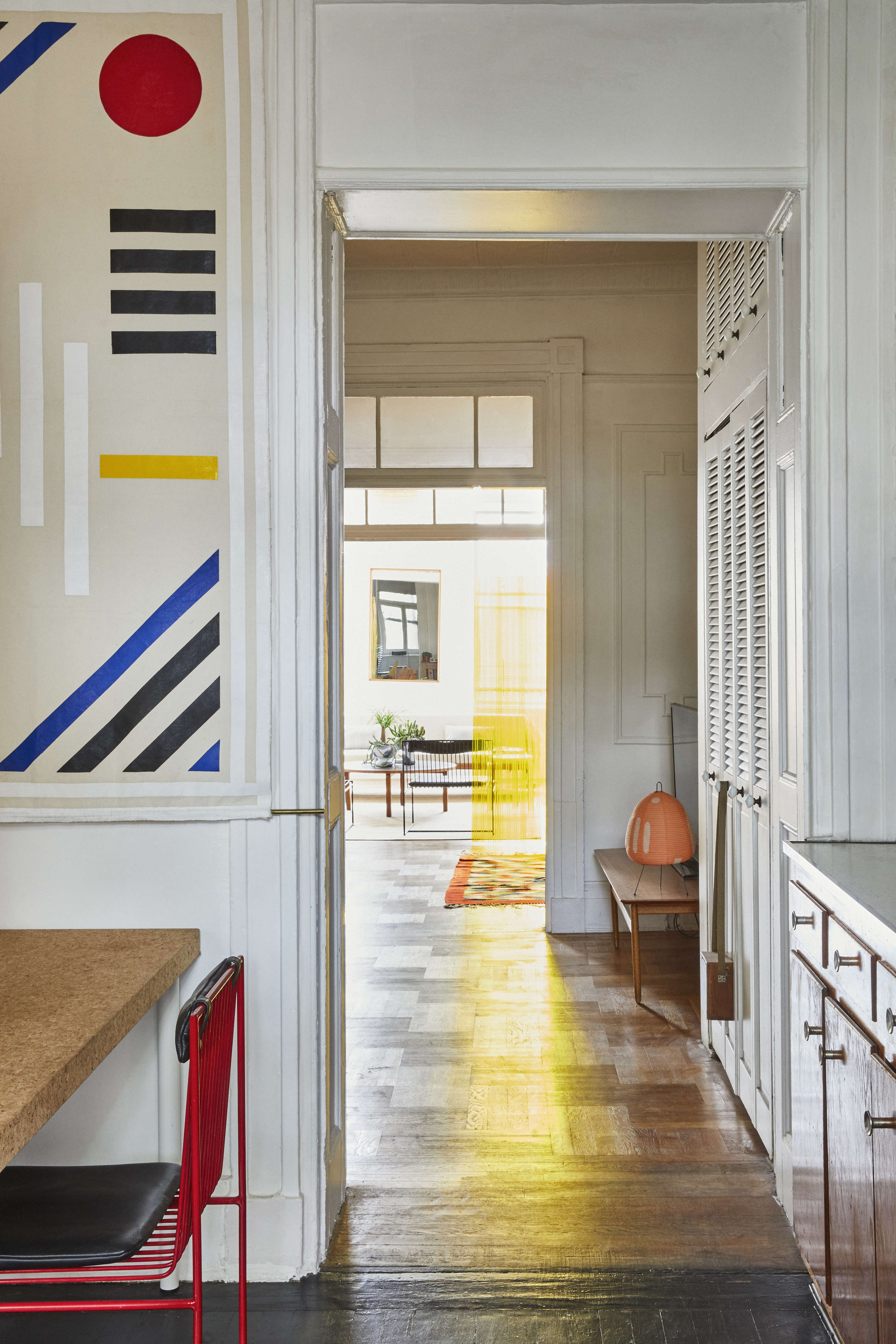
The Akari Noguchi Lamps 1AT may be small enough to sit politely on a side table, but do not let its modest footprint fool you. This paper lamp has the quiet confidence of a design object that knows it does not need chrome, glass crystals, Bluetooth, or a remote with 47 buttons to make a room feel better. Designed within Isamu Noguchi’s legendary Akari Light Sculptures collection, the 1AT is a compact table lamp made from handmade washi paper, bamboo ribbing, and a metal frame. In other words, it is part lamp, part sculpture, and part interior-design peace treaty.
For anyone searching for Akari Noguchi Lamps 1AT, the real appeal goes beyond simply buying a light. This lamp belongs to a larger story about Japanese craft, mid-century modern design, and Noguchi’s belief that everyday objects could carry poetic force. The 1AT is not loud. It does not dominate a room like a chandelier trying to win an award. Instead, it softens space, turns harsh electric light into a warm glow, and makes even a cluttered desk look as if it has been gently edited by someone with excellent taste.
What Is the Akari Noguchi Lamp 1AT?
The Akari 1AT is a table lamp from Isamu Noguchi’s Akari Light Sculptures series, a family of paper lanterns first developed in 1951. The word “Akari” means light in Japanese, but it also suggests lightness, which perfectly describes the lamp’s personality. It illuminates without feeling heavy, both visually and physically.
The 1AT model measures approximately 10 inches long, 10 inches deep, and 17 inches high. That makes it a practical size for bedside tables, desks, console tables, reading corners, and small apartments where every object needs to earn its square footage. Its shade is made with handmade washi paper stretched over bamboo ribbing, supported by a metal frame. The result is a softly glowing form that looks delicate but is built on a disciplined craft tradition.
The Story Behind Isamu Noguchi’s Akari Lamps
Isamu Noguchi was one of the most versatile artists and designers of the 20th century. Born in 1904, he worked across sculpture, furniture, gardens, public plazas, stage sets, and lighting. His career refused to sit in one category, which is probably why his work still feels fresh. Noguchi did not treat design as a lesser cousin of art. For him, a table, a garden, or a lamp could all be sculpture if they shaped human experience.
The Akari series began when Noguchi visited Gifu, Japan, a city known for traditional lantern and umbrella making. There, craftspeople used mulberry bark paper and bamboo to create lanterns with a soft, atmospheric glow. Noguchi saw an opportunity to merge this centuries-old technique with modern sculptural form. The result was a series of lamps that looked ancient and modern at the same time, which is a neat trick and frankly more impressive than matching your throw pillows.
Why the Akari 1AT Still Feels Modern
The Akari 1AT works because it avoids visual noise. Many modern lamps try to prove they are modern by being aggressively angular, extremely shiny, or shaped like something found in a spaceship cafeteria. The 1AT takes the opposite route. It uses simple geometry, natural materials, and warm diffusion to create an object that feels calm, useful, and human.
This is why Akari lamps fit so well in many interiors. They can sit in a mid-century modern living room, a minimalist bedroom, a Japandi-style apartment, a creative studio, or a cozy reading nook. The 1AT does not demand that the rest of your home dress up for it. It simply improves the atmosphere and lets the furniture around it breathe.
Materials: Washi Paper, Bamboo, and Metal
Handmade Washi Paper
The most recognizable feature of an Akari lamp is its washi paper shade. Washi is traditionally made from plant fibers, often associated with the inner bark of the mulberry tree. In the Akari 1AT, the paper transforms the bulb’s direct brightness into a gentle, cloudlike glow. Instead of blasting the room with light, it filters illumination through texture.
Bamboo Ribbing
The bamboo ribbing gives the lamp its structure and rhythm. Those ribs are not just technical supports; they create shadow lines and a sense of movement across the surface. The Akari 1AT feels handmade because it is handmade, and the slight organic character of the materials prevents it from looking sterile.
Metal Frame
The metal frame adds stability and allows the airy paper form to function as a lamp rather than just a beautiful object that your cat may or may not investigate. The frame is part of the quiet engineering that lets the design look effortless.
Design Analysis: Why the 1AT Works So Well
The Akari 1AT succeeds because of balance. It is small but not insignificant. It is sculptural but not impractical. It is handmade but not fussy. It has enough visual character to become a focal point, yet it remains subtle enough for daily use.
Its height gives it presence on a table, while its compact base allows it to fit into tight spaces. The paper shade creates a warm pool of light rather than a harsh cone. That makes it ideal for ambient lighting, the kind of light that makes a room feel finished. Overhead lighting may help you find your keys, but an Akari lamp helps you remember you are a person with taste.
Where to Use an Akari Noguchi Lamp 1AT
On a Bedside Table
The Akari 1AT is excellent as a bedside lamp because it creates a calming glow. It is especially useful for people who want their bedroom to feel peaceful instead of looking like a phone-charging command center. Pair it with linen bedding, a low wooden nightstand, and a small stack of books you absolutely intend to read someday.
On a Desk
On a desk, the 1AT adds warmth to work sessions. It is not a task lamp in the strictest sense, so it may not replace a focused reading light for detailed work. But as an ambient desk companion, it softens the hard edges of monitors, keyboards, and paperwork. Your spreadsheet may still be dramatic, but at least the lighting will be serene.
In a Living Room
Place the Akari 1AT on a side table, low shelf, or credenza to create a gentle evening glow. It works especially well beside textured materials such as wood, stone, linen, wool, and ceramic. The lamp has a way of making ordinary corners feel intentional.
In an Entryway
An entryway table with an Akari 1AT makes a home feel welcoming before anyone even removes their shoes. It sends a quiet message: yes, this household understands atmosphere, and no, we are not relying exclusively on ceiling cans.
How to Style the Akari 1AT
The key to styling the Akari 1AT is restraint. Let the lamp breathe. Because the shade is sculptural, it looks best when it is not crowded by too many decorative objects. A small ceramic bowl, a framed print, or a stack of design books can work beautifully beside it. A mountain of mail, three tangled cables, and a mystery receipt from 2022 will be less successful.
For a minimalist look, pair the lamp with neutral colors, natural wood, and simple silhouettes. For a warmer eclectic room, contrast it with vintage furniture, patterned rugs, or textured textiles. The 1AT has enough softness to calm busy interiors and enough shape to give simple spaces depth.
Akari 1AT and the Japandi Interior Trend
The Akari 1AT is a natural fit for Japandi interiors, which combine Japanese simplicity with Scandinavian warmth. Both design traditions value natural materials, functional beauty, and calm spaces. The lamp’s washi paper and bamboo construction bring Japanese craft into the room, while its clean form works beautifully with pale woods, soft textiles, and uncluttered layouts.
However, the 1AT should not be reduced to a trend piece. It existed long before social media discovered beige sofas and captioned them “slow living.” Its staying power comes from real design integrity. Trends come and go; good light remains persuasive.
Authenticity: How to Think About Real Akari Lamps
Because Akari lamps are widely admired, they are also widely imitated. Authentic Akari light sculptures are associated with the original Japanese production tradition and are recognized for their handmade washi paper, bamboo ribbing, and careful construction. Many official Akari products also include markings or labels that help indicate authenticity.
When buying an Akari Noguchi Lamp 1AT, shoppers should purchase from trusted design retailers, museum shops, or authorized sellers. A suspiciously cheap version may look tempting, but the difference often appears in the paper quality, proportions, frame, and glow. With Akari, the magic is in the material and the craft. A poor imitation can quickly shift from “poetic lantern” to “sad party decoration.”
Care and Maintenance Tips
The Akari 1AT is beautiful, but it should be treated with care. Washi paper is strong for what it is, but it is still paper. Keep the lamp away from moisture, rough handling, and high-traffic spots where elbows, pets, or enthusiastic toddlers might become design critics.
Dust it gently with a soft, dry cloth or feather duster. Avoid wet cleaning. Use the recommended bulb type and wattage from the seller or manufacturer instructions, because excessive heat is not a charming design feature. When moving the lamp, support it carefully by its frame rather than squeezing the paper shade.
Is the Akari 1AT Worth It?
For many design lovers, yes. The Akari 1AT offers more than illumination. It brings history, craft, and atmosphere into everyday life. It is also one of the more approachable ways to own a design associated with Isamu Noguchi. Compared with large furniture pieces or rare vintage objects, a table lamp is easier to integrate into a home.
The value depends on what you want from lighting. If you need a purely utilitarian lamp for a garage workbench, this is probably not the one. If you want a compact design object that adds warmth, heritage, and sculptural beauty to a room, the Akari 1AT is a strong choice.
Common Mistakes to Avoid
Using It as the Only Light Source
The Akari 1AT is best for ambient lighting. It can help set the mood, but it should be layered with other lighting when a room needs brightness for reading, cooking, or detailed tasks.
Placing It in a Damp Area
Bathrooms, wet bars, and steamy corners are not ideal locations. Washi paper prefers dry, stable environments. It is elegant, not amphibious.
Crowding the Lamp
Give the 1AT visual space. Its beauty comes from shadow, glow, and form. Too many nearby objects can make the arrangement look accidental rather than curated.
Experience Section: Living With an Akari Noguchi Lamp 1AT
Living with an Akari Noguchi Lamp 1AT is different from simply owning a lamp. The first thing you notice is not the object itself but the atmosphere it creates. During the day, the lamp looks light and sculptural, almost like a small paper vessel waiting patiently for evening. At night, it becomes the kind of glow that makes a room feel softer around the edges. It does not shout, “Look at me!” It whispers, “Maybe turn off the overhead light and stop living like you are in a dentist’s office.”
One of the best experiences with the 1AT is using it as part of an evening routine. Place it on a bedside table or low cabinet, switch it on after dinner, and the mood of the room changes immediately. Screens feel less harsh. Wood tones look warmer. Even ordinary objects nearbya book, a ceramic cup, a small plantseem more considered. This is the quiet power of good lighting: it edits the room without moving the furniture.
The 1AT is also rewarding in small apartments. Many people assume a memorable interior requires large statement pieces, but the Akari proves otherwise. A compact lamp can shift the personality of an entire corner. In a studio apartment, it can help separate a sleeping area from a working area. On a desk, it can make late-night emails feel less like corporate punishment. On a shelf, it can turn an unused wall into a soft focal point.
Another practical joy is how easily the lamp fits into different moods. In a minimal room, it reinforces calm. In a colorful room, it acts as a visual pause. In a vintage-heavy space, it adds modern clarity without fighting older furniture. It is especially beautiful beside natural materials: oak, walnut, rattan, linen, clay, stone, and wool. The lamp does not need a perfect showroom around it. In fact, it often looks best in a lived-in room, where its handmade texture can balance the realities of daily life.
There is also a small ritual in caring for it. Because the shade is paper, you become more aware of how you handle it. You dust it gently. You place it where it will not be bumped. You choose its spot with intention. That may sound precious, but it is part of the charm. The Akari 1AT asks for a little mindfulness, and in return it gives back a lot of visual warmth.
The lamp is not perfect for every purpose. It is not the brightest task light, and people who prefer heavy, glossy, ultra-durable fixtures may find it too delicate. But for those who appreciate atmosphere, craft, and design history, the 1AT offers a daily experience that feels quietly luxurious. It is the kind of object that makes you understand why Noguchi called these works light sculptures rather than just lamps. You do not merely switch it on; you activate a small piece of design poetry.
Conclusion
The Akari Noguchi Lamps 1AT represents everything that makes Isamu Noguchi’s lighting so enduring: handmade materials, sculptural form, practical function, and emotional warmth. Its washi paper shade and bamboo ribbing transform electric light into something softer and more human. Its compact size makes it easy to use in bedrooms, living rooms, offices, and entryways. Most importantly, it proves that great design does not need to be loud to be memorable.
For homeowners, collectors, and design enthusiasts, the Akari 1AT is more than a decorative lamp. It is a bridge between Japanese lantern craft and modernist sculpture, between function and poetry, between a room that is merely furnished and a room that feels alive. If your space needs warmth, calm, and a little design credibility without acting smug about it, the Akari 1AT is a beautiful place to begin.
Note: This article was written from synthesized, factual information about Isamu Noguchi, Akari Light Sculptures, the 1AT model, traditional Gifu lantern craft, and modern interior design use cases.













