
“`
Depression can make ordinary life feel like trying to run through wet cement while carrying a backpack full of bricks. It affects mood, sleep, motivation, appetite, concentration, relationships, and the very suspicious relationship between you and your laundry pile. Because depression is complex, many people look beyond one-size-fits-all treatment and ask a practical question: Can acupuncture help depression?
The honest answer is: possibly, especially as a complementary treatment, but it is not a magic needle-powered cure. Research suggests that acupuncture may modestly reduce depression symptoms for some people, particularly when used alongside standard care such as therapy, medication, healthy routines, and medical follow-up. However, the evidence is mixed, study quality varies, and acupuncture should not replace proven depression treatmentsespecially for moderate to severe depression, suicidal thoughts, bipolar disorder, psychosis, substance use problems, or symptoms that interfere with daily functioning.
This guide breaks down what acupuncture is, what results people may notice, what the research says, how safe it is, and how to decide whether it belongs in your depression care plan.
What Is Acupuncture?
Acupuncture is a traditional Chinese medicine practice that involves inserting very thin needles into specific points on the body. In traditional theory, these points are used to influence the flow of qi, often described as vital energy, through pathways called meridians. In modern biomedical language, acupuncture is often discussed in terms of the nervous system, circulation, pain pathways, stress response, neurotransmitters, and the body’s ability to regulate itself.
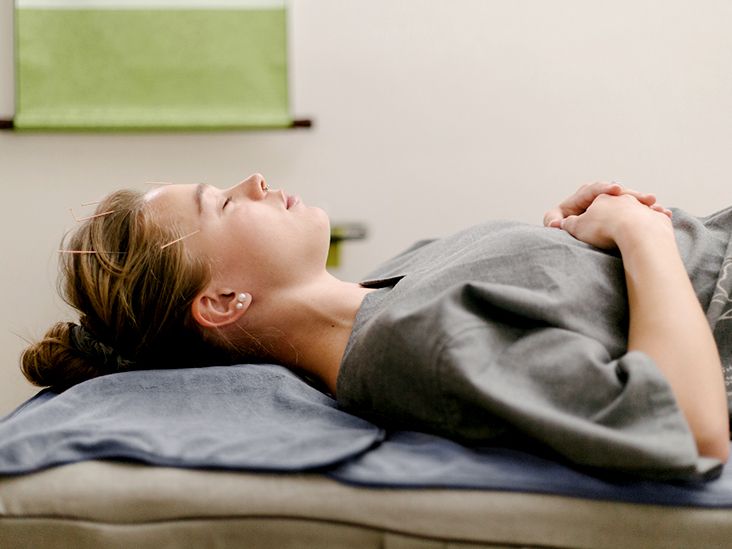
During a typical session, a licensed acupuncturist asks about your symptoms, sleep, digestion, stress, medical history, medications, and overall health. Then you lie comfortably while sterile, single-use needles are placed in selected points. The needles are usually left in place for 15 to 30 minutes. Most people describe the sensation as a tiny pinch, dull ache, warmth, tingling, or pressurenot exactly a spa day, but also not the horror movie scene your imagination may have prepared.
How Might Acupuncture Help With Depression?
Researchers are still studying how acupuncture may affect mood. The most responsible answer is that no single mechanism has been proven to explain everything. Depression itself is not caused by one tiny villain sitting in the brain pressing the “sadness” button. It involves mood circuits, stress hormones, inflammation, sleep disruption, trauma, genetics, life events, social support, physical illness, and sometimes medication or substance effects.
Acupuncture may influence several systems related to mood. Some studies suggest it may help regulate the autonomic nervous system, which controls the body’s fight-or-flight and rest-and-digest responses. It may also stimulate the release of natural chemicals involved in pain relief and emotional regulation, including endorphins and possibly neurotransmitters associated with mood. For people whose depression comes with anxiety, insomnia, muscle tension, headaches, chronic pain, or digestive symptoms, acupuncture may feel helpful because it addresses the body as well as the mind.
That body-mind connection matters. Many people with depression do not only feel “sad.” They may feel heavy, wired, numb, achy, exhausted, restless, foggy, or physically uncomfortable. Acupuncture’s appeal is partly that it gives the nervous system a structured opportunity to slow down. Sometimes the most therapeutic sentence in the room is: “Lie here for 25 minutes and do absolutely nothing.” For overachievers, this can feel illegal. It is not.
What Results Can People Expect?
Results vary. Some people report feeling calmer after the first session. Others notice better sleep after several visits. Some see gradual improvements in energy, tension, irritability, or emotional resilience. And some people notice no meaningful change at all. That does not mean they “failed” acupuncture. It means the treatment may not be the right tool for their specific depression pattern.
In clinical settings, acupuncture is usually not treated like a one-and-done intervention. A common plan may include weekly or twice-weekly sessions for several weeks, followed by reassessment. For depression, many studies use treatment periods ranging from four to eight weeks. If symptoms are not improving after a fair trial, it is reasonable to pause and reconsider the plan with a healthcare professional.
Possible Benefits People Report
People who respond well to acupuncture may report:
- Less tension, restlessness, or stress reactivity
- Improved sleep quality
- Reduced anxiety alongside depressive symptoms
- Better ability to relax
- Less pain, headache, or body tightness
- A greater sense of emotional balance
- More motivation to continue other healthy routines
These results are usually gradual. Acupuncture is more like turning down the volume on a noisy nervous system than flipping a light switch from despair to sunshine. If anyone promises a guaranteed cure in three sessions, put your wallet back in your pocket and walk away briskly.
What Does the Research Say About Acupuncture for Depression?
The research on acupuncture for depression is promising but not conclusive. Several reviews have found that acupuncture may reduce depression symptom scores compared with no treatment, usual care, or certain control conditions. Some studies suggest it may be useful as an add-on to antidepressants or other standard treatments. However, the quality of evidence is often rated low or very low because of small sample sizes, inconsistent methods, difficulty blinding participants, variation in acupuncture techniques, and high risk of bias in some trials.
This is where acupuncture research gets tricky. In drug studies, researchers can compare a pill with a placebo pill that looks the same. With acupuncture, creating a convincing “sham” treatment is harder. A sham procedure may involve needling nontraditional points, using shallow needles, or using devices that touch the skin without penetrating it. But even light touch or shallow needling may produce physiological effects. In other words, the placebo may not be completely inactive. Science, unfortunately, did not choose the easy setting.
Systematic Reviews and Meta-Analyses
Systematic reviews generally suggest that acupuncture may provide a modest reduction in depression symptoms. Some analyses find stronger effects when acupuncture is compared with no treatment or usual care, and smaller or uncertain effects when compared with sham acupuncture, medication, or psychotherapy. This pattern suggests two important things: acupuncture may help some people, but the true size of its specific effect is still debated.
A major review of acupuncture for depression included dozens of randomized trials and thousands of participants. It found that acupuncture may reduce symptom severity compared with treatment as usual or no treatment. However, reviewers also warned that evidence quality was low and that results compared with medication or psychological therapy were uncertain. That does not mean acupuncture is useless. It means the research is not strong enough to crown acupuncture the champion of depression treatment and send therapy and medication into retirement.
Acupuncture as an Add-On Treatment
One of the most practical uses of acupuncture may be as an adjunct therapy. That means it is used with standard care, not instead of it. For example, someone might continue cognitive behavioral therapy, take prescribed medication, exercise gently, work on sleep, and add acupuncture to help with stress, insomnia, pain, or anxiety symptoms.
This approach makes sense because depression often improves through layered support. A single treatment rarely does everything. Medication may help mood biology. Therapy may help thought patterns, grief, trauma, boundaries, and coping. Exercise may improve energy and sleep. Social support may reduce isolation. Acupuncture may help the body relax and regulate. Depression care is less like using one superhero and more like assembling a slightly tired but determined Avengers team.
Research on Auricular Acupuncture
Auricular acupuncture focuses on points in the ear. Some recent clinical trials have examined whether ear acupuncture can help depression symptoms. Results suggest that it may be safe and may improve some outcomes, but larger and longer studies are needed. In one randomized trial, specific auricular acupuncture did not significantly outperform nonspecific auricular acupuncture for the primary recovery outcome, although remission rates favored the specific treatment at follow-up. The takeaway is cautious: ear acupuncture may be helpful for some people, but it is not yet proven as a stand-alone depression treatment.
Pregnancy-Related Depression
Acupuncture has also been studied for depression during pregnancy, where treatment decisions can feel especially delicate. Some research suggests acupuncture designed for depression may reduce symptom severity compared with certain control treatments. Still, pregnant people should always discuss acupuncture with their obstetrician, midwife, psychiatrist, or healthcare provider first. Certain acupuncture points are traditionally avoided during pregnancy, and care should be provided by a properly trained clinician.
Is Acupuncture Safe for Depression?
For most adults, acupuncture is considered low risk when performed by a qualified, licensed practitioner using sterile, single-use needles. Minor side effects can include temporary soreness, bruising, light bleeding, dizziness, fatigue, or feeling unusually relaxed after treatment. Serious complications are rare but can occur if acupuncture is performed improperly. These may include infection, punctured organs, nerve injury, or a collapsed lung.
Safety depends heavily on the practitioner. Choose someone licensed in your state, trained in clean needle technique, and experienced in working with people who have mental health concerns. If you take blood thinners, have a bleeding disorder, are pregnant, have a pacemaker, have a seizure disorder, are immunocompromised, or have a complex medical condition, talk with your healthcare provider before starting.
Most importantly, acupuncture should not delay urgent mental health care. If you are having thoughts of suicide, self-harm, harming someone else, or you feel unable to stay safe, seek emergency help immediately. Acupuncture can be part of wellness support, but it is not crisis care.
Acupuncture vs. Therapy and Medication
Psychotherapy and medication remain the best-established treatments for depression. Evidence-based therapies such as cognitive behavioral therapy and interpersonal therapy can help people change patterns that feed depression. Antidepressant medications can help regulate brain systems involved in mood and stress. Some people benefit most from therapy, some from medication, and many from both.
Acupuncture fits best as a complementary option. It may be worth considering when depression comes with stress, sleep trouble, chronic pain, muscle tension, anxiety, headaches, or medication side effects. But it should not be framed as “natural versus medical.” That false battle is exhausting and unhelpful. The real question is: What combination of safe, evidence-informed tools helps this person function better?
Who Might Consider Acupuncture for Depression?
Acupuncture may be reasonable for adults with mild to moderate depression symptoms who are already connected to appropriate care or who want additional support for stress-related physical symptoms. It may also appeal to people who prefer non-drug options, cannot tolerate certain medication side effects, or want a calming routine that supports their broader treatment plan.
It may be less appropriate as a first or only treatment for severe depression, active suicidal thoughts, untreated bipolar disorder, psychosis, severe substance use disorder, or depression that prevents basic functioning. In these cases, acupuncture may still be used later as supportive care, but the foundation should be urgent medical and mental health treatment.
How to Choose a Qualified Acupuncturist
Before booking, check credentials. In the United States, licensing rules vary by state, but many practitioners are certified through national or state acupuncture boards. Ask whether the practitioner uses sterile, single-use needles, has experience with depression or anxiety, communicates clearly with other healthcare providers when needed, and takes a full medical history before treatment.
A good acupuncturist should not tell you to stop antidepressants, skip therapy, ignore your doctor, or replace emergency care with needles. That is not holistic medicine; that is a red flag wearing a wellness hat. A responsible practitioner will encourage coordinated care and will refer you out when symptoms need medical or psychiatric attention.
What Happens During a Session?
Your first visit may last longer than follow-ups because the acupuncturist needs to understand your health history. They may ask about mood, sleep, digestion, menstrual cycle, pain, stress, appetite, medications, and energy. Then they select points based on your symptoms and treatment style.
You may lie on your back, stomach, or side. Needles may be placed in the arms, legs, scalp, ears, abdomen, or back. Many people are surprised by how thin acupuncture needles are. They are not like vaccine needles or blood draw needles. After placement, you rest quietly. Some clinics add soft music, heat lamps, breathing guidance, or electrical stimulation, depending on the treatment plan.
Afterward, you might feel sleepy, calm, emotional, energized, or basically normal. Drinking water, avoiding intense activity immediately afterward, and noticing changes in sleep or mood can help you track response.
How Many Sessions Are Needed?
There is no universal number. A common approach is four to eight sessions before evaluating whether acupuncture is helping. Some people start with weekly visits. Others may go twice weekly for a short period if symptoms are intense and finances allow. Once symptoms improve, sessions may become less frequent.
Tracking symptoms can make this process more objective. You might rate mood, sleep, anxiety, energy, pain, and motivation each week. If the only measurement is “I think maybe I feel sort of possibly different,” you may end up conducting the world’s least organized clinical trial in your Notes app.
Questions to Ask Before Starting
- Are you licensed to practice acupuncture in this state?
- Do you use sterile, single-use needles?
- Have you treated people with depression, anxiety, or insomnia?
- How many sessions do you recommend before reassessing?
- What side effects should I watch for?
- Will you coordinate with my doctor or therapist if needed?
- What is the total cost, and does insurance cover any of it?
Real-World Experiences With Acupuncture for Depression
Because depression is personal, the experience of acupuncture can look very different from one person to another. Below are realistic, composite-style examples of what people commonly describe. They are not promises, and they are not substitutes for medical advice. Think of them as “what it can feel like in the real world,” minus the suspicious before-and-after miracle music.
Experience 1: The Person Who Feels Stuck in Stress Mode
Some people come to acupuncture feeling like their body forgot how to relax. Their jaw is tight, shoulders are up near their ears, sleep is shallow, and every email feels like a small animal jumping out of a bush. For this person, acupuncture may not instantly create happiness, but it may create a noticeable drop in physical tension. After a few sessions, they might say, “I still have depression, but I’m not vibrating with stress all day.” That can be meaningful. When the body feels less threatened, therapy homework, exercise, meal planning, and social connection may become easier to attempt.
Experience 2: The Person With Depression and Insomnia
Sleep problems and depression often travel together like two annoying roommates who never do the dishes. A person may start acupuncture mainly because they cannot fall asleep, wake too early, or feel exhausted no matter how long they stay in bed. If acupuncture helps them sleep more deeply, mood may improve indirectly. Better sleep does not solve every problem, but it can make problems feel less impossible. In this case, the benefit may show up first as fewer 3 a.m. ceiling-staring sessions and more capacity to handle the day.
Experience 3: The Person Taking Antidepressants but Still Feeling Flat
Some people are already doing the responsible things: taking medication as prescribed, attending therapy, and trying to move their body. Yet they still feel emotionally flat or physically tense. For them, acupuncture may become a supportive rituala weekly reset that helps them reconnect with their body. They may appreciate that the appointment does not require explaining every thought in detail. Sometimes lying quietly while someone else handles the plan feels like a relief. This does not replace therapy, but it may complement it by helping the nervous system settle.
Experience 4: The Person Who Does Not Respond
Not everyone gets results. One person may complete six sessions and feel no meaningful change in mood, sleep, pain, or stress. That outcome is valid. It does not mean they were “too negative” or did acupuncture wrong. Depression is not a moral puzzle. If acupuncture does not help, the next step is not self-blame; it is reassessment. Maybe medication needs adjustment, therapy type needs changing, sleep apnea needs screening, thyroid levels need checking, trauma treatment is needed, or daily support needs to increase.
Experience 5: The Person Who Likes the Routine
For some people, the biggest benefit is structure. Depression shrinks life. It cancels plans, steals motivation, and makes the couch feel like a gravitational field. A recurring acupuncture appointment can create a small but steady anchor. Leaving the house, speaking to a caring practitioner, resting in a quiet room, and tracking symptoms can all support recovery. The needles may matter, but so may the ritual. In mental health, rituals are not silly. They are scaffolding.
The key lesson from these experiences is simple: acupuncture is not a personality test, a miracle cure, or a replacement for depression treatment. It is a possible support. For the right person, at the right time, with the right practitioner, it may reduce symptoms enough to make the next healthy step easier. And sometimes “easier” is exactly the doorway recovery needs.
Bottom Line
Acupuncture for depression may help some people experience modest symptom relief, especially when used alongside standard treatments such as psychotherapy, medication, sleep support, exercise, and medical care. Research is encouraging but not definitive. The strongest evidence suggests potential benefit compared with no treatment or usual care, while results compared with sham acupuncture, medication, or therapy remain less certain.
If you are interested in acupuncture, discuss it with a healthcare professional, choose a licensed practitioner, keep your existing depression treatment in place unless your prescriber changes it, and track your symptoms over several weeks. Depression recovery rarely comes from one dramatic fix. More often, it comes from stacking helpful supports until life feels less heavy. Acupuncture may be one of those supportssmall needles, possibly big relief, and absolutely no requirement to pretend it is magic.












