
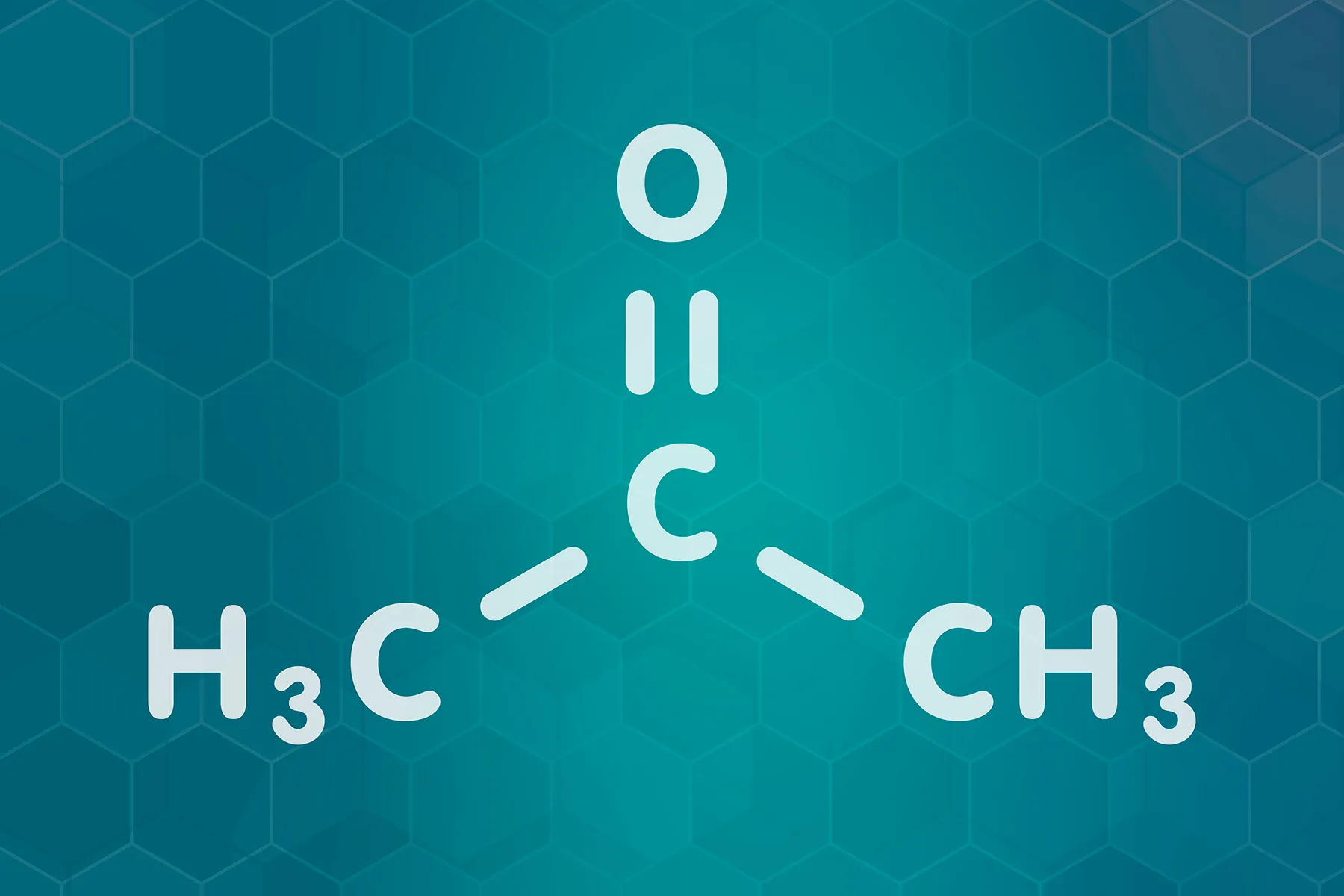
Acetone is one of those everyday chemicals that quietly does a lot of heavy lifting. It removes stubborn nail polish, cleans sticky residue, prepares surfaces for painting, dissolves certain plastics and resins, and disappears into the air so quickly it almost deserves a cape. But like many useful things hiding in a cabinet, acetone is not harmless just because it is common. A kitchen knife is common too, and nobody recommends juggling one while making pancakes.
In simple terms, acetone is a clear, fast-evaporating, highly flammable solvent. It belongs to a chemical family called ketones and is also known as propanone. Small amounts occur naturally in the environment and even inside the human body, especially when fat is broken down for energy. That does not mean a bottle of acetone belongs in your smoothie. The difference between natural trace amounts and careless exposure is the difference between a campfire and a garage fire.
This guide explains what acetone is, how it is used, why it works so well, and what risks matter most at home, in salons, workshops, laboratories, and industrial spaces. The goal is not to make acetone sound scary. The goal is to help you use it with the respect it deserves, which is exactly how all powerful tools should be treated.
What Is Acetone?
Acetone is a volatile organic compound, often shortened to VOC. “Volatile” means it evaporates easily at room temperature. “Organic” means it contains carbon. In everyday language, it means acetone can leave an open container quickly, fill the nearby air with vapor, and make your nose say, “Hello, something chemical is happening.”
Its most famous job is as a solvent. A solvent is a substance that dissolves other substances. Acetone is especially good at dissolving oils, greases, adhesives, paints, lacquers, nail polish, and some synthetic materials. It mixes with water, dries fast, and leaves very little residue. That combination makes it extremely useful in beauty care, manufacturing, automotive repair, printing, electronics, crafts, laboratories, and household maintenance.
Because acetone evaporates rapidly, people sometimes assume it “goes away” and therefore is not a concern. In reality, evaporation simply moves acetone from liquid form into the air. That is why ventilation matters. The smell may fade, but the safety habits should not.
Common Uses of Acetone
1. Nail Polish and Gel Polish Removal
The most familiar use of acetone is nail polish remover. Acetone breaks down nail lacquer quickly, which is why it works faster than many acetone-free removers. It is also used in many salon settings to remove gel polish, acrylic nails, and artificial nail products. When used properly, it can be effective and convenient. When overused, it can dry the skin, weaken nails, and irritate the eyes, nose, or throat.
For occasional at-home nail polish removal, acetone is usually manageable when used in small amounts with good airflow. For nail technicians, the exposure pattern is different. Salon workers may handle acetone and other nail chemicals for hours each day, so ventilation, gloves, covered trash cans, and smart product handling are not optional niceties. They are workplace safety basics.
2. Cleaning Grease, Oil, and Sticky Residue
Acetone is excellent at cutting through grease and sticky messes. It can remove adhesive residue, ink, labels, tape marks, and certain stains from hard surfaces. It is also used to clean tools, prepare surfaces, and remove contaminants before painting or bonding.
However, acetone is not a universal cleaner. It can damage plastics, painted finishes, varnished wood, vinyl, rubber, and some synthetic fabrics. Before using acetone on any surface, test a tiny hidden spot first. If the surface melts, dulls, wrinkles, or looks like it just heard bad news, stop immediately.
3. Paint, Lacquer, and Resin Work
In workshops and industrial settings, acetone is often used to thin or clean up paints, lacquers, fiberglass resins, and epoxies before they cure. It can clean brushes, wipe metal parts, and remove uncured resin from tools. This makes it popular among woodworkers, auto body workers, boat repair specialists, and makers who spend too much time saying, “This project will only take one weekend.”
The same qualities that make acetone useful in these jobs also make it risky. Large amounts can produce flammable vapor, and enclosed workspaces can accumulate irritating fumes. Spark-producing tools, pilot lights, cigarettes, heaters, and static electricity can all become serious hazards around acetone vapor.
4. Laboratory and Industrial Solvent
Acetone is widely used in laboratories because it dissolves many organic compounds and evaporates quickly. It is also used in chemical manufacturing, plastics production, pharmaceuticals, coatings, textiles, and electronics cleaning. In these environments, acetone should be handled under formal safety procedures, including proper labeling, storage, ventilation, personal protective equipment, and disposal practices.
5. Surface Preparation
Before gluing, painting, or sealing, a surface often needs to be clean and dry. Acetone can remove oils that interfere with adhesion. For metal, glass, and some ceramics, it may work well. But again, compatibility matters. Using acetone on the wrong surface can turn a cleaning job into a small renovation project, and nobody wants that plot twist.
Why Acetone Works So Well
Acetone works because it is both powerful and fast. It has a molecular structure that allows it to interact with many substances, including oils and resins. Since it mixes with water and evaporates quickly, it can clean without leaving much behind. That is why it feels almost magical when it removes polish in seconds or wipes away adhesive that survived soap, water, and several rounds of frustrated muttering.
But “fast” is also part of the risk. Acetone can dry out skin quickly by removing natural oils. It can also increase vapor concentration in poorly ventilated rooms. The better a solvent is at escaping into the air, the more important it is to keep that air moving.
Health Risks of Acetone Exposure
Short-Term Irritation
Short-term acetone exposure can irritate the eyes, nose, throat, and skin. Common symptoms may include watery eyes, a burning sensation in the nose or throat, coughing, dry skin, headache, dizziness, nausea, or feeling lightheaded. These effects are more likely when acetone is used in a small room, used for a long time, spilled, heated, or handled without basic protection.
Most mild irritation improves after leaving the area, getting fresh air, and washing exposed skin. But repeated exposure should not be ignored. A body that keeps sending warning signals is not being dramatic; it is filing a complaint.
Skin Dryness and Dermatitis
Acetone removes oils, which is great for cleaning metal but less wonderful for human hands. Repeated skin contact can cause dryness, cracking, redness, and irritation. People who use acetone often, including nail technicians, artists, mechanics, and hobbyists, may develop irritated skin if they do not protect and moisturize their hands.
Gloves can help, but not all gloves are equally protective against solvents. For short, occasional use, disposable nitrile gloves may help reduce direct contact, but heavy or prolonged use may require chemical-resistant gloves selected for acetone compatibility. When in doubt, check the product safety data sheet or glove manufacturer’s chemical resistance chart.
Breathing High Levels
Breathing high concentrations of acetone vapor can affect the central nervous system. Symptoms may include headache, dizziness, confusion, drowsiness, nausea, poor coordination, or, in extreme cases, unconsciousness. This is why acetone should never be used in a closed bathroom, tiny closet, basement corner, or any space where the air just sits there like it is waiting for retirement.
If someone feels dizzy, faint, confused, or short of breath while using acetone, they should move to fresh air immediately. If symptoms are severe or do not improve, seek medical help.
Swallowing Acetone
Swallowing acetone can be dangerous. It may cause mouth and throat irritation, vomiting, stomach pain, drowsiness, confusion, breathing problems, changes in heart rate, and metabolic problems. Children are at special risk because nail polish remover and similar products may be easy to access if not stored securely.
If acetone is swallowed, do not guess. In the United States, call Poison Help at 1-800-222-1222 or seek emergency medical care. Do not try home experiments, do not induce vomiting unless instructed by a medical professional, and definitely do not trust advice from a random comment section written by “GarageWizard97.”
Eye Contact
Acetone can seriously irritate the eyes. If it splashes into the eye, rinse gently with clean, room-temperature water for at least 15 minutes and contact Poison Control or a medical professional. Contact lenses should be removed if easy to do, but flushing should not be delayed.
Fire and Explosion Risks
The biggest physical hazard of acetone is flammability. Acetone catches fire easily, and its vapors can travel to an ignition source and flash back. That means the flame does not have to be right next to the bottle. A spark, pilot light, cigarette, hot tool, space heater, or electrical source nearby can create danger.
Never use acetone around open flames or high heat. Keep containers closed when not in use. Store acetone away from sunlight, heat, sparks, and oxidizing chemicals. Do not pour acetone down the drain, especially in large amounts, because vapors can collect in plumbing or enclosed spaces. Follow local hazardous waste rules for disposal.
Also, never mix acetone with random household chemicals. “Let’s see what happens” is not a safety plan; it is how warning labels are born.
Acetone at Home: How to Use It More Safely
For household use, the safest approach is to use the smallest amount needed and control the environment. Open a window, run a fan that moves air out of the room, and keep the container capped. Use acetone on a stable surface away from children, pets, flames, and heat. Avoid soaking large rags, cotton balls, or paper towels and leaving them exposed.
Use acetone only on materials you know can tolerate it. Glass, metal, and some ceramics usually handle acetone better than plastics or painted surfaces, but testing is still smart. Keep acetone off phone screens, eyeglass lenses, finished furniture, vinyl flooring, and anything you would be sad to replace.
After skin contact, wash with mild soap and water, then apply moisturizer. For nail use, consider petroleum jelly around the cuticles before removal, limit soaking time, and give nails breaks between harsh treatments. Beautiful nails are nice; angry cuticles are less charming.
Acetone in Nail Salons and Workplaces
In workplaces, acetone safety depends on exposure control. Nail salons, auto shops, labs, print shops, and manufacturing spaces should treat acetone as a chemical that needs proper handling, not as “just remover.” Good ventilation is essential. Local exhaust ventilation near the work area is better than simply hoping an open door will save the day.
Workers should store acetone in approved containers, keep lids closed, label containers clearly, and avoid using food containers for chemical storage. Waste soaked with acetone should go into covered metal containers designed for solvent waste. Employers should provide safety training, safety data sheets, appropriate gloves, eye protection when splashes are possible, and clear emergency procedures.
Occupational exposure limits exist to reduce risk for workers, but limits are not magic force fields. A worker may still experience irritation below a limit, especially when multiple chemicals are present. If the room smells strongly of solvents all day, the answer is not “get used to it.” The answer is better controls.
Environmental Concerns
Acetone can enter the environment from industrial processes, vehicle exhaust, tobacco smoke, waste handling, and the use of consumer products. It also occurs naturally from plants, trees, volcanoes, and body metabolism. In air, acetone breaks down over time. In water and soil, it can be degraded by microorganisms. Still, disposal matters.
Small amounts from consumer use should be handled according to the product label and local waste guidance. Larger quantities should be treated as hazardous waste. Pouring solvents into drains, onto soil, or into storm sewers is unsafe and may violate local rules. The environment is not a giant trash can with better scenery.
Acetone vs. Acetone-Free Removers
Acetone-free nail polish removers often use alternative solvents such as ethyl acetate, propylene carbonate, or other ingredients. These products may be less drying for some people, but “acetone-free” does not automatically mean risk-free. Alternative solvents can still irritate skin, eyes, and lungs, and they may take longer to work, which can increase rubbing or exposure time.
The best choice depends on the job. For regular polish and sensitive nails, an acetone-free remover may be gentler. For glitter polish, gel polish, or artificial nail products, acetone may be more effective. Either way, ventilation and moderation still matter.
Who Should Be Extra Careful?
Some people should be more cautious with acetone exposure. This includes children, pregnant people, people with asthma or respiratory conditions, people with sensitive skin, workers who use solvents daily, and anyone using acetone in a small or poorly ventilated space. People with diabetes should also be aware that acetone can be associated with ketone metabolism in the body, but using acetone externally is not the same as producing ketones internally. If breath smells fruity and symptoms such as nausea, confusion, or rapid breathing occur, that is a medical issue and should be handled urgently.
Practical Safety Checklist
- Use acetone only in a well-ventilated area.
- Keep it away from flames, sparks, heaters, and cigarettes.
- Wear gloves when repeated or prolonged contact is likely.
- Use eye protection if splashing is possible.
- Keep containers tightly closed when not in use.
- Store acetone away from children and pets.
- Test surfaces before cleaning with acetone.
- Do not mix acetone with other chemicals.
- Dispose of waste according to local rules.
- Call Poison Control at 1-800-222-1222 for accidental ingestion or concerning exposure in the United States.
Real-World Experiences With Acetone: Lessons From Homes, Salons, and Workshops
Anyone who has used acetone more than once learns quickly that it is a chemical with personality. It does not politely wait around. It evaporates, announces itself with a sharp smell, removes things fast, and occasionally attacks the exact surface you forgot to test. That is why real-world experience with acetone tends to produce the same lesson: this stuff is useful, but it rewards preparation.
In a typical home setting, the most common acetone experience is nail polish removal. A person sits down with cotton pads, a bottle of remover, and great optimism. The polish comes off quickly, especially dark colors and glitter polish that previously seemed bonded to the nail by ancient magic. But after a few minutes, the skin around the nails may feel tight and dry. That is acetone doing what it does best: dissolving oils. The practical fix is simple. Use only what is needed, wash hands afterward, and moisturize. For people who do their nails often, alternating with gentler removers or taking polish breaks can help prevent brittle nails and irritated cuticles.
In craft rooms and garages, acetone often appears when something sticky refuses to leave. Label residue on glass jars, adhesive on metal tools, uncured resin on a scraper, or paint smudges on a workbench may all surrender to acetone. The satisfying part is how quickly it works. The less satisfying part is discovering that acetone can cloud plastic, remove paint, or dull a finish. Many people learn this after cleaning one “tiny spot” that becomes a permanent pale patch. The experienced user tests first, uses a small amount, and keeps acetone away from treasured surfaces.
In workshops, acetone teaches another lesson: airflow is not decorative. A quick wipe of a metal part may not seem like much, but repeated use can fill the air with vapor. The smell can become strong, and headaches or lightheadedness may follow. Opening a door is better than nothing, but active ventilation is better. Professionals often use acetone near exhaust systems, in controlled areas, and with proper waste containers. Casual users should copy the spirit of that approach, even if they are only cleaning a bicycle part or prepping a small repair.
In nail salons, the experience is more serious because exposure can be repeated day after day. Customers may notice the chemical smell for an hour, but workers may breathe it for an entire shift. That difference matters. Good salons use ventilation, close containers promptly, store chemicals properly, and train staff. A clean-looking salon is nice, but a well-ventilated salon is healthier. If the air feels heavy with solvent fumes, that is not “the smell of beauty.” It is a sign that the room needs better chemical control.
Another common lesson is storage. Acetone should not live next to heat sources, candles, pilot lights, or curious children. It should not be poured into an unmarked bottle because someone “will remember what it is.” People do not always remember. Labels exist because future-you is busy, distracted, and possibly holding a sandwich.
The best experience with acetone is boring: it works, nothing catches fire, nobody gets dizzy, no surface melts, and the container goes back into safe storage. That may not sound dramatic, but with solvents, boring is excellent. Acetone is not a villain. It is a powerful helper that needs boundaries. Use it with ventilation, distance from flames, skin protection, surface testing, and common sense, and it can do its job without turning a simple task into a safety story you tell forever.
Conclusion
Acetone is useful because it is fast, effective, and versatile. It removes nail polish, dissolves adhesives, cleans grease, prepares surfaces, and supports countless industrial and laboratory tasks. But the same properties that make it helpful also create risks. It evaporates quickly, dries skin, irritates eyes and airways, and catches fire easily.
The smart approach is balance. You do not need to fear acetone, but you should not treat it like scented water either. Use small amounts, keep the air moving, avoid flames, protect your skin and eyes, store it safely, and take accidental exposure seriously. With the right precautions, acetone can remain what it should be: a practical solvent, not the main character in an emergency.












