
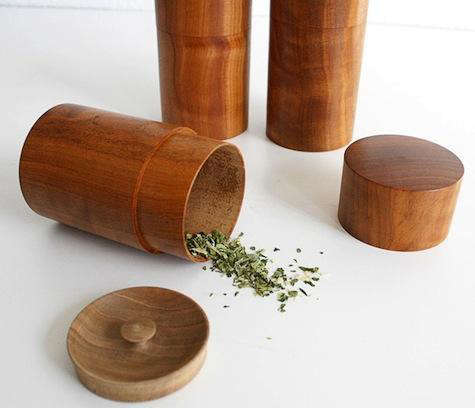
Some kitchen accessories are loud. They arrive with chrome, blinking lights, Bluetooth connectivity, and the emotional confidence of a tiny spaceship. Then there are Tatsuya Aida’s tea containers: quiet, wooden, hand-turned, and so beautifully restrained that they make a plastic tea tin look like it showed up to dinner wearing gym socks.
Known for finely crafted wooden tea caddies, Tatsuya Aida creates objects that sit at the crossroads of Japanese craft, everyday utility, and functional art. His tea containers are not just storage vessels for loose-leaf tea; they are small studies in precision, patience, material honesty, and the deeply satisfying feeling of a lid that closes exactly as it should. In a world where many kitchen accessories are designed to be replaced, Aida’s containers seem designed to be used, admired, and quietly kept.
The appeal is simple but powerful: natural wood, careful proportions, a tight-fitting lid, and a form that respects the tea inside. Whether made from Japanese cherry wood, walnut, plum, rosewood, black persimmon, or other woods, these tea caddies show how a humble container can become the most elegant object on the shelf without ever raising its voice.
Who Is Tatsuya Aida?
Tatsuya Aida is a Japanese craftsman associated with hand-turned wooden tableware and small functional objects. His work has gained attention among design lovers because it represents a kind of luxury that does not depend on glitter, branding, or unnecessary decoration. Instead, the value comes from material, touch, balance, and technique.
His tea containers are often described as wooden tea caddies or chazutsu, a Japanese term for tea canisters. Unlike mass-produced storage jars, Aida’s pieces are shaped with careful attention to the way the body and lid meet. The fit is part of the magic. A well-made tea caddy should protect the tea from air, light, moisture, and intrusive smells. Aida’s versions do this while also making the simple act of opening tea feel slightly ceremonial, even if you are still wearing pajamas and pretending your inbox does not exist.
What Makes Tatsuya Aida’s Tea Containers Special?
1. A Tight Seal That Feels Almost Magical
The most talked-about feature of Tatsuya Aida’s tea containers is the precision of the lid. In traditional tea storage, a tight seal is not merely a nice detail; it is essential. Loose-leaf tea is vulnerable to air, moisture, heat, light, and strong odors. Store delicate green tea beside a jar of cumin and, congratulations, you may have invented a beverage no one asked for.
Aida’s containers are admired for the close fit between lid and body. This creates the kind of gentle resistance and smooth closure that makes people pause for a second. It is not flashy engineering. It is craft engineering: the kind that happens slowly, by hand, and through repeated attention to tiny differences in surface, thickness, and movement.
2. Natural Wood With Character
Wood is never boring if you give it a chance. Each piece has its own grain, tone, and personality. Japanese cherry wood may feel soft and warm; walnut can look deeper and moodier; black persimmon may carry dramatic contrast. Aida’s tea caddies do not try to hide the natural character of the material. They invite you to look at it.
This matters because tea itself is a sensory object. Before you brew it, you notice the color of the leaf, the scent, the texture, the dryness, the curl, and the weight. A wooden tea container complements that experience. It says, “Yes, this tea deserves better than the crumpled foil bag you keep bullying into a drawer.”
3. Small Scale, Big Presence
Many of Aida’s tea caddies are compact, with sizes designed for modest quantities of tea. That smallness is part of the charm. These are not bulk-storage bins for someone panic-buying sencha before a snowstorm. They are intimate containers, ideal for tea drinkers who buy smaller amounts and want to keep them fresh.
Smaller storage also makes practical sense. The less air trapped inside a container, the better the tea is likely to keep its aroma and flavor. For delicate teas, especially Japanese green teas, this can make a noticeable difference. Aida’s containers encourage a better tea habit: buy thoughtfully, store carefully, drink while fresh, repeat with joy.
The Japanese Tea Caddy Tradition
Tea containers have a long cultural history in Japan. In Japanese tea practice, utensils are not treated as background equipment. A tea bowl, tea scoop, kettle, caddy, and cloth can all become objects of attention. The container is part of the experience, not just a backstage assistant holding leaves until showtime.
Historically, tea caddies have appeared in ceramic, lacquer, metal, and wood. Some are associated with formal tea ceremony, while others belong more naturally to everyday tea storage. Tatsuya Aida’s wooden containers feel modern, but they also echo the older Japanese belief that practical objects deserve care, beauty, and respect.
This is where the idea of functional art becomes useful. Aida’s tea caddies are functional because they store tea well. They are artful because the proportions, surface, lid fit, and grain make them worth looking at even when they are empty. In other words, they do not need to be precious to be meaningful. They simply need to be made well.
Why Tea Storage Matters More Than People Think
Tea is dramatic, but quietly dramatic. It does not spoil like milk, which announces its downfall with confidence. Tea declines more subtly. Its aroma fades. Its flavor becomes flat. The bright grassy note of green tea turns sleepy. A floral oolong loses its perfume. A black tea that once had depth begins tasting like warm cardboard with ambition.
Good tea storage protects against five main enemies: air, light, moisture, heat, and odor. This is why tea lovers often choose airtight, opaque containers and keep them in cool, dark cabinets. Aida’s wooden tea containers fit beautifully into this philosophy. They provide protection while also giving the tea a home that feels intentional.
Best Practices for Using a Wooden Tea Container
To get the best performance from a fine wooden tea caddy, keep it away from direct sunlight, steam, and heat sources. Do not place it next to the stove, above the dishwasher, or beside the spice rack unless you want your tea to develop a mysterious garlic personality.
Use one container for one type of tea whenever possible. Wood can hold aroma over time, especially if the tea is strongly scented. A caddy used for jasmine tea may not be the best future home for a delicate gyokuro. Also, avoid washing the interior with strong soap unless the maker specifically recommends it. A dry wipe is often safer for maintaining the character of the wood.
Design Analysis: Why These Containers Look So Calm
The beauty of Tatsuya Aida’s tea containers comes from restraint. There are no unnecessary handles, no loud logos, no decorative shouting. The shape is cylindrical, compact, and balanced. The lid sits cleanly. The grain carries the visual interest. The object looks calm because nothing is competing for attention.
This makes the containers easy to style in many interiors. In a minimalist kitchen, they feel perfectly at home. In a rustic kitchen, they add refinement. On an open shelf, they bring warmth. On a tea tray, they become the quiet star. They also pair beautifully with ceramic cups, cast iron kettles, bamboo scoops, linen napkins, and stoneware plates.
For SEO readers shopping for tea accessories, this is a useful point: a premium tea container should do more than look pretty in product photos. It should improve the ritual of tea. Aida’s containers succeed because they make storage feel connected to brewing. You open the caddy, notice the scent, measure the leaves, and slow down for a moment. That moment is the product.
Who Should Consider a Tatsuya Aida Tea Container?
A Tatsuya Aida tea container is ideal for people who love loose-leaf tea, Japanese design, handmade kitchen accessories, and objects that become more beautiful with use. It is also a thoughtful gift for someone who already owns enough mugs to open a small café but still deserves something special.
These tea caddies are not necessarily for everyone. If you drink supermarket tea bags once a month and mostly use your kettle to speed up instant noodles, a handmade wooden tea caddy may feel like inviting a violinist to play at a microwave dinner. But if you enjoy sencha, hojicha, genmaicha, oolong, black tea, herbal blends, or carefully sourced loose-leaf tea, the upgrade makes sense.
Great Uses Beyond Tea
Although designed for tea, a wooden caddy can also store small amounts of coffee beans, depending on size and aroma considerations. Some collectors use similar containers for spices, incense, or small keepsakes. Still, tea is where Aida’s work feels most natural. The relationship between wood, leaf, and hand movement is difficult to beat.
How to Style Tea Containers in the Kitchen
One of the easiest ways to make a kitchen feel more intentional is to replace visual clutter with useful beauty. A Tatsuya Aida tea container does exactly that. Instead of a half-folded bag of loose tea secured with a clip that has seen things, you get a sculptural object that belongs on display.
Place one or two containers on a small tray with a favorite teapot, tea scoop, and cup. Keep the arrangement simple. The goal is not to build a museum installation called “My Personality, But Caffeinated.” The goal is to make brewing tea easier and more pleasant.
For open shelving, group wooden tea caddies with ceramics in neutral tones. Warm wood pairs well with white porcelain, gray stoneware, black clay, and natural linen. If your kitchen has stainless steel appliances, the wood can soften the look. If your kitchen already has wood cabinets, choose a contrasting tone so the caddy does not visually disappear.
Buying Considerations: What to Look For
When shopping for a handmade tea container, pay attention to size, material, lid fit, finish, and intended use. A smaller caddy is better for delicate teas you drink quickly. A larger one may work for daily black tea or roasted teas. The lid should close smoothly and securely. The finish should feel pleasant in the hand, not sticky, overly glossy, or rough.
Material also matters. Cherry wood offers warmth and elegance. Walnut brings depth. Rare woods add uniqueness, though availability changes. Because handmade pieces are often produced in small quantities, specific sizes and woods may sell out. That is part of the appeal and, admittedly, part of the mild emotional danger of collecting beautiful kitchen objects.
The Experience of Living With a Tatsuya Aida Tea Container
The first thing you notice is the touch. A good wooden tea caddy does not feel like an object you simply grab. It feels like something you hold. The surface is smooth but not lifeless. The curve fits the palm. The lid asks for a small, deliberate movement. It turns tea storage into a tiny ritual before the actual ritual begins.
In daily use, that small pause matters. Mornings can be chaotic. Emails multiply. Toast burns. Someone somewhere is using a leaf blower at an hour that should be illegal. But when you open a well-made tea container, the pace changes. You are forced, gently, to pay attention. The lid lifts. The aroma appears. The leaves wait. For a few seconds, the day becomes less bossy.
There is also a practical pleasure in assigning a favorite tea to a specific container. One caddy may become the home of roasted hojicha, with its warm, nutty scent. Another may hold a spring sencha, bright and grassy. Over time, the container becomes associated with that tea and that mood. It is storage, yes, but also memory with a lid.
Guests notice these containers, too, though usually in a quiet way. They may ask, “What is that?” not because it screams for attention, but because it looks considered. In a kitchen full of appliances, packaging, and labels, a simple wooden cylinder feels refreshingly human. It suggests that someone in the house values slowness, craft, and leaves that have not been crushed into dusty little envelopes.
Using a Tatsuya Aida tea container also changes how you buy tea. Instead of hoarding too many varieties, you may become more selective. The container encourages quality over quantity. It makes sense to buy a tea worth storing well. That is a surprisingly useful lesson in a world where the pantry often becomes a retirement home for forgotten blends named things like “Winter Moonlight Cranberry Meditation.”
Maintenance becomes part of the relationship. You learn not to leave the caddy near steam. You keep it away from direct sun. You handle it with dry hands. You avoid filling it with aggressively scented teas unless you are comfortable letting that aroma linger. These habits are simple, but they turn ownership into care.
The best experience, however, is how the object ages. Wood changes gently through use. It may deepen in tone, develop a softer sheen, or feel more personal over time. Unlike plastic containers that look older by looking worse, a well-crafted wooden caddy can look older by looking wiser. That is a rare trick and one of the reasons handmade tea accessories remain so beloved.
If you are building a tea corner at home, start modestly. Choose one excellent tea, one good cup, one reliable kettle, and one beautiful container. You do not need a full ceremony room, a mountain view, or the ability to speak poetically about steam. You only need a small setup that invites you to return. A Tatsuya Aida tea container fits that role perfectly: useful enough for daily life, beautiful enough to make daily life feel less ordinary.
Final Thoughts
Tatsuya Aida’s tea containers prove that the best accessories are not always the loudest ones. They do not need buttons, screens, or a dramatic unboxing video. Their beauty lives in the fit of the lid, the grain of the wood, the curve of the form, and the way they protect something as delicate as tea.
For anyone who loves Japanese design, handcrafted kitchen accessories, or the quiet luxury of objects made with care, these wooden tea caddies are worth admiring. They remind us that storage can be more than storage. It can be a ritual, a design statement, and a small daily pleasure. And frankly, if your tea could talk, it would probably ask to move in immediately.












