
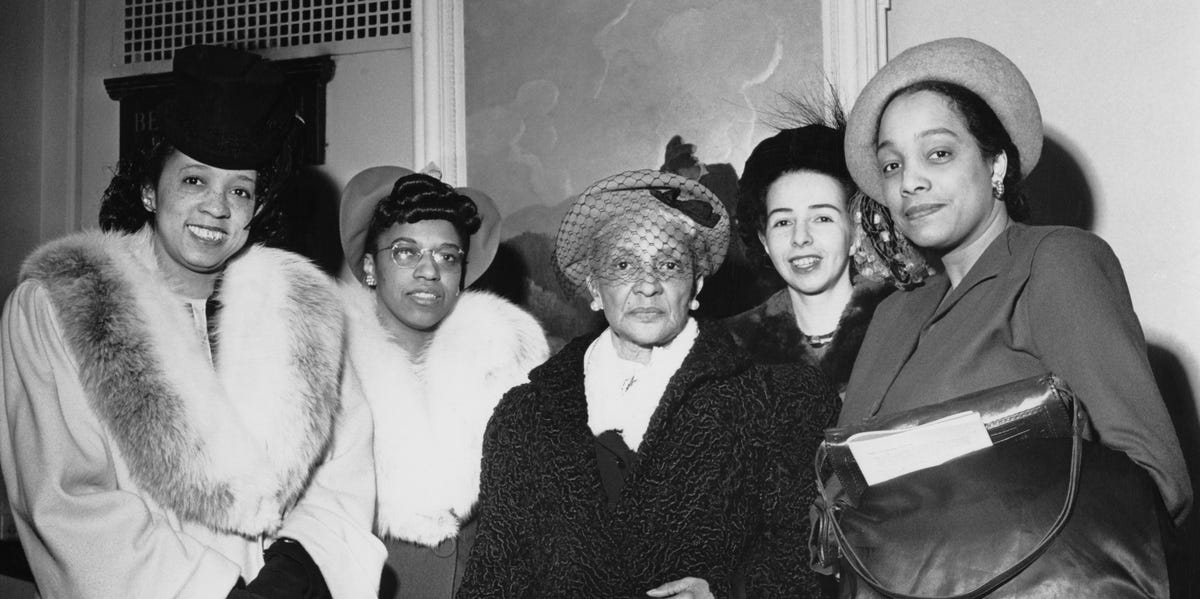
The 1940s were not exactly an era of casual overthinking. World War II, rationing, changing roles for women, and the sudden rise of American fashion all helped shape a style decade that was practical, polished, and surprisingly inventive. In other words, it was the kind of fashion period that could make a hat feel responsible, a brooch feel strategic, and a pair of gloves look like they had stronger opinions than most people in a group chat.
That is exactly why Accessories From the 1940s That Will Elevate Your Wardrobe still matter now. The decade delivered finishing touches that were sharp without being fussy, glamorous without being chaotic, and useful without looking boring. These were accessories designed to make an outfit look complete. Not “I threw this on and hoped for the best.” More “I have a train to catch, a victory garden to tend, and somehow I still look immaculate.”
If you want to bring more structure, confidence, and character into your closet, the best 1940s accessories are a smart place to start. They work beautifully with modern basics, they photograph like a dream, and they instantly add a sense of intention. Here is how the decade’s most memorable accessories can still elevate a modern wardrobe today.
Why 1940s Accessories Still Feel So Modern
The secret to 1940s style is balance. Early in the decade, wartime shortages pushed fashion toward utility, slimmer shapes, and clever material choices. Later in the 1940s, postwar glamour returned with more romance, femininity, and dressier finishing touches. That means the decade gives you two excellent style moods to borrow from: practical polish and polished drama.
That mix is incredibly wearable today. Modern wardrobes are full of simple pieces: blazers, denim, knit dresses, trousers, white shirts, loafers, and understated outerwear. Add the right vintage accessories from the 1940s, and those everyday clothes suddenly look smarter. A belt sharpens the silhouette. A brooch adds personality. A scarf brings motion. Gloves and structured bags add elegance without requiring you to dress like you are heading to a black-and-white film premiere, although honestly, you could.
1. Small Hats and Headwear With Big Personality
When fabric was scarce during the war, hats did not disappear. They got smarter. Smaller hats, sailor hats, turbans, snoods, and practical headwraps became part of the look. Instead of giant, dramatic constructions from earlier eras, 1940s headwear often sat at an angle, framed the face, and gave an outfit instant polish.
That is great news for anyone trying to wear vintage-inspired accessories in real life without looking like they lost a bet at a costume party. A small structured hat, a tilted beret, or a neatly tied scarf can still do what 1940s headwear did best: make an outfit look deliberate. Pair one with a trench coat, simple dress, or tailored blazer, and your wardrobe suddenly gains more authority. Your clothes may still be from this century, but your styling clearly went to finishing school.
How to wear it now
Try a compact beret, a scarf tied over the crown of the head, or a structured straw or felt hat with a clean silhouette. The trick is proportion. Keep the rest of the outfit modern and unfussy so the headwear feels chic rather than theatrical.
2. Leather Gloves That Instantly Make Everything Look Expensive
If one accessory defines 1940s elegance, it is the glove. Day gloves, suede gloves, leather gloves, and dressier evening versions all played an important role in the decade’s style language. They communicated polish, composure, and a level of self-possession that modern fashion often tries to imitate through oversized sunglasses and “quiet luxury.” The 1940s simply did it with gloves and better posture.
Gloves are also one of the easiest ways to lift a cold-weather wardrobe. A camel coat with bare hands is nice. A camel coat with tailored leather gloves is a whole point of view. Even if you only wear them seasonally, they bring a kind of cinematic refinement that modern accessories often miss.
For eveningwear, gloves can still be magic. With a sleeveless black dress, kitten heels, and a compact bag, they transform the look from “minimal” to “memorably chic.” The key is restraint. You do not need opera-length satin every Tuesday. A fitted pair of leather or suede gloves will do plenty of heavy lifting.
3. Structured Handbags and Top-Handle Purses
The 1940s loved a bag with manners. Structured purses, top-handle bags, compact leather styles, and dressier evening clutches all helped complete the era’s clean, tailored silhouettes. These bags did not slouch. They did not puddle. They did not look like they were carrying a laptop, gym shoes, three lip balms, and emotional baggage. They were compact, tidy, and composed.
That structure is exactly what makes them feel relevant now. A retro handbag with a firm shape instantly sharpens modern outfits. It adds visual discipline to wide-leg pants, soft knits, or oversized blazers. It can even rescue a simple jeans-and-sweater outfit from looking like you gave up halfway through getting dressed.
The beauty of a 1940s-inspired bag is that it does not have to be literal vintage. Look for modern bags with a top handle, a modest frame, a hard or semi-structured body, and minimal hardware. Neutral leather is especially versatile, but rich oxblood, dark green, navy, and black also capture that mid-century seriousness in the best possible way.
4. Brooches and Pins That Add Instant Character
Brooches were everywhere in the 1940s, and for good reason. They were expressive, practical, and often made from inventive materials, including early plastics such as Bakelite and cellulose nitrate. During and after the war, pins and brooches could be decorative, sentimental, patriotic, or simply stylish. They gave women a way to personalize suits, coats, hats, and dresses without overcomplicating the entire outfit.
Today, the brooch is one of the most underused tools in fashion, which is precisely why it feels so fresh. Pin one on a blazer lapel, the shoulder of a knit dress, a winter coat, or even a scarf knot, and the whole look becomes more interesting. It is a small move with outsized payoff. Also, unlike some trendy accessories, a good brooch never screams for attention. It just quietly wins.
Floral brooches, bow-shaped pins, military-inspired pieces, and jewel-toned costume jewelry all work beautifully. If you are nervous, start with one pin on a blazer. Once you realize how much charm it adds, you may begin considering your coat collar a blank canvas. That is how it starts.
5. Belts That Create the 1940s Silhouette
The 1940s silhouette depended on definition at the waist. Whether the decade leaned practical or glamorous, belts helped create shape. They made tailored jackets look sharper, dresses look more intentional, and sportswear feel pulled together. In a decade where clothing needed to work hard, belts earned their keep.
This is still true now. A belt is one of the fastest ways to make an outfit look styled rather than merely worn. Cinch a blazer. Define a shirt dress. Add one over a knit dress or coat. Use it to create shape where modern oversized dressing can sometimes lose it.
For a 1940s-inspired effect, choose medium-width belts in leather or textured materials with simple buckles. The goal is not flashy branding. The goal is shape, balance, and confidence. Think less “logo parade,” more “elegant woman who always knows where her keys are.”
6. Silk Scarves and Headscarves That Do Everything
Scarves were the multitaskers of the 1940s. They could be tied at the neck, wrapped over the hair, tucked into jackets, or used to soften tailored clothes. During the war years, practical head coverings also helped women working in factories keep hair out of the way. Later, scarves remained part of a polished, feminine wardrobe that balanced utility with grace.
That versatility makes them one of the best 1940s fashion accessories to wear today. A neck scarf can brighten a plain sweater or white shirt. A headscarf makes a summer outfit feel more intentional. A silk scarf looped through a handbag handle adds a vintage touch without requiring any major commitment. It is the accessory equivalent of being charming and useful at the same time.
Try small geometric prints, florals, stripes, or rich solids. Tie one loosely at the throat with a collared blouse, or knot one over your hair with sunglasses and a crisp button-down. It looks polished, feminine, and just a little bit like you know more than everyone else at the farmer’s market.
7. Stockings, Seams, and the Art of a Finished Look
Nothing says 1940s polish quite like hosiery. Nylon stockings became an instant sensation at the start of the decade, then wartime demand redirected nylon to military use, which led to shortages and the now-famous era of liquid stockings and drawn-on seams. That history matters because it shows just how central a finished leg line was to the look of the period.
Modern wardrobes do not require literal vintage hosiery to borrow that lesson. What still works is the principle behind it: the 1940s believed in a finished look. Tights, sheer hosiery, seamed stockings, or even simply well-chosen socks with polished shoes can recreate that sense of completion. The accessory itself is less important than the effect. The outfit should not feel accidental.
That is part of what makes 1940s style so satisfying. It is detail-oriented without being loud. Even a subtle pair of sheer stockings with pumps or loafers can make a contemporary outfit feel more elegant. It is a quiet styling move, but the 1940s were full of those.
8. Practical Shoes With Poise
Yes, shoes count here, because in the 1940s they were often shaped by the same resourcefulness that influenced every other accessory. Wartime shortages led to sturdy, rounded-toe shoes, substantial heels, and alternative materials such as cork, raffia, and espadrille-style constructions. These were not flimsy little decorations. They were shoes for real life, just with better posture and nicer tailoring.
That is one reason 1940s-inspired shoes still work so well. Block heels, low pumps, lace-ups, loafers, and practical sandals have the same mix of substance and style that modern wardrobes need. They complement dresses, trousers, denim, and suiting without looking overly precious.
If you want the decade’s spirit without going full reproduction, look for almond or rounded toes, moderate heels, and materials with texture. Skip anything too aggressively platformed or hyper-glossy. The 1940s aesthetic is grounded. It wants elegance, but it also wants to catch the bus.
How to Style 1940s Accessories Without Looking Costume-y
The easiest mistake with retro fashion is trying to recreate an era too literally. The smartest move is to borrow one or two strong accessories and let modern clothing carry the rest. A silk scarf with a white shirt and jeans. Leather gloves with a wool coat. A brooch on a blazer. A structured bag with a slip skirt and knit. A waist belt over a simple midi dress.
These combinations work because the accessories provide the drama while the clothes keep things current. The result is not costume. It is style with a point of view. That is what the 1940s did so well. Even at their most glamorous, the accessories had purpose.
If your wardrobe currently feels a little too safe, a little too soft, or a little too “I bought this because the algorithm suggested it,” 1940s accessories are an excellent antidote. They add architecture, polish, sentiment, and authority. They remind you that getting dressed can still involve wit, detail, and a little strategic flair.
The Experience of Wearing 1940s Accessories in a Modern Wardrobe
For many people, the real magic of Accessories From the 1940s That Will Elevate Your Wardrobe is not just how they look, but how they change the experience of getting dressed. A structured handbag makes you carry yourself differently. Gloves encourage slower, more deliberate movements. A brooch makes you think about placement. A scarf makes you pause in front of the mirror for one extra second and decide whether you are feeling elegant, playful, or slightly mysterious. That small act of intention can change the whole mood of a day.
There is also something deeply satisfying about the practicality of these accessories. A belt does not just decorate a dress; it fixes the shape. A headscarf is not just pretty; it solves a bad hair day with suspicious ease. Gloves keep you warm while making your coat look better. A compact purse forces a level of honesty about what you actually need to carry. The 1940s were excellent at combining usefulness with beauty, and wearing these pieces now can feel oddly refreshing in a fashion culture that sometimes treats discomfort as a personality trait.
Another part of the experience is confidence. 1940s accessories tend to make people look composed, even when they absolutely do not have their lives together. That is one of fashion’s great public services. Add a brooch to a blazer, and suddenly you look like you know exactly what the meeting is about. Tie on a scarf, and somehow a coffee run feels like a scene. Slip on low heels with sheer tights, and a simple dress starts to feel intentional rather than default. These details create a sense of readiness. Not perfection. Just readiness, which is much more useful.
There is often a social element, too. Vintage-inspired accessories invite conversation in a way trendy basics rarely do. People notice gloves. They ask about brooches. They compliment a structured handbag or scarf because those pieces feel personal rather than mass-produced. Wearing them can make style feel more expressive and less disposable. It is not just about looking “old Hollywood” or “classic.” It is about showing that your outfit has memory, taste, and a little bit of nerve.
Most of all, wearing 1940s-inspired accessories can reconnect fashion with pleasure. Not the frantic pleasure of buying ten things you do not need, but the quieter pleasure of choosing one very good detail. That is the enduring lesson of the decade. When clothes are simple, accessories matter more. When life is busy, the right finishing touch can still make you feel pulled together. And when your wardrobe needs reviving, sometimes the answer is not a whole new closet. Sometimes it is a pair of gloves, a silk scarf, a sharp belt, and a brooch that behaves like it knows exactly what it is doing.
Conclusion
The best 1940s accessories are not relics. They are style tools. Hats frame the face. Gloves refine the silhouette. Structured bags create polish. Brooches add charm. Belts define shape. Scarves bring movement. Hosiery and practical shoes complete the look. Together, they offer something modern wardrobes often lack: intention.
So if you want to elevate your closet without chasing every passing trend, look to the 1940s. It was a decade shaped by necessity, ingenuity, and elegance, which may be why its accessories still feel so relevant. They were built to finish an outfit properly. Decades later, they still do.













