
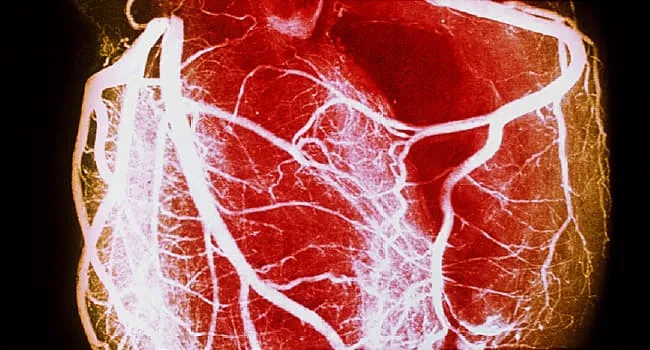
Heart disease is not one single illness wearing a dramatic red costume. It is a broad family of conditions affecting the heart muscle, blood vessels, valves, or electrical system. Some forms develop quietly for years, while others announce themselves with chest pressure, breathlessness, or a heartbeat that suddenly seems to be improvising jazz.
This visual guide explains what can go wrong, what common symptoms may look like, how doctors investigate them, and which everyday actions can protect the heart. It is designed to make a complicated subject easier to picturenot to turn readers into overnight cardiologists with suspiciously confident opinions about echocardiograms.
First, Picture How a Healthy Heart Works
The heart is a muscular pump divided into four chambers. The right side receives oxygen-poor blood and sends it to the lungs. The left side receives oxygen-rich blood from the lungs and pumps it through the body.
Four valves act like one-way doors, opening and closing to keep blood moving in the correct direction. Coronary arteries running along the heart’s surface supply the muscle itself with oxygen. An internal electrical system coordinates each heartbeat.
Heart disease can therefore be pictured as a problem with one or more of four basic systems: the supply pipes, the pump, the doors, or the wiring.
The Four Main Pictures of Heart Disease
1. Coronary Artery Disease: Narrowed Supply Pipes
Coronary artery disease, or CAD, is the most common form of heart disease in the United States. It develops when plaque accumulates inside the arteries supplying the heart muscle. Plaque contains cholesterol, fat, calcium, and other substances found in the blood.
A narrowed artery may not cause symptoms while a person is resting. During exercise or emotional stress, however, the heart needs more oxygen. If the artery cannot deliver enough blood, chest discomfort called angina may occur.
If plaque ruptures, a blood clot can form on its surface and suddenly block blood flow. That event may cause a heart attack, also called a myocardial infarction. A heart attack damages heart muscle; it is not merely “really bad chest pain.”
2. Arrhythmias: Trouble in the Wiring
An arrhythmia occurs when the electrical signals controlling the heartbeat do not travel normally. The heart may beat too fast, too slowly, or irregularly.
Some rhythm changes are harmless. Others reduce the heart’s ability to pump blood or increase the risk of stroke and other complications. Possible signs include palpitations, fluttering in the chest, dizziness, fainting, weakness, shortness of breath, or chest discomfort.
Atrial fibrillation is a common arrhythmia in which the upper chambers quiver instead of contracting effectively. Blood may pool inside them, increasing the chance that a clot will form and travel to the brain.
3. Valve Disease: Doors That Leak or Stick
Heart valves must open fully and close tightly. A valve affected by stenosis becomes too narrow, forcing the heart to push harder. A valve affected by regurgitation does not close properly, allowing blood to leak backward.
Valve disease can cause fatigue, shortness of breath, swelling, chest discomfort, fainting, or a heart murmur. Mild cases may simply require monitoring. More severe disease may require medication, valve repair, or valve replacement.
4. Cardiomyopathy and Heart Failure: Problems With the Pump
Cardiomyopathy is a disease of the heart muscle. The muscle may become enlarged, unusually thick, stiff, or weak. These changes can interfere with filling, pumping, or electrical signaling.
Heart failure does not mean that the heart has stopped. It means the heart cannot pump or fill well enough to meet the body’s needs. Blood may back up, and fluid can collect in the lungs, legs, ankles, feet, or abdomen.
Heart Attack, Cardiac Arrest, and Heart Failure Are Not the Same
| Condition | What Happens | Typical Urgency |
|---|---|---|
| Heart attack | Blood flow to part of the heart muscle becomes severely reduced or blocked. | A medical emergency requiring immediate care. |
| Cardiac arrest | The heart suddenly stops pumping blood effectively, usually because of an electrical malfunction. | An immediate life-threatening emergency requiring CPR and an automated external defibrillator when available. |
| Heart failure | The heart gradually or suddenly becomes unable to pump or fill adequately. | Usually a chronic condition, although sudden worsening can be an emergency. |
A heart attack can trigger cardiac arrest, but the terms are not interchangeable. Think of a heart attack as a circulation problem and cardiac arrest as an electrical shutdown.
What Heart Disease Can Look and Feel Like
Heart symptoms do not always resemble the movie version in which someone grabs the left side of the chest and collapses before finishing a sentence. Symptoms vary according to the condition, the person, and the severity of the problem.
Common Warning Signs
- Chest pressure, tightness, squeezing, heaviness, burning, or discomfort
- Shortness of breath during activity, at rest, or while lying down
- Pain or discomfort in an arm, shoulder, back, neck, jaw, or upper abdomen
- Unexplained fatigue or a sudden decline in exercise tolerance
- Dizziness, fainting, confusion, or weakness
- A racing, pounding, fluttering, or irregular heartbeat
- Swelling in the legs, ankles, feet, or abdomen
- A persistent cough, especially when lying flat
- Cold sweat, nausea, or lightheadedness
Symptoms May Be Less Obvious in Women
Chest discomfort remains a common heart attack symptom in women, but some experience shortness of breath, nausea, back or jaw pain, dizziness, weakness, or unusual exhaustion. Symptoms can appear during rest or emotional stress and may be mistakenly blamed on indigestion, anxiety, aging, or a spectacularly bad night’s sleep.
Anyone with new, unexplained, or worsening symptoms should take them seriously, regardless of sex or age.
When to Call 911
Call 911 immediately for possible heart attack symptoms, especially chest pressure or discomfort lasting more than a few minutes, symptoms that disappear and return, shortness of breath, fainting, cold sweat, nausea, or pain spreading to the arm, jaw, back, shoulder, or upper abdomen.
Do not drive yourself when emergency medical services are available. Paramedics can begin evaluation and treatment on the way to the hospital. Follow the emergency dispatcher’s instructions rather than experimenting with home remedies or waiting for the discomfort to become “convincing enough.”
Who Is More Likely to Develop Heart Disease?
Some risk factors cannot be changed, including age, family history, and certain inherited conditions. Many important risks, however, can be treated or reduced.
Major Modifiable Risk Factors
- High blood pressure
- High LDL cholesterol or abnormal blood lipids
- Smoking and exposure to tobacco smoke
- Diabetes or poorly controlled blood sugar
- Physical inactivity
- A diet high in sodium, added sugars, or heavily processed foods
- Excess body weight, particularly around the waist
- Excessive alcohol consumption
- Untreated sleep apnea
- Chronic kidney disease
Risk factors often travel in a pack. High blood pressure may coexist with diabetes, abnormal cholesterol, and inactivity. The encouraging part is that improving one habit can influence several risks at once. A regular walking routine, for example, may support blood pressure, blood sugar, sleep, fitness, and stress management. That is a productive little stroll.
How Doctors Detect Heart Disease
There is no universal “heart disease test.” Diagnosis usually combines symptoms, medical history, family history, physical examination, laboratory testing, and heart-specific studies.
Blood Pressure and Laboratory Tests
Routine checks may include blood pressure, cholesterol, triglycerides, blood glucose, kidney function, and other markers. During a suspected heart attack, clinicians may measure cardiac troponin, a protein released when heart muscle is injured.
Electrocardiogram
An electrocardiogram, written as ECG or EKG, records the heart’s electrical activity through small electrodes placed on the skin. It can reveal rhythm problems and patterns associated with heart muscle injury.
Echocardiogram
An echocardiogram uses ultrasound to create moving pictures of the heart. It helps clinicians examine chamber size, valve movement, blood flow, and pumping strength.
Stress Testing
A stress test evaluates how the heart performs when its workload increases. The patient may walk on a treadmill or pedal a stationary bicycle while heart rhythm, symptoms, and blood pressure are monitored. Medication can sometimes simulate exercise when physical activity is not appropriate.
CT, MRI, and Coronary Angiography
Computed tomography can show calcium or narrowing in coronary arteries. Cardiac MRI provides detailed images of heart structure and tissue. Coronary angiography uses contrast dye and X-ray imaging to locate arterial blockages and may be performed during cardiac catheterization.
How Heart Disease Is Treated
Treatment depends on the exact diagnosis. Two people who both say they have “heart disease” may require entirely different plans.
Lifestyle Treatment
Heart-healthy eating, physical activity, smoking cessation, adequate sleep, weight management, and control of blood pressure or diabetes form the foundation of many treatment plans. These steps support medical care; they do not replace prescribed treatment.
Medications
Doctors may prescribe medicines to lower cholesterol, control blood pressure, reduce the heart’s workload, prevent blood clots, remove excess fluid, improve pumping function, or stabilize heart rhythm. Taking medication consistently is important even when symptoms improve.
Procedures and Surgery
Depending on the condition, treatment may include angioplasty and stent placement, coronary artery bypass surgery, valve repair or replacement, catheter ablation, a pacemaker, an implantable defibrillator, or other specialized procedures.
Cardiac rehabilitation may also be recommended after a heart attack, heart procedure, or certain diagnoses. It combines supervised exercise, education, risk-factor management, and emotional support.
A Practical Heart-Protection Plan
Know Your Numbers
Track blood pressure, cholesterol, blood sugar, and other measurements recommended by your clinician. High blood pressure and high cholesterol frequently produce no warning symptoms, making routine screening far more reliable than waiting for the body to send a strongly worded complaint.
Build Meals Around Minimally Processed Foods
Emphasize vegetables, fruits, whole grains, beans, nuts, fish, and other lean protein sources. Limit excess sodium, added sugar, refined carbohydrates, and foods high in saturated or trans fats. A Mediterranean-style eating pattern is one well-studied option.
Move Regularly
Federal guidance recommends that most adults work toward 150 to 300 minutes of moderate-intensity aerobic activity per week, or an equivalent amount of vigorous activity, plus muscle-strengthening activities on at least two days. People with symptoms, significant medical conditions, or a long period of inactivity should ask a healthcare professional how to begin safely.
Avoid Tobacco
Smoking damages blood vessels, promotes plaque formation, lowers the amount of oxygen carried in the blood, and makes the heart work harder. Quitting produces cardiovascular benefits at any age.
Protect Sleep and Follow the Treatment Plan
Poor sleep and untreated sleep apnea can contribute to cardiovascular risk. Keep appointments, refill prescriptions before they run out, report side effects, and ask questions when instructions are unclear. Medication cannot work particularly well while sitting unopened beside the toothpaste.
Real-World Experiences: What Living With Heart Disease May Teach You
The following experiences are illustrative composites based on common situations rather than accounts of identifiable patients. They show why patterns and changes matter more than any single dramatic symptom.
The Staircase That Suddenly Felt Steeper
Imagine someone who has climbed the same office staircase for years. One month, the second flight starts producing chest tightness and breathlessness. The discomfort disappears after a few minutes of rest, so it is blamed on being out of shape. The person begins using the elevator, which solves the staircase problem but not the medical one.
After the symptoms begin appearing during brisk walks, a clinical evaluation reveals coronary artery disease. The important clue was not extreme pain. It was a repeatable pattern: effort caused discomfort, and rest relieved it. That pattern can occur when narrowed coronary arteries cannot deliver enough oxygen-rich blood during exertion.
The experience teaches a simple lesson: a new limitation deserves attention. The body often whispers before it shouts.
When “Just Tired” Was Not the Whole Story
Another person notices unusual exhaustion, mild nausea, and shortness of breath while carrying groceries. There is no crushing chest pain, so the symptoms seem too vague to be cardiac. Perhaps it is stress, a busy schedule, or the universally popular diagnosis of “I probably need more coffee.”
When the symptoms return and are joined by pressure in the upper back and jaw, emergency care is sought. Testing identifies a heart attack. This experience reflects an important reality: heart attack symptoms may be subtle, particularly in women, older adults, and people with diabetes.
It is better to have emergency clinicians determine that symptoms are not caused by a heart attack than to remain home during one. Embarrassment is temporary; damaged heart muscle is considerably less cooperative.
Learning to Live With Heart Failure
A person with heart failure may discover that successful management depends on noticing small daily changes. Shoes become tight when swelling increases. Sleeping flat becomes uncomfortable when fluid affects breathing. Body weight rises over several days even though eating habits have not changed.
The care team may recommend daily weight checks, medication adherence, sodium awareness, appropriate physical activity, and a clear plan for reporting worsening symptoms. At first, the routine can feel like an unwanted part-time job. Over time, it becomes a personal early-warning system.
Many people also experience fear after a diagnosis. Every heartbeat can suddenly feel suspicious. Cardiac rehabilitation, education, supportive family members, and honest conversations with clinicians can rebuild confidence. Recovery is not only about arteries and heart muscle; it also involves learning to trust the body again without ignoring meaningful signs.
The Checkup That Changed the Future
Not every heart-disease experience begins with symptoms. Someone may feel perfectly well but learn during a routine visit that blood pressure and LDL cholesterol are high. Because neither condition usually causes obvious warning signs, the results come as an unpleasant surprise.
Instead of waiting for a crisis, the person works with a clinician on nutrition, activity, sleep, and medication. Follow-up measurements improve. Nothing cinematic happensand that is exactly the victory. Prevention frequently looks boring from the outside: appointments kept, prescriptions taken, walks completed, and vegetables quietly occupying more of the dinner plate.
These experiences underline the central message of this visual guide: heart disease is easier to understand when you look for systems, patterns, and changes. Know the warning signs, respect emergencies, and treat prevention as routine maintenance for the hardest-working pump you own.
Conclusion
Heart disease can affect the heart’s arteries, muscle, valves, chambers, or electrical signals. Its symptoms range from obvious chest pressure to quieter changes such as unusual fatigue, swelling, palpitations, or declining exercise tolerance.
Understanding these visual patterns helps people recognize when to schedule a checkup and when to call 911. Regular screening, tobacco avoidance, nutritious food, physical activity, prescribed treatment, and attention to changing symptoms can substantially improve cardiovascular health.
The heart does not need perfection. It benefits from consistent care, informed decisions, and fewer attempts to negotiate with warning signs.












