
There are stores you visit because you need batteries, paper towels, or a lightbulb that mysteriously chose violence at 9 p.m. Then there are shops you visit because your eyes are hungry. They do not merely sell things. They edit the world for you. They sort, refine, reject, arrange, and whisper, “No, not that lamp. This lamp. The one with actual character.”
That is what it means to talk about a shop that separates the wheat from the chaff. The phrase comes from the old act of winnowing grain: keeping what matters, letting the useless husk fly away. In retail, the meaning is just as satisfying. A truly curated shop keeps the beautiful, the useful, the well-made, and the memorable. It lets the clutter, gimmicks, and trend-chasing fluff drift off into the great bargain bin of history.
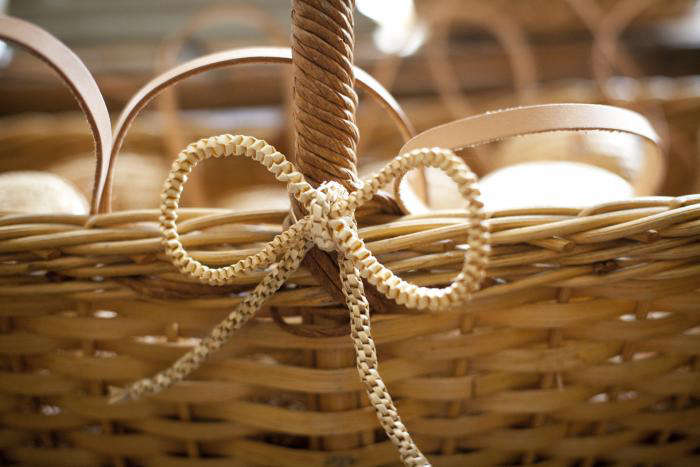
The title also calls to mind a very particular kind of design store, one that has become increasingly rare and increasingly beloved: the small, opinionated boutique with a point of view so sharp it could trim ribbon. Think of the legendary Bell’occhio in San Francisco, often praised for its European sensibility, handmade goods, straw baskets, ribbons, curiosities, and delightfully exacting taste. It was the kind of place that made shoppers feel less like consumers and more like invited guests at a very stylish, slightly magical house party.
What “Separating the Wheat from the Chaff” Looks Like in Retail
In a mediocre store, inventory is a crowd. In a great store, inventory is a cast. Every object has a reason for being there. That reason may be utility. It may be beauty. It may be craftsmanship. Ideally, it is all three, wearing a good coat and refusing to apologize.
A shop that separates the wheat from the chaff does not try to be everything to everyone. It understands a truth that many large retailers forget: abundance is not the same as value. Forty versions of the same soulless bowl do not equal choice. They equal fatigue. Real curation is not about offering less because shelf space is tight. It is about offering better because taste is disciplined.
This is why the best independent boutiques feel so different from scrolling through endless pages online. They have already done the hard part. Someone with knowledge, restraint, and a suspiciously good eye has sorted through the chaos. The result is not just a collection of products. It is a thesis.
The Shopkeeper as Editor
The most memorable shop owners function like magazine editors, gallery curators, and costume designers rolled into one. They know how to create mood. They understand scale, texture, color, humor, and surprise. They know that a handmade basket beside a stack of crisp linen towels says something different from that same basket tossed next to neon plastic organizers and a novelty mug that reads “Don’t Talk to Me Until I’ve Had My Coffee.”
In this kind of store, selection is storytelling. A straw basket is not only a storage piece. It is a little argument in favor of natural materials, handwork, and a slower, more intentional way of living. A ribbon is not only ribbon. It is a refusal to treat presentation as an afterthought. A vintage trinket is not clutter. It is proof that age can be an asset and charm can survive trends.
Why Handmade Still Wins
One reason these shops endure in the imagination is simple: handmade objects still carry emotional weight. Even now, in the age of overnight shipping and algorithmic recommendations, people are drawn to things that show evidence of touch. Slight irregularities, visible weave, softened edges, and natural fibers all signal that a human being was involved somewhere before the item arrived on the shelf.
That matters. Handmade pieces do not feel anonymous. They feel authored. And in home design, authored objects do something mass sameness never can: they create intimacy. They make a room feel chosen rather than filled.
Design writers have been pointing this out for years. Baskets, wicker, raffia, cane, rattan, and jute continue to show up not because the decorating world suddenly lost its mind and decided twine was glamorous, but because woven natural materials bring warmth, texture, and a lived-in ease that modern interiors desperately need. A glossy room can impress you from across the street. A room with natural materials invites you to exhale once you walk in.
Natural Materials Have Staying Power
There is also a practical reason curated shops keep returning to straw, wicker, raffia, and related materials: they age well. They do not demand perfection. A basket can look polished, rustic, coastal, farmhouse, bohemian, or quietly European depending on how it is used. That is not a small design trick. That is versatility with manners.
It helps that these materials bring texture without noise. A woven piece can make a room feel layered without screaming for attention like a sequined pillow with emotional issues. Raffia softens. Rattan lightens. Wicker adds dimension. Jute grounds a space. Together, they do the sort of visual work that expensive renovations often promise and rarely deliver.
It is also worth noting that “wicker” is not a material itself, but a weaving method. That detail matters because it explains why basketry can span so many looks and functions. The technique can transform humble natural fibers into something decorative, useful, elegant, or all three at once. A good shop knows this instinctively. It is not choosing a basket merely because baskets are “in.” It is choosing a form that marries craft and function.
Curated Shops in the Age of Too Much
Modern shopping has a paradox problem: we have more access than ever, but less clarity. We can find nearly anything, yet finding the right thing often feels harder than ever. Search results are crowded. Recommendations are gamed. Trend cycles move at the speed of a caffeinated squirrel. That environment makes curation not a luxury, but a service.
This is where a shop that separates the wheat from the chaff becomes genuinely valuable. It reduces decision fatigue. It narrows the field. It offers discovery without chaos. It says, “Here are the pieces worth noticing,” and that act alone feels generous.
Even digital retail has tried to borrow that boutique magic. Curated marketplaces have long pitched themselves as the online version of browsing your favorite small shop: a place where every product is handpicked for both aesthetics and story. That promise reveals something important about how people want to shop. They do not merely want access. They want guidance. They want discernment. They want someone to care enough to say no to a thousand mediocre things so that twenty excellent things can shine.
Taste Is a Form of Trust
When shoppers return to a highly edited store, they are not only buying objects. They are buying judgment. They trust that the owner values quality over clutter, personality over sameness, and beauty over empty novelty. That trust becomes the store’s real inventory.
And once that trust is established, even the most ordinary item becomes more interesting. A wrapping paper sheet is no longer just wrapping paper. A calligraphed label is no longer just a label. A simple basket becomes evidence that utility does not have to be ugly, and decoration does not have to be dumb. Suddenly, even a household object can feel a little elevated, which is honestly more than can be said for most throw pillows sold on the internet.
The Ethics Behind the Aesthetic
A thoughtful shop is not only attractive. At its best, it is ethical. Many of the most admired stores and home decor sources lean into handmade, artisan-made, or sustainably sourced goods for a reason. These objects can support skilled makers, preserve craft traditions, and create a more meaningful relationship between buyer and item.
That does not mean every woven basket comes with a halo and a folk song. But it does mean the best shops understand that provenance matters. Who made it? What is it made from? Was it chosen because it will last, because it was made responsibly, because it carries a tradition worth keeping alive? Good curation asks those questions before the customer ever has to.
This is also why curated shops often feel aligned with broader design philosophies like wabi-sabi, slow living, and the return to natural materials. These approaches value authenticity, restraint, imperfection, and objects that show age or handmade qualities. In other words, they value the very opposite of churn. They prefer substance over spectacle. Wheat over chaff, if you will.
Lessons for Anyone Who Wants to Shop Better
You do not need to own a boutique or live within strolling distance of a famous design shop to borrow this philosophy. You can apply it at home, in your own buying habits, even if your current aesthetic is “halfway between linen catalog and online cart chaos.”
1. Buy fewer things with more point of view
If an item could live in any room, any trend, any season, and still make sense, it is probably worth considering. If it only works in one fleeting social media moment, maybe let the wind take it.
2. Choose texture before clutter
Rooms rarely need more stuff. They need better materials. A woven basket, a jute rug, a raffia lampshade, or a hand-thrown bowl can add more life than a pile of random accessories ever will.
3. Ask whether the object feels authored
The best purchases often carry a point of view. They feel selected, not merely stocked. They suggest that someone cared about proportion, finish, weave, scent, color, or use.
4. Let practical things be beautiful
A basket can hold laundry, magazines, toys, scarves, or the emotional debris of daily life. That does not mean it has to look depressing. Functional objects are where curation quietly changes the mood of a home.
Experience: What It Feels Like to Step Into a Shop Like This
The real magic of a shop that separates the wheat from the chaff is not fully captured by product lists. It lives in the experience. It begins before you even touch anything. You notice the doorway first: perhaps a little narrower than expected, maybe framed by something old, textured, or slightly theatrical. The entrance does not scream. It lures. It has confidence. It knows that people who understand will come closer.
Inside, the air feels edited too. That sounds ridiculous until you’ve been in one of these places. There may be paper, dried grass, cedar, ribbon, old wood, soap, or some impossible combination that smells like a French market met a stationery drawer and decided to become friends. Nothing is chaotic, but nothing is sterile either. The shop feels alive. Not busy. Alive.
Your eyes do not dart around in panic the way they do in a giant store with fluorescent lighting and forty-seven varieties of plastic storage tubs. Instead, they move slowly. A basket catches your attention. Then a tray. Then a stack of wrapping papers so beautiful you briefly consider becoming the sort of person who wraps gifts with ceremony instead of using whatever bag survived last Christmas. This is how the shop gets you. Not through pressure, but through aspiration.
You begin to understand that every object has passed a test. It survived someone’s standards. That alone changes how you look at it. A woven piece is not there because inventory software demanded a seasonal category fill. It is there because someone loved the shape, the craft, the fiber, the way it interacts with light, or the way it makes a shelf feel less flat. A little handmade box suddenly seems profound. A spool of ribbon appears to have a social life. Even the labels look more literate than most people’s group texts.
Then there is the emotional shift. In ordinary stores, shopping often feels transactional. In a curated shop, it feels interpretive. You are not simply asking, “Do I need this?” You are asking, “Who am I when I choose this?” That may sound dramatic for a basket, but baskets have launched less reasonable thoughts. The best shops make you imagine a slightly better version of your life: calmer mornings, prettier shelves, gifts wrapped before midnight, a home where practical objects stop apologizing for being practical.
What stays with you later is rarely the exact price tag or even the full inventory. It is the sensation of being in a place where taste was taken seriously. A place where humor, beauty, usefulness, and material honesty could coexist. A place where someone had already done the hard work of deciding what was worth keeping in view. That experience lingers because it is increasingly rare. It reminds you that shopping, at its best, is not accumulation. It is recognition.
And perhaps that is the deepest pleasure of all. A shop like this does not just separate the wheat from the chaff. It helps you do the same in your own home, your own habits, and maybe even your own mind. You walk out carrying one basket, one ribbon, one tiny unnecessary-but-perfect object, and somehow feel lighter instead of loaded down. That is not retail as usual. That is curation doing what curation does best: clearing the field so the good stuff can finally be seen.
Conclusion
A shop that separates the wheat from the chaff is not merely stylish. It is selective in the most intelligent sense of the word. It values craft, function, story, and atmosphere. It proves that retail can still have wit, soul, and standards. In a world drowning in options, that kind of place feels less like a store and more like a public service with better ribbons.
Whether you think of a beloved boutique like Bell’occhio or any independent shop with a fearless eye for beauty, the lesson is the same: the best retail does not overwhelm us with more. It helps us choose better. And in design, as in life, that may be the finest separation of all.











