
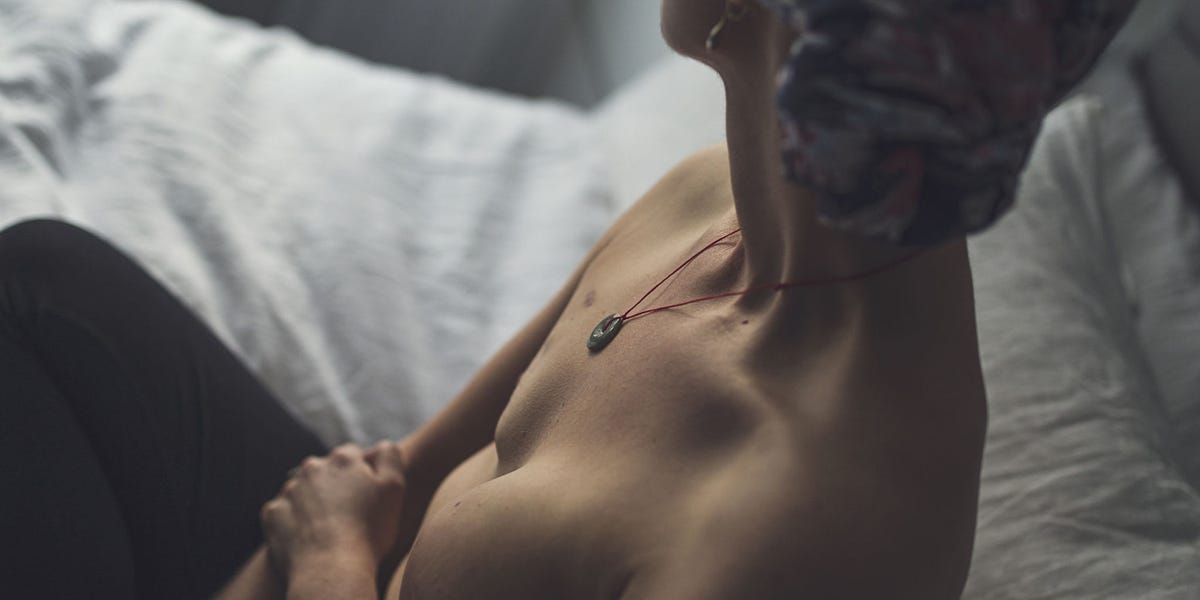
Some photographs do not ask for attention; they ask for silence. That is the feeling many people have when they first encounter a husband’s photos of his wife’s cancer journey. These are not polished “before and after” pictures, not inspirational posters wrapped in pink ribbon, and definitely not the kind of smile-for-the-camera snapshots that live on a refrigerator. They are real cancer battle pictures: intimate, uncomfortable, tender, and deeply human.
One of the most widely known examples is photographer Angelo Merendino’s documentary series about his wife, Jennifer, who was diagnosed with breast cancer only months after their wedding. His photo essay, often associated with the title “The Battle We Didn’t Choose,” follows daily life through treatment, recurrence, pain, caregiving, love, exhaustion, and grief. The images became powerful because they did something simple and rare: they told the truth without turning a person into a symbol.
This article explores why a husband’s cancer photos can move people so profoundly, what real cancer battle pictures reveal about illness, how families can document difficult journeys ethically, and why these images matter far beyond the camera frame.
Why Real Cancer Battle Pictures Hit So Hard
Cancer is often discussed in statistics, stages, scans, and survival rates. Those things matter, of course. But they can also make the experience feel strangely distant, as if the disease happens in charts rather than kitchens, bedrooms, hospital corridors, and late-night conversations. A real cancer photo story changes that.
When a husband photographs his wife during cancer treatment, the camera becomes more than equipment. It becomes a witness. It captures the shaved head, the hospital bracelet, the medication bottles, the tired eyes, the hand held a little tighter than usual. It also captures the tiny acts of normal life that continue even when everything feels abnormal: brushing teeth, laughing at a bad joke, choosing a scarf, sitting near a window, or resting after a treatment that has taken more energy than anyone expected.
The strongest cancer battle pictures are not powerful because they show suffering. They are powerful because they show personhood. A woman with cancer is still a wife, friend, daughter, thinker, dreamer, and probably someone who still has opinions about coffee, laundry, and whether the thermostat is set too low. Real images make room for all of that.
The Story Behind a Husband Photographing His Wife’s Cancer
Angelo Merendino’s photographs of Jennifer became widely recognized because they were intimate without being exploitative. Jennifer was not photographed as a “case.” She was photographed as a whole person living through breast cancer with the man who loved her beside her. Their story is often remembered because the diagnosis came soon after their wedding, turning what should have been a season of newlywed plans into a season of appointments, treatments, and impossible decisions.
What makes the project unforgettable is not only the sadness. It is the honesty. The photos show cancer as a daily reality, not a dramatic movie montage. There is no tidy three-minute soundtrack where everything resolves by the final chorus. Real cancer treatment can involve surgery, chemotherapy, radiation, hormonal therapy, targeted treatments, pain management, scans, side effects, recurrence fears, financial pressure, emotional strain, and caregiving fatigue. In other words, it is not one battle scene; it is a long campaign fought in ordinary rooms.
The husband’s role in such a photo essay is complicated and beautiful. He is not just the photographer. He is the spouse, caregiver, driver, advocate, witness, and sometimes the person trying to hold himself together in the cereal aisle because a song came on at the wrong time. The camera does not remove him from the pain. If anything, it records how close he is to it.
What These Photos Reveal About Cancer That Words Often Miss
1. Cancer Changes the Body, But It Does Not Erase Identity
Hair loss, surgical scars, weight changes, swelling, fatigue, and changes in skin or posture can all become part of the visible cancer experience. For many patients, those changes are emotionally heavy. Looking in the mirror can feel like meeting a stranger who has borrowed your face without asking. Real cancer battle pictures can honor that change without reducing the person to it.
A respectful photograph says, “This is happening,” but it also says, “You are still you.” That distinction matters. Cancer may alter appearance, routines, and energy, but it does not cancel humor, dignity, intelligence, beauty, or love.
2. Treatment Is More Than a Medical Schedule
From the outside, treatment may sound like a list: surgery, chemotherapy, radiation, medication, follow-up. From the inside, it is a calendar that can take over a household. There are appointment times, insurance calls, lab results, prescriptions, side effects, food that suddenly tastes like cardboard, and the strange skill of knowing which hospital parking garage is least likely to ruin your day.
Real photos show what treatment feels like in lived time. They reveal the waiting rooms, the infusion chairs, the quiet moments after bad news, and the emotional math families do every day: How much hope can we carry today? How much fear can we admit? Who is making dinner?
3. Caregiving Is Love in Work Clothes
Caregiving is often described as noble, and it is. But it is also practical, repetitive, exhausting, and sometimes messy. A caregiver may manage medications, track symptoms, drive to appointments, help with bathing, coordinate visitors, talk to doctors, and still remember to buy toothpaste. If love had a spreadsheet, caregiving would be it.
A husband’s cancer photos can show this side of marriage with unusual clarity. They capture the love that appears not only in grand gestures, but in adjusting pillows, making soup, helping someone stand, or simply sitting nearby when there is nothing useful left to say.
Why People Search for “Real Cancer Battle Pictures”
People search for real cancer battle pictures for different reasons. Some are newly diagnosed and want to understand what may be ahead. Some are caregivers trying to prepare themselves emotionally. Others have lost someone and are looking for images that reflect what they lived through. Many are simply tired of sanitized cancer awareness campaigns that show courage but not the cost.
The phrase “real cancer battle pictures” carries a hunger for honesty. People want to see something truthful, not to stare at pain, but to feel less alone in it. When done ethically, cancer photography can offer recognition: Yes, this is hard. Yes, this is love. Yes, this is what illness can look like when no one is performing bravery for the room.
The Ethics of Photographing a Loved One With Cancer
Photographing cancer is sensitive because illness makes people vulnerable. The most important rule is consent. A patient should understand what is being photographed, why it is being photographed, who may see it, and whether the images might be shared publicly. Consent is not a one-time checkbox. It should be an ongoing conversation, especially as health, emotions, and comfort levels change.
A spouse with a camera must also ask a deeper question: Does this image protect dignity? Not every private moment needs to become public. Some photographs may be meaningful for the family but too personal for the internet. Others may help educate people, raise awareness, or comfort someone who is facing the same diagnosis. The difference depends on context, permission, and care.
Respectful cancer photography avoids shock for shock’s sake. It does not use pain as clickbait. It does not turn a person’s body into a warning label. The best images invite viewers to see the patient as human first and ill second.
How Cancer Photos Can Help Families Process the Journey
For some families, taking photographs during cancer treatment becomes a form of journaling. Images can preserve details that blur under stress: the first haircut before chemotherapy, the hospital blanket that became oddly comforting, the friend who showed up with soup, the dog who refused to leave the bed, the smile on a day when smiling took real effort.
These photos can also become part of grief work. After a loved one dies, families often return to images not only to remember the illness, but to remember the relationship. A difficult photograph may carry tenderness that was invisible to outsiders: the way two hands fit together, the expression shared between spouses, the evidence that love stayed present even when medicine could not fix everything.
Still, photography is not right for everyone. Some patients do not want visual records of illness, and that choice deserves full respect. Memory does not require a camera. Sometimes the most loving thing is to put the phone down and be fully present.
Breast Cancer, Metastasis, and the Reality Behind the Images
Breast cancer begins when cells in the breast grow out of control. Many cases begin in the ducts or lobules, and treatment depends on the type, stage, tumor biology, and the patient’s overall health. Common treatment options may include surgery, chemotherapy, radiation therapy, hormonal therapy, targeted therapy, immunotherapy, or a combination of approaches.
When breast cancer spreads beyond the breast and nearby lymph nodes to other parts of the body, it is called metastatic breast cancer. It may affect areas such as the bones, liver, lungs, or brain. Symptoms vary widely and may include pain, fatigue, shortness of breath, neurological changes, swelling, or other problems depending on where the cancer has spread.
This medical reality is one reason real cancer battle pictures matter. They remind viewers that cancer is not only a diagnosis day or a fundraising month. It is a lived condition that can reshape every part of daily life. At the same time, these images should never be used to predict another person’s outcome. Every cancer story is individual. Two people may have the same diagnosis and very different treatments, side effects, emotions, and timelines.
The Role of Love in Cancer Photography
A husband photographing his wife’s cancer journey is not simply documenting illness. He is documenting love under pressure. Love in these images is not always romantic in the greeting-card sense. It may look like exhaustion. It may look like fear. It may look like a spouse sitting on the edge of a hospital bed with no magic words available.
That is precisely why the photos matter. They widen our understanding of love. Love is not only weddings, vacations, anniversaries, and perfectly timed sunset pictures. Love is also reading medication labels at midnight. Love is learning the names of nurses. Love is holding a basin, changing bandages, calling the doctor, and still finding a way to say, “You look beautiful,” without making it sound like a motivational poster got trapped in the room.
The camera can preserve that kind of love. Not the shiny version. The durable version.
What Viewers Should Remember Before Looking at Cancer Battle Pictures
Real cancer images can be emotionally intense. Before viewing them, it helps to approach with humility. These are not just “powerful photos.” They are pieces of someone’s life. A viewer should not consume them like dramatic content. Instead, look slowly. Notice the person, not only the illness. Notice the relationship, the environment, the fatigue, the courage, and the ordinary details.
It is also important not to judge. Some patients choose to document everything. Others choose privacy. Some smile through treatment; others do not want to perform positivity. Some use humor, some use faith, some use silence, some use sarcasm sharp enough to cut through hospital pudding. None of these responses is wrong. Cancer does not come with a personality manual.
How to Support Someone Living Through Cancer
If these photos move you, let that emotion become useful. Supporting someone with cancer often begins with listening. Avoid forcing cheerfulness or saying things like, “Everything happens for a reason.” That sentence may sound comforting in your head, but in real life it can land like a casserole made of thunder. Better options include: “I’m here,” “Do you want company or quiet?” and “Can I drive you Tuesday?”
Practical help is often more valuable than vague offers. Instead of saying, “Let me know if you need anything,” offer something specific: groceries, rides, child care, pet care, meal delivery, lawn mowing, appointment notes, or sitting with the patient during treatment. Small tasks can become mountains during cancer care, and a good friend brings a shovel.
Caregivers need support too. Spouses and family members may hide their exhaustion because they feel guilty needing help. Ask how they are sleeping. Bring them food. Offer to sit with the patient so they can take a walk, shower, nap, or stare at a wall in peace for twenty minutes. That counts. Sometimes staring at a wall is a luxury spa treatment for the emotionally overloaded.
Experiences Related to a Husband’s Photos of His Wife’s Cancer
Families who have lived through cancer often describe the experience as two stories happening at the same time. One story is medical: diagnosis, treatment plans, test results, side effects, and decisions. The other story is emotional: fear, hope, anger, tenderness, confusion, and love trying to keep its shoes on while the floor keeps moving. Real cancer battle pictures sit at the intersection of those two stories.
One common experience is the shock of ordinary life continuing. The world does not pause when someone gets cancer. Bills arrive. Dishes pile up. Someone still has to remember the Wi-Fi password. That contrast can feel almost absurd. A husband may be helping his wife through nausea in the morning and answering a work email in the afternoon. A photo of that kind of day might not look dramatic, but it may be the most honest image of all.
Another experience is the changing relationship with the body. Patients may feel betrayed by their bodies, disconnected from their reflection, or frustrated by fatigue. A loving photograph can sometimes help reclaim the body as worthy of tenderness, even when it is scarred, tired, or changed. But this should always happen on the patient’s terms. The camera must never demand confidence from someone who is simply trying to get through the hour.
Spouses also learn that courage is not a constant mood. Courage may look like crying before an appointment and going anyway. It may look like asking the doctor a hard question. It may look like admitting, “I am scared.” Real cancer photography makes room for courage without forcing it to smile. That is one reason viewers respond so strongly: the images feel emotionally honest rather than polished for public approval.
Many caregivers say they wish people understood the loneliness of the role. Friends may check in often at first, then disappear as the months pass. Treatment can become a long road, and support sometimes fades just when families need it most. A photo series can reveal that cancer is not a single crisis; it is a sustained disruption. The patient needs care, and the caregiver needs community.
There is also the experience of memory. During illness, days can blur together. Photographs may later help families remember not only what was lost, but what remained: humor, touch, personality, stubbornness, grace, and the weird little jokes that only couples understand. A picture of a tired smile may become proof that love was present in the hardest room.
For people outside the family, these images can become a lesson in compassion. They encourage viewers to stop treating cancer as an abstract word. Behind every diagnosis is a person with a favorite breakfast, an unfinished plan, a private fear, and someone who loves them. That is the lasting power of a husband’s photos of his wife’s cancer. They do not make cancer beautiful. They reveal the beauty that can survive beside it.
Conclusion
A husband’s photos of his wife’s cancer are not easy to look at, and they should not be easy. Real cancer battle pictures ask us to slow down, respect the person in the frame, and understand that illness is lived in details. Angelo and Jennifer’s story continues to resonate because it shows breast cancer not as a slogan, but as a daily reality shaped by love, pain, courage, privacy, and devotion.
These images remind us that cancer photography must be handled with consent, dignity, and compassion. When done well, it can educate, comfort, and humanize. It can help families remember. It can help strangers understand. Most of all, it can show that even when cancer changes nearly everything, love can still remain visible.











