
A driveway is usually the least poetic part of a front yard. It sits there, gray and serious, doing its one job: holding cars without complaint. But what if that same driveway could soften your home’s first impression, help rainwater soak into the ground, reduce runoff, and make your curb appeal look less “parking lot” and more “thoughtfully designed landscape”? Enter the grass driveway, a surprisingly practical upgrade that looks like a lawn learned how to handle traffic.
A grass driveway, sometimes called a green driveway, turf driveway, grass paver driveway, or permeable driveway, combines living grass with a supportive grid or paving structure. The result is a surface that can carry vehicle weight while allowing rainwater to drain through instead of rushing into the street like it is late for a meeting. For homeowners who want a more natural-looking entrance without giving up function, it can be a beautiful middle ground between hardscape and landscape.
It is not magic, though. A grass driveway needs the right base, the right grass, the right drainage plan, and a bit of maintenance. Done well, it can boost curb appeal, support stormwater management, and create a driveway that feels intentional rather than accidental. Done badly, it can become a muddy waffle. Let’s aim for the first version.
What Is a Grass Driveway?
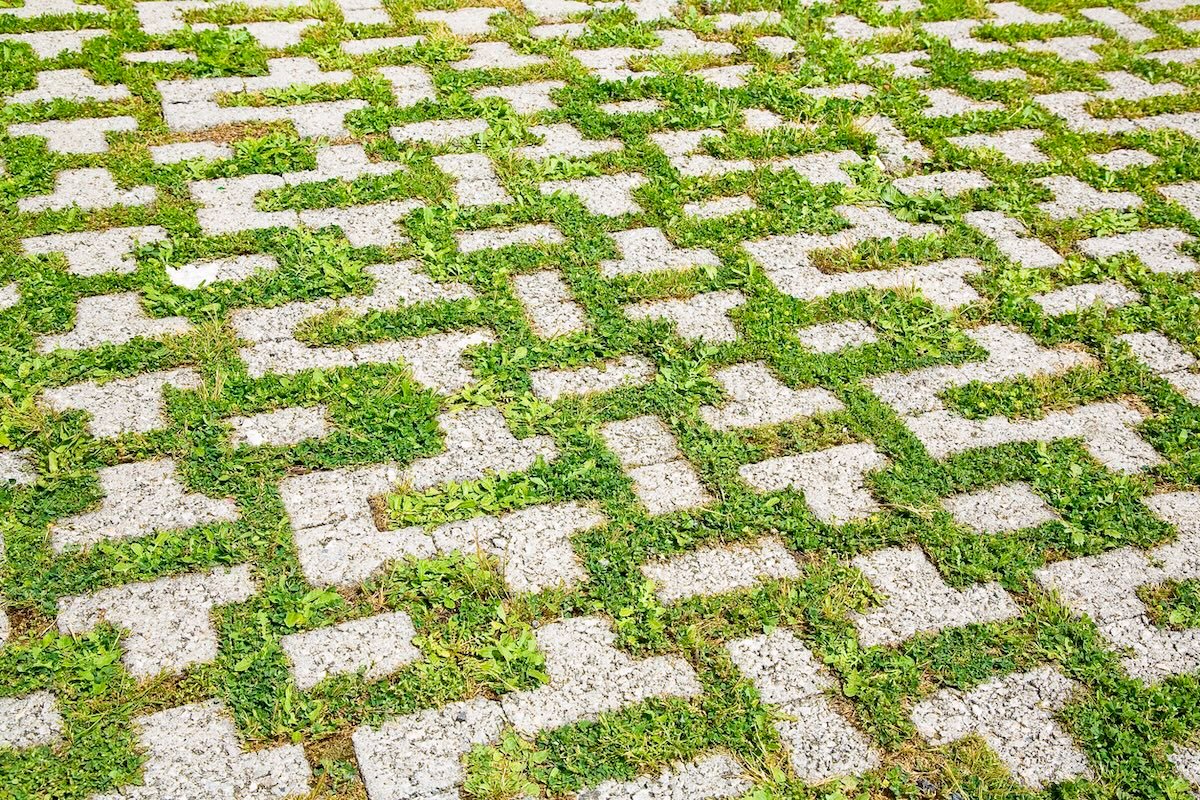
A grass driveway is a drivable surface built with reinforced turf. Instead of pouring a solid slab of concrete or asphalt, homeowners use a system that supports vehicle weight while leaving open spaces for grass, soil, gravel, or another permeable fill material. The most common versions use plastic grid pavers, concrete grid pavers, ribbon-style concrete strips, or a combination of pavers and turf.
Grass paver systems often come in interlocking panels or blocks. These are installed over a prepared base of compacted stone, then filled with soil and planted with grass seed or sod. Once the grass is established, the grid helps distribute the load from tires so the lawn does not instantly surrender every time someone parks the SUV.
Common Types of Grass Driveways
Plastic grid pavers are lightweight, often made from recycled materials, and popular with DIY-minded homeowners. They are usually easier to cut and fit around curves or edges.
Concrete grid pavers provide a stronger, more architectural look. They create a pattern of concrete and grass that can suit modern, traditional, farmhouse, or cottage-style homes.
Ribbon driveways use two strips of concrete, stone, or pavers where the tires roll, with grass growing between and around them. They are simple, attractive, and ideal when you want less paving but still need a reliable driving path.
Grass-and-gravel hybrids use reinforced grids filled with gravel in high-wear zones and grass in softer visual areas. This option can be helpful where daily parking would make pure turf struggle.
Why Grass Driveways Improve Curb Appeal
Curb appeal is about first impressions, and driveways take up a lot of visual space. A wide slab of tired concrete can make even a charming house look like it is attached to a loading dock. A grass driveway breaks up that hard surface and blends the parking area into the landscape.
The look can be subtle or dramatic. A clean grid of concrete pavers with green turf between the cells gives a crisp, geometric effect. A ribbon driveway feels classic and relaxed. A reinforced turf driveway can almost disappear into the lawn, especially when paired with neat edging, low shrubs, ornamental grasses, or a path to the front door.
Grass driveways also help connect the home to the yard. Instead of the driveway acting like a visual barrier, it becomes part of the landscape design. This is especially useful for small front yards, where every square foot has to work hard. When the driveway looks greener, the entire property can feel larger, calmer, and more polished.
The Environmental Benefits Are More Than Pretty Grass
The biggest environmental advantage of a grass driveway is permeability. Traditional asphalt and concrete are impervious surfaces, meaning rainwater cannot easily pass through them. Water runs across the surface, picks up sediment, oil, fertilizer, road salt, and other pollutants, then heads toward storm drains and nearby waterways.
A properly built permeable driveway slows that process. Rainwater moves through the grass, soil, and stone base, where it can be temporarily stored and gradually absorbed into the ground. This helps reduce runoff, recharge groundwater, and ease pressure on municipal stormwater systems during heavy rain.
Less Runoff and Better Drainage
If your current driveway turns every thunderstorm into a miniature river, a grass driveway may help. The open structure allows water to move downward instead of racing sideways. This can reduce puddling, erosion along driveway edges, and water pooling near sidewalks or garage doors.
That does not mean any patch of grass can solve every drainage problem. Soil type matters. Sandy and loamy soils usually drain more easily than heavy clay. Properties with steep slopes, high water tables, or poor infiltration may need underdrains, professional design, or a different permeable paving system.
Cooler Surfaces Around the Home
Asphalt can become brutally hot in summer. Concrete is usually cooler than asphalt, but it still stores and radiates heat. Grass, by contrast, cools itself through moisture and transpiration. A grass driveway can reduce the “heat island” feel around a home, especially when combined with shade trees and climate-appropriate landscaping.
This is not just about bare feet and dramatic driveway temperature complaints. Cooler surfaces can make the front yard more comfortable, reduce heat reflected toward the house, and create a softer microclimate around plants.
Healthier Soil and Root Zones
Because grass driveways allow air and water to move through the surface, they can be friendlier to nearby soil and tree roots than solid pavement. A flexible grid system is less likely to crack from root movement than a rigid slab. That matters if your driveway runs near mature trees, which have a habit of treating concrete like a long-term negotiation.
Where a Grass Driveway Works Best
A grass driveway is ideal for low- to moderate-use residential driveways, overflow parking, guest parking, garden access lanes, and homes where the owner wants a greener, softer front-yard appearance. It works especially well when the driveway is not occupied by cars all day, every day.
Grass needs sunlight. If a vehicle sits in the same spot constantly, the turf underneath may thin out, yellow, or die. For daily parking areas, consider using gravel-filled permeable grids where the tires rest and grass grids in less-trafficked sections.
Best Candidates for Grass Driveways
Grass driveways tend to perform best on relatively flat or gently sloped sites with decent soil drainage. They are also better suited to homes where the driveway receives enough sunlight for turf to grow. If your driveway is shaded by large trees, a tall building, or your neighbor’s suspiciously enormous hedge, you may need shade-tolerant grass or an alternative ground cover.
They are also a smart choice for homeowners who enjoy landscape maintenance. A grass driveway is not high-maintenance in the way a rose garden is high-maintenance, but it is still alive. It will need mowing, watering during establishment, occasional feeding, and repairs in worn spots.
Where a Grass Driveway May Not Be the Best Choice
A grass driveway is not perfect for every property. It may be a poor match for steep driveways, heavy vehicle traffic, commercial loading areas, deep shade, very dry climates without irrigation, or places where snow removal requires aggressive plowing. It can also be tricky in heavy clay soil unless the base and drainage are designed correctly.
Homeowners should also check local codes, homeowner association rules, and stormwater requirements. Some communities encourage permeable paving, while others may have specific standards for driveway width, apron materials, fire access, or drainage.
How to Plan a Grass Driveway
Before buying grass pavers, start with a simple site assessment. Watch how water moves during rain. Does it collect near the garage? Does it run toward the street? Does the yard stay soggy for days? These clues matter more than the prettiest product photo online.
Next, consider how the driveway will be used. A one-car household with occasional guests has different needs than a family with three vehicles, a boat trailer, and a teenager learning to park with the confidence of a shopping cart in a windstorm.
Choose the Right Grass
The best grass for a driveway depends on your climate, sun exposure, and traffic level. Warm-season grasses such as Bermuda grass and zoysia can handle heat and wear in many southern regions. Cool-season choices such as tall fescue, Kentucky bluegrass, and perennial ryegrass may work better in northern climates. In some areas, a turf blend gives better resilience than a single grass type.
For the best result, choose a grass suited to your USDA growing zone and local conditions. A drought-prone yard may need a tougher, lower-water grass. A shady site may need a shade-tolerant mix. When in doubt, ask a local extension office, nursery, or landscape professional. Grass is local. It has opinions.
Build the Base Correctly
The base is the part nobody sees, which naturally means it is the part that matters most. A grass driveway usually needs excavation, a compacted subgrade, an open-graded stone base for drainage and storage, and a setting layer before the grid or pavers are installed. The depth depends on soil, expected vehicle load, drainage goals, and local climate.
Skipping the base is the fastest way to create ruts, sinking panels, poor drainage, and sadness. A proper stone reservoir helps support the surface and gives stormwater somewhere to go while it infiltrates into the soil.
Seed or Sod?
Seed is less expensive and can develop strong roots, but it takes longer to establish. Sod gives instant green coverage, but it costs more and still needs time to root into the grid cells. Either way, the driveway should be protected from heavy traffic until the grass is established. This waiting period is not glamorous, but neither is explaining tire ruts to your future self.
Maintenance Tips for a Grass Driveway
A grass driveway should be maintained much like a lawn, with a few special considerations. Mow it at the recommended height for the grass type, water during dry spells, and overseed thin areas when needed. Avoid piling soil, mulch, or leaves on the surface because sediment can clog permeable systems and reduce drainage.
Fertilize carefully. Too much fertilizer can wash away during storms and contribute to water pollution, which defeats part of the purpose of choosing a greener driveway. Use soil testing when possible, and apply only what the turf actually needs.
For snow removal, use caution. A raised snowblower blade or plastic shovel may be safer than scraping aggressively across the grid. Avoid dumping heavy snow piles in one spot for weeks, since grass still needs air and light when winter loosens its grip.
How Much Does a Grass Driveway Cost?
Costs vary widely depending on the size of the driveway, paver type, base depth, soil conditions, labor rates, and whether an old driveway must be removed. Plastic grass pavers are often among the more affordable permeable paver choices, while concrete grid systems and custom designs can cost more.
Professional permeable driveway installations can run into the thousands, especially for a two-car driveway with excavation and a deep stone base. DIY installation may reduce labor costs, but only if the homeowner has the tools, time, and confidence to handle grading, compacting, drainage, and careful layout. In other words, this is a DIY-friendly project for some people, not necessarily a “Saturday afternoon with one shovel and heroic optimism” project.
Design Ideas That Make a Grass Driveway Look Intentional
The difference between “eco-chic driveway” and “the lawn is losing a fight with the car” often comes down to design details. Add crisp edging with stone, metal, brick, or concrete. Frame the driveway with low-maintenance plants. Use the same paver pattern near the walkway to tie the entry together. Keep the grass neatly trimmed so the driveway reads as a designed feature, not a forgotten experiment.
Modern homes often look great with concrete grid pavers in a clean rectangular layout. Cottage and farmhouse homes can benefit from ribbon driveways with lush grass between the strips. Contemporary landscapes may pair grass pavers with ornamental grasses, river rock, and simple lighting.
Grass Driveway vs. Traditional Driveway
A traditional concrete or asphalt driveway is durable, familiar, and easy to plow, but it creates a large impervious surface. A grass driveway is more visually integrated and environmentally helpful, but it requires more living-surface care. The right choice depends on priorities.
If you want the lowest maintenance surface and park heavy vehicles daily, standard concrete may still win. If you want a greener look, better stormwater behavior, and a driveway that contributes to the landscape instead of interrupting it, a grass driveway deserves serious consideration.
Real-World Experiences: What Homeowners Notice After Installing a Grass Driveway
Homeowners who switch to a grass driveway often notice the visual difference first. The front yard immediately feels less dominated by pavement. Even when the driveway still holds two cars, the green pattern softens the scene. From the street, the home can look more welcoming, especially when the driveway is paired with tidy garden beds, a defined walkway, and fresh edging. The effect is subtle but powerful: the driveway stops shouting “vehicle storage” and starts whispering “landscape design.” Very fancy of it.
The second experience many people mention is how differently rain behaves. Instead of watching water sheet across the driveway and race toward the curb, homeowners often see rainfall disappear into the surface more slowly. During moderate storms, puddles may shrink or vanish. Areas that used to collect runoff along the edges can become easier to manage. This is especially satisfying for anyone who has spent years stepping over a driveway puddle shaped suspiciously like Lake Michigan.
There is also a learning curve. The first few months matter. If the driveway is seeded, it may look patchy before it looks beautiful. Homeowners need patience while the roots establish. Watering is important at the beginning, and traffic should be limited until the grass can handle wear. Some owners learn quickly that parking in the exact same spot every day can create thin turf, particularly under the tires. Rotating parking positions, using gravel-filled cells in high-pressure areas, or choosing tougher grass can help.
Maintenance feels familiar but slightly different from lawn care. Mowing is easy because most grass paver systems are designed to sit flush with the surface. However, the mower height should be set properly so the turf remains healthy. Overseeding worn areas once or twice a year can keep the surface looking full. Leaves, soil, and debris should be cleared so the driveway stays permeable. A grass driveway is not a diva, but it does appreciate basic respect.
In snowy regions, homeowners often need to adjust winter habits. A metal plow blade set too low can catch on edges or damage turf. Snowblowers and shovels should be used with care. In dry climates, homeowners may discover that a grass driveway only makes sense if they choose drought-tolerant turf, reduce the grass area, or use a gravel-grid hybrid. Green is beautiful, but watering a thirsty driveway in a desert is not exactly an environmental mic drop.
The biggest lesson from real-life use is that a grass driveway works best when it is designed as a system. The visible grass is only the charming top layer. The hidden base, drainage plan, soil choice, traffic pattern, and maintenance routine decide whether the project becomes a long-term curb appeal upgrade or a seasonal headache. When those pieces come together, the result can be practical, attractive, and genuinely better for the surrounding environment.
Conclusion
A grass driveway can be much more than a pretty alternative to concrete. It can improve curb appeal, reduce stormwater runoff, support groundwater recharge, cool the front yard, and make a home feel more connected to its landscape. It is especially appealing for homeowners who want a driveway that looks softer, greener, and more custom than a plain slab.
The key is planning. Choose the right grass paver system, build a proper drainage base, select climate-appropriate turf, and be honest about how the driveway will be used. A grass driveway is not maintenance-free, but neither is anything worth showing off to the neighbors. With smart installation and realistic care, it can turn one of the most overlooked parts of the home exterior into a feature that works hard, looks good, and gives rainwater somewhere better to go than the storm drain.
SEO Tags
Note: This article is written for general homeowner education and should not replace local building codes, drainage requirements, HOA rules, or advice from a qualified landscape or stormwater professional.











