
Note: This article is written as original editorial content based on publicly available information about Studioilse, Ilse Crawford, and the studio’s body of work. It is designed for web publication and does not include source-link clutter inside the article.
Some design studios create rooms that look beautiful for exactly one photograph and then collapse emotionally the moment someone drops a tote bag on a chair. Studioilse is not that kind of studio. Founded by British designer, creative director, and educator Ilse Crawford, Studioilse has built its reputation on a more generous idea: design should support real life, not intimidate it into standing still.
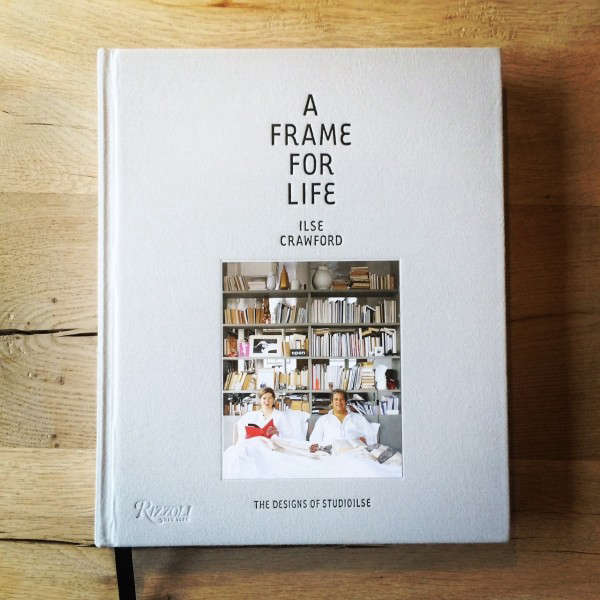
The title A Frame for Life: The Designs of StudioIlse comes from the 2014 Rizzoli book by Ilse Crawford and Edwin Heathcote, but the phrase also works as a neat summary of the studio’s entire worldview. A good interior is not a decorative cage. It is a living framework. It helps people gather, rest, eat, work, heal, learn, and feel like actual humans rather than accessories in a showroom.
That may sound simple, almost obvious. Of course a room should be made for people. But in the world of high design, “people” are sometimes treated as the messy problem that arrives after the photoshoot. Studioilse flips that idea. The studio’s projects begin with human needs: comfort, warmth, dignity, atmosphere, tactility, memory, behavior, and belonging. The result is a body of work that feels refined without becoming stiff, soulful without becoming sentimental, and luxurious without screaming, “Please do not touch the sofa.”
Who Is Studioilse?
Studioilse is a London-based multidisciplinary design studio working across interiors, architecture, product design, strategy, furniture, hospitality, homes, retail, exhibitions, and social spaces. Its best-known figure is Ilse Crawford, whose career has moved through journalism, editing, teaching, creative direction, and design. Before founding Studioilse, Crawford helped shape modern interiors culture as the founding editor of Elle Decoration. Later, she founded the Man and Wellbeing department at Design Academy Eindhoven, where she advanced a humanistic approach to design education.
This background matters. Crawford did not arrive at interiors as someone obsessed only with surfaces. She came through words, culture, observation, and the question every good editor quietly asks: “Why does this matter?” That editorial instinct appears everywhere in Studioilse’s work. A room is treated like a story with structure, mood, rhythm, characters, and a clear point of view. The lamp is not just a lamp. It is the difference between a cold dinner and a long conversation. The table is not just a table. It is a stage for elbows, coffee rings, negotiations, homework, birthdays, and the occasional dramatic sigh.
The Meaning of “A Frame for Life”
In Studioilse’s language, a “frame for life” is design that supports the everyday rituals that make us feel grounded. It is not about imposing a style from above. It is about creating conditions in which life can unfold naturally. That means spaces should be useful, sensual, adaptable, and emotionally intelligent.
The studio’s work often includes layered materials, natural textures, honest craftsmanship, and a careful sense of proportion. But the magic is not only aesthetic. It is behavioral. Studioilse pays attention to how people enter a space, where they pause, how close they sit, what makes them linger, and what helps them feel at ease. This is why many of its interiors feel lived-in even when they are brand new. They do not beg for attention. They invite participation.
That philosophy has become especially relevant in contemporary interior design. After years of fast trends, hyper-polished minimalism, and algorithm-friendly rooms that look oddly uninhabitable, many people want spaces with warmth and purpose. Studioilse was ahead of that curve. Its work reminds us that a beautiful room should not make you feel underdressed. It should make you exhale.
Human-Centered Design Without the Buzzword Fog
“Human-centered design” is now used so often that it can sound like something printed on a conference tote bag. Studioilse gives the term weight by applying it to real details. Human-centered design means thinking about light levels, acoustic comfort, seating arrangements, materials that age well, and objects that feel good in the hand. It means understanding that comfort is not laziness; comfort is infrastructure for connection.
Take hospitality. A hotel can be technically perfect and emotionally forgettable. Studioilse’s approach suggests that the best hospitality spaces are not merely efficient machines for checking in and checking out. They are places where guests understand where to put their coat, where to sit, how to find privacy, and why they might want to stay downstairs for one more cup of tea.
This is why projects such as Ett Hem in Stockholm have become touchstones in modern boutique hotel design. Instead of presenting luxury as sparkle, scale, and spectacle, Ett Hem is often discussed as a model of domestic hospitality: intimate, textured, welcoming, and deeply considered. The name itself means “a home,” and that idea fits Studioilse’s talent for turning public places into spaces that feel personal without pretending to be casual by accident.
Signature Studioilse Elements
1. Warmth Over Glamour
Studioilse interiors rarely chase cold perfection. They favor warmth, tactility, and atmosphere. Woods, textiles, stone, brass, woven fibers, soft lighting, and imperfect surfaces often carry the emotional load. This does not mean the work is rustic or old-fashioned. It means the studio understands that human beings are sensory creatures. We respond to grain, weight, temperature, shadow, and texture long before we analyze a floor plan.
2. Dignity in Everyday Life
One of the most powerful aspects of Studioilse’s philosophy is the belief that good design should not be reserved only for expensive homes or elite hotels. The studio has also been associated with socially minded projects, including spaces that bring care, dignity, and beauty into environments where people may be vulnerable. This is design with a conscience, not design wearing a tiny black cape and calling itself mysterious.
3. The Room as a Social Tool
Many Studioilse spaces are arranged to encourage gathering. Tables are generous. Seating feels conversational. Lighting creates pockets of intimacy. The design does not shout, “Network!” It whispers, “Stay a while.” That is a rare and useful skill, especially in restaurants, lounges, offices, and public interiors where people need both sociability and comfort.
4. Products That Support Rituals
Studioilse’s product work follows the same logic as its interiors. Whether in furniture, lighting, textiles, or home objects, the studio tends to focus on usefulness, material intelligence, and daily rituals. The Sinnerlig collection for IKEA, for example, helped bring Crawford’s interest in tactile, warm, democratic design to a wider audience. The Wellbeing Collection with Nanimarquina emphasized natural fibers, softness, and sensory comfort. These are not objects that exist only to sit obediently in a catalog. They are designed to be used, moved, touched, and lived with.
Key Projects That Define the Studioilse Approach
Ett Hem, Stockholm
Ett Hem is one of the clearest examples of Studioilse’s hospitality philosophy. Instead of relying on anonymous luxury cues, it creates the atmosphere of a deeply personal residence. Guests encounter rooms that feel composed rather than decorated, with rich materials, calm colors, intimate lighting, and a sense that someone thoughtful has already made the tea.
The project matters because it helped redefine what a small luxury hotel could feel like. Rather than creating distance between guest and space, it reduces that distance. It offers refinement without stiffness, which is much harder than it sounds. Anyone can buy an expensive chair. Fewer people can make that chair feel like the obvious place to sit.
Soho House New York
Studioilse’s work for Soho House New York helped establish Crawford’s influence in the American design conversation. The project translated the members-club idea into a warm, layered environment that balanced privacy, sociability, and a certain downtown ease. It showed how hospitality design could feel cinematic without becoming artificial.
Duddell’s, Hong Kong
Duddell’s Art Club in Hong Kong demonstrates another side of the studio: cultural layering. The space combines dining, art, conversation, and social life, bringing together polished materials, collected furniture, and a sense of creative domesticity. It is glamorous, yes, but not in the “everything is shiny and nobody knows where to put their elbows” way. Its glamour has depth and atmosphere.
Cathay Pacific Lounges
Airport lounges are often designed as transitional zones: not quite office, not quite restaurant, not quite nap pod, occasionally quite beige. Studioilse’s work for Cathay Pacific lounges brought a more humane approach to the travel experience. The goal was not merely to impress passengers, but to help them recover from the stress of movement. In that context, comfort becomes more than a luxury. It becomes a service.
Refettorio Felix, London
Refettorio Felix is especially important because it connects beauty with social dignity. The project shows how design can elevate communal care without becoming patronizing. A well-designed community dining space can communicate respect. It can say, without a speech or a marble plaque, “You matter.” That is one of the strongest examples of Studioilse’s belief that design has ethical consequences.
Why the Book Still Matters
A Frame for Life: The Designs of StudioIlse is more than a portfolio book. It functions as a design argument. Through projects ranging from private residences to hotels, restaurants, retail spaces, and product design, the book illustrates how Studioilse applies its philosophy across scales. The point is not that every space should look like an Ilse Crawford interior. The point is that every space should begin with a deeper question: what kind of life is this design framing?
That question is valuable for professionals and homeowners alike. It pushes design beyond trend forecasting. Instead of asking, “What color is fashionable this year?” it asks, “What supports the people who live here?” Sometimes the answer is a better chair. Sometimes it is warmer light. Sometimes it is a kitchen table large enough for everyone to gather around without someone being exiled to the wobbly stool of doom.
Studioilse and the Future of Interior Design
Studioilse’s work feels increasingly relevant because modern life has made people more aware of how strongly environments affect wellbeing. Homes have become offices, schools, gyms, restaurants, and emotional charging stations. Public spaces are expected to be more inclusive, more comfortable, and more meaningful. Hospitality is no longer judged only by thread count and marble bathrooms; guests want atmosphere, authenticity, and a sense of care.
In this context, Studioilse offers a durable lesson: design should not simply perform luxury. It should perform care. It should make the invisible visible: values, rituals, relationships, and needs. The studio’s best work is not loud, but it stays with you. It has the confidence to be useful. It has the intelligence to be warm.
How to Apply the Studioilse Mindset at Home
You do not need a boutique hotel budget to learn from Studioilse. Start by looking at your home as a frame for your actual life, not your fantasy life where nobody owns charging cables. Ask what happens in each room. Where do people gather? Where do you feel tense? Which chair does everyone avoid? Which corner has become a museum of unopened mail?
Then design from behavior outward. Add a lamp where you actually read. Choose materials that feel good, not just look good. Give daily objects a proper home. Use textiles to soften sound. Create a place to sit near natural light. Let rooms evolve. A home should not be frozen in one perfect reveal moment. It should change as life changes.
Studioilse’s influence is not about copying a look. It is about adopting a standard of care. The lesson is beautifully practical: if a space supports your body, your senses, your relationships, and your routines, it will probably look better too. Funny how that works. Humans first; throw pillows second. Although, to be fair, a good throw pillow has saved many a bleak Tuesday.
Experiences Inspired by “A Frame for Life”
The most useful way to understand Studioilse is not to stare at photographs, although that is pleasant and mildly dangerous if you have an online shopping habit. The better way is to notice how spaces make you behave. Walk into a room with harsh overhead lighting, hard chairs, and nowhere to put a cup, and your body becomes efficient. You perch. You check your phone. You leave early. Walk into a room with warm light, a generous table, textured surfaces, and seating that allows conversation, and your behavior changes. You slow down. You listen longer. You may even become the kind of person who says, “Let’s open another bottle,” which is either hospitality or a plot twist.
That everyday experience is exactly why the “frame for life” idea feels so powerful. Most people do not need more decorative drama. They need spaces that help them live better in small, repeatable ways. A hallway with a bench becomes a place where shoes, bags, and children can be managed without a minor family opera. A kitchen with comfortable light becomes a room for talking, not just chopping onions with emotional intensity. A bedroom with natural textiles and fewer visual distractions becomes less of a storage unit with pillows and more of a place to recover.
In workspaces, the same idea applies. A Studioilse-inspired office would not begin with the question, “How do we look innovative?” It would ask, “How do people focus, share, pause, and feel respected here?” That shift matters. The best workplaces understand that creativity is not produced by beanbags alone. People need acoustic comfort, daylight, places for informal exchange, and materials that make the environment feel less disposable. Otherwise, the office becomes a spreadsheet with chairs.
Restaurants and hotels offer another lesson. The most memorable places are not always the most expensive or visually dramatic. They are the ones where the details seem to understand you. The chair height is right. The table is not so tiny that your bread plate has to negotiate for territory. The lighting makes everyone look alive, not interrogated. The room has energy without chaos. You remember the feeling before you remember the brand name.
At home, applying this philosophy can be wonderfully low-tech. Move one lamp. Replace one scratchy throw. Put a comfortable chair where morning light lands. Keep the dining table clear enough to use. Choose fewer, better objects that earn their place through usefulness or emotional value. Let materials age honestly. A home with signs of life is not a failure of styling. It is proof that the frame is working.
That may be the lasting charm of Studioilse’s designs: they give permission for beauty to be humane. They remind us that good design is not an act of control, but an act of support. The room does not have to dominate the person. The object does not have to show off. The best design quietly improves the day, and if it can survive keys, crumbs, children, guests, pets, coffee, and the occasional existential crisis, even better. That is not just design for looking. That is design for living.
Conclusion
A Frame for Life: The Designs of StudioIlse captures a design philosophy that feels both timeless and urgently modern. Studioilse’s work shows that interiors, objects, and public spaces can do more than look elegant. They can support wellbeing, encourage connection, protect dignity, and make ordinary rituals feel meaningful. Ilse Crawford’s influence lies not only in a recognizable aesthetic, but in a deeper shift: putting the human being back at the center of design.
In a world full of fast trends and disposable visual noise, Studioilse offers something steadier. Its designs are warm, thoughtful, tactile, and alive to the messy brilliance of everyday life. They remind us that the best spaces are not perfect monuments. They are generous frameworks for eating, resting, gathering, healing, working, and becoming ourselves again.












