
Some hotels offer a bed, a breakfast, and a lobby plant that has seen things. A Burgundy château hotel offers something more dangerous: the possibility that you will start saying words like “terroir,” “monopole,” and “just one more cheese course” with complete confidence.
Set among limestone villages, Pinot Noir vines, medieval abbeys, and dining rooms where butter behaves like a local celebrity, Burgundy is one of France’s most atmospheric regions for a château stay. The best Burgundy château hotels are not just pretty buildings with old stone walls. They are living, breathing versions of French country style: part wine retreat, part design lesson, part gourmet pilgrimage, and part quiet rebellion against the idea that vacation should involve rushing.
The phrase “A Burgundy Château, Hotel Edition” naturally brings to mind Château de la Resle, the design-forward estate in Montigny-la-Resle that turned aristocratic bones into a boutique hotel with Dutch creativity, contemporary art, a restaurant, spa, pool, and a small-shop sensibility. But Burgundy’s château-hotel scene has expanded into a wider travel dream. From Pommard’s restored Château la Commaraine to the 14th-century setting of Les Sources de Vougeot, Burgundy now gives travelers a refined way to sleep inside history without sacrificing good plumbing. Which, let us be honest, is civilization’s finest achievement.
Why Burgundy Is Made for Château Hotels
Burgundy, or Bourgogne, is not loud luxury. It is not the kind of place that arrives wearing sequins and demanding a photographer. Its beauty is slower and more persuasive: stone houses with red-tiled roofs, vineyards divided into tiny named plots, market towns like Beaune and Dijon, and quiet roads that seem specifically designed for dramatic window gazing.
The region’s famous “Climats” are precisely defined vineyard parcels shaped by geology, slope, exposure, grape variety, and centuries of human cultivation. In plain English: Burgundy cares deeply about where things come from. Wine does not simply come from “a vineyard.” It comes from this vineyard, on this slope, with this soil, under this particular mood of sky. That same obsession with place explains why château hotels feel so appropriate here. A great Burgundy hotel does not erase its surroundings; it lets the landscape check in with you.
The Route des Grands Crus, running through celebrated wine villages between Dijon, Beaune, and beyond, is the region’s most famous wine route. It passes names that make collectors whisper: Gevrey-Chambertin, Vosne-Romanée, Nuits-Saint-Georges, Pommard, Meursault, and Puligny-Montrachet. Even if you cannot pronounce them all, you can admire them with feeling. That counts.
Château de la Resle: The Design-Hotel Spark
Château de la Resle helped define the modern Burgundy château hotel mood: historic, personal, artful, and refreshingly un-stuffy. Located in Montigny-la-Resle, the property dates to the 17th century, with later 19th-century additions. Its transformation was not a quick “paint it beige and add lavender soap” renovation. Dutch owners Johan Bouman and Pieter Franssens spent years restoring roofs, heating, electricity, bathrooms, kitchens, and guest spaces, turning a sleepy estate into a boutique hotel with a restaurant, spa, pool, gym, sauna, massage room, and design shop.
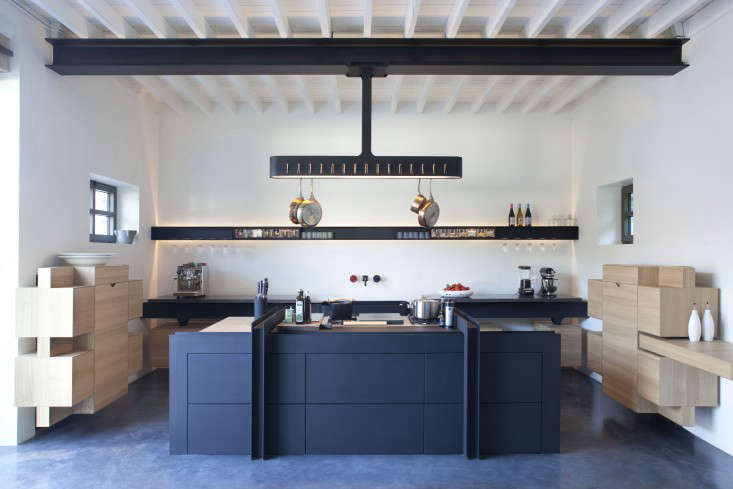
The result is a lesson in how to modernize a château without making it look like a museum wearing a hotel uniform. Rooms are individual, not copy-pasted. Some spaces feature muted grays and mauves, exposed beams, sculptural staircases, and contemporary furniture. The hotel’s design personality comes from the owners’ creative backgrounds and their interest in art, product design, and collectible objects. Instead of hiding modern pieces in fear of offending the ghosts, the interiors let old architecture and new design have a civilized conversation.
What Makes the Style Work
The secret is contrast. Ancient stone becomes warmer when paired with clean-lined furniture. A historic farm building feels lighter when a modern bathtub becomes the star. A château breakfast table gets more interesting when contemporary chairs and photography sit comfortably beside old proportions. This is not “French country” as a costume. It is French country with a passport stamp, a gallery habit, and excellent lighting.
For travelers, Château de la Resle represents a smart hotel idea: small scale, strong character, and a sense that someone thoughtful made every choice. That matters in Burgundy, where the best experiences are rarely generic. The wine is specific, the villages are specific, and the hotel should be specific too.
The New Generation of Burgundy Château Hotels
Château de la Resle is not alone. Burgundy has entered a polished new chapter of wine-country hospitality, with several properties showing how heritage buildings can become sophisticated hotels without losing their soul.
Château la Commaraine in Pommard
Château la Commaraine is one of Burgundy’s most talked-about luxury hotel revivals. Founded in 1112 and located in the famous village of Pommard, the estate has been transformed into a five-star hotel, spa, vineyard, restaurant, and working wine destination. Its 37 rooms and suites combine contemporary elegance with Burgundy character, while its location on the Route des Grands Crus puts guests close to Beaune and the Côte de Beaune vineyards.
This is château hospitality with serious wine credentials. The property sits among Premier Cru vines, making it ideal for travelers who want more than a tasting-room souvenir. Here, the vineyard is not a decorative backdrop. It is the reason the hotel exists.
Les Sources de Vougeot in Gilly-lès-Cîteaux
Les Sources de Vougeot occupies the historic Château de Gilly, a former residence connected to the Cîteaux abbots and located near the legendary Clos de Vougeot. The hotel brings a five-star approach to one of Burgundy’s most important wine landscapes, with 49 rooms, spa experiences, dining, wine tastings, cycling, and easy access to the Côte de Nuits.
The appeal is not only luxury. It is location with emotional intelligence. Guests can wake up in a historic château, cycle through vineyard country, visit cellars, return for a spa treatment, and then behave at dinner as though they have always known how to pair wine with sauce. Burgundy encourages this kind of harmless personal reinvention.
Château de Vault-de-Lugny
Near Vézelay and the Morvan Regional Natural Park, Château de Vault-de-Lugny delivers the fairy-tale version of the Burgundy château hotel. Its roots reach back to the medieval period, while the hotel experience emphasizes refined rooms, parkland, gourmet dining, and the kind of countryside silence that makes your phone seem rude.
This property is especially appealing for travelers who want Burgundy beyond the main wine-road circuit. It offers a softer, more rural rhythm: historic walls, gardens, long meals, and access to one of the region’s most beautiful cultural landscapes.
Château Sainte Sabine
Château Sainte Sabine, set in a small Burgundy village, leans into the romantic countryside hideaway mood. High ceilings, exposed beams, toile-inspired details, and views of roaming deer create a setting that feels cinematic without becoming theatrical. It is a strong choice for travelers who want château charm, a peaceful location, and proximity to classic Burgundy touring routes.
Abbaye de la Bussière
Although technically an abbey rather than a château, Abbaye de la Bussière belongs in any serious Burgundy hotel conversation. Set between Dijon and Beaune in the Côte-d’Or, this historic property combines monastic architecture, parkland, event spaces, refined hospitality, and easy access to the Burgundy Canal and wine country. It proves that in Burgundy, even spiritual restraint can come with excellent dinner plans.
Design Lessons from a Burgundy Château Hotel
A Burgundy château hotel teaches a design philosophy that works far beyond France. First, respect the bones. Old stone, beams, tile, fireplaces, staircases, and shutters do not need to be overexplained. Let them speak. Second, avoid fake rusticity. The goal is not to make everything look dusty and ancient. The goal is to let history feel usable.
Third, introduce modern comfort with restraint. A sleek bathtub, clean-lined sofa, modern artwork, or sculptural lamp can make a historic space feel alive. Too much imitation antique furniture can turn a room into a stage set. Too much minimalism can make it feel like an art gallery where sleep is discouraged. Burgundy’s best château hotels balance both worlds.
Fourth, design around meals. In Burgundy, the dining room is not an accessory. It is the emotional headquarters. A long table, warm lighting, real napkins, good bread, and a wine list with local pride can make a hotel unforgettable. Nobody returns home raving, “The hallway was efficient.” They remember the chicken in mustard sauce, the cheese cart, the glass of Chablis, and the way the room glowed after sunset.
What to Do During a Burgundy Château Hotel Stay
The best itinerary is generous but not frantic. Start with Beaune, the wine capital of Burgundy, where travelers can visit historic cellars, explore the Hospices de Beaune, browse markets, and settle into wine bars that make “just a quick glass” an optimistic phrase. Dijon offers another layer: ducal history, mustard heritage, museums, food halls, and easy access to the northern end of the Route des Grands Crus.
Wine tasting is essential, but it should be planned with respect. Many Burgundy domaines are small and may require appointments. This is not Napa with bigger parking lots and branded sunglasses. Burgundy is intimate. Book ahead, arrive on time, ask thoughtful questions, and remember that tasting does not mean treating the cellar like an all-inclusive buffet.
Cycling is another classic way to experience the region. Routes through the vineyards let you understand the closeness of the villages and the dramatic changes between neighboring parcels. One minute you are in a village street; the next, you are beside vines that have inspired monks, merchants, collectors, and very passionate dinner arguments.
Food: The Other Reason You Came
Burgundy cuisine is hearty, elegant, and deeply tied to the land. Expect dishes such as boeuf bourguignon, eggs in red wine sauce, escargots, jambon persillé, Bresse chicken, Époisses cheese, gougères, and mustard-scented sauces that make restraint difficult. If the wine is the opera, the food is the orchestra.
A château hotel adds another pleasure: you do not need to drive after dinner. This may be Burgundy’s most underrated luxury. You can enjoy a thoughtful pairing, linger over dessert, wander through the garden, and climb the stairs to your room with the dignity of a person who absolutely did not eat too much cheese. Even if you did. Especially if you did.
Who Should Book a Burgundy Château Hotel?
A Burgundy château hotel is ideal for couples, wine lovers, design enthusiasts, slow travelers, food-focused vacationers, and anyone who wants France without the constant pressure of big-city sightseeing. It is also excellent for travelers who appreciate small hotels with personality. If your ideal stay includes silent mornings, old stone, vineyard views, good linen, and dinner that takes its time, Burgundy is calling in a very well-modulated voice.
It may not be perfect for travelers who want nightlife, mega-resort amenities, or a packed schedule of attractions every ten minutes. Burgundy is not boring, but it is subtle. It rewards attention. It asks you to notice the slope of a vineyard, the age of a beam, the difference between one village and the next, and the dangerous speed at which a basket of gougères can disappear.
How to Choose the Right Château Hotel in Burgundy
Choose by mood first. For design-forward intimacy, look toward boutique estates such as Château de la Resle. For wine immersion and polished luxury, Château la Commaraine and Les Sources de Vougeot are compelling. For fairy-tale countryside elegance, Château de Vault-de-Lugny is a strong match. For romantic calm, Château Sainte Sabine fits beautifully. For historic grandeur with abbey atmosphere, Abbaye de la Bussière offers a memorable alternative.
Then consider geography. Stay near Beaune or Pommard if wine touring is your priority. Choose the Côte de Nuits for legendary Pinot Noir villages and grand-cru proximity. Look toward Vézelay or the Morvan if you want nature, heritage, and a quieter pace. Burgundy is not enormous, but its roads invite lingering, so do not plan as if every village were five minutes away. The region has a way of turning short drives into photo stops, bakery detours, and sudden philosophical conversations about lunch.
A 500-Word Experience: Checking Into the Burgundy Château Dream
Arriving at a Burgundy château hotel feels different from arriving at a normal hotel. There is usually a gate, a curve in the drive, and a moment when the building appears with the confidence of something that has survived wars, weather, inheritance drama, and at least one questionable wallpaper period. The gravel crunches under the tires. The stone glows beige-gold in late afternoon. Somewhere nearby, vines are doing their quiet, important work.
Check-in is not merely administrative. It is a transition. You step from travel mode into château mode, which is slower, softer, and more likely to involve a fireplace. The room may have tall windows, old beams, thick walls, modern art, a deep tub, or a view over parkland. Nothing needs to shout. The luxury is in the calm: the weight of the door, the hush of the corridor, the way sunlight lands on limestone as if it has an appointment.
After unpacking, you wander outside. A Burgundy château garden is not trying to impress you with tropical excess. It knows its strengths: clipped hedges, grass, mature trees, stone steps, perhaps a pool tucked near an old outbuilding, perhaps a terrace set for apéritifs. You sit down and order something local. A glass of Chablis or Pinot Noir arrives. Suddenly, you understand why people write entire books about limestone.
Dinner is the heart of the experience. The dining room may be vaulted, paneled, contemporary, candlelit, or quietly theatrical. The menu speaks fluent Burgundy: seasonal vegetables, local poultry, mushrooms, snails, river fish, beef, mustard, cream, herbs, and cheese with opinions. The wine list is not a list so much as a regional biography. A good sommelier can guide you without making you feel like you accidentally enrolled in graduate school.
The next morning, château life begins with excellent bread. Breakfast might include pastries, fruit, yogurt, eggs, local jam, cheese, and coffee strong enough to restore your faith in decision-making. The day can unfold in several directions: a cellar visit, a bike ride through vineyards, a market stroll in Beaune, a museum in Dijon, a nap disguised as “reading,” or a spa treatment that uses grapes in a way grapes probably did not anticipate.
What stays with you is not one grand moment. It is the layering of details: the cellar smell of old stone and wine, the polite creak of stairs, the first sip of a village wine beside the vines that shaped it, the way dinner stretches without apology, the absurd pleasure of returning to a room that feels both historic and completely comfortable. A Burgundy château hotel does what the best travel experiences do. It changes your pace. It reminds you that elegance can be quiet, that old buildings can feel young again, and that sometimes the finest souvenir is simply learning how to linger.
Conclusion
A Burgundy château hotel is more than a beautiful place to sleep. It is a full expression of the region’s identity: historic but alive, refined but grounded, serious about wine yet never allergic to pleasure. Whether you are drawn to the artful renovation of Château de la Resle, the vineyard immersion of Château la Commaraine, the grand-cru setting of Les Sources de Vougeot, or the rural romance of smaller estates, Burgundy offers a hotel experience that feels deeply connected to place.
Come for the château. Stay for the wine, the food, the design, the villages, the silence, and the happy realization that “doing nothing” can be a highly cultured activity when performed in Burgundy.











