
Editor’s note: Stink bugs are not the worst roommates in the world, but they are absolutely the kind that show up uninvited, refuse to pay rent, and leave behind a questionable smell when confronted. This guide explains how to remove them, prevent them, and keep your home from becoming their winter vacation rental.
What Are Stink Bugs, and Why Are They in Your House?
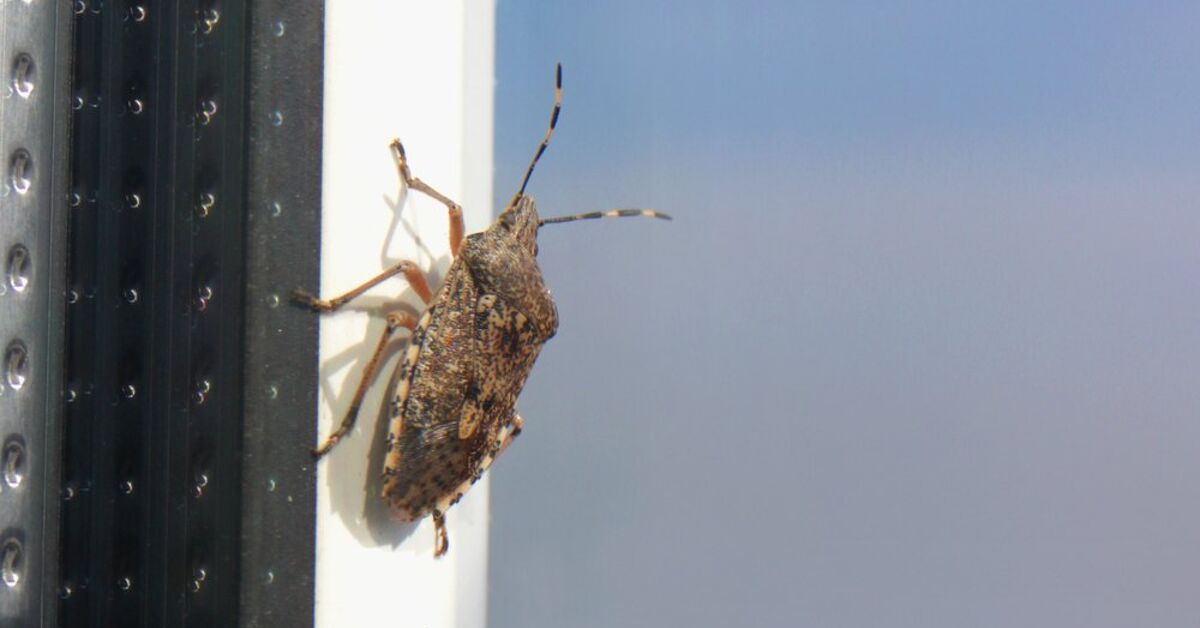
Stink bugs are shield-shaped insects known for releasing a strong odor when they are crushed, threatened, or handled roughly. The most famous troublemaker in many U.S. homes is the brown marmorated stink bug, an invasive species that originally came from Asia and has become a seasonal nuisance in many states.
Here is the key thing to understand: stink bugs usually do not enter your home because they want your cereal, your sofa, or your streaming password. They come indoors mostly to overwinter. As temperatures drop in late summer and fall, they search for warm, protected spaces. Cracks around windows, doors, siding, attic vents, chimneys, utility pipes, and rooflines can all become tiny stink bug highways.
Once inside, they hide in wall voids, attics, curtains, closets, and quiet corners. Then, when indoor temperatures rise in winter or spring, they may wake up and wander into living spaces. That is why you might see one slowly marching across your lampshade in February like it owns the mortgage.
Are Stink Bugs Dangerous?
For most homeowners, stink bugs are more annoying than dangerous. They do not typically bite people, sting, chew wood, destroy furniture, or spread common household diseases. Their biggest indoor crime is smelling terrible when crushed and multiplying your frustration level by about 400%.
Outdoors, however, stink bugs can be a serious problem for gardens and crops. They use piercing-sucking mouthparts to feed on fruits, vegetables, ornamental plants, and field crops. Tomatoes, peppers, beans, apples, peaches, corn, and soybeans can all suffer damage. On fruit, their feeding may leave dimples, scars, corky spots, or distorted growth. In other words, they may not eat your house, but your garden is definitely on the menu.
How to Get Rid of Stink Bugs Inside the House
1. Do Not Squish Them
The first rule of stink bug removal is simple: do not squish the stink bug. Crushing one can release the odor that gives the insect its name. It may also stain surfaces. Yes, the bug is slow. Yes, it looks smug. Still, resist the urge.
Instead, use calm removal methods. Think of yourself as a tiny pest bouncer escorting an unwanted guest out of the club.
2. Vacuum Them Up Carefully
A vacuum is one of the fastest ways to remove stink bugs indoors. For best results, use a vacuum with a disposable bag or a shop vacuum dedicated to bug duty. Empty it promptly outside, because dead stink bugs can leave an odor inside the vacuum. If you use a bagless vacuum, clean the canister afterward so the smell does not become your vacuum’s new personality.
A practical trick is to place a nylon stocking or thin mesh inside the vacuum hose and secure it with a rubber band, creating a removable trap before the bugs reach the canister. After vacuuming, remove the stocking, seal it, and dispose of it outside.
3. Use a Soapy Water Trap
For a simple indoor solution, fill a wide container with water and a few drops of dish soap. Gently knock or drop stink bugs into the mixture. The soap breaks surface tension and helps trap them. This method is low-cost, low-drama, and much better than turning your living room into a perfume disaster zone.
You can also place a shallow pan of soapy water under a small light in a dark room. Stink bugs are attracted to light, and some may fall into the pan. This can reduce wandering bugs, but it should not be your only strategy. Traps may catch bugs already indoors, but they do not seal the front door.
4. Capture and Release Individual Bugs
If you only see one or two stink bugs, use a cup and a stiff piece of paper. Place the cup over the bug, slide the paper underneath, and release it outdoors away from entry points. This is especially useful if you do not want to deal with vacuum odor.
5. Remove Dead Bugs
Dead stink bugs can attract other pests in some situations and may continue to smell if disturbed. Sweep or vacuum them up and dispose of them outside. Check windowsills, baseboards, attic corners, and light fixtures where they often gather.
How to Prevent Stink Bugs from Coming Back
1. Seal Entry Points Before Fall
Prevention is the real secret to stink bug control. Once they are already inside the walls, removing every single one becomes much harder. The best time to pest-proof your home is late spring through early fall, before the annual stink bug parade begins.
Inspect the outside of your home carefully. Seal cracks around windows, doors, siding, fascia boards, utility pipes, chimneys, vents, and foundation gaps. Use exterior-grade caulk for small cracks and weather stripping around doors. Install or repair door sweeps. Replace torn window screens and cover attic, crawl space, and exhaust vents with appropriate mesh screening.
Pay special attention to the sunny sides of the house, especially south- and west-facing walls. Stink bugs often gather on warm exterior surfaces before entering through nearby gaps.
2. Reduce Outdoor Lighting at Night
Stink bugs are attracted to light. During peak fall activity, reduce unnecessary outdoor lighting. Close curtains or blinds at night so indoor light does not shine through windows and invite bugs toward the house like a tiny insect nightclub sign.
If you need exterior lights for safety, consider yellow “bug” bulbs or motion-activated lighting. The goal is not to live in darkness like a cave wizard; it is simply to make your house less attractive to wandering pests.
3. Keep Screens, Vents, and Doors Tight
A tiny gap can become a big problem. Check window screens, sliding door tracks, attic vents, dryer vents, and garage doors. Stink bugs can flatten themselves enough to enter surprisingly small openings. If your garage door has daylight showing underneath it, stink bugs may interpret that as a formal invitation.
4. Manage Yard Debris and Vegetation
Stink bugs often shelter in weeds, leaf piles, wood piles, overgrown vegetation, and garden debris. Keep vegetation trimmed away from the foundation. Move firewood away from the house. Clean up fallen fruit, spent vegetable plants, and heavy weed growth near gardens.
This does not mean your yard must look like a golf course managed by a perfectionist. It means reducing the cozy hiding places close to your home.
5. Inspect Items Before Bringing Them Indoors
Stink bugs can hitchhike on firewood, patio furniture, storage bins, garden supplies, boxes, and outdoor decorations. Before bringing these items inside, give them a quick inspection. Shake out cushions, check under rims and handles, and look in folds or crevices.
How to Get Rid of Stink Bugs in the Garden
1. Identify the Damage
In gardens, stink bug damage often appears as small sunken spots, cloudy patches, yellowing, scars, or distorted fruit. Tomatoes may show pale, corky areas under the skin. Beans may be misshapen. Peppers may develop scars. If your produce looks like it lost a tiny boxing match, stink bugs may be involved.
2. Handpick Bugs and Egg Masses
For small gardens, handpicking is one of the most practical controls. Wear gloves and drop adult bugs and nymphs into soapy water. Check the undersides of leaves for egg masses, which often look like clusters of tiny barrels. Remove or crush egg masses before they hatch.
Handpicking is not glamorous, but neither is paying premium grocery prices because bugs treated your tomatoes like a buffet.
3. Remove Weeds and Alternate Hosts
Many stink bugs feed and shelter on weeds before moving into vegetables or fruit. Keep weeds down around garden borders, fences, and nearby beds. Removing weedy host plants early in the season can reduce pest pressure later.
4. Use Row Covers at the Right Time
Floating row covers can protect vulnerable crops, especially young plants. They work best when installed before pests arrive. Secure the edges tightly so bugs cannot crawl underneath. Remove covers when plants need pollination, unless you are growing crops that do not require insect pollinators during that period.
5. Be Careful with Pheromone Traps
Stink bug traps can help monitor activity, but they may also draw bugs toward the area where they are placed. Avoid putting attractant traps directly beside prized tomato plants or fruit trees unless the product instructions recommend that use. In small yards, traps can sometimes gather bugs near the very plants you are trying to protect.
6. Encourage Beneficial Insects
Some natural enemies attack stink bug eggs and young bugs. A diverse garden with flowering plants can support beneficial insects. Avoid unnecessary broad-spectrum insecticide use, because it may kill predators and parasitoids that help keep pest populations in check.
Do Sprays Work on Stink Bugs?
Sprays can be part of a stink bug control plan, but they are not magic. Indoors, routine spraying is usually not the best solution. Many stink bugs hide in wall voids or inaccessible areas, so spraying visible bugs may only address a small portion of the problem. Also, using pesticides indoors incorrectly can create health risks and unpleasant residues.
Outdoors, some products are labeled for use around entry points such as window frames, door thresholds, and exterior cracks. Always read and follow the product label exactly. The label is the law and the safety manual. Do not spray food-contact surfaces, indoor furniture, bedding, toys, pets, or areas not listed on the label.
For heavy exterior infestations, a licensed pest control professional may apply targeted treatments at the right time of year, usually before stink bugs move indoors. Professional help is especially useful when bugs are entering through high rooflines, attic spaces, chimneys, or complex siding gaps that are difficult to seal safely.
Natural and Low-Toxicity Stink Bug Control Options
Soapy Water
Soapy water is one of the simplest low-toxicity removal tools. It works best for direct contact with bugs you can see. Keep a small container ready during peak season and use it for quick disposal.
Vacuum Removal
Vacuuming is fast, practical, and chemical-free. The main downside is odor, so empty the vacuum immediately and consider using a disposable bag or dedicated vacuum.
Physical Exclusion
Caulk, weather stripping, mesh screening, door sweeps, and repairs are the most reliable long-term tools. Physical exclusion is boring in the same way brushing your teeth is boring: it works, and future you will be grateful.
Light Management
Reducing outdoor lighting during fall can reduce the number of bugs attracted to your home. It is not a complete control method, but it helps when combined with sealing and yard cleanup.
Seasonal Stink Bug Control Calendar
Spring
In spring, overwintering stink bugs may wake up and move toward windows as they try to get outside. Vacuum or capture them. Inspect window frames, attic spaces, and sunny rooms. In the garden, begin monitoring plants and remove early weeds.
Summer
Summer is the time to repair screens, caulk cracks, install door sweeps, and reduce yard hiding places. Check vegetable plants for eggs and nymphs. Use row covers when appropriate.
Late Summer and Fall
This is the most important prevention season. Stink bugs begin searching for overwintering sites. Focus on sealing exterior openings, reducing outdoor lights, checking vents, and keeping doors closed. If you plan to hire pest control, do it before the bugs move inside, not after they are hosting a reunion in your attic.
Winter
Winter stink bug control is mostly indoor removal. Do not panic if you see occasional bugs. Vacuum, trap, or capture them. Make notes about where they appear so you know which entry points to seal when the weather improves.
When to Call a Professional
Call a licensed pest control professional if you see large numbers of stink bugs indoors, cannot locate entry points, have bugs emerging from walls or attic spaces, or need treatment on high exterior areas. Professional services may combine inspection, exclusion advice, targeted exterior applications, and seasonal prevention.
You should also consider professional help if someone in the household has allergies, asthma, chemical sensitivities, or if you are unsure how to use pest products safely. A good pest professional should explain what they are applying, where they are applying it, and what prevention steps you can take after treatment.
Common Mistakes That Make Stink Bug Problems Worse
Mistake 1: Waiting Until They Are Already Inside
Once stink bugs enter wall voids and attics, they are harder to control. Seal entry points before fall.
Mistake 2: Crushing Them
Crushing stink bugs releases odor and can make cleanup unpleasant. Use vacuuming, soapy water, or cup-and-paper removal.
Mistake 3: Ignoring the Outside of the House
Indoor removal helps today. Exterior sealing prevents tomorrow’s invasion. You need both.
Mistake 4: Overusing Insecticides
Spraying randomly may not solve the problem and can harm beneficial insects outdoors. Use labeled products carefully and only where appropriate.
Mistake 5: Putting Traps in the Wrong Place
Attractant traps can pull stink bugs toward plants or structures. Place them thoughtfully and follow product instructions.
Real-World Experience: What Actually Helps When Stink Bugs Keep Coming Back
After dealing with stink bugs for more than one season, most homeowners learn the same lesson: the battle is won before the bugs ever walk across the ceiling. The first time you see a stink bug indoors, it feels like a small problem. One bug on the curtain? Fine. Two bugs near the window? Annoying, but manageable. Then October arrives, and suddenly your sunny wall looks like it is hosting a shield-shaped conference.
The most useful experience is to track where the bugs appear. If they always show up in an upstairs bedroom, inspect the exterior wall outside that room. Look for loose siding, cracks around window trim, gaps under fascia boards, or torn screens in attic vents. If they appear near recessed lights or ceiling fixtures, the attic may be involved. If they gather near a sliding door, check the weather stripping and track. Stink bugs are not mysterious wizards; they usually follow air leaks, warmth, light, and gaps.
One practical example: a homeowner may vacuum dozens of stink bugs from a living room every fall and assume the room itself is the problem. But after inspecting outside, they discover a gap where a cable line enters the siding. A small bead of exterior sealant and a repaired screen reduce the indoor bugs dramatically the next season. That is the power of exclusion. It is not flashy. It will not get applause from the neighbors. But it works.
Another lesson is that stink bug control is easier when you create a simple routine. In late August or early September, walk around the house with a notebook. Check windows, doors, vents, foundation cracks, utility openings, and garage seals. Replace torn screens. Add door sweeps. Move firewood away from the house. Trim plants that touch the siding. Reduce outdoor lights near entry doors. These small chores feel minor, but together they create a much less welcoming building.
Inside the house, keep removal tools simple. A dedicated handheld vacuum, a roll of paper towels, a cup, a piece of cardboard, and a container of soapy water are enough for most occasional invaders. The goal is fast, clean removal without crushing. Do not turn every stink bug sighting into a dramatic emergency. Calmly remove it, note the location, and keep improving the seal around your home.
Gardeners often learn a slightly different lesson: stink bugs do not respect wishful thinking. If your tomatoes, peppers, or beans were damaged last year, start monitoring early this year. Look under leaves for egg masses. Remove weeds around the garden. Handpick bugs into soapy water before numbers rise. Consider row covers for vulnerable crops. If you wait until every tomato has cloudy spots, the bugs have already enjoyed the buffet.
The biggest experience-based tip is this: do not rely on one solution. A trap alone will not solve a home invasion. A spray alone will not seal a crack. A vacuum alone will not stop next fall’s visitors. The best stink bug elimination plan combines indoor removal, exterior sealing, light management, yard cleanup, and garden monitoring. That layered approach is what turns a yearly stink bug nightmare into a manageable seasonal annoyance.
And finally, be patient. Stink bug control improves over time. The first season may be about reducing numbers. The second season may be about finding the hidden entry points you missed. By the third season, your home can be far less attractive to stink bugs. Think of it as pest-proofing with a learning curveand thankfully, no final exam except a quieter, cleaner, less smelly house.
Conclusion: The Best Way to Eliminate Stink Bugs
The best way to get rid of stink bugs is to combine immediate removal with long-term prevention. Vacuum or capture indoor bugs without crushing them. Use soapy water for quick disposal. Seal cracks, repair screens, install door sweeps, reduce outdoor lighting, and clean up yard debris before fall. In the garden, monitor plants, remove egg masses, control weeds, and protect vulnerable crops.
Stink bugs are persistent, but they are not unbeatable. Your strongest weapon is not a dramatic spray bottle moment. It is a well-sealed home, a tidy perimeter, and a calm plan. In other words, make your house boring to stink bugs. They will have to find another winter resort.











