
Editor’s note: This article is for educational pet-care content only. Hypoglycemia in young puppies can become serious quickly, so any puppy showing weakness, confusion, tremors, refusal to eat, collapse, or seizure-like activity should be evaluated by a veterinarian as soon as possible.
Introduction: When a Tiny Puppy Runs Out of Fuel
Young puppies are basically adorable little engines wrapped in fluff. They burn energy fast, nap hard, eat often, and somehow still find the strength to chew a shoelace like it personally offended them. But because their bodies are still developing, some puppiesespecially toy breeds and very young pupscan experience hypoglycemia, also known as low blood sugar.
Hypoglycemia in young puppies happens when the level of glucose in the bloodstream drops too low to support normal body function. Glucose is a puppy’s quick-access fuel. The brain, muscles, and organs depend on it. When blood sugar falls, a puppy may become weak, wobbly, sleepy, shaky, confused, or unable to eat. In severe cases, hypoglycemia can become a medical emergency.
The good news? Pet parents can learn the warning signs, respond calmly, and reduce the risk with smart feeding routines, warmth, careful monitoring, and veterinary guidance. This step-by-step guide explains how to handle hypoglycemia in young puppies, what to do immediately, when to call the vet, and how to prevent future episodes. Think of it as a tiny-puppy safety manualminus the boring assembly diagrams.
What Is Hypoglycemia in Young Puppies?
Hypoglycemia means low blood sugar. In puppies, it is most often seen in very young dogs, small-breed puppies, toy-breed puppies, underweight puppies, puppies that have not eaten enough, or pups dealing with stress, illness, parasites, or digestive upset. Their bodies have limited energy reserves, and their livers are not always mature enough to keep blood glucose steady during long gaps between meals.
A healthy adult dog can usually handle a missed meal better than a young puppy. A tiny puppy, on the other paw, may treat a skipped breakfast like a full-blown energy crisis. That is why regular feeding, warmth, and quick attention to early symptoms matter so much.
Common Risk Factors
Young puppies are more likely to develop low blood sugar when they are not eating well, have diarrhea or vomiting, become chilled, experience travel stress, play too hard without enough calories, have intestinal parasites, or come from a toy breed with very small body reserves. Puppies newly brought home may also be at risk because the transition itself can be stressful.
Breeds That May Need Extra Monitoring
Any puppy can develop hypoglycemia, but toy and small breeds often need closer attention. Yorkshire Terriers, Chihuahuas, Maltese, Pomeranians, Toy Poodles, Shih Tzus, Papillons, and similar small breeds may be more vulnerable during puppyhood. Their bodies are small, their energy needs are high, and their “fuel tank” is not exactly built like a pickup truck.
Signs of Hypoglycemia in Puppies
Recognizing symptoms early can make a major difference. Hypoglycemia may begin subtly, then progress quickly if the puppy does not get help. Watch for these signs:
- Weakness or unusual sleepiness
- Wobbling, stumbling, or poor coordination
- Trembling, twitching, or shaking
- Refusing food or seeming too tired to eat
- Glassy eyes or a confused expression
- Whining, restlessness, or unusual behavior
- Cold body temperature or chilled paws
- Collapse or seizure-like activity in severe cases
If a puppy seems “not quite right,” take it seriously. Puppies do not always read the veterinary textbook before showing symptoms. One puppy may tremble; another may simply become limp and quiet. When in doubt, call your veterinarian or an emergency veterinary clinic.
How to Handle Hypoglycemia in Young Puppies: 14 Steps
Step 1: Stay Calm and Check the Puppy’s Responsiveness
First, take a breath. Panic is understandable, but puppies need calm, quick action. Gently call the puppy’s name and see whether they respond. Are they alert? Can they lift their head? Are they able to swallow? Are they breathing normally? This first check helps you decide how urgent the situation is and whether it is safe to offer anything by mouth.
If the puppy is unconscious, unable to swallow, having seizure-like activity, or struggling to breathe, do not force food or liquid into the mouth. Contact an emergency veterinarian immediately.
Step 2: Look for Classic Low Blood Sugar Symptoms
Check for weakness, wobbliness, trembling, glassy eyes, refusal to eat, or sudden extreme sleepiness. These are common signs of low blood sugar in puppies. Also consider what happened before the symptoms appeared. Did the puppy miss a meal? Play too hard? Have diarrhea? Travel? Get cold? Stress plus skipped calories can push a tiny puppy into trouble faster than you might expect.
Step 3: Call Your Veterinarian or Emergency Clinic
Even if you plan to give temporary sugar support at home, call a veterinarian. Hypoglycemia can be a symptom, not just a one-time event. A puppy may need a blood glucose test, warming support, fluids, dextrose, parasite testing, nutritional adjustment, or treatment for an underlying illness.
Tell the clinic your puppy’s age, breed, weight, symptoms, when they last ate, and whether they can swallow. This helps the veterinary team guide you safely.
Step 4: If the Puppy Can Swallow, Offer a Quick Sugar Source
If the puppy is awake, responsive, and able to swallow, a small amount of a fast sugar source may help stabilize blood glucose temporarily. Many veterinary sources mention light corn syrup, honey, or glucose gel as emergency support. Use only a small amount and avoid products containing xylitol, which is toxic to dogs.
Do not treat this as a magic cure. Sugar can help briefly, but the puppy still needs monitoring and often veterinary care. Think of it as plugging in a phone at 1% batterynot replacing the battery, charger, and possibly the entire puppy operating system.
Step 5: Rub Sugar on the Gums if the Puppy Is Too Weak to Eat
If the puppy is very weak but still conscious, your veterinarian may advise rubbing a tiny amount of corn syrup or honey on the gums. The tissues in the mouth can absorb sugar. Use caution: do not pour liquid into the mouth, especially if the puppy is weak, limp, or not swallowing well.
Place a small amount on your finger or a cotton swab and gently smear it on the gums. Keep the puppy’s head in a natural position. Avoid pushing syrup toward the throat. The goal is gum contact, not a sticky wrestling match.
Step 6: Keep the Puppy Warm, Not Hot
Young puppies can become chilled easily, and low body temperature can worsen low blood sugar. Wrap the puppy in a soft towel or blanket. You can use your body warmth or a warmnot hotwater bottle wrapped in a towel. Never place a puppy directly on a heating pad set high, and never overheat them.
A chilled puppy may not digest food properly and may struggle to recover. Warmth and glucose support often go together in emergency puppy care.
Step 7: Offer Food Once the Puppy Is Alert Enough
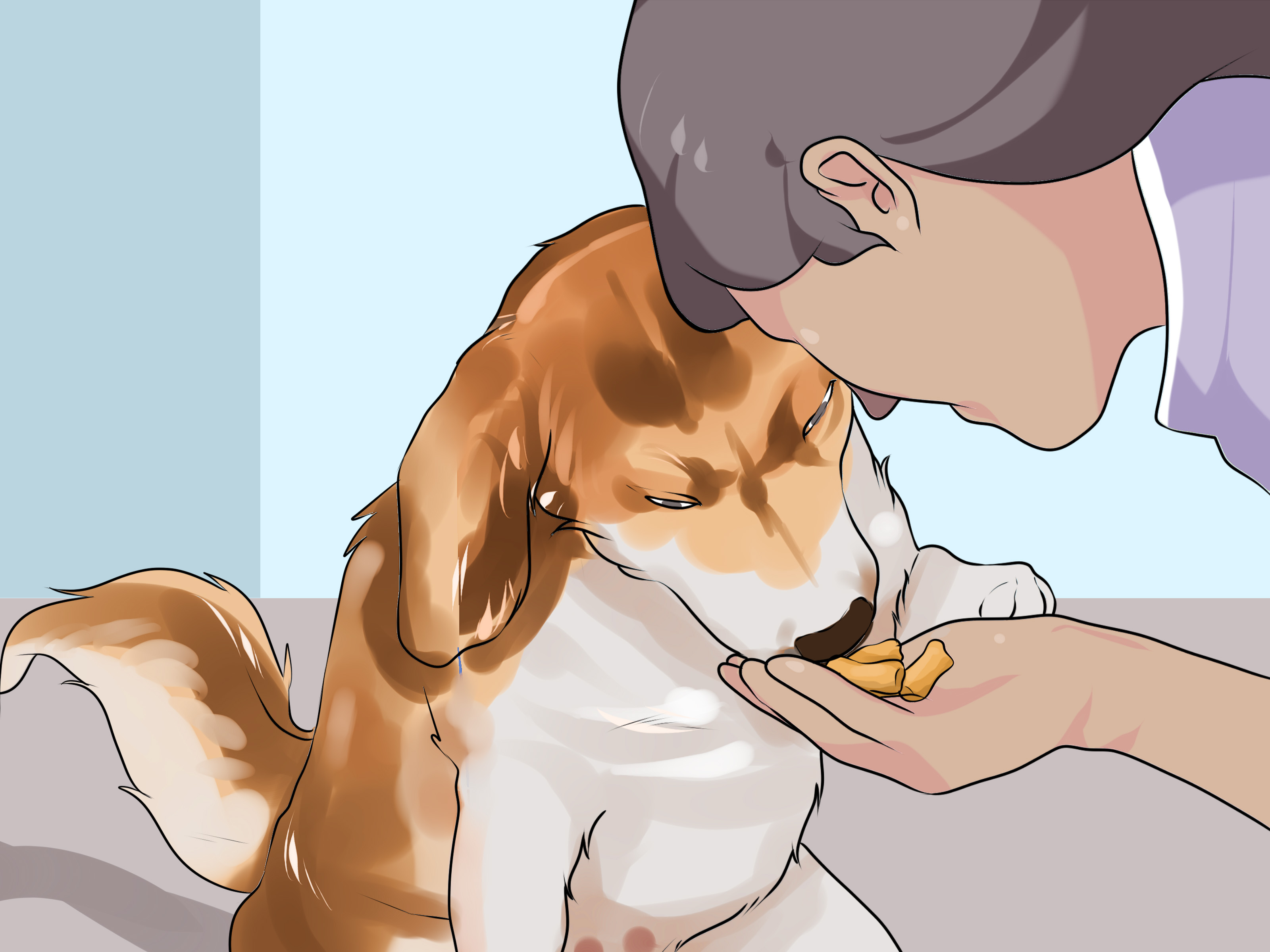
Once the puppy becomes more alert and can swallow normally, offer a small meal. Choose a high-quality puppy food, softened kibble, canned puppy food, or a veterinarian-recommended recovery diet. For tiny puppies, a small frequent feeding is usually safer than one large meal.
If your puppy refuses food after sugar support, call the veterinarian again or head to the clinic. A puppy who will not eat may relapse quickly.
Step 8: Do Not Delay Veterinary Care After Improvement
One of the biggest mistakes pet owners make is assuming the puppy is fine because they perk up after honey or corn syrup. Temporary improvement does not always mean the problem is solved. Blood sugar can drop again, especially if the puppy is sick, has parasites, has a congenital issue, or cannot maintain normal glucose levels.
If symptoms were moderate or severe, or if this is the first episode, veterinary evaluation is the safest next step.
Step 9: Ask About Blood Glucose Testing
Your veterinarian may check your puppy’s blood glucose level to confirm hypoglycemia. They may also run additional tests depending on the puppy’s symptoms and history. Testing can help identify whether the episode was due to missed meals, poor intake, intestinal parasites, infection, liver problems, toxin exposure, or another cause.
For repeat episodes, your vet may recommend home monitoring, a feeding schedule, or follow-up exams. Do not guess your way through recurring hypoglycemia. Puppies are cute, but they are terrible at explaining their lab results.
Step 10: Feed Small, Frequent Meals
Prevention starts with routine. Young puppies, especially toy breeds, often do best with several small meals throughout the day. Your veterinarian can suggest the right schedule based on age, size, breed, and health status. Many young puppies need food every few hours while awake.
Avoid long fasting periods. Overnight can be tricky for very tiny puppies, so ask your vet whether a bedtime snack is appropriate. The goal is to keep glucose steady, not to turn your puppy into a round little meatball with paws.
Step 11: Choose a High-Quality Puppy Diet
Puppies need food designed for growth. Adult dog food may not provide the calorie density and nutrient balance a growing puppy needs. Look for a complete and balanced puppy formula appropriate for your dog’s expected adult size. Small-breed puppy formulas can be useful because they are often calorie-dense and have smaller kibble.
If your puppy is picky, ask your veterinarian about safe ways to improve appetite. Do not rely on treats as the main diet. Treats are fun, but they are not a nutrition plan.
Step 12: Reduce Stress During Transitions
Many hypoglycemia episodes happen shortly after a puppy goes to a new home. The puppy is excited, stressed, overstimulated, and possibly eating less than normal. Keep the first few days calm. Offer meals on schedule, limit marathon play sessions, and provide warm rest periods.
Children and visitors may want to hold the puppy constantly, but young puppies need sleep. A tired puppy is not always just “being lazy.” Sometimes they are running low on energy and need food, warmth, and quiet.
Step 13: Avoid Xylitol and Other Household Hazards
Xylitol is a sugar substitute found in some sugar-free gum, candies, baked goods, toothpaste, supplements, and other household products. In dogs, xylitol can trigger a dangerous drop in blood sugar and may also harm the liver. Keep all xylitol-containing items far away from puppies.
Read labels carefully. “Sugar-free” does not mean “puppy-safe.” If your puppy eats anything containing xylitol, contact a veterinarian or pet poison hotline immediately.
Step 14: Create a Puppy Hypoglycemia Action Plan
Do not wait until an emergency to wonder where the honey is, which clinic is open, or whether your puppy can safely go six hours without eating. Make a simple plan. Keep your veterinarian’s phone number, the nearest emergency clinic, a safe sugar source, puppy food, and feeding instructions in one easy-to-find place.
If your puppy is high risk, ask your veterinarian exactly what to do if symptoms appear. Write it down. In a stressful moment, your brain may become a browser with 47 tabs open and no useful search results. A written plan helps you act quickly.
When Is Hypoglycemia an Emergency?
Hypoglycemia should be treated as urgent when a puppy is extremely weak, cannot stand, refuses food, trembles repeatedly, seems disoriented, collapses, has seizure-like activity, becomes cold, or does not improve quickly after initial support. It is also urgent if the puppy may have eaten xylitol, medication, or any unknown substance.
Do not wait to “see how it goes” if symptoms are serious. Puppies can decline quickly because their bodies have limited reserves. A veterinarian can provide dextrose, fluids, warming support, oxygen if needed, and treatment for the underlying cause.
How Veterinarians Treat Puppy Hypoglycemia
Veterinary treatment depends on the puppy’s condition. The team may check blood glucose, body temperature, hydration, and overall stability. If blood sugar is very low, the puppy may receive dextrose. If the puppy is dehydrated or ill, fluids may be needed. If parasites, infection, poor nutrition, toxin exposure, or liver problems are suspected, the veterinarian may recommend additional tests or treatments.
The important point is that hypoglycemia is not always just “the puppy missed lunch.” Sometimes it is the visible sign of a deeper problem. Proper diagnosis helps prevent repeat episodes and keeps the puppy safer as they grow.
Prevention Tips for High-Risk Puppies
Preventing hypoglycemia is usually easier than treating a crisis. Start with consistent meals, age-appropriate puppy food, warm sleeping areas, parasite prevention recommended by your veterinarian, and careful monitoring after travel, vaccination visits, grooming, or stressful events.
Build a Feeding Routine
Feed on a schedule and track whether your puppy actually eats. Some puppies nose-dive into the bowl like tiny athletes. Others take two bites, chase a dust bunny, and forget dinner exists. For high-risk puppies, “food was available” is not the same as “food was eaten.”
Watch Playtime
Play is healthy, but long, intense play can burn energy fast. Give small puppies frequent rest breaks and meals. If a puppy becomes shaky or suddenly tired after playing, stop and assess.
Monitor Weight and Growth
Weigh your puppy regularly, especially if they are tiny. Healthy growth is a good sign that the diet and feeding schedule are working. Poor weight gain, vomiting, diarrhea, or repeated weakness should be discussed with your veterinarian.
Common Mistakes to Avoid
One common mistake is forcing liquid into a puppy’s mouth when they are too weak to swallow. This can be dangerous. Another mistake is giving sugar and skipping the vet because the puppy “looks better.” Temporary improvement can be misleading. A third mistake is allowing long gaps between meals, especially in toy-breed puppies.
Also avoid using products without checking ingredients. Some sugar-free products contain xylitol, which is dangerous for dogs. When choosing an emergency sugar source, plain honey or light corn syrup is commonly discussed in veterinary first-aid guidance, but your veterinarian should confirm what is appropriate for your puppy.
Experience-Based Puppy Care Notes: What Real-Life Hypoglycemia Prevention Looks Like
In real life, handling hypoglycemia in young puppies is less like a dramatic medical TV scene and more like careful, boring consistency. And honestly, boring is wonderful when it comes to puppy blood sugar. The most successful puppy owners are not necessarily the ones with the fanciest supplies. They are the ones who notice patterns, feed on schedule, keep the puppy warm, and call the vet before a small concern becomes a big emergency.
One useful habit is creating a “puppy station” in the home. This can include puppy food, a clean water bowl, feeding notes, your veterinarian’s phone number, emergency clinic information, a digital kitchen scale, soft blankets, and a safe sugar source approved by your vet. When everything is in one place, you do not have to search the entire house while holding a shaky puppy and silently blaming yourself for not organizing the pantry sooner.
Another practical lesson is to observe the puppy after exciting events. New-home day, car rides, first vet visits, grooming appointments, playdates, and busy family gatherings can all drain a young puppy. A tiny dog may look cheerful one minute and exhausted the next. After stimulation, offer quiet rest and make sure the puppy eats. This is especially important for toy breeds. Their energy reserves can disappear faster than snacks at a birthday party.
Many experienced small-breed owners also learn to separate “sleepy” from “too sleepy.” Normal puppies sleep a lot. That is not a problem. The concern is a puppy who is difficult to wake, unusually limp, uninterested in food, trembling, or acting confused. A healthy nap has a relaxed, peaceful quality. A hypoglycemic puppy may seem weak, distant, or unable to respond normally. When the difference is unclear, it is better to check in with a veterinarian.
Food tracking can help too. Instead of simply filling the bowl and assuming success, watch the puppy eat. For a very small puppy, even a missed meal matters. Some owners keep a simple note on the refrigerator: breakfast, lunch, dinner, bedtime snack. Check marks may not be glamorous, but they can prevent guesswork. If several family members care for the puppy, a shared feeding chart avoids the classic “I thought you fed him” problem.
Warmth is another real-world detail that matters more than people expect. A small puppy sleeping on a cold floor, in a drafty room, or after a bath may burn extra energy trying to stay warm. Provide a cozy sleeping area and dry the puppy thoroughly after bathing. Warm does not mean hot; overheating is not safe either. The goal is comfortable, steady warmth.
Finally, trust your instincts but support them with veterinary advice. If your puppy has one suspected hypoglycemia episode, do not treat it as random bad luck. Ask why it happened. Was the puppy eating enough? Is the food appropriate? Are there parasites? Is the puppy underweight? Could there be an underlying health issue? The best experience-based lesson is simple: quick action helps during an episode, but prevention and follow-up care protect the puppy long term.
Conclusion: Small Puppy, Big Responsibility
Hypoglycemia in young puppies can be frightening, but preparation makes a huge difference. Learn the early signs, feed small and frequent meals, keep your puppy warm, reduce stress, avoid xylitol, and have a veterinarian-approved emergency plan. If symptoms appear, act quickly: assess responsiveness, provide safe sugar support only when appropriate, keep the puppy warm, and contact a veterinarian.
Young puppies are tiny, busy, growing creatures with big energy needs. With the right routine and fast response, you can help protect them during one of the most delicate stages of life. Also, yes, they will still try to chew your sock afterward. That is not hypoglycemia. That is puppy management.











