
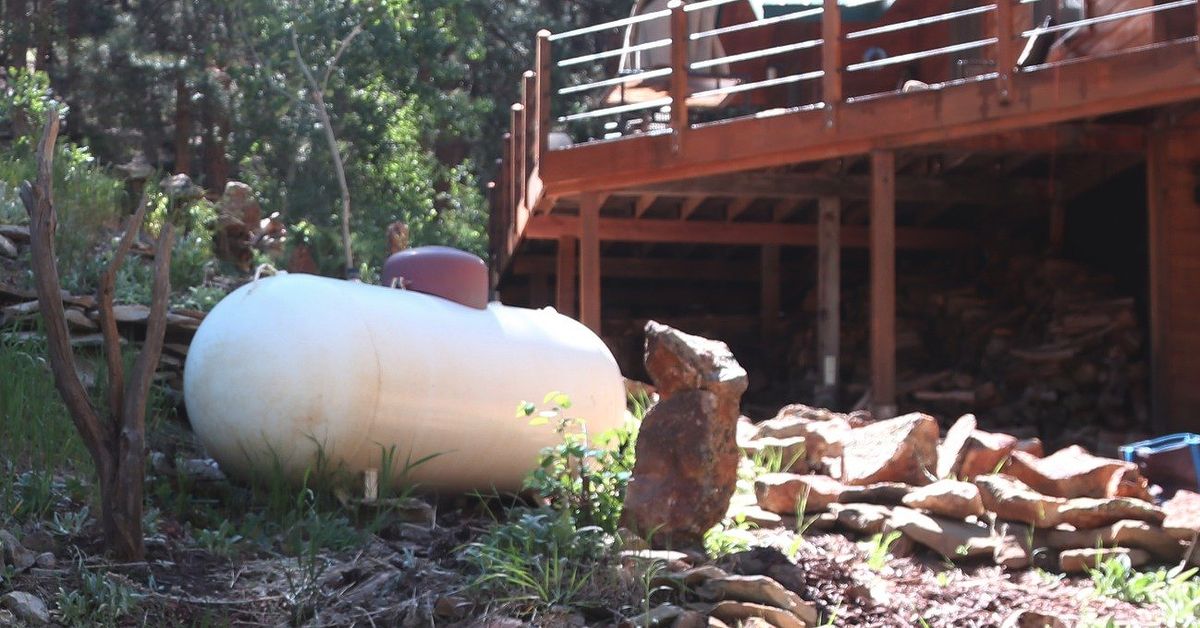
There it sits: the propane tank. White, round, practical, and about as subtle as a refrigerator parked in the garden. It powers the stove, the water heater, the fireplace, maybe even the backup generatorbut visually, it can feel like the yard has grown a giant metal marshmallow.
If you have searched for ways to hide a propane tank without painting it, you are not alone. Homeowners love propane for its reliability and versatility, but few people build a dream landscape around the phrase “large horizontal fuel container.” The good news is that you can make a propane tank less noticeable without grabbing a paintbrush, turning it into a cartoon cow, or building a mystery box around it.
The better news? The safest solutions are usually the classiest. Instead of trying to make the tank disappear completely, the goal is to soften sightlines, guide the eye elsewhere, and keep the tank easy to access for inspections, refills, and maintenance. Think of it as giving the tank a supporting role in your landscape instead of letting it steal the whole show.
First Rule: Do Not Truly “Hide” a Propane Tank
Before we talk about shrubs, screens, and clever landscaping, let’s clear up one thing: a propane tank should never be hidden in a way that blocks ventilation, covers valves, traps fumes, or prevents a propane professional from reaching it. Propane is stored under pressure, and while residential propane systems are designed with safety in mind, the tank still needs open air, clear access, and respect.
That means no sealed wooden boxes, no tight sheds, no roofed enclosures, no giant tarp burrito, and no “I’ll just stack firewood around it” strategy. Firewood, dry leaves, brush, and overgrown grass are not decorative camouflage; they are combustible clutter wearing a disguise.
When this article says “hide,” it means visually screen from the most common viewing angles while keeping the tank accessible, ventilated, and easy to identify. In other words: hide it from your patio photo, not from the delivery driver.
Why Painting Is Not the Best Solution
Painting a propane tank may sound simple, but it is not always allowed, and it is not always safe. Many propane tanks are leased from the supplier, which means the homeowner does not own the tank and should not alter it without permission. Even when a tank is privately owned, dark paint can absorb heat, which is one reason propane tanks are commonly finished in light reflective colors such as white or light gray.
Besides, painting often makes the tank more noticeable. A tank painted like a watermelon is still a tanknow with seeds. A tank painted to match the grass may blend for about three weeks, until the grass changes color, the tank stays the same, and the yard looks like it is hosting a confused submarine.
Instead of painting, use landscape design. It is more flexible, often more attractive, and much easier to adjust if your propane provider needs better access.
Best Ways to Make a Propane Tank Less Noticeable Without Painting
1. Create a Wide Planting Bed Around the Area, Not Against the Tank
The most natural way to soften the look of a propane tank is to build a generous planting bed around the area. The important word is “around,” not “on top of” or “pressed against.” Plants should not touch the tank, block the valves, or make service access difficult.
A wide bed gives the eye something else to enjoy: ornamental grasses, flowering shrubs, mulch, stone edging, and seasonal color. Instead of seeing “tank,” visitors see “landscape feature with depth.” The tank becomes background noise.
Good candidates may include compact flowering shrubs, airy ornamental grasses, low-maintenance perennials, and native plants suited to your region. Choose plants with manageable mature sizes and avoid aggressive vines or deep-rooted species near underground propane lines. The goal is softness, not a jungle that requires a machete and a brave technician.
2. Use Layered Landscaping to Break Up the Shape
A propane tank is visually challenging because it is smooth, pale, and horizontal. The eye notices that long cylinder instantly. Layered landscaping helps break up the outline.
Use a mix of heights and textures. For example, a backdrop of taller shrubs behind the tank, medium perennials in front from a safe distance, and low ground covers or mulch at the edge can make the whole area feel intentional. The trick is not to draw a perfect circle of plants around the tank. That can accidentally frame it like a museum exhibit: “Behold, the Propane Tube of Suburbia.”
Instead, design the bed as part of the larger yard. Let the planting curve naturally. Repeat plants already used elsewhere in the landscape so the tank area feels connected rather than disguised.
3. Install an Open, Partial Screen
A partial screen can be useful when the tank is visible from a porch, driveway, dining room window, or backyard seating area. The safest versions are open, breathable, and placed with plenty of room for service access. Think lattice panels, spaced slat screens, or a two-sided visual barriernot a closed box.
A partial screen works best when it blocks one or two key sightlines while leaving the tank open on the service side. It should never trap gas, prevent inspection, or hide the tank so completely that delivery becomes a scavenger hunt.
For style, match the screen to your home. A farmhouse property may look great with simple wood slats. A modern home may prefer horizontal composite boards with gaps. A cottage garden may pair nicely with lattice and flowering plants nearby. Keep it tasteful, sturdy, and easy to move or access if needed.
4. Use a Trellis Nearby, Not Attached to the Tank
A trellis can distract from a propane tank without touching it. Place it where it improves the view from a specific direction, such as the patio or driveway. Use it as a design element rather than a tank cage.
Be careful with climbing plants. Vines can become heavy, tangled, and intrusive. They may also creep toward valves, lines, or the tank body. If you use climbing plants, keep them trained on the trellis and away from the propane equipment. For a lower-maintenance option, skip vines and use the trellis as a standalone architectural feature.
5. Redirect Attention With a Better Focal Point
Sometimes the best way to hide a propane tank is to give the eye something better to look at. A small ornamental tree, a birdbath, a bench, a stone path, a garden sculpture, or a colorful container grouping can redirect attention.
This works especially well when the tank sits at the edge of a yard. Instead of making the tank the main object in the view, create a focal point slightly away from it. People naturally look toward contrast, movement, color, and structure. A tasteful focal point says, “Look over here,” while the tank quietly does its job in the background.
6. Choose Portable Planters for Seasonal Coverage
Large planters are one of the most flexible options for improving the view around a propane tank. They can add color in summer, texture in fall, and structure in winter. Better yet, they can be moved when the tank needs service.
Use planters as visual accents, not barricades. Keep them away from valves, lids, regulators, and access paths. Lightweight resin, fiberglass, or wooden planters can work well because they are easier to reposition than heavy concrete pots. Fill them with annuals, dwarf shrubs, herbs, or ornamental grasses depending on the season.
For a polished look, repeat the same planter style in groups of three. This creates rhythm without clutter. Your yard looks designed, not like you are trying to hide a secret from the gas company.
What About Underground Propane Tanks?
Underground propane tanks are the ultimate low-profile option because most of the tank is below grade. Only the dome or lid area remains visible for filling, inspection, and maintenance. For homeowners building a new house or replacing a tank, this can be an attractive long-term solution.
However, underground tanks are not a casual weekend project. Soil conditions, drainage, corrosion protection, access, permits, and professional installation all matter. The tank lid must remain visible and reachable. You should not bury it under mulch, build a raised bed over it, or disguise it so well that nobody can find it.
If you already have an above-ground tank, ask your propane provider whether relocation or underground installation is practical for your property. The answer depends on local codes, site conditions, tank size, delivery access, and budget.
Design Mistakes to Avoid
Do Not Fully Enclose the Tank
A fully enclosed propane tank is not a design win. It can restrict ventilation and make service difficult. Avoid enclosed sheds, tight fences, roofed covers, and any structure that traps the tank inside.
Do Not Block the Valves or Fill Point
Propane professionals need clear access to valves, gauges, regulators, and fill connections. If your screen, shrub, or planter makes the job difficult, it is too close or poorly placed.
Do Not Let Plants Overgrow the Area
Plants grow. That adorable shrub from the garden center can become a leafy linebacker in three years. Always check the mature size before planting, and prune regularly.
Do Not Use Combustible Storage as Camouflage
Stacks of lumber, firewood, cardboard, dry brush, and yard debris should not be used around propane equipment. They do not hide the problem; they create a new one.
Do Not Forget Delivery Access
Your propane tank needs to be reachable in every season. Snow, mud, gates, locked fences, and narrow pathways can all complicate deliveries. A beautiful landscape that prevents fuel delivery is basically outdoor irony.
A Simple Planning Checklist
Before changing the area around your propane tank, use this homeowner-friendly checklist:
- Ask your propane supplier what clearances and access requirements apply to your tank.
- Check local rules before adding screens, covers, fences, or major landscaping.
- Keep the tank ventilated and visible enough for service professionals.
- Leave a clear path for inspections, refills, and emergency access.
- Choose shallow-rooted, manageable plants near propane lines.
- Avoid enclosing the tank on all sides or placing a roof over it.
- Plan for the mature size of every shrub, grass, or tree.
- Keep combustible debris away from the tank area.
Style Ideas by Yard Type
For a Cottage Garden
Use loose layers of flowering shrubs, perennials, and ornamental grasses. A curved bed with soft textures can make the propane tank feel less industrial. Keep the planting natural, airy, and easy to maintain.
For a Modern Home
Try a clean partial screen with horizontal slats and simple gravel or mulch. Add structured plants such as compact grasses or low evergreen shrubs placed safely away from the tank. The result feels intentional and uncluttered.
For a Farmhouse Property
A split-rail-style visual barrier, open fencing, or wide planting bed can blend beautifully with a rural setting. Use native shrubs and grasses for a relaxed look that does not scream “camouflage operation.”
For a Small Yard
Focus on sightlines. You may not need to screen the entire tank. Blocking the view from one patio chair, one kitchen window, or one driveway angle may be enough. Small, smart changes often work better than large, awkward ones.
Experience Notes: What Actually Works in Real Yards
In real life, hiding a propane tank without painting is less about one magic product and more about patience, spacing, and accepting that safety gets the final vote. The prettiest setup I have seen was not a fancy custom structure. It was a broad, curved planting bed that started near a side porch, swept around the tank area at a respectful distance, and ended near a row of existing shrubs. The owner used ornamental grasses, flowering shrubs, mulch, and a small stone border. From the driveway, the tank was still technically visible, but it no longer shouted. It became part of the background.
Another smart example came from a homeowner who had a tank visible from the breakfast nook. Instead of trying to hide it from every angle, they focused on that one window view. They placed an open slat screen several feet away from the tank, left the service side completely open, and added two large planters near the patio. The screen matched the deck railing, so it looked like part of the home rather than a suspicious fence built around a secret object. The delivery driver still had room to work, and the family no longer stared at the tank while eating cereal. A small victory, but breakfast deserves peace.
The biggest lesson is that overdoing it usually backfires. When people plant too close, the tank becomes harder to service and the plants often suffer from awkward pruning. When people build too much fencing, the enclosure draws more attention than the tank ever did. When people use too many decorative items, the area starts to look like a stage set titled “Please Do Not Notice This Propane Tank.” Subtlety wins.
Seasonal maintenance also matters. A tank screen that looks great in June may become a leaf trap in October. Tall grasses may flop after heavy rain. Snow may pile against fences or planters in winter. Before choosing a design, imagine the area in all four seasons. The best propane tank landscaping looks good in summer, behaves itself in winter, and does not create extra work every weekend.
Another practical tip from real yards: talk to your propane provider before spending money. Homeowners sometimes buy covers, screens, or shrubs and only later learn that access is not adequate. A quick conversation can prevent wasted money and awkward redesigns. The provider may also point out where the fill hose needs to reach, which side should remain open, and what local safety rules matter most.
Finally, remember that “less noticeable” is a perfectly good goal. You do not need to erase the tank from existence. You just need to make the yard feel balanced. A propane tank is a utility feature, like an air-conditioning unit or electrical meter. With smart screening, thoughtful planting, and a little restraint, it can sit quietly in the landscape while everything else gets the compliments.
Conclusion
Hiding a propane tank without painting is really about designing around it safely. The best solutions do not trap, cover, or disguise the tank completely. They soften the view, create visual interest, and keep the equipment accessible for the people who need to inspect, fill, and maintain it.
Use layered landscaping, open partial screens, portable planters, trellises placed away from the tank, and better focal points to shift attention. Avoid sealed enclosures, blocked valves, combustible clutter, and overgrown plants. When in doubt, ask your propane provider before you build or plant.
Your propane tank may never become the star of the gardenand honestly, that is fine. Its job is to provide reliable energy, not win a beauty pageant. With the right design, it can quietly blend into the background while your flowers, patio, and outdoor spaces get the spotlight.











