
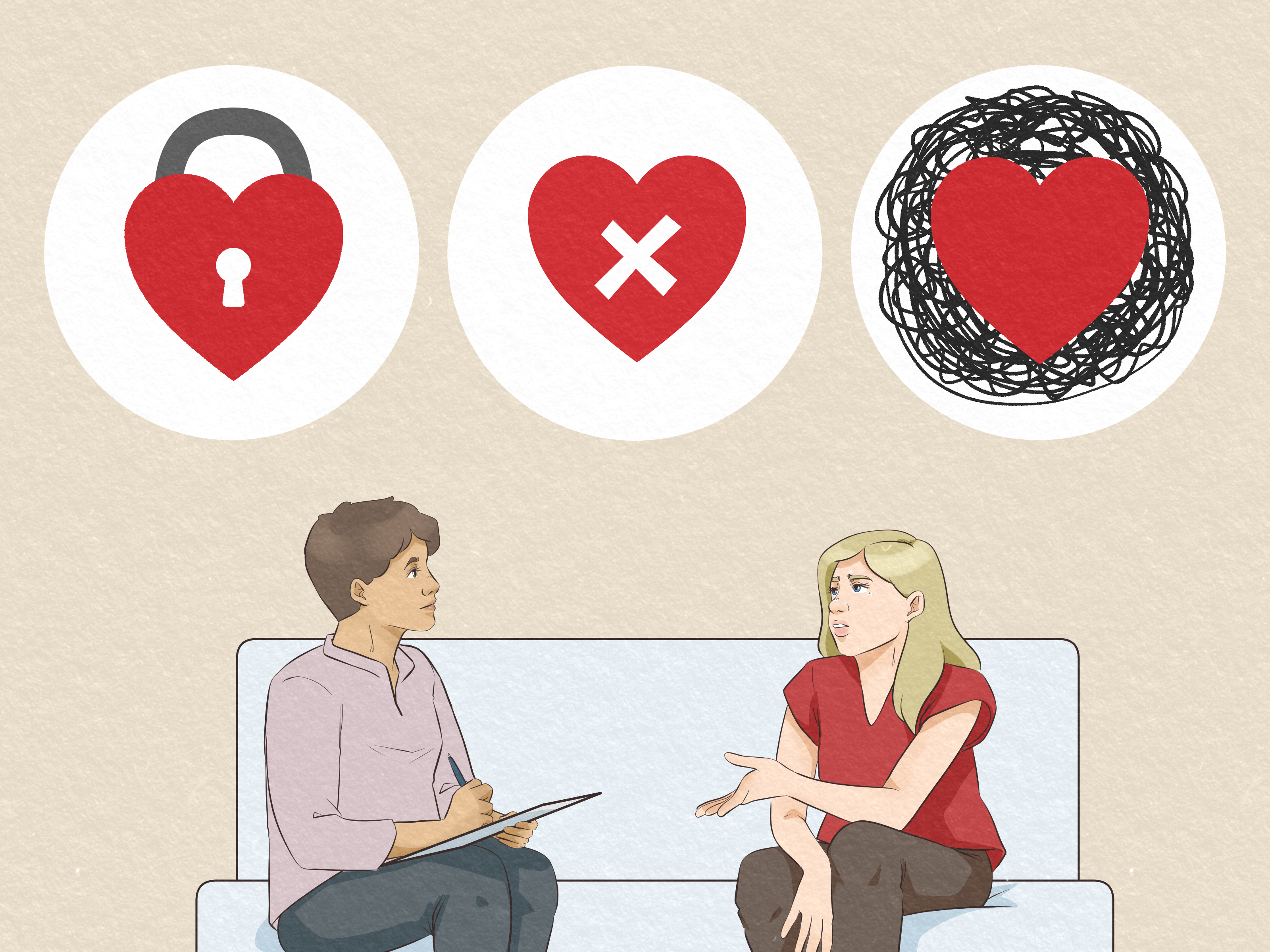
If relationships had user manuals, avoidant attachment style would be the chapter with coffee stains, three missing pages, and a sticky note that says, “I’m fine, please do not perceive me.” In real life, avoidant attachment is far less funny when it starts disrupting closeness, trust, communication, and long-term connection. It can leave one partner feeling shut out and the other feeling cornered, even when both people genuinely care about each other.
This guide breaks down what avoidant attachment style in relationships actually looks like, where it often comes from, how it affects dating and long-term partnerships, and what healing can look like in practical, non-cheesy terms. The goal is not to slap a trendy label on every emotionally awkward moment. It is to understand a real relationship pattern through a grounded psychological lens.
What Is Avoidant Attachment Style?
Avoidant attachment style is generally understood as an insecure attachment pattern marked by discomfort with emotional closeness, a strong emphasis on self-reliance, and difficulty depending on or fully trusting other people. In adult relationships, it often shows up as emotional distance, conflict avoidance, mixed signals, or a tendency to pull back when intimacy deepens.
In plain English, someone with avoidant attachment may want love, companionship, and loyalty, but also feel stressed when a relationship starts to require vulnerability, emotional openness, or consistent mutual dependence. That inner conflict can create a confusing pattern: “Come here, but not too close.”
It is also important to separate avoidant attachment from avoidant personality disorder. They are not the same thing. Attachment style is a relationship pattern, not a formal adult attachment diagnosis. So before anyone starts diagnosing their ex because he took six hours to reply to “How was your day?”, take a breath. Some people are avoidant. Some people are overwhelmed. Some people are just bad texters with a tragic relationship to notifications.
Where Avoidant Attachment Comes From
Early relationships matter
Attachment theory suggests that our earliest caregiving experiences help shape how we expect relationships to work. When caregivers are emotionally responsive, children tend to learn that closeness is safe and support is available. When caregiving is emotionally distant, rejecting, dismissive, or inconsistent, a child may learn a different lesson: needing people is risky, emotions are not welcome, and vulnerability is best kept under lock and key.
Over time, that protective strategy can become an attachment pattern. The child adapts by becoming highly self-sufficient, minimizing emotional needs, and avoiding dependence. As an adult, that same strategy may look polished on the outside, but underneath it often reflects a nervous system that associates intimacy with discomfort rather than safety.
It is not always about “bad parents”
This part deserves nuance. Avoidant attachment does not mean someone had terrible caregivers, and it does not reduce family history to a cartoon villain origin story. Temperament, stress, family dynamics, trauma, loss, and later relationship experiences can all shape attachment patterns. A person may also become more avoidant after betrayal, repeated rejection, or a painful breakup that taught them closeness comes with a side of emotional whiplash.
Signs of Avoidant Attachment in Relationships
Avoidant attachment does not look exactly the same in every person, but common signs include:
- Feeling uncomfortable with too much emotional closeness
- Strong preference for independence and “handling everything alone”
- Difficulty expressing needs, feelings, or vulnerability
- Withdrawing during conflict instead of engaging
- Downplaying the importance of the relationship when emotions run high
- Feeling “smothered” by normal intimacy, reassurance, or expectations
- Choosing emotionally unavailable partners or ambiguous relationships
- Shutting down after moments of closeness, commitment, or conflict
Here is what that can look like in daily life. A partner says, “I feel distant from you,” and the avoidant person suddenly becomes very interested in cleaning the garage, answering emails, or discussing mortgage rates. After an amazing weekend together, they go noticeably quiet. During an argument, they insist they “don’t want drama” but never actually resolve anything. It is not always coldness. Often, it is self-protection wearing a very convincing independence costume.
How Avoidant Attachment Affects Romantic Relationships
1. Intimacy can feel threatening
For someone with avoidant attachment, intimacy may not register as soothing. It may feel exposing, demanding, or unsafe. The closer the relationship gets, the more their internal alarm system may start whispering, “This is too much. Back away slowly and pretend you are just busy.”
That is why avoidant partners may look warm and engaged early in dating, then become distant once the relationship becomes more emotionally serious. The shift is often confusing to the other person, especially if the avoidant partner clearly likes them.
2. Conflict turns into distance
Research on adult attachment consistently links avoidance with deactivating strategies, meaning a tendency to reduce distress by suppressing emotion, minimizing needs, or pulling away. In relationships, that can create a classic demand-withdraw pattern: one partner wants to talk, repair, or connect, while the avoidant partner shuts down, retreats, or changes the subject.
This pattern is exhausting. The more one person pursues connection, the more the other may retreat. The more the avoidant partner withdraws, the more the other person protests. Before long, both people are stuck in a loop that feels personal, even though much of it is driven by attachment dynamics.
3. Relationship satisfaction can suffer
Higher attachment avoidance is often associated with lower relationship satisfaction, less responsiveness, and more difficulty giving or receiving support. That does not mean avoidant people cannot have happy relationships. They absolutely can. It means the relationship usually works better when the avoidant partner becomes aware of the pattern instead of defending it as “just how I am.”
Avoidant Attachment vs. Healthy Independence
This distinction matters. Healthy independence means you can function as an individual and stay emotionally connected. Avoidant attachment looks more like emotional self-containment at all costs.
A securely independent person can say, “I need some space tonight, but I love you and I want to talk tomorrow.” An avoidantly attached person may say nothing, disappear emotionally, and assume their partner should just know not to ask for too much. One is a boundary. The other is often a defensive maneuver.
What Dating Someone With Avoidant Attachment Can Feel Like
Partners often describe the experience in similar ways: confusing, lonely, inconsistent, and oddly addictive. There may be genuine affection, chemistry, and thoughtful gestures, but emotional availability comes in bursts. One week feels intimate and connected. The next feels like you are texting a charming Wi-Fi outage.
People with anxious attachment are especially vulnerable to getting caught in this cycle. Their increased bids for reassurance can intensify the avoidant partner’s need for distance. Then both people end up confirming each other’s fears. One fears abandonment. The other fears engulfment. No one wins that round.
Can Avoidant Attachment Change?
Yes. Attachment patterns are influential, but they are not destiny. Adults can become more secure through self-awareness, corrective relationship experiences, therapy, and consistent practice. This is one of the most hopeful parts of attachment science: people are not frozen in the emotional style they learned early in life.
Change usually does not happen because someone reads three memes, takes a quiz, and announces they are now healed. It happens through repetition. New emotional experiences gradually teach the brain and body that closeness can be safe, needs can be voiced, and conflict does not automatically equal catastrophe.
How to Heal Avoidant Attachment Style
Build awareness before building closeness
The first step is recognizing your pattern in real time. Notice what triggers withdrawal. Is it conflict? Commitment? Feeling needed? Being asked direct emotional questions? When you can name the moment your nervous system starts yelling, “Abort mission,” you have more choice in what happens next.
Practice tolerating vulnerability in small doses
Healing avoidant attachment does not require emotional oversharing on day one. It often works better to start small. Try saying, “I’m overwhelmed and I need an hour, but I don’t want to avoid this conversation.” Or, “I care about you, and closeness is hard for me when I feel pressured.” Small truthful statements can do more for intimacy than big dramatic speeches followed by three days of silence.
Learn to ask for space without disappearing
Space is not the enemy. Silent shutdown is. Healthy repair means telling your partner what is happening rather than simply withdrawing. A sentence like “I need to regulate and then come back” is much kinder than emotional vanishing.
Challenge the myth of total self-sufficiency
Many avoidant individuals take pride in being the one who needs nothing. The problem is that intimacy requires mutual dependence. Not helplessness. Not losing yourself. Just the ability to lean and be leaned on. Real closeness is not a hostage situation. It is interdependence.
Consider therapy
Therapy can be especially helpful when avoidant patterns are tied to childhood emotional neglect, trauma, chronic conflict, or repeated relationship breakdowns. Approaches that focus on attachment, emotional awareness, and relationship patterns can help people identify their defenses and build safer ways of connecting. Couples therapy can also help partners interrupt the anxious-avoidant dance and create a more secure bond.
How to Support a Partner With Avoidant Attachment
If your partner leans avoidant, compassion helps, but over-functioning does not. You do not need to become a part-time detective, mind reader, and emotional emergency dispatcher. What usually works better is a mix of clarity, steadiness, and boundaries.
- Be direct instead of hinting
- Ask for connection without chasing
- Respect reasonable requests for space
- Do not normalize chronic emotional unavailability
- Pay attention to patterns, not promises alone
- Encourage repair, not perfection
The goal is not to “fix” your partner. It is to create enough safety and honesty for both people to show up. If the relationship repeatedly leaves you starving for basic emotional consistency, that matters too.
When Avoidant Attachment Becomes a Bigger Problem
Avoidant attachment becomes more concerning when it turns into chronic emotional shutdown, repeated stonewalling, fear of commitment that sabotages every close relationship, or a rigid refusal to reflect, repair, or seek help. If someone uses the language of attachment as a stylish excuse for hurting people, that is not healing. That is branding.
A relationship can survive imperfection. It struggles to survive permanent emotional exile.
Real-World Experiences: What Avoidant Attachment Can Feel Like
For many people, avoidant attachment does not feel like “I do not care.” It feels more like “I care, and that is exactly why I want to run.” One person might notice that whenever a relationship starts becoming serious, they become strangely irritated by harmless things. Their partner chews too loudly. Their texts are “too much.” Suddenly every romantic flaw looks like a reason to create distance. Underneath that irritation is often anxiety. Distance feels safer than dependence.
Another person may describe themselves as calm and low-maintenance, yet secretly feel uneasy whenever a partner wants emotional closeness. They may freeze during heartfelt conversations, not because they are cruel, but because they were never taught how to stay present with feelings. Their body interprets intimacy as pressure. So they go quiet, become logical, or insist there is “nothing to talk about” when clearly there is an emotional elephant tap-dancing in the room.
Some avoidantly attached people are generous, loyal, and dependable in practical ways. They may help you move apartments, pick you up from the airport, and remember exactly how you take your coffee. But when the relationship calls for emotional availability, they struggle. Their love may come out through action more easily than through softness. Partners can feel confused because the care is real, yet the closeness still feels rationed.
There is also the experience of regret. Many people with avoidant patterns do not process emotions in the moment. They pull away first and understand the impact later. After a breakup, they may finally feel the grief they shut down during the relationship. By then, the other person has often spent months begging for connection and has nothing left to give. That delayed emotional recognition can be deeply painful.
On the healing side, people often describe progress in surprisingly ordinary moments. A man notices he wants to shut down during a difficult conversation, but instead says, “I need a few minutes, and then I’ll come back.” A woman who usually keeps her fears private tells her partner, “I’m not angry, I’m scared of needing too much.” Someone who once disappeared after intimacy stays present after a vulnerable weekend instead of creating distance on Monday morning. These are not flashy movie scenes. They are the small, repetitive experiences that build secure attachment over time.
Many also report that healing does not make them less independent. It makes them less defended. They still value space, autonomy, and calm. They simply no longer treat closeness like a threat to survival. That shift can transform a relationship. The partner stops feeling shut out. The avoidant person stops feeling chased. And for the first time, intimacy starts to feel less like a trap and more like a place to rest.
Final Thoughts
Avoidant attachment style in relationships is not a character flaw, and it is not a life sentence. It is a protective pattern that once made sense and may now be costing too much. The good news is that what was learned in relationships can often be reshaped in relationships, especially with awareness, honesty, and support.
If you recognize yourself in this pattern, do not panic and do not romanticize it. Get curious. Notice what closeness stirs up in you. Practice staying present a little longer than usual. Learn how to ask for space without disappearing. And remember: being independent is a strength. Being unreachable is a prison dressed like one.











