
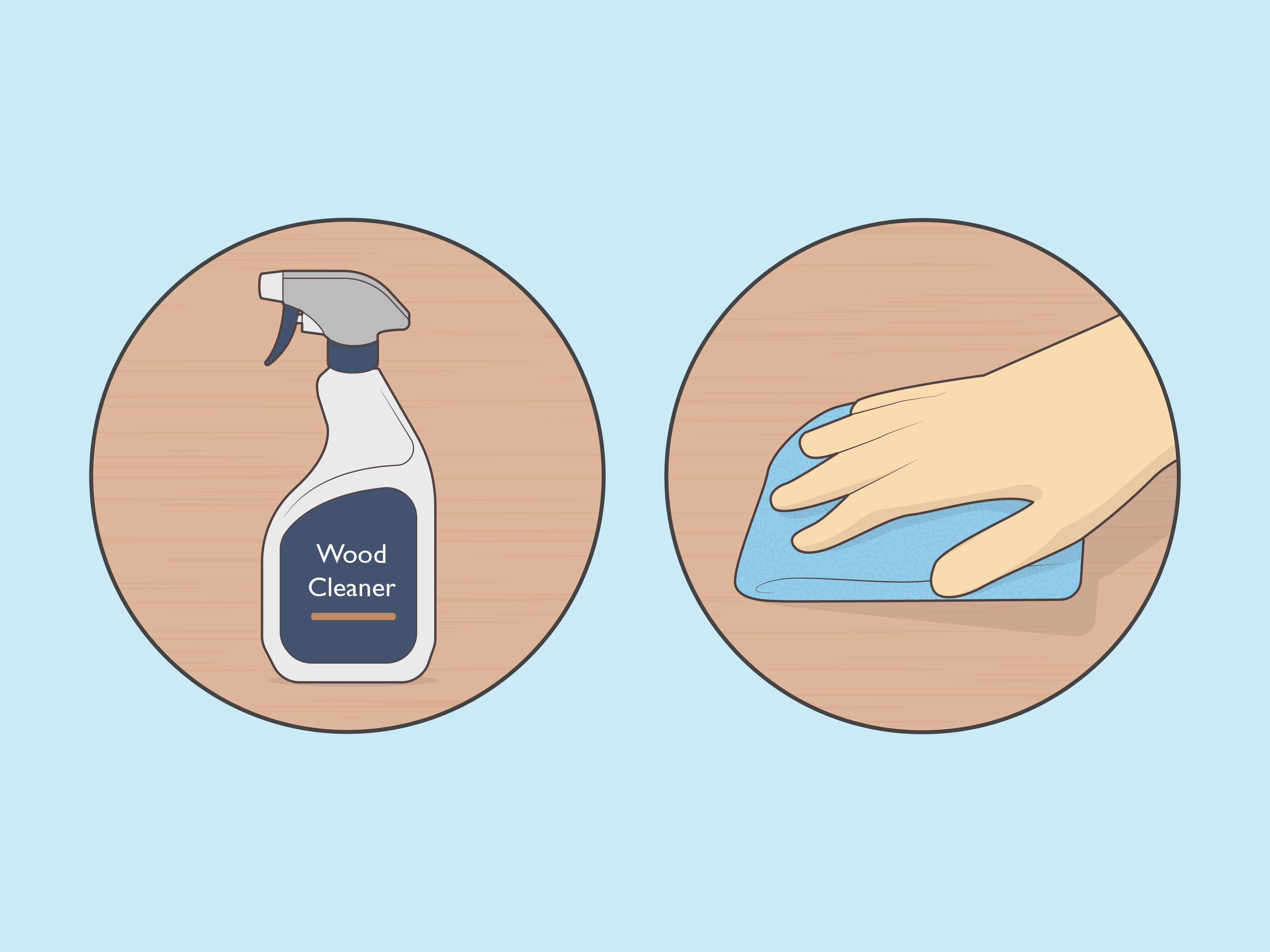
Milk looks innocent enough. It sits politely in a glass, behaves itself in cereal, and only turns into a tiny domestic villain when it lands on your wood table, cabinet, floor, or favorite nightstand. Then suddenly you have a cloudy mark, a sticky film, or that unmistakable “something in this room has gone spiritually sour” smell.
The good news is that removing milk stains from wood is usually very doable. The trick is to act quickly, use less moisture than your instincts suggest, and match your cleaning method to the kind of mark you’re dealing with. A fresh splash of milk is one thing. A dried white haze, greasy residue, or dark stain that has settled into the wood is a different beast entirely.
This guide walks you through exactly how to clean milk off wood safely, how to handle older stains, what to avoid, and when it is time to stop scrubbing and let refinishing do the heavy lifting. No drama, no mystery, and no need to treat your dining table like a crime scene.
Why Milk Stains Wood in the First Place
Milk is not just “white water.” It contains water, fats, proteins, and sugars, which means it can leave behind more than one kind of mess. The water can cloud a finish or seep into the surface. The proteins and sugars can dry into a sticky residue. The fats can leave a dull, slightly greasy film. And if milk seeps into joints, seams, or unfinished spots and is not fully removed, it can create lingering odor that announces itself every time the room warms up.
That is why two milk stains on wood can look completely different. One may leave a pale, chalky mark. Another may feel tacky. Another may darken over time. And another may appear clean but still smell like a cereal bowl that gave up on life three days ago.
Before You Start: Know What Kind of Wood Surface You Have
Before you grab a cleaner, figure out whether the wood is finished or unfinished. Most dining tables, dressers, cabinets, and hardwood floors are finished, meaning they have a protective layer such as polyurethane, lacquer, shellac, wax, or oil. Unfinished wood is more porous and absorbs spills faster, which means you need to be even more careful with liquid.
If you are not sure, assume it is a delicate finished surface and start with the mildest method possible. That usually means a soft cloth, a tiny amount of dish soap in water, and absolutely no soaking. Wood and puddles are not best friends.
How to Remove Fresh Milk Stains from Wood
Step 1: Blot Immediately
Use paper towels or a clean, absorbent microfiber cloth to blot up as much milk as possible. Do not rub hard, because rubbing spreads the spill and can push it into the grain, seams, and edges. Press, lift, move to a clean part of the cloth, and repeat.
Step 2: Wipe with a Slightly Damp Cloth
Once the liquid is mostly gone, dampen a soft cloth with cool or lukewarm water. Wring it out well so it is only slightly damp, not dripping. Wipe the area gently to pick up the remaining milk residue.
Step 3: Use a Mild Soap Solution for Residue
If the surface still feels sticky or filmy, mix a few drops of mild dish soap into a bowl of water. Dip a clean cloth into the solution, wring it out thoroughly, and wipe with the grain of the wood. You are cleaning the surface, not bathing it.
Step 4: Dry Right Away
This step matters more than people think. Use a dry microfiber cloth to buff the area immediately. Do not let moisture sit and “air dry eventually.” On wood, “eventually” is often when the next problem begins.
How to Remove Dried Milk Residue from Wood
If the milk dried before you noticed it, you may be dealing with a crusty patch, dull film, or slightly yellowed area. Start with the same gentle method: a soft cloth, a little water, and a tiny bit of dish soap. Let the damp cloth rest on the residue for a few seconds to soften it, then wipe gently.
If a thin film remains, repeat with a fresh cloth rather than scrubbing aggressively. It is better to make three gentle passes than one heroic, finish-destroying pass that leaves your wood looking like it lost a bar fight.
For narrow grooves, corners, or wood grain texture, wrap the damp cloth around a fingertip and work carefully. Avoid stiff brushes, abrasive pads, or anything that sounds “industrial.” If it can sand a pan, it can definitely annoy your table.
How to Remove White Milk Stains or Cloudy Marks from Finished Wood
Sometimes the milk is cleaned up, but a cloudy white mark remains. In many cases, that mark is not dried milk anymore. It is moisture trapped in the finish. This is common on finished tables and wood furniture, especially if the spill sat for a while.
Method 1: Low Heat with a Cloth Barrier
Place a clean cotton cloth or T-shirt over the white mark. Use a hair dryer on a low setting, moving it back and forth a few inches above the cloth for short bursts. The goal is gentle warmth, not “let’s recreate the surface of the sun.” Check the stain every 20 to 30 seconds.
You can also use an iron on its lowest heat setting with the steam function turned off, but only if you are comfortable being careful. Always keep a cloth barrier between the iron and the wood, and never leave the iron sitting in one place. Heat can help release trapped moisture, but too much heat can create a whole new stain and a new chapter in your personal growth journey.
Method 2: Petroleum Jelly, Mineral Oil, or Mayonnaise
For light white rings or hazy spots, apply a small amount of petroleum jelly, mineral oil, or mayonnaise to the mark with a soft cloth. Let it sit for a few hours or overnight, then wipe clean and buff. These oily products can sometimes displace trapped moisture and make the mark less visible.
This method works best on newer, lighter marks. It is not magic, and it is not a free pass to marinate your furniture in condiments. Use a thin layer, not a sandwich spread.
Method 3: Non-Gel White Toothpaste
If the stain is still visible, try a small amount of plain white non-gel toothpaste on a soft cloth. Rub very gently with the grain, then wipe the area with a barely damp cloth and dry it immediately. Some people mix toothpaste with a small amount of baking soda, but that should be approached with caution because abrasive ingredients can dull the finish if you overdo it.
How to Remove Darker Milk Stains from Wood
A dark mark is more serious. It often means moisture has moved past the finish and into the wood itself. At this point, the issue is no longer just surface cleanup. It is stain removal from the wood fibers or a partially damaged finish.
Try Hydrogen Peroxide Carefully
For some darker stains, a diluted hydrogen peroxide treatment may help. Lightly dampen a soft cloth with a mix of equal parts water and hydrogen peroxide, lay it over the stain for about 10 to 15 minutes, then remove it and let the area dry completely. Repeat only if needed.
Always spot test first in an inconspicuous area. Hydrogen peroxide can lighten wood or affect some finishes, which is wonderful if your goal is “remove stain” and less wonderful if your goal is “keep the table the same color it was yesterday.”
When Sanding Makes Sense
If the stain is on unfinished wood or in a finish that is already damaged, very light sanding may be the next step. Use fine-grit sandpaper and work with the grain, only on the stained area at first. Wipe away dust, evaluate, and stop as soon as the stain lifts. Afterward, the wood may need a matching finish, oil, or topcoat to blend in.
On valuable furniture, antiques, or wide visible surfaces like a tabletop, sanding without a plan can leave a pale patch that is more obvious than the stain. In those cases, professional refinishing is often the smarter move.
How to Get Rid of Sour Milk Smell on Wood
If the visible stain is gone but the smell remains, leftover milk may have seeped into joints, trim edges, cracks, or unfinished areas under the finish. First, clean the surface again with the mild soap method and dry it thoroughly. Then inspect nearby seams and undersides, because milk likes to travel in sneaky little paths.
If odor still lingers, use a cleaner labeled safe for finished wood and suitable for organic residue. In some cases, a wood-safe enzyme cleaner can help with milk-based odor, but only use one that specifically says it is appropriate for your wood surface, and always test a hidden area first. Do not saturate the wood. A product can be “good at removing odor” and still be terrible for your finish if used carelessly.
Persistent odor after repeated gentle cleaning may mean the milk soaked below the finish or into construction gaps. At that point, professional cleaning or refinishing may be the best way to solve the problem for good.
What Not to Use on Milk Stains on Wood
When people panic-clean, they tend to reach for whatever is closest. Unfortunately, “closest” is often a terrible wood-care strategy.
Avoid soaking the area with water. Too much moisture can dull the finish, swell the wood, or deepen the stain. Be cautious with vinegar, especially on waxed, delicate, or older finishes. Some guides recommend diluted vinegar for certain marks, but it can also strip shine or dull the finish on some wood surfaces. Patch testing is essential.
Skip abrasive scrubbers, steel wool on finished surfaces, and gritty baking soda pastes unless you are following a very specific repair method and know the finish can handle it. Also avoid bleach, ammonia-heavy cleaners, and random all-purpose sprays that do not clearly state they are safe for wood. The milk stain is annoying, but accidentally removing your finish will make it look like the stain won the election by a landslide.
How to Clean Milk Stains from Unfinished Wood
Unfinished wood is trickier because it absorbs liquid quickly. Start by blotting the spill thoroughly. Then wipe with a barely damp cloth and a tiny amount of mild dish soap if needed. Dry immediately with a clean cloth. If a stain remains after the area is fully dry, you may need very light sanding with fine-grit paper to remove the discolored surface fibers.
After sanding, remove the dust and consider applying a finish or sealant to reduce future staining. Unfinished wood and dairy are a risky combination. One is porous, the other is dramatic.
When to Call a Professional
Some situations deserve backup. Call a pro if the milk stain is black or very dark, if the finish has turned rough or blistered, if odor remains after careful cleaning, if the piece is antique or expensive, or if the stain covers a large visible section of wood flooring or furniture.
Professional wood repair specialists can match finishes, treat stains below the surface, and refinish a section without turning a small cleanup into a full-room identity crisis.
How to Prevent Milk Stains on Wood in the Future
Prevention is not exciting, but it is wildly effective. Use coasters, placemats, and trays under drinks, cereal bowls, baby bottles, or anything one elbow away from disaster. Wipe spills as soon as they happen. Dust and clean wood regularly so sticky residue does not build up. Keep protective finishes in good condition. And if you have kids, pets, or a habit of balancing breakfast over a wood desk while answering emails, consider that your furniture has been very brave for a long time.
A maintained finish gives you more time to react and makes spills easier to remove. That means fewer stains, fewer repairs, and fewer moments where you lean down, sniff suspiciously, and whisper, “Why does this side table smell like old latte?”
Common Real-Life Experiences With Milk Stains on Wood
In real homes, milk stains on wood rarely happen in some dramatic, slow-motion spill worthy of a movie soundtrack. They usually happen during regular life. A child leaves a glass on the coffee table without a coaster. Someone sets down a cereal bowl on a wood desk “just for a minute.” A bottle leaks in the diaper bag and leaves a surprise on the nursery dresser. A splash from morning coffee with milk lands on a hardwood floor, gets ignored during the rush out the door, and turns into a dull mark by evening. The mess is small, but the result can be weirdly stubborn.
One of the most common experiences is thinking the problem is gone because the surface looks clean, only to notice later that the area feels tacky or looks hazy in daylight. That happens because milk leaves more than visible liquid behind. A quick wipe may remove the obvious spill, but if the residue is not fully cleaned and dried, the finish can look cloudy or attract dust. People often describe this stage as the table looking “clean but somehow not right,” which is honestly one of the most accurate cleaning terms ever invented.
Another common experience is the mysterious smell. The top of the table looks fine, but a warm room suddenly brings out a sour odor. Usually that means the milk traveled into a seam, under an edge, or along a joint where a cloth did not reach. This is especially common with wood furniture that has decorative trim, paneling, or small cracks in the finish. People clean the top surface three times, then realize the real culprit is tucked into a groove like it signed a long-term lease.
Older stains can also fool people. A mark that looks like a milk stain may actually be moisture trapped in the finish after the spill was cleaned. That is why one person has success with a mild soap wipe, while another gets better results from a low-heat method or an overnight oil-based treatment. The difference is not luck. It is stain type. Surface residue, moisture haze, deeper discoloration, and finish damage all need slightly different fixes.
The biggest lesson most homeowners learn is simple: speed matters, gentleness matters, and over-cleaning can backfire. People often do more damage with aggressive scrubbing, too much water, or strong cleaners than the milk did by itself. The most successful approach is usually the least dramatic one: blot fast, clean lightly, dry thoroughly, and escalate only when the stain actually calls for it. Wood responds best to patience, not panic.
Conclusion
If you want to remove milk stains from wood successfully, the winning formula is simple: blot first, use minimal moisture, clean with a mild soap solution, dry immediately, and choose a stain-removal method based on whether the mark is sticky, white, or dark. Most fresh spills come off without much trouble. White cloudy marks often respond to gentle heat or an oil-based treatment. Dark stains may need peroxide, light sanding, or refinishing.
The main thing is not to overreact with harsh chemicals or soaking wet cloths. Wood rewards a calm, controlled approach. So yes, the milk may have made a mess. But with the right method, your wood furniture, table, or floor can absolutely make a full comeback.











