
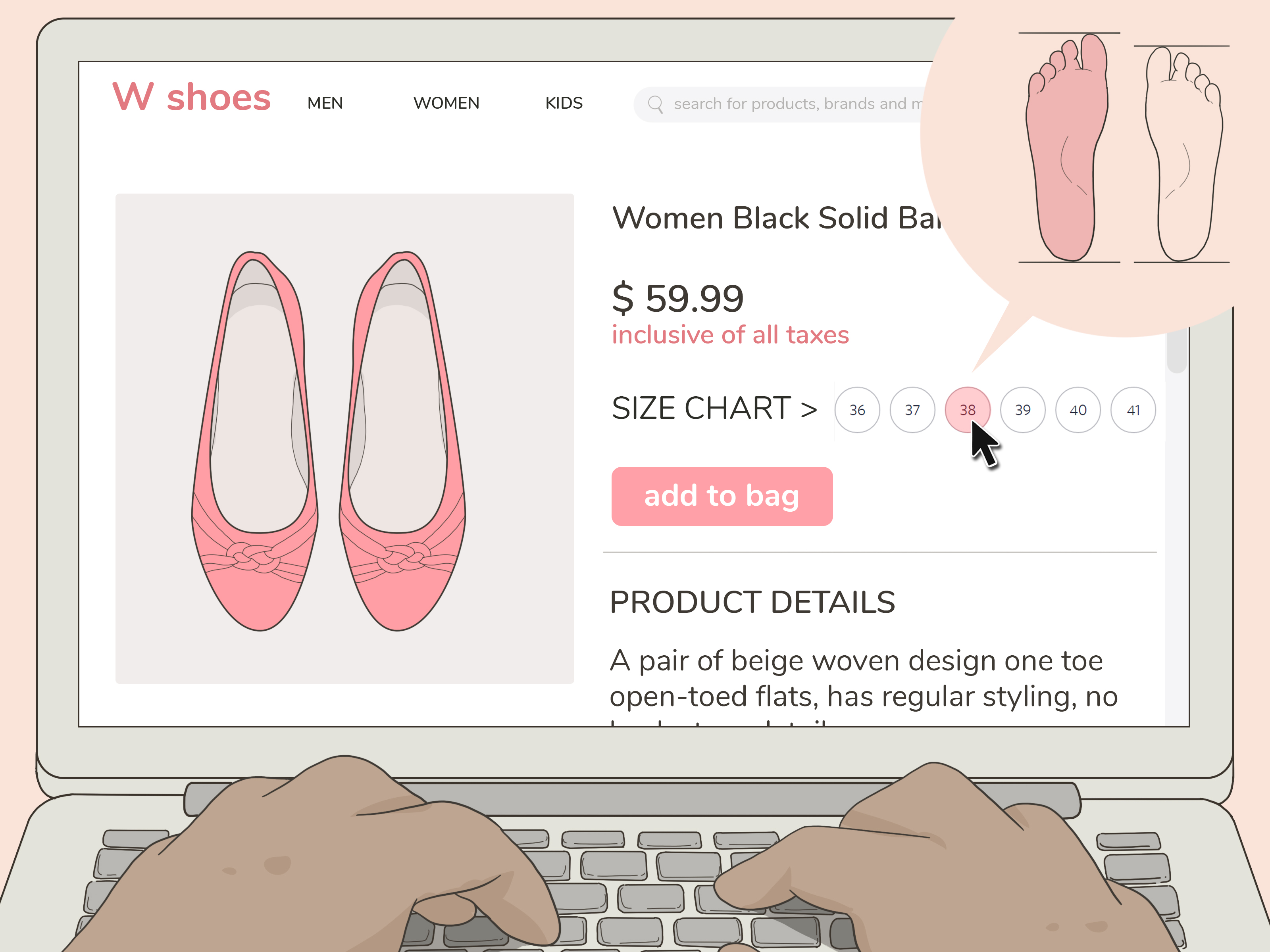
Buying shoes online is one of modern life’s great little luxuries. No fluorescent mall lighting, no awkward sock-hop across a showroom, no salesperson hovering like you are about to adopt a rare bird. But there is one tiny villain hiding in the checkout cart: shoe size. Choose wrong, and your “perfect pair” arrives feeling like a medieval toe trap or a canoe with laces.
The good news is that choosing the right shoe size online is not a guessing game. With a sheet of paper, a ruler, a few fit clues, and a healthy suspicion of “I always wear an 8,” you can dramatically improve your chances of ordering shoes that actually fit. This guide breaks the process into 15 simple steps, using practical shoe-fitting wisdom from footwear brands, podiatry guidance, and real-world online shopping experience.
Why Shoe Size Matters More Online
In a store, your feet can vote immediately. Too tight? Back on the shelf. Heel slipping? Next pair. Online, however, you are judging fit through photos, size charts, reviews, and your own memory. That is why measuring your feet and reading product details carefully are essential.
Shoe size is not perfectly standardized across brands. A size 9 in one running shoe may feel different from a size 9 in a dress shoe, boot, sandal, or sneaker. Materials, toe-box shape, arch support, width options, and even the purpose of the shoe can affect fit. In other words, shoe size is the opening act; shoe fit is the whole concert.
15 Simple Steps to Choose Shoe Size When Shopping Online
1. Measure Your Feet at Home Before You Shop
Start with the basics: measure your feet. Place a sheet of paper on a hard floor, stand on it with your full weight, and trace around your foot. Then measure from the back of your heel to the tip of your longest toe. Do not measure while sitting unless you enjoy surprise returns; feet spread slightly when you stand.
For best results, measure in inches or centimeters and keep the number handy. Online shoe size charts are usually based on foot length, so an actual measurement is more reliable than memory. Your foot does not care what size you wore in college.
2. Measure Both Feet
Many people have one foot that is slightly longer or wider than the other. This is completely normal and not a sign that your feet are plotting against you. Measure both feet and use the larger measurement when choosing shoe size online.
If the difference is small, choosing the size for the larger foot usually works. If the difference is major, look for retailers that offer wide sizes, half sizes, generous return policies, or even single-shoe and split-size options.
3. Measure at the End of the Day
Feet often swell a bit after walking, standing, working, exercising, or simply existing as a human with gravity. Measuring in the evening gives you a more realistic fit, especially for everyday shoes, walking shoes, work shoes, and athletic sneakers.
If you measure first thing in the morning, you may choose shoes that feel fine at breakfast but become toe prisons by dinner. Evening measurements help prevent that “why are my shoes suddenly angry?” feeling.
4. Wear the Socks You Plan to Use
Socks change fit more than people think. Thin dress socks, thick athletic socks, wool hiking socks, compression socks, and no-show socks all take up different amounts of space. When measuring or trying shoes at home, wear the socks you expect to wear with that style.
For winter boots, hiking shoes, and running shoes, this matters a lot. A shoe that fits with thin socks may feel tight with cushioned socks. A boot that fits barefoot may become a drama series once wool enters the chat.
5. Use the Brand’s Size Chart, Not a Generic Chart
Generic shoe size conversion charts are helpful, but brand-specific size charts are better. Many brands provide their own foot-length measurements for U.S., U.K., EU, and centimeter sizing. Always compare your measured foot length with the exact brand chart on the product page.
This is especially important when switching between athletic brands, European labels, designer shoes, children’s shoes, or international sizing systems. A U.S. women’s 8 is not always the same experience everywhere. Shoe sizing has range, personality, and occasionally, chaos.
6. Read the Fit Notes on the Product Page
Online shoe pages often include helpful fit notes such as “runs small,” “true to size,” “narrow fit,” “wide toe box,” “size up half a size,” or “best for low-volume feet.” Do not skip these details. They are the little breadcrumbs that lead you away from a return label.
Pay special attention to notes about width, toe shape, and arch support. A shoe can be technically the right length but still feel wrong if the toe box is too narrow or the heel is too loose.
7. Check Customer Reviews for Size Clues
Customer reviews are not perfect, but they are extremely useful when many people say the same thing. Look for repeated comments like “runs small,” “order half size up,” “great for wide feet,” “heel slips,” or “tight across the toes.”
The best reviews come from shoppers who mention their usual size, foot width, arch type, or how they use the shoes. A review that says “cute!” is nice. A review that says “I’m usually a 7.5 wide and the 8 wide fit perfectly with thick socks” is online-shopping gold.
8. Understand Shoe Width
Length gets most of the attention, but width can make or break comfort. In U.S. sizing, common width labels include narrow, medium, wide, extra wide, and lettered widths such as B, D, E, EE, or 4E depending on the brand and gender category.
If your toes feel squeezed, your foot spills over the side, or you regularly size up just to get more room, you may need a wider shoe rather than a longer one. Sizing up for width can create a new problem: too much length and heel slipping. Width options exist for a reason. Use them proudly.
9. Consider Toe Box Shape
The toe box is the front part of the shoe where your toes live, dream, and occasionally protest. A round or anatomical toe box usually provides more space. A pointed or tapered toe box may look sleek but can feel tight if your forefoot is broad.
When shopping online, zoom in on product photos from above. Compare the shoe’s shape with your foot shape. If your toes naturally spread wide, a narrow pointed shoe may not be your happily-ever-after, no matter how charming it looks on the model.
10. Match the Shoe to Its Purpose
A running shoe, hiking boot, dress loafer, ballet flat, work boot, and sandal do not need to fit exactly the same way. Athletic shoes usually need room for toe movement and swelling. Hiking boots may need space for thicker socks and downhill movement. Dress shoes may have a closer fit but should never pinch.
Think about what you will actually do in the shoes. Walking all day? Choose comfort and support. Running? Check performance fit guidance. Wearing them to dinner? You still need comfort, unless your dinner plans include quietly suffering under the table.
11. Leave Room at the Front
For many closed-toe shoes, a little space in front of the longest toe is important. A common guideline is roughly a thumb’s width or about half an inch, depending on the shoe type and foot shape. This allows your toes to move and helps prevent rubbing, bruised toenails, and that cramped “my toes are in economy class” feeling.
Do not confuse toe room with oversized shoes. The shoe should still hold your heel and midfoot securely. You want space in the right places, not a foot-shaped rental property.
12. Pay Attention to Arch Support and Heel Fit
Length and width are only part of the story. A shoe should match your arch and hold your heel comfortably. If the heel counter is too loose, your heel may slip. If the arch hits in the wrong place, the shoe can feel awkward even when the size is correct.
People with flat feet, high arches, bunions, plantar fasciitis, or other foot concerns should be especially careful. Look for support features, removable insoles, adjustable closures, and customer reviews from people with similar needs.
13. Use Printable Size Tools Carefully
Some brands offer printable shoe size guides. These can be helpful, but only if printed at 100% scale. Always check the test marker on the page, such as a credit-card outline or measurement ruler, before trusting the result.
If the printer shrinks or enlarges the page, your shoe size result may be hilariously wrong. And by hilariously, we mean “now you own clown shoes.” When in doubt, use a ruler or measuring tape as a backup.
14. Check the Return and Exchange Policy Before Buying
Even careful shoppers sometimes get fit wrong. That is why return policies matter. Before ordering, check whether returns are free, whether exchanges are allowed, how long the return window lasts, and whether shoes must be unworn.
Try shoes indoors on a clean surface first. Walk around on carpet or a rug. Do not take them outside until you are sure. Retailers are generally much happier accepting shoes that do not look like they toured a gravel driveway.
15. Keep a Personal Shoe Fit Log
Once you find a brand, model, and size that fits well, write it down. Keep notes such as “Nike running shoes: size 9.5,” “New Balance wide: size 9,” or “leather loafers: size up half.” Include details about socks, width, and whether the shoe stretched over time.
This personal shoe fit log can save you from repeating mistakes. Future you will be grateful. Future you may even stop ordering three sizes and calling it “research.”
Common Online Shoe Sizing Mistakes to Avoid
Assuming Every Brand Fits the Same
This is the most common mistake. Shoe sizes vary by brand, style, and country. Always check the size chart for the specific pair you are buying.
Ignoring Width
If shoes often feel tight across the ball of your foot, width may be the issue. Choosing a larger size may not fix the problem and can create heel slippage.
Buying Shoes That “Will Break In”
Some materials soften slightly, especially leather, but shoes should feel reasonably comfortable from the start. If they pinch, crush, or make you walk like a penguin in distress, they are probably not the one.
Forgetting About Foot Changes
Feet can change over time due to age, weight changes, pregnancy, injury, activity level, or health conditions. Re-measure at least once a year, or whenever your shoes start feeling suspiciously unfriendly.
How to Choose Shoe Size for Different Shoe Types
Running Shoes
Running shoes often need a little extra toe space because feet can swell during exercise. Check whether the brand recommends sizing up. Look for reviews from runners with similar mileage, foot width, and arch needs.
Hiking Boots
For hiking boots, consider thick socks and downhill movement. Your toes should not slam into the front of the boot. A secure heel and stable midfoot are just as important as length.
Dress Shoes
Dress shoes can have narrower shapes and less forgiving materials. Leather may soften, but it should not hurt out of the box. If you are between sizes, pay close attention to width and toe shape.
Sandals
With sandals, your heel and toes should sit comfortably on the footbed without hanging over the edge. Adjustable straps can help, especially if your feet swell during warm weather.
Kids’ Shoes
Children’s feet grow quickly, so measure often. Fit to the larger foot and leave reasonable growing room, but avoid shoes so large that the child trips or grips with their toes to keep them on.
Extra Experience-Based Tips for Buying Shoes Online
After many online shoe-shopping adventures, one lesson becomes very clear: the size number is only the beginning. The real magic happens when you combine measurement, brand knowledge, reviews, and common sense. The most successful online shoe shoppers behave less like gamblers and more like detectives with a ruler.
One practical habit is to compare new shoes with a pair you already love. Take your best-fitting shoe, remove the insole if possible, and measure it from heel to toe. Then compare that internal length with the online size chart. This is especially useful for sneakers, hiking shoes, and boots. If your favorite shoe’s insole is 10.5 inches long and the shoe you are considering has a similar internal measurement, you have a stronger clue than “I think I’m usually a 9.”
Another helpful experience is to read negative reviews first. Positive reviews tell you why people love the shoe, but negative reviews often reveal fit problems. If several shoppers say the shoe is narrow in the toe box, stiff at the heel, or short in length, believe the pattern. One unhappy review may be a personal preference. Twenty reviews saying “runs small” is a siren with a megaphone.
It also helps to know your “problem zone.” Some shoppers always get heel blisters. Some need extra toe room. Some have high arches, flat feet, bunions, narrow heels, wide forefeet, or one foot slightly larger than the other. When you understand your own fit challenge, product descriptions become much easier to decode. For example, “sleek profile” may sound stylish, but for wide feet it can mean “your toes will file a complaint.”
When shopping for leather shoes, remember that leather may soften but the structure will not magically become a different size. If a leather loafer is slightly snug but not painful, it may become more comfortable. If it crushes your toes or digs into the sides of your feet, do not rely on wishful thinking. Breaking in shoes should not feel like negotiating a peace treaty with your own feet.
For athletic shoes, pay attention to the exact model, not just the brand. A brand may offer neutral running shoes, stability shoes, trail shoes, racing shoes, walking shoes, and lifestyle sneakers, all with different fits. Even updates to the same model can feel different from year to year. If you loved version 12 of a shoe, read reviews before assuming version 13 fits exactly the same.
When buying boots, think beyond foot length. Boots interact with ankles, calves, socks, insoles, and pants. A winter boot may need extra space for thick socks, while a Chelsea boot needs enough ankle flexibility to slip on without wrestling. For tall boots, check calf circumference as carefully as shoe size. Nothing ruins the romance of new boots like discovering they stop halfway up your leg and refuse to negotiate.
For sandals and slides, look closely at the footbed shape. Some sandals have raised edges, molded arches, or narrow straps. If your foot is wider than the footbed, sizing up may help, but it can also put the arch support in the wrong place. Adjustable straps are your friend, especially for summer shoes when feet may swell in heat.
Finally, do not let a sale bully you. A beautiful shoe at 70% off is still a bad deal if it does not fit. The most expensive shoes in your closet are often the “almost right” ones you never wear. Choose shoes for your actual feet, not your fantasy feet, your old size, or the size you wish would work because the color is perfect.
Final Thoughts: Measure First, Click Later
Choosing shoe size when shopping online is much easier when you stop guessing and start measuring. Measure both feet, shop by the larger foot, use the brand’s size chart, read fit notes, study reviews, consider width, and check the return policy before you buy. These simple steps can help you avoid painful shoes, wasted money, and the emotional roller coaster of opening a box only to discover your toes have been betrayed.
The best online shoe size strategy is simple: know your measurements, understand your foot shape, and respect the fact that every brand fits a little differently. Your feet carry you everywhere. The least you can do is not trap them in shoes chosen by vibes alone.
Note: This article is original editorial content synthesized from current U.S.-oriented footwear sizing, retailer fit guidance, and foot-health recommendations. It is designed for web publication and does not include unnecessary citation placeholders or source-code artifacts.











