
Some health advice arrives like a gentle whisper. This one shows up with a clipboard, a grocery list, and a walking shoe. The message is simple but powerful: the Mediterranean diet is excellent on its own, but when you combine it with other smart habits, it becomes far more impressive at protecting against type 2 diabetes.
That idea got a fresh boost from a Harvard Health report on a 2025 study that followed adults for six years. People who paired an energy-reduced Mediterranean-style eating pattern with physical activity and weight-loss support had a significantly lower risk of developing diabetes than those who received standard care. Translation: olive oil alone is nice, but olive oil plus movement, better sleep, stress control, and steady weight management is where the magic really starts showing off.
And that matters because diabetes prevention is not about one perfect salad or one heroic trip to the gym. It is about building a lifestyle that makes healthy blood sugar feel less like a fight and more like your default setting.
Why the Mediterranean diet is such a strong starting point
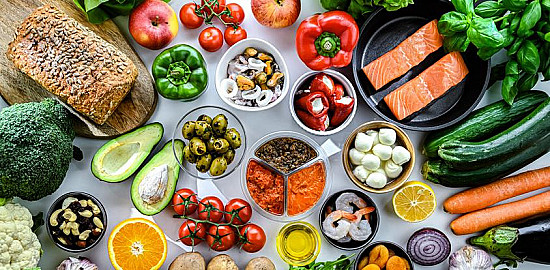
The Mediterranean diet has earned its reputation honestly. It emphasizes vegetables, fruits, beans, lentils, nuts, whole grains, seafood, olive oil, and modest amounts of dairy and poultry, while pushing red meat, refined carbs, sugary drinks, and heavily processed foods to the sidelines. In plain English, it trades a fast-food traffic jam for a steady, nutrient-dense flow of fiber, healthy fats, and slower-digesting carbohydrates.
That combination can help stabilize blood sugar, improve insulin sensitivity, lower triglycerides, and support a healthier weight. Fiber slows digestion. Healthy fats make meals more satisfying. Whole foods tend to crowd out the ultra-processed stuff that sends blood sugar on a roller coaster. Your pancreas, frankly, appreciates the break.
Another reason this pattern works is that it is flexible. It does not demand that you swear loyalty to a blender, memorize complicated rules, or pretend cauliflower tastes exactly like pizza crust. You can adapt it to family meals, busy workweeks, restaurant dinners, and real life. A prevention plan you can actually live with will always beat a “perfect” plan you abandon by Thursday.
What goes on a Mediterranean plate?
A Mediterranean-style meal usually looks colorful, practical, and surprisingly normal. Half the plate can be nonstarchy vegetables. A quarter can be a smart carbohydrate like beans, farro, quinoa, oats, or brown rice. The final quarter can be fish, chicken, tofu, or another lean protein. Olive oil steps in as the main fat, and fruit often handles dessert duty without needing a dramatic announcement.
This way of eating is also less about individual “superfoods” and more about a strong overall pattern. The boring truth is often the useful truth: no single ingredient prevents diabetes, but a consistently good pattern can move your risk in a much better direction.
What Harvard Health highlighted: diet works better with backup
The real headline is not just “Mediterranean diet helps.” We already knew it was a smart choice. The interesting part is that combining it with other lifestyle changes appears to create extra protection. The Harvard Health summary pointed to a six-year study in which people following the more intensive Mediterranean-style plan, along with physical activity and weight-loss support, were 31% less likely to develop diabetes than those receiving usual care.
That group also lost more weight and trimmed more inches from the waist. Those details matter because abdominal fat is not just decorative trouble; it is strongly linked to insulin resistance. When waist size comes down, metabolic health often improves along with it.
This fits neatly with years of diabetes prevention research. The lesson is consistent: healthy eating matters, but healthy eating plus activity, modest weight loss, and habit coaching matters even more. In other words, diabetes prevention behaves less like a solo act and more like a band. The drummer is diet, but the bass, guitar, and backup vocals are movement, sleep, stress management, and tobacco avoidance.
The lifestyle changes that make the Mediterranean diet more powerful
1. Regular physical activity
Exercise helps immediately and over time. In the short term, working muscles use more glucose. Physical activity also improves insulin sensitivity, which means your body uses insulin more efficiently after you move. Even brisk walking counts. No Olympic montage required.
A practical target is at least 150 minutes of moderate activity each week, such as brisk walking, cycling, dancing, or swimming. That can be broken into manageable pieces. Thirty minutes a day, five days a week, works beautifully. Shorter sessions after meals can also be useful, especially if long workouts sound about as appealing as filing taxes at a birthday party.
Strength training deserves a seat at the table too. Muscle tissue helps with glucose disposal, so building and maintaining muscle supports better blood sugar control. Two sessions a week of resistance exercise can be a very good investment.
2. Modest weight loss
People often assume they need a dramatic transformation for diabetes prevention to count. Not true. Research consistently shows that losing just 5% to 7% of body weight can reduce the risk of progressing to type 2 diabetes in people at high risk. That is not a tiny detail; it is a very encouraging one.
For someone who weighs 200 pounds, that means about 10 to 14 pounds. Still real work, yes, but much more achievable than the fantasy of becoming a completely different person by next Tuesday. When Mediterranean-style eating is paired with portion awareness, more movement, and ongoing support, that kind of change becomes far more realistic.
3. Better sleep
Sleep is one of the most underrated players in blood sugar control. Too little sleep can increase hunger, disrupt hormones involved in appetite, worsen insulin resistance, and make healthy decisions feel harder than they should. Suddenly the office donuts start looking like emotional support equipment.
Most adults should aim for about 7 to 9 hours of sleep per night. Good sleep does not just help you feel less cranky in the morning. It supports weight management, blood pressure, and overall metabolic health. If you snore heavily, wake unrefreshed, or suspect sleep apnea, addressing that issue can be a meaningful part of diabetes prevention too.
4. Stress management
Chronic stress can quietly sabotage even the best meal plan. It can affect appetite, sleep, movement, and blood sugar regulation. It also tends to inspire the deeply scientific coping strategy known as “eating whatever is closest.”
Stress management does not need to be fancy. Walking outside, breathing exercises, yoga, journaling, prayer, therapy, meditation, or simply protecting downtime can all help. The goal is not to become a perfectly calm woodland philosopher. The goal is to make stress less likely to run your schedule and your snack choices.
5. Quit smoking and be smart about alcohol
Smoking raises the risk of type 2 diabetes and makes diabetes harder to manage. It also adds inflammation and can worsen belly fat and blood vessel damage. If there were ever a habit that deserved to be fired from the metabolic health team, this is the one.
Alcohol deserves nuance. A traditional Mediterranean pattern sometimes includes moderate wine intake with meals, but that does not mean alcohol is a diabetes prevention tool. Heavy drinking can raise blood pressure, triglycerides, body weight, and diabetes risk. Even in people who already have diabetes, alcohol can interfere with blood sugar management. So if you do not drink, this is not your cue to start for “health.” Your olive oil is not asking for a wingman.
How these habits work together
The strongest protection comes from clustering healthy behaviors. People who eat better often move more. People who sleep better may handle stress better. People who manage stress better are less likely to overeat or skip workouts. Healthy habits love company.
That is why a Mediterranean diet paired with other changes can outperform diet alone. The body does not sort your choices into neat little folders labeled “food,” “exercise,” and “sleep.” It experiences all of them together. A dinner of salmon, vegetables, and beans works even better when it is followed by a walk, supported by decent sleep, and not undermined by chronic stress and cigarette smoke.
This also explains why behavior support matters. Coaching, accountability, group programs, and structured plans can help people stay consistent long enough for changes to stick. Motivation is useful, but systems are better. Motivation gets you started. Systems keep you going when your enthusiasm goes on vacation.
A practical Mediterranean-style diabetes prevention blueprint
Start with food swaps that actually stick
- Use olive oil instead of butter when possible.
- Swap white bread, white rice, and sugary cereals for whole grains.
- Choose beans, lentils, fish, tofu, or chicken more often than red or processed meat.
- Replace chips and candy with nuts, fruit, yogurt, or hummus and vegetables.
- Drink water, sparkling water, or unsweetened tea more often than soda or sweet coffee drinks.
Build movement into normal life
- Take a 10- to 15-minute walk after meals.
- Stand up and move during phone calls.
- Schedule exercise like an appointment instead of a vague dream.
- Use weekends for longer walks, bike rides, or active errands.
Protect sleep and lower friction
- Set a regular bedtime and wake time.
- Keep screens out of the final stretch before bed when possible.
- Make the bedroom dark, cool, and quiet.
- Cut back on late heavy meals and excess alcohol.
Make stress less bossy
- Try five minutes of breathing or stretching before dinner.
- Take a quick walk instead of stress-snacking by reflex.
- Keep convenient healthy foods visible and ready.
- Ask for support instead of trying to “be good” in total isolation.
Common mistakes that weaken the benefits
One mistake is treating the Mediterranean diet like an excuse to eat unlimited portions of healthy foods. Olive oil, nuts, and whole grains are nutritious, but calories still count. A healthy pattern works best when portions match your needs.
Another mistake is focusing only on food while ignoring inactivity, poor sleep, smoking, or unmanaged stress. You cannot out-salad chronic sleep deprivation forever. Eventually, the math wins.
A third mistake is chasing perfection. Missing one workout, eating dessert at a birthday party, or ordering takeout on a chaotic Tuesday does not ruin the plan. Consistency matters more than purity. The Mediterranean lifestyle is not about moral virtue. It is about building a pattern you can keep.
The bigger picture: this is about more than diabetes
One of the best things about this approach is that it is gloriously efficient. The same habits that lower diabetes risk also support heart health, blood pressure, cholesterol, waist size, energy levels, and overall longevity. You are not just protecting your future blood sugar. You are upgrading the whole operating system.
That makes the Mediterranean diet plus lifestyle change model especially appealing. It is not a narrow medical trick. It is a broad, durable way to live better. And unlike trendy internet fads, it does not require swallowing mystery powders or pretending that joyless meals are somehow noble.
Experiences from real life: what this approach often feels like over time
The experience of combining a Mediterranean diet with other lifestyle changes usually does not feel dramatic on day one. In fact, it often feels almost suspiciously ordinary. Breakfast becomes oatmeal with nuts and berries instead of a pastry that vanishes in four bites. Lunch includes beans, vegetables, olive oil, and a lean protein instead of something beige and regret-shaped from a drive-thru. Dinner starts looking less like a food coma and more like a plate your future self would actually thank you for.
In the first week or two, many people notice that meals feel more filling. That is one of the quiet perks of fiber, healthy fats, and protein working together. You stop getting ambushed by hunger every 90 minutes. Afternoon energy crashes may ease up. The need to “just grab something sweet” can start losing its grip. It is not that cravings vanish in a puff of moral superiority. It is that the body becomes less chaotic when you feed it more predictably.
Then movement starts joining the story. A short walk after dinner becomes less of a chore and more of a reset button. A person who once treated exercise like a complicated side quest may begin to see it as part of normal daily life. Maybe they walk while listening to podcasts. Maybe they lift weights twice a week. Maybe they dance badly in the living room and call it cardio, which is honestly still cardio.
Sleep often changes next. Not always instantly, and not always perfectly, but enough to matter. Better food choices, more activity, and a little less evening stress can make it easier to fall asleep and wake up feeling less wrecked. And when sleep improves, the next day gets easier. Healthier meals seem more appealing. Willpower does not have to do all the heavy lifting. People start noticing that good habits are less exhausting when they are not running on fumes.
There is also a psychological shift that sneaks in over time. Instead of feeling trapped in a cycle of “I should be healthier,” people begin to feel capable. Their blood sugar numbers may improve. Their waist size may shrink a little. Their clothes fit differently. Their walks get easier. Their grocery cart starts looking less like a random collection of coping mechanisms and more like a plan. Those are not tiny wins. Those are proof of momentum.
Of course, real life remains real life. There are vacations, stressful weeks, restaurant meals, birthday cake, lazy Sundays, and the occasional dinner that comes from a box because everyone is tired and nobody wants to roast vegetables after 8 p.m. The people who do well long term are usually not the ones who become perfect. They are the ones who recover quickly. They know one heavy meal does not undo six weeks of progress. They know one missed workout is a scheduling problem, not a character flaw.
That may be the most encouraging experience-related lesson of all: this approach tends to feel sustainable. It allows pleasure, social meals, flexibility, and actual life. It teaches people how to build routines instead of chasing rescue missions. And when those routines include Mediterranean-style eating, regular activity, decent sleep, stress management, and no smoking, the result is not just a lower diabetes risk on paper. It is often a daily life that feels steadier, lighter, and much more under control.
Conclusion
The Mediterranean diet deserves the praise it gets, but the bigger win comes when it teams up with other healthy habits. A plate built around vegetables, beans, whole grains, fish, and olive oil can support better blood sugar on its own. Pair that with regular exercise, modest weight loss, better sleep, lower stress, and tobacco avoidance, and the protection becomes stronger.
That is the real takeaway from the Harvard Health angle and the larger body of U.S. medical guidance: diabetes prevention is rarely about one dramatic move. It is about stacking practical choices until they start working together. No gimmicks. No detox theater. Just a smarter pattern that helps your body do what it was hoping you would let it do all along.











