
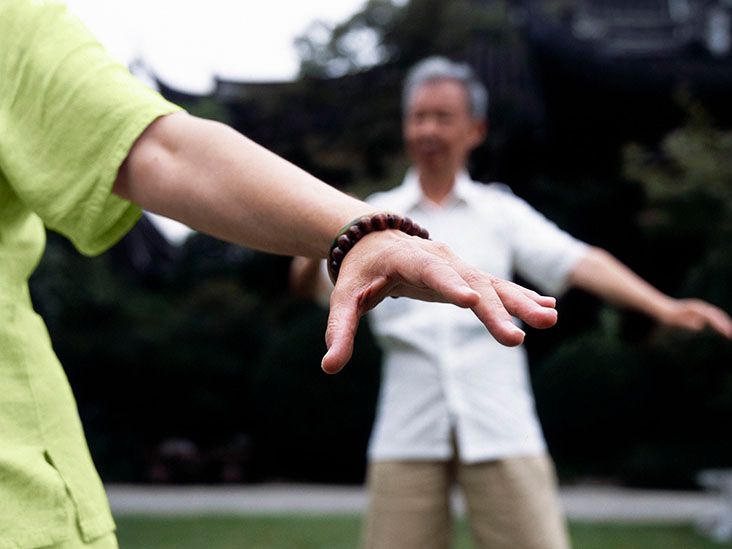
Arthritis has a talent for making ordinary activities feel like an obstacle course designed by a grumpy furniture store. Getting out of a chair, walking downstairs, opening a jar, or standing long enough to make dinner can all become negotiations with stiff, aching joints.
That is why tai chi can be such a useful option. It is not a miracle cure, a replacement knee in disguise, or a magical sequence that persuades arthritis to pack a suitcase and leave town. It is a gentle form of movement that combines slow, controlled motions, breathing, posture, balance, and focused attention. For many people with arthritis, that combination can make exercise feel more approachable and less like punishment.
Tai chi has been studied most closely in people with knee osteoarthritis, but it may also support people living with hip osteoarthritis, rheumatoid arthritis, chronic pain, limited mobility, and balance concerns. The key is to start with realistic expectations, choose the right level of instruction, and let comfortnot egorun the show.
Health note: This article is educational and is not a substitute for personal medical care. Talk with your physician, rheumatologist, physical therapist, or other qualified clinician before beginning a new exercise program, especially if you have severe pain, recent surgery, frequent falls, major balance problems, or a condition affecting your heart, lungs, or nerves.
What is tai chi, exactly?
Tai chi, also called tai chi chuan or taijiquan, began as a Chinese martial art. Today, many people practice it primarily as a low-impact mind-body exercise. A typical class includes slow weight shifts, gentle arm movements, controlled steps, upright posture, relaxed breathing, and attention to how the body moves through space.
Think of it as movement with manners. Instead of bouncing, jerking, or demanding that your knees perform interpretive dance at 6 a.m., tai chi asks you to move deliberately. You may shift weight from one foot to the other, raise your arms as though you are floating a beach ball, or take a slow step while keeping your spine tall and your shoulders relaxed.
There are several styles of tai chi, including Yang, Chen, Wu, and Sun styles. Arthritis-friendly classes often use modified movements or Sun-style tai chi, which tends to use smaller steps and more upright positions. The “best” style is not the one with the fanciest name; it is the one you can perform safely, comfortably, and consistently.
Why tai chi can help people with arthritis
Arthritis is not one single condition. Osteoarthritis involves changes in the joints and surrounding tissues over time, while rheumatoid arthritis is an autoimmune inflammatory disease. Other forms of arthritis have their own causes and treatment needs. Still, many people with arthritis share similar challenges: pain, stiffness, reduced mobility, fatigue, fear of movement, poor balance, and frustration when a body part suddenly votes “absolutely not.”
Tai chi addresses several of those challenges at once. It gives the body a chance to move without pounding the joints. It also encourages awareness of posture, muscle tension, breathing, and balance. Rather than treating exercise like a boot camp test, tai chi turns movement into practice.
1. It may reduce pain and stiffness
Research on tai chi for knee osteoarthritis suggests that regular practice can improve pain, stiffness, and daily function for some people. Benefits are usually modest rather than cinematic. You probably will not wake up after one class and sprint through an airport while carrying three suitcases. However, less discomfort during walking, standing, climbing stairs, or getting in and out of a chair can make a meaningful difference in daily life.
The American College of Rheumatology and the Arthritis Foundation strongly recommend tai chi as a nondrug option for knee and hip osteoarthritis. That matters because arthritis care is rarely about one perfect solution. It is usually about combining helpful tools: movement, strength work, weight management when appropriate, medication, physical therapy, sleep, stress management, and practical changes at home or work.
2. It can improve balance and confidence
Many tai chi movements involve slow weight shifts, controlled steps, and attention to where your body is positioned. Those skills can improve balance awareness and may help people feel steadier while walking or turning. For someone with arthritis, better balance can be valuable because falls can lead to injuries, fear, and a cycle of avoiding activity.
Just as important, tai chi can help rebuild confidence. When your knees hurt, it is easy to become cautious about movement. Caution is sensible; becoming completely inactive is usually not. A gradual tai chi practice can remind you that movement is still possible, even if it needs to be modified.
3. It supports flexibility and functional movement
Arthritis can make joints feel rusty, as though someone replaced your natural range of motion with a cabinet hinge from 1974. Tai chi uses gentle reaching, turning, stepping, and shifting movements that may help maintain mobility and coordination.
It is not the same as a dedicated stretching program, and it should not replace targeted rehabilitation when you need it. But tai chi can complement physical therapy or home exercises by helping you practice smoother movement patterns in a low-pressure setting.
4. It may strengthen muscles without high impact
Tai chi does not look like strength training in the usual “lift something heavy and make a determined face” sense. Still, controlled standing movements can engage muscles in the legs, hips, core, and upper body. Stronger supporting muscles can help stabilize joints and make everyday tasks feel easier.
For people with significant weakness, tai chi works best as part of a broader plan that may also include resistance exercises recommended by a physical therapist, trainer, or clinician. Tai chi is a useful teammate, not necessarily the entire roster.
5. It can help reduce stress around chronic pain
Living with arthritis is not only physical. Pain can affect sleep, mood, concentration, relationships, and patience. It can also make people tense their muscles without realizing it, which sometimes adds another layer of discomfort.
Tai chi includes slow breathing and focused attention, which may help some people feel calmer and less guarded. This does not mean pain is “all in your head.” It means the nervous system and the body are always talking to each other, and calmer movement can be one helpful way to join the conversation.
What tai chi can and cannot do for arthritis
Tai chi can be a valuable arthritis exercise, but it is important to keep the claims grounded. It may help reduce symptoms, improve physical function, support balance, and make regular movement easier to maintain. It does not cure arthritis, rebuild severely damaged cartilage, replace disease-modifying medication for rheumatoid arthritis, or eliminate the need for medical evaluation when symptoms change.
For knee and hip osteoarthritis, tai chi has meaningful support as part of a comprehensive treatment plan. For rheumatoid arthritis, the evidence is less certain. Studies suggest tai chi generally does not worsen symptoms when properly adapted, but it should be adjusted based on disease activity, fatigue, joint inflammation, and your clinician’s advice.
In other words, tai chi belongs in the “helpful tool” drawer, not the “throw away your treatment plan and become a mountain sage” drawer.
How to get started with tai chi for arthritis
Step 1: Get clear on your arthritis and your goals
Before signing up for a class, think about what you want tai chi to help with. Are you hoping to walk more comfortably? Improve balance? Reduce morning stiffness? Feel less anxious about moving? Build a routine that does not leave you exhausted for two days afterward?
Your goal does not need to be dramatic. “I want to stand in the kitchen for 15 minutes without needing a break” is an excellent goal. So is “I want to feel safer walking across the parking lot.” Practical goals are easier to measure and more motivating than vague promises to “get healthier.”
Step 2: Ask your health care provider about modifications
Ask whether there are movements you should avoid or adjust. This is especially important if you have severe knee or hip arthritis, unstable joints, recent joint replacement surgery, osteoporosis, spinal problems, dizziness, neuropathy, or a history of falls.
People with arthritis often benefit from smaller steps, shallower knee bends, slower turns, a chair nearby for support, or seated versions of certain movements. A good program should adapt to your body instead of expecting your body to audition for a kung fu movie.
Step 3: Choose an arthritis-friendly instructor or class
Look for a beginner tai chi class that welcomes people with arthritis, chronic pain, older adults, or limited mobility. Community centers, hospitals, senior centers, rehabilitation programs, local parks departments, and arthritis organizations may offer classes in person or online.
Before enrolling, ask a few simple questions:
- Do you teach beginners with arthritis or mobility limitations?
- Can movements be modified for knee, hip, hand, or back pain?
- Do you offer seated or chair-supported options?
- How do you handle balance concerns or fear of falling?
- Can participants take breaks whenever needed?
A qualified instructor does not need to act like a drill sergeant with a bamboo stick. The best teachers explain movements clearly, encourage pacing, and make room for individual differences.
Step 4: Prepare your space and clothing
You do not need special equipment. Wear comfortable clothes that allow easy movement and supportive shoes with non-slip soles. Avoid slippery socks unless you enjoy unnecessary plot twists.
Practice in a clear area with enough room to step safely. If you feel unsteady, stand near a sturdy chair, countertop, or wall. Do not use a rolling office chair as your support system unless you are hoping to add a surprise action scene to your afternoon.
Step 5: Start smaller than you think you need to
Many people make the same mistake when beginning a new exercise habit: they feel good after the first session, do far too much, and then spend the next day bargaining with every joint in their body. Tai chi rewards patience.
A sensible beginner plan might look like this:
- Week 1: Practice for 10 minutes, three times per week. Focus on posture, breathing, and slow weight shifts.
- Week 2: Increase to 12 to 15 minutes, three or four times per week, if your body tolerated the first week well.
- Week 3: Add a beginner class or follow a guided arthritis-friendly routine once or twice per week.
- Week 4: Build toward 20 minutes per session, keeping movements comfortable and controlled.
Many research programs use sessions lasting 30 to 60 minutes several times per week for multiple weeks. You do not need to begin there. Consistency is more important than duration at the start. Ten comfortable minutes performed regularly can be more valuable than one heroic hour followed by a week of avoidance.
Step 6: Use the “next-day check”
Pay attention to how your body responds during practice and the following day. Mild muscle fatigue or temporary awareness of underused muscles can be normal. Sharp pain, worsening joint swelling, dizziness, chest pain, severe shortness of breath, or pain that lingers and intensifies are signals to stop and seek medical advice.
If your pain is noticeably worse the next day, reduce the duration, range of motion, depth of knee bends, or number of repetitions. You may also need more rest between sessions. Adjusting is not failure. Adjusting is how you make the practice sustainable.
Step 7: Pair tai chi with your larger arthritis plan
Tai chi works especially well when it is part of a broader routine. Depending on your needs, that routine may include walking, water exercise, physical therapy, resistance training, medication, heat or cold therapy, sleep support, weight management, and regular medical follow-up.
For example, someone with knee osteoarthritis might do tai chi twice weekly, walk on other days, and complete simple thigh and hip-strengthening exercises recommended by a physical therapist. Someone with rheumatoid arthritis might use tai chi on lower-symptom days while following a rheumatologist’s treatment plan for inflammation control.
Simple tai chi modifications for painful joints
For knee arthritis
Keep your stance narrow and comfortable. Avoid deep knee bends, sudden pivots, or large side steps. Shift weight gradually rather than dropping into a bend. If standing for long periods is difficult, take breaks or perform portions of the routine seated.
For hip arthritis
Use shorter steps and avoid forcing the leg into wide positions. Turn your entire body slowly instead of twisting aggressively through the hip. A stable chair or countertop nearby can make weight shifts feel safer.
For hand arthritis
Tai chi does not require clenched fists. Keep your hands relaxed, open, or gently curved. If wrist or finger movements are uncomfortable, reduce the range of motion and focus more on the body’s larger movements.
For back pain or spinal arthritis
Keep the spine tall but not rigid. Avoid forcing deep twists or leaning far forward. Move through a comfortable range, and let your hips and feet turn with your body rather than twisting sharply through the lower back.
For balance concerns
Use a chair, countertop, wall, or railing as light support. You can also practice seated tai chi, which uses upper-body movements, breathing, posture, and attention without requiring prolonged standing. Seated practice still counts. Your joints do not award bonus points for suffering.
Real-world experiences: What starting tai chi for arthritis often feels like
The following examples reflect common patterns reported by beginners and clinicians, not guaranteed outcomes or individual medical testimonials. Arthritis affects every person differently, and your own experience may be easier, harder, faster, slower, or delightfully unpredictable.
Many beginners are surprised by how much effort tai chi requires. From the outside, it can look as though a group of people is slowly directing invisible traffic. From the inside, it may feel like balancing a tray of drinks while remembering to breathe, relax your shoulders, bend your knees only a little, and keep your left foot from wandering off on its own adventure.
During the first few sessions, people often notice how frequently they rush. Tai chi is slow enough to reveal habits that daily life usually hides: locking the knees, holding the breath, tensing the jaw, leaning to one side, or gripping the floor with the toes. That awareness can be surprisingly useful. You begin to notice when your body is protecting a painful joint and when that protective strategy is creating tension somewhere else.
For someone with knee osteoarthritis, the first meaningful change may not be a lower pain score. It may be realizing that stepping sideways feels less scary when there is a chair nearby. It may be standing through an entire warm-up without needing to sit down. It may be getting out of a low chair with a little more control. These small changes can look ordinary from the outside, but they can feel enormous to the person living with the limitation.
People with morning stiffness sometimes find that a short, gentle tai chi routine helps them feel less creaky before starting the day. The goal is not to force the body into full speed before breakfast. The goal is to invite the joints and muscles to wake up gradually. A five- or ten-minute routine may be enough to make the trip from bed to coffee feel less like a polar expedition.
Some beginners prefer classes because the instructor provides rhythm, reminders, and encouragement. Others enjoy practicing at home because they can pause, repeat a movement, or take a break without feeling self-conscious. Both approaches can work. A class can offer community and accountability, while home practice can offer privacy and flexibility. The best format is the one you are likely to keep doing after the novelty wears off.
Social connection can also be an underrated part of the experience. Chronic pain can make people withdraw from activities they once enjoyed. A gentle class may provide a reason to leave the house, learn something new, and spend time around people who understand the phrase “my joints are being dramatic today.” Even when the conversation is mostly about weather, shoes, and which movement is called “Parting the Wild Horse’s Mane,” the sense of belonging can matter.
Not every week will feel like progress. Arthritis flares, poor sleep, stress, medication changes, travel, and ordinary life can all affect symptoms. On some days, tai chi may need to become a seated routine, a five-minute breathing practice, or a decision to rest. That does not erase the work you have already done. Sustainable movement includes flexibility in the plan, not just flexibility in the hamstrings.
People often find that keeping a simple note after practice helps. You might track how long you practiced, whether you used a chair, how your joints felt afterward, and whether daily tasks felt easier the next day. Over several weeks, patterns may become clearer. Perhaps 15 minutes feels ideal but 30 minutes causes knee irritation. Perhaps morning practice is better than evening practice. Perhaps online classes work well until you need more feedback from an instructor. This information can help you refine the routine instead of guessing.
The most useful long-term experience is often not “tai chi fixed my arthritis.” It is something more practical: “I found a way to keep moving that does not make me dread exercise.” That is a major victory. When movement feels safer, calmer, and more manageable, people are more likely to continue itand consistency is where many of the benefits begin to add up.
The bottom line on tai chi for arthritis
Tai chi is a gentle, low-impact exercise that can be a smart addition to an arthritis management plan. Research is strongest for knee and hip osteoarthritis, where tai chi may improve pain, stiffness, balance, and physical function. It may also help people with arthritis feel more confident about moving, especially when traditional workouts feel intimidating or uncomfortable.
Start slowly, choose an arthritis-friendly instructor, use modifications without apology, and pay attention to how your body responds. Tai chi does not need to be perfect to be helpful. A few steady movements, a calmer breath, and a little more trust in your body can be a very good place to begin.











