
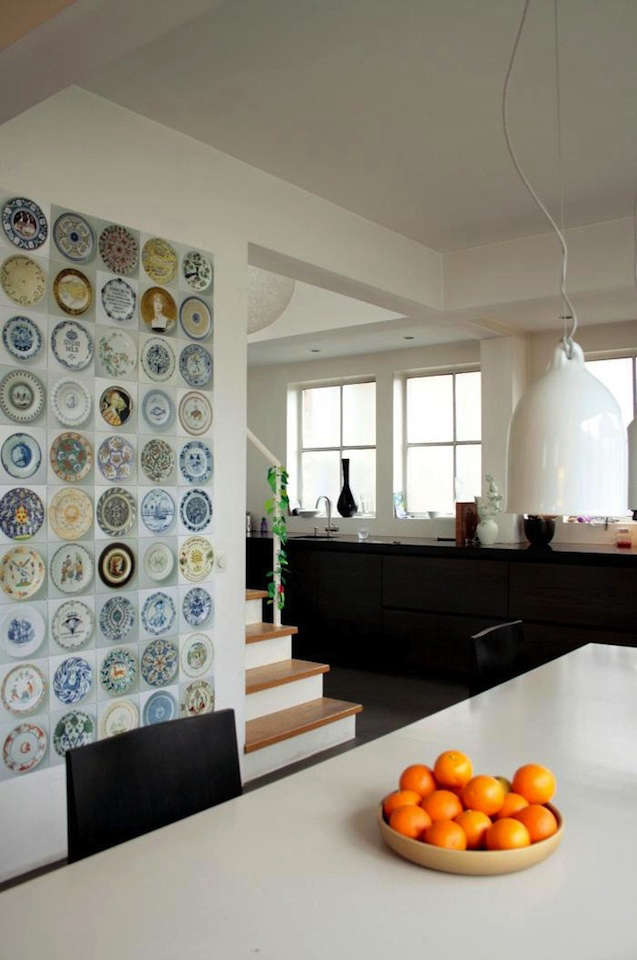
A good lamp does more than keep you from bumping into the coffee table. It sets a mood, sharpens a room’s personality, and occasionally makes guests say, “Wait, where did you find that?” That last question is exactly where our design sleuthing begins. Porcelain lamps with a silver lining are one of those quietly brilliant interior details: modest on the outside, luminous on the inside, and far more interesting than the average shade-and-base combo sitting politely in the corner.
The phrase “porcelain lamps with a silver lining” sounds almost poetic, but the idea is practical, too. A white porcelain exterior keeps the look clean and architectural, while a metallic interior catches and redirects light. The result is a lamp that behaves like a small sculpture by day and a glowing design trick by night. Think of it as the lighting equivalent of a tailored jacket with a silk lining: restrained, refined, and secretly a little dramatic.
What Makes Porcelain Lamps with a Silver Lining Special?
At first glance, these lamps may look simple: a porcelain shade, often bell-shaped or softly cylindrical, with a crisp white surface. Then you look underneath. Inside, the shade is finished with silver glaze or a metallic lining that reflects the bulb’s glow. This contrast between matte or glossy porcelain and shimmering silver is what gives the lamp its visual tension.
Porcelain is valued for its fine-grained body, smooth surface, and elegant translucency. In interiors, it brings a sense of permanence without feeling heavy. Unlike metal shades, porcelain softens the silhouette. Unlike fabric shades, it feels crisp, durable, and sculptural. Add a silver interior, and the lamp gains a second personality: cooler, brighter, and more reflective.
The Beauty of the Hidden Detail
Design lovers know that the best rooms are rarely built on loud statements alone. Often, the magic is in the details you notice slowly: the shadow line under a floating shelf, the hand-thrown irregularity of a ceramic bowl, or the flash of silver inside a pendant lamp. A silver-lined porcelain lamp rewards that second look. It is not shouting for attention. It is clearing its throat politely and then stealing the scene.
The Design Origin: A Sleuth-Worthy Lamp
One of the most discussed examples in this category is the Buffer Lamp by Dutch designer Wieki Somers for POLSPOTTEN. The lamp became a favorite among design watchers because it combines a simple white porcelain shell with a metallic glazed interior, available in silver or gold versions. Its shape has been described as modern and bell-like, with a quiet reference to mid-century electrical insulators. That mix of industrial memory and delicate material is exactly why the piece still feels relevant.
The Buffer Lamp’s power lies in restraint. It does not rely on oversized scale, wild color, or complicated ornament. Instead, it uses proportion, material, and reflection. The porcelain exterior keeps the lamp calm. The silver interior gives it energy. When lit, the inside turns into a small reflective chamber, pushing light downward while creating a halo-like glow around the shade.
Why Silver Lining Changes the Light
Every lampshade interior affects the way light behaves. A white lining produces a clean, bright effect. A gold lining warms the glow, making a room feel cozy and candlelit. A silver lining is cooler and sharper. It can make light feel more precise, modern, and slightly theatrical. That does not mean cold or harsh, as long as the bulb is chosen carefully. It means the lamp has definition.
Silver-lined lamps are especially useful when you want a pendant or table lamp to do more than simply glow. The reflective interior can help direct light toward a dining table, reading chair, console, or kitchen island. It gives the beam a bit more presence. In design terms, silver adds contrast; in real-life terms, it helps you see your dinner without making the room feel like a hospital waiting area.
Pair Silver with Warm Bulbs
The easiest way to keep silver-lined porcelain lighting inviting is to pair it with a warm LED bulb. A warm white bulb balances the coolness of the metallic interior, while an overly blue bulb may make the effect feel sterile. For dining rooms, bedrooms, and living areas, warm light is usually friendlier. For workspaces, a slightly brighter neutral bulb can make sense, especially if the lamp is being used as task lighting.
Where to Use Porcelain Lamps with Silver Interiors
These lamps are versatile, but they shine brightestpun absolutely intendedin spaces where shape and atmosphere matter. Because the exterior is usually white or neutral, a porcelain pendant can slip into minimalist, Scandinavian, modern farmhouse, coastal, Japandi, industrial, and contemporary interiors without needing a costume change.
Over a Dining Table
A silver-lined porcelain pendant over a dining table feels intimate without being fussy. The downward reflection highlights the table surface, making dinner look more intentional even when the meal is takeout in ceramic bowls. Hang one larger fixture for a clean focal point, or use two to three smaller pendants over a long table. The key is spacing: give each lamp enough room to breathe so the arrangement looks designed, not accidentally crowded.
Above a Kitchen Island
In the kitchen, porcelain offers a welcome break from stainless steel appliances, stone counters, and hard cabinet lines. A white porcelain lamp with a silver interior feels fresh and functional. It can echo chrome hardware, brushed nickel faucets, or polished metal stools while still adding softness. This is where the lamp earns its keep: beautiful enough to admire, practical enough to illuminate the chopping board, and discreet enough not to fight with the backsplash.
Beside the Bed
Small porcelain pendants can replace traditional bedside table lamps, especially in compact bedrooms. This frees up nightstand space for books, water, glasses, and the mysterious collection of tiny objects that somehow appears beside every bed. A silver lining gives the light a little glamour, while the porcelain exterior keeps the room serene.
In an Entryway
An entryway is a perfect place for one memorable design gesture. A porcelain pendant with a metallic interior gives guests a first impression that is polished but not flashy. It says, “Welcome, we have taste,” without also saying, “Please remove your shoes and admire our lighting plan for twenty minutes.”
How to Style Porcelain Lamps with a Silver Lining
The best styling strategy is to let the lamp’s contrast guide the rest of the room. White porcelain and silver already create a clean palette, so you can either lean into that crispness or balance it with warmer materials.
For a Minimalist Room
Use the lamp with pale walls, light oak, linen upholstery, and simple black accents. The silver interior will add enough visual spark to prevent the room from looking flat. Minimalism works best when materials do the talking, and porcelain is an excellent conversationalistcalm, cultured, and unlikely to interrupt.
For a Warm Modern Room
Pair the lamp with walnut, terracotta, leather, woven rugs, and creamy walls. In this setting, silver becomes a crisp counterpoint to earthier textures. The lamp keeps the room from becoming too rustic or too heavy. It is the clean spoon in the jar of caramel.
For a Vintage-Meets-Modern Room
Porcelain lighting also works beautifully with antiques. Try a silver-lined pendant above an old farmhouse table, a marble-topped bistro table, or a vintage writing desk. The mix of old and new feels collected rather than staged. The porcelain nods to traditional ceramics, while the silver interior keeps the look modern.
Buying Guide: What to Look For
Before buying a porcelain lamp with a silver lining, consider scale, finish, installation, and bulb compatibility. A lamp may look perfect online, but lighting is physical. It has weight, shadow, cord length, socket type, and installation requirements. Details matter.
Check the Size
For dining tables and kitchen islands, diameter and height are crucial. A pendant that is too small may look lonely; one that is too large may feel like it is interrogating your salad. Measure the surface below and consider ceiling height. In general, pendants should hang low enough to create intimacy but high enough that people can see across the table without performing neck yoga.
Look at the Interior Finish
Not all silver linings are identical. Some are mirror-bright, while others are brushed, matte, glazed, or softly irregular. A hand-applied metallic glaze may have subtle variations, which can add character. If you love a perfectly uniform finish, inspect product photos carefully. If you enjoy handmade charm, slight variation is part of the appeal.
Confirm the Socket and Installation Details
Imported designer lamps may use different socket standards or may not include a canopy. Always check the specifications before purchase. For hardwired pendants, professional installation is usually the safest route. A beautiful lamp loses some romance when it is dangling from the ceiling like a confused chandelier experiment.
Choose an Efficient Bulb
LED bulbs are the practical choice for most modern lamps. They use far less energy than traditional incandescent bulbs, last longer, and come in a wide range of color temperatures. For porcelain lamps with metallic interiors, look for dimmable LED bulbs if the fixture and switch support dimming. That gives you flexibility: bright for dinner prep, softer for dessert, and very soft for pretending you do not see the dishes.
Care and Maintenance
Porcelain is durable, but it still deserves gentle handling. Dust the exterior with a soft microfiber cloth. For smudges, use a lightly damp cloth and dry immediately. Avoid abrasive pads, harsh cleaners, or aggressive scrubbing, especially near metallic glaze. The silver lining is the star of the show; do not treat it like a saucepan after chili night.
If the lamp hangs in a kitchen, it may collect airborne grease over time. Clean it regularly and gently rather than waiting until the surface needs a rescue mission. Turn off the power and let the bulb cool before cleaning. If the shade is removable, follow the manufacturer’s instructions. If not, use patience, a stable ladder, and perhaps a second person who is good at saying, “A little to the left.”
Porcelain vs. Metal vs. Fabric Lampshades
Porcelain, metal, and fabric all create different lighting moods. Metal shades are excellent for industrial style and focused task lighting, but they can feel hard in softer rooms. Fabric shades diffuse light beautifully, though they may collect dust and stain more easily. Porcelain sits between the two. It is structured like metal but visually softer; refined like fabric but more sculptural.
A silver-lined porcelain shade adds another layer. It has the crispness of ceramic, the reflectivity of metal, and the decorative surprise of a jewel box. That is why it feels so design-forward. It is not merely a lamp; it is a material conversation.
Common Mistakes to Avoid
Using a Bulb That Is Too Cool
A very cool bulb can make silver lining feel icy. Unless you are lighting a laboratory or a spaceship-themed breakfast nook, choose a warmer bulb for residential spaces.
Hanging the Pendant Too High
If the lamp is too close to the ceiling, you lose the intimacy of the glow and the beauty of the silver interior. The underside should be visible from normal seated or standing angles.
Ignoring the Rest of the Metals in the Room
Silver does not have to match every metal finish, but it should relate to something. Chrome, nickel, stainless steel, pewter, and even blackened steel can all play well with a silver-lined lamp. Mixing metals is fine; pretending they have never met is where rooms get awkward.
Design Experience: Living with Porcelain Lamps with a Silver Lining
After working with and studying interiors that use porcelain lamps with silver-lined shades, one lesson becomes clear: these pieces are most successful when they are allowed to be both useful and poetic. They should not be treated as fragile museum objects, nor should they be reduced to basic utility. Their charm lives in the middle. They are everyday lights with an elevated mood.
In a dining room, the experience is especially strong. During the day, a white porcelain pendant can nearly disappear against pale walls or a bright ceiling. It looks clean and quiet, like a simple ceramic vessel turned upside down. But in the evening, the silver interior wakes up. The table becomes the center of gravity. Plates look brighter, glassware catches tiny reflections, and faces are softly modeled by downward light. It is not dramatic in the theatrical sense; nobody expects a curtain call. But the room feels more composed.
One practical experience worth noting is that silver-lined porcelain lamps can expose poor bulb choices quickly. A bulb that looked acceptable inside a fabric shade may look too sharp under a reflective metallic interior. The fix is simple: test different color temperatures and brightness levels. A dimmable warm LED often gives the best range. At full brightness, it can handle tasks. Dimmed down, it becomes dinner-party lighting, movie-night lighting, or “I cleaned one countertop and deserve ambiance” lighting.
Another real-world observation is that porcelain lamps bring texture without clutter. Many homeowners try to add interest to a room with more objects: more pillows, more art, more accessories, more tiny bowls that serve no known purpose. A sculptural porcelain lamp does the opposite. It adds character through form and finish, not through visual noise. This is particularly useful in small apartments, narrow kitchens, and open-plan spaces where every object has to justify its rent.
Silver-lined porcelain lamps also age well stylistically. Trendy lighting can date a room quickly, especially when it depends on a very specific color or exaggerated shape. White porcelain and silver are more flexible. They can move from a modern dining room to a bedroom, from a city apartment to a cottage kitchen, from minimalist decor to a more layered interior. That adaptability matters because good lighting is not cheap, and nobody wants to replace pendants every time the internet discovers a new shade of beige.
From a maintenance perspective, the biggest experience-based tip is to clean lightly and often. A porcelain exterior usually wipes down easily, but the metallic interior deserves gentleness. Dust can dull the reflective effect, and kitchen residue can sneak up over time. A soft cloth and a careful hand are usually enough. The lamp will reward you by continuing to look quietly expensive, which is one of the best kinds of expensive.
Finally, these lamps teach a broader design lesson: a “silver lining” does not need to be obvious to be powerful. The best interiors often include details that reveal themselves slowly. A porcelain lamp with a silver interior offers that little moment of discovery. You notice the shape first, then the glow, then the flash of metal inside. It is a small surprise, but small surprises are what make a home feel personal rather than simply decorated.
Conclusion
Porcelain lamps with a silver lining prove that lighting can be simple, functional, and quietly unforgettable. Their appeal comes from contrast: soft ceramic outside, reflective metallic glow inside; traditional material, modern finish; practical illumination, sculptural beauty. Whether you choose a designer pendant inspired by the Buffer Lamp or a similar ceramic fixture with a silver interior, the effect is refined without being stiff.
For homeowners, decorators, and design sleuths, these lamps are worth watching because they solve several problems at once. They add atmosphere, direct useful light, complement many interior styles, and bring a hidden detail that feels special every time the lamp turns on. In a world full of lighting that tries too hard, a porcelain lamp with a silver lining simply glowsand honestly, that is more than enough.











