
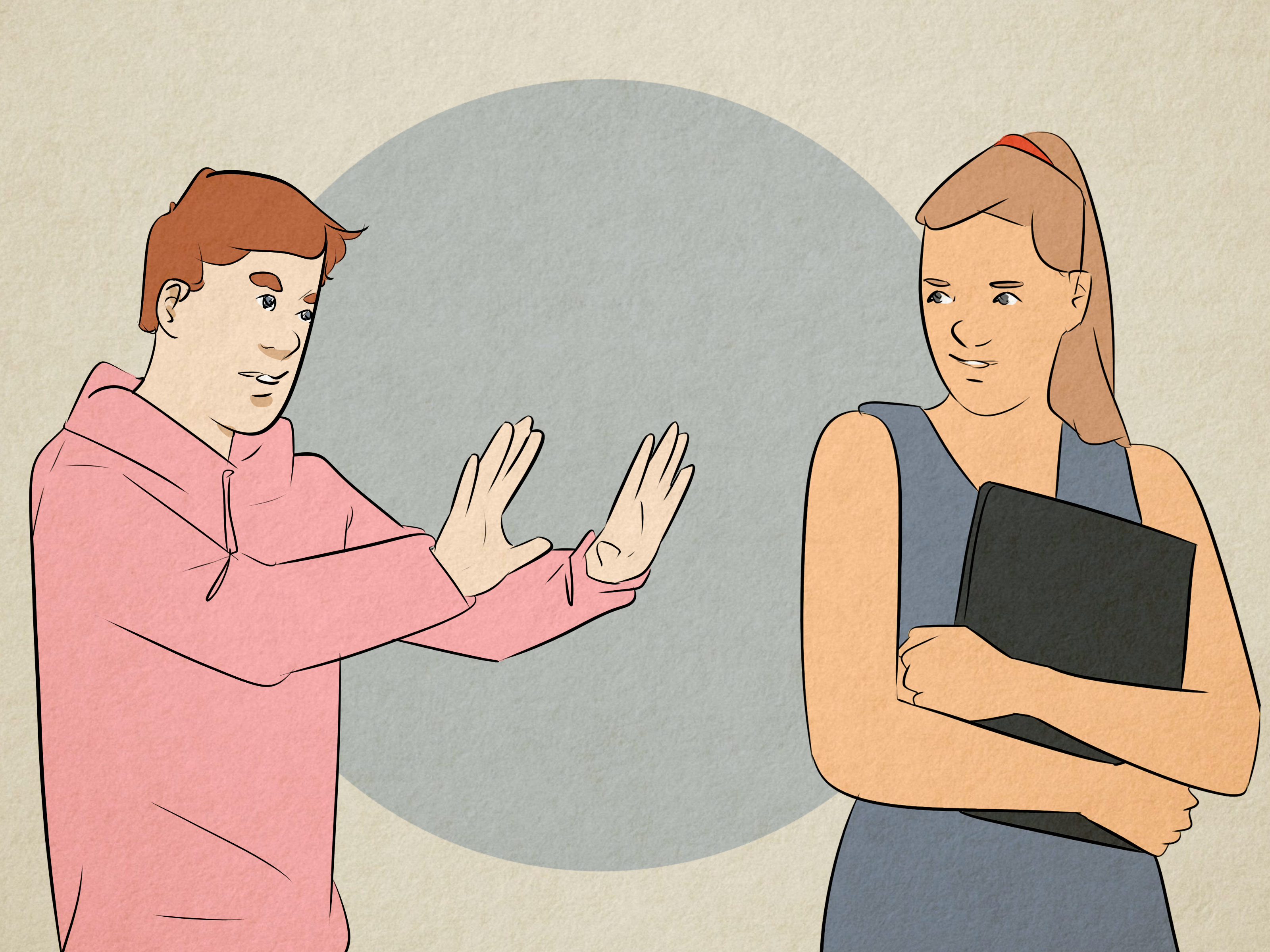
Relationships are not accounting spreadsheets. You should not calculate every compliment, favor, or cheeseburger and demand an equal transaction by Friday. Still, a healthy connection should feel reasonably mutual over time. Both people make an effort, respect boundaries, offer support, and care about each other as human beingsnot merely as convenient sources of money, attention, transportation, homework help, professional contacts, or emergency phone charging.
Learning how to know when a girl is using you requires more than noticing that she once asked for a favor. Everyone needs help occasionally. The real question is whether you are seeing a repeated pattern in which her interest appears only when you can provide something.
The title refers to a girl, but these red flags are not gender-specific. Anyone can behave selfishly or manipulatively. Instead of assuming bad intentions based on gender, examine the person’s consistent actions, the balance of the relationship, and how you feel after spending time together.
What Does It Mean When Someone Is Using You?
Someone may be using you when the relationship is maintained primarily for the benefits you provide rather than for mutual affection, companionship, or respect. Those benefits might be financial, practical, emotional, social, academic, or professional.
For example, she may want free meals, rides, gifts, help with assignments, introductions to influential friends, constant emotional reassurance, or a reliable person to rescue her whenever another plan collapses. The problem is not that she accepts your help. The problem is that she repeatedly takes while showing little interest in giving, connecting, or supporting you in return.
Temporary imbalance is normal. A person dealing with an illness, family emergency, job loss, or difficult school semester may need extra support for a while. In a caring relationship, however, that person usually shows appreciation, communicates honestly, and makes an effort when circumstances improve. Being used feels different: the imbalance becomes the permanent business model.
8 Signs a Girl May Be Using You
1. She Contacts You Mainly When She Needs Something
Look at when she reaches out. Does she ask how you are, share parts of her life, or suggest spending time together without attaching a request? Or does every message arrive wearing a tiny employee badge?
Her texts might follow a predictable script:
- “Hey stranger! Can you drive me somewhere?”
- “I miss you! Could you pay for dinner?”
- “You’re so smart. Can you finish this project for me?”
One request proves nothing. A repeated pattern does. If she disappears after receiving what she wanted and returns only when the next need appears, she may value your usefulness more than your company.
Try declining one reasonable request without hostility. A person who genuinely cares about you may be disappointed, but she will normally continue treating you warmly. Someone who is using you may suddenly become cold, insulting, or completely unavailable.
2. You Carry Nearly All the Effort
A one-sided relationship can make you feel like the social director, emotional support department, personal driver, and unpaid event planner rolled into one exhausted package.
You may always initiate conversations, choose activities, arrange dates, resolve disagreements, and check on her feelings. Meanwhile, she rarely asks meaningful questions about your life or makes plans that reflect your interests.
Healthy relationships do not require a perfect 50-50 split every day. Some weeks one person contributes more. Over time, however, both partners should demonstrate investment. If the relationship would stop existing the moment you stopped pushing it forward, that is important information.
Notice whether she remembers details you share, checks on you after a difficult day, and makes room for your needs. Reciprocity is not about keeping score. It is about knowing that both people are actually playing.
3. Her Affection Increases Right Before a Request
Sudden affection can feel wonderful, especially when you already like someone. Unfortunately, attention may sometimes be used as leverage.
Perhaps she becomes unusually flirtatious before asking for an expensive gift. Maybe she sends enthusiastic messages when she needs help, then responds with one-word answers after you provide it. The timing of the warmth matters.
Genuine affection is not a vending machine: insert compliment, receive favor. It remains present even when you cannot provide a benefit. A manipulative pattern often involves intense praise, guilt, sulking, or withdrawal designed to influence your decision.
Pay attention to consistency rather than dramatic moments. Steady kindness on an ordinary Tuesday often reveals more than twenty heart emojis sent ten minutes before a request for money.
4. She Keeps the Relationship Conveniently Vague
Not every connection needs an immediate label. People may date casually, move slowly, or remain friends as long as both understand and accept the arrangement. The red flag appears when ambiguity benefits only one person.
She may expect boyfriend-level attention, availability, spending, and loyalty while refusing any honest conversation about what the relationship means. She might discourage you from dating anyone else but insist that she owes you no commitment. You remain permanently on call while she remains permanently “not ready to define things.”
This does not automatically mean she is malicious. She may genuinely be uncertain. However, uncertainty does not give anyone permission to keep another person trapped in an arrangement that hurts them.
Ask directly what she wants and explain what you want. Her answer may be disappointing, but clear disappointment is healthier than endless confusion decorated with occasional flirting.
5. Your Money, Skills, or Connections Seem to Be the Main Attraction
One of the clearest signs a girl is using you is that the relationship revolves around your resources. These may include your income, car, home, technical skills, social status, schoolwork, workplace influence, or access to certain people.
Watch for patterns such as expecting you to pay every time, requesting increasingly expensive gifts, borrowing money without repaying it, or becoming irritated when you suggest a less costly activity. Be especially cautious about pressure to share passwords, banking information, credit accounts, or financial commitments.
Generosity should be voluntary. It should never be the admission fee for receiving basic affection. A caring partner can enjoy nice experiences while still respecting your budget and appreciating simple time together.
You do not need to pretend you are broke or create an elaborate loyalty test. Simply establish reasonable limits. Suggest a free activity, split a bill, or say that you are not comfortable lending money. Her response will tell you more than a detective operation involving fake lottery tickets ever could.
6. She Pushes Past Your Boundaries or Uses Guilt
Boundaries communicate what you are comfortable giving, sharing, or doing. They may involve time, money, privacy, physical affection, emotional labor, or digital access.
A respectful person may ask questions about a boundary, but she does not repeatedly ignore it. Someone who is using you may respond with guilt-inducing statements such as:
- “If you really cared about me, you would do this.”
- “After everything I’ve been through, you’re saying no?”
- “A real boyfriend would pay for it.”
- “You’re selfish for needing time to yourself.”
Your “no” should not trigger punishment, threats, humiliation, or days of calculated silence. Consent and boundaries apply to emotional, financial, digital, and physical situations. You are allowed to change your mind, protect your privacy, and refuse a request without writing a legal brief defending your decision.
If pressure becomes intimidating or controlling, treat the situation more seriously than ordinary relationship conflict. Speak with someone you trust and prioritize your safety.
7. She Is Missing Whenever You Need Support
A person who uses you may happily deliver a three-hour presentation about her problems but become mysteriously busy when you mention yours.
Perhaps you listen whenever she is upset, yet she changes the subject when you need reassurance. Maybe you help with every crisis, but she cannot spare ten minutes when you face an important exam, family problem, health concern, or difficult workday.
No partner can be available every moment, and people vary in their ability to provide emotional support. Look at the broader pattern. Does she acknowledge what you are experiencing? Does she follow up later? Does she make an effort within her limits?
If your role is always to provide comfort while receiving none, you may not have a partnership. You may have accidentally subscribed to an emotional customer-service position with terrible benefits.
8. Her Words and Actions Rarely Match
Words matter, but consistent behavior provides the better evidence. She may insist that she values you while repeatedly canceling plans, breaking promises, hiding important information, or dismissing your concerns.
When confronted, she might blame you for noticing, minimize the behavior, or offer a dramatic apology that never leads to change. This cycle can leave you focused on her promises while ignoring the pattern unfolding in front of you.
Healthy accountability sounds like: “I understand why that hurt you. I should not have done it, and here is what I will change.” False accountability sounds like: “I’m sorry you’re so sensitive, but you made me do it.” The second version is not an apology. It is blame wearing a fake mustache.
Give more weight to repeated choices than to beautiful explanations. Trust should grow from honesty, reliability, and repaired mistakesnot from promises that expire every weekend.
How to Tell the Difference Between Being Used and Being Incompatible
Not every disappointing relationship involves manipulation. Sometimes two people simply have different expectations, communication styles, financial habits, or levels of interest.
She may be less expressive than you, prefer fewer messages, or dislike expensive dates. Those differences do not mean she is using you. Likewise, choosing not to enter a committed relationship is not exploitation if she communicates honestly and does not pressure you to provide partner-level benefits.
Ask yourself three questions:
- Is the imbalance consistent? A difficult week is different from a six-month pattern.
- Have expectations been discussed clearly? Unspoken assumptions can create resentment on both sides.
- What happens when I set a boundary? Respectful discussion suggests incompatibility may be manageable; punishment or manipulation suggests a deeper problem.
A red flag is a reason to pay attention, not permission to diagnose someone’s personality or publicly attack her. Focus on observable behavior and its effect on you.
What to Do If You Think She Is Using You
Review the Pattern Honestly
Write down several recent interactions. Record what she requested, how you responded, whether she showed appreciation, and what happened when you needed something. This can help you distinguish a genuine pattern from one emotionally charged incident.
Have a Direct Conversation
Choose a calm moment and describe specific behavior without launching a courtroom drama. You might say, “I’ve noticed that we usually talk when you need help, but we rarely spend time together otherwise. It leaves me feeling unimportant.”
Listen to her response, but also watch what follows. A productive conversation should eventually produce behavioral change, not merely a polished speech.
Set Clear, Reasonable Boundaries
Stop agreeing to requests that leave you resentful, financially stressed, exhausted, or uncomfortable. A boundary can be simple: “I’m not lending money,” “I can’t drive tonight,” or “I need our plans to include things we both enjoy.”
You do not need to become cold or play mind games. Calm consistency is more effective than revenge.
Be Willing to Step Away
If she continues ignoring your needs, violating limits, or appearing only when she wants something, consider reducing contact or ending the relationship. You cannot create mutual respect by giving increasingly large amounts to someone who refuses to participate.
If the relationship includes threats, coercion, stalking, financial control, humiliation, or fear, seek help from a trusted person or qualified support service. Ending a controlling relationship may require extra safety planning.
Experiences and Realistic Lessons: What Being Used Can Look Like
The following composite examples combine common relationship situations. They are not stories about specific identifiable people, but they illustrate why these red flags can be difficult to recognize from inside the relationship.
The Emergency-Only Texter
Daniel met someone who seemed lively, affectionate, and interested in his life. During the first few weeks, she sent long messages and suggested several outings. Gradually, her communication changed. She contacted him when she needed transportation, help fixing her laptop, or someone to listen after an argument with another person.
Daniel kept helping because each request came with renewed warmth. She would call him “the only person who understood her,” and he interpreted that statement as evidence of a growing bond. After every crisis ended, however, she disappeared. When he invited her to an activity that mattered to him, she repeatedly canceled.
The important moment was not a dramatic confrontation. Daniel simply said he could not drive her across town one evening. She became angry and stopped communicating until she needed another favor. That response clarified what months of confusing messages had hidden: her attention depended heavily on his usefulness.
The lesson was not that helping someone makes you foolish. Generosity is valuable. The lesson was that appreciation should survive the word “no.”
The Wallet With a Pulse
Marcus enjoyed paying for early dates because he had suggested the restaurants and could afford them. Over time, the expectations grew. His date selected increasingly expensive places, ordered without considering the cost, and joked that paying was his responsibility. She showed little enthusiasm for free concerts, walks, or inexpensive meals.
Marcus initially worried that raising the issue would make him appear cheap. Eventually, he explained that he wanted them to alternate paying or choose more affordable activities. She mocked his budget and suggested that his reluctance proved he was not serious about her.
That reaction mattered more than the restaurant bills. Couples can arrange finances in many ways, including one person paying more when both genuinely agree. The red flag was her belief that affection entitled her to his money and that financial boundaries deserved ridicule.
Marcus ended the relationship without conducting secret tests or demanding repayment for every appetizer. He recognized that their expectations and values were incompatibleand that repeated guilt made the arrangement unhealthy.
The Endless Almost-Relationship
Evan spent nearly a year in a connection that looked like a relationship whenever the other person needed support. She expected daily messages, loyalty, rides, gifts, and immediate responses to her problems. Yet whenever Evan asked whether they were building a committed relationship, she said labels made her uncomfortable.
There was nothing inherently wrong with avoiding commitment. The contradiction was expecting exclusivity and partner-level devotion while refusing to discuss Evan’s needs. When he attempted to spend less time and meet other people, she accused him of abandoning her.
Evan eventually stated that he cared about her but could no longer participate in an arrangement that left him confused and resentful. She had the right to reject commitment, and he had the right to reject an undefined role that harmed him.
These experiences share a common theme: the truth became clearer when the person set a calm boundary. Healthy people may disagree with a limit, but they can discuss it without turning affection into a weapon. When kindness vanishes the moment usefulness ends, the relationship deserves a serious second look.
Conclusion
Knowing when a girl is using you is not about becoming suspicious of every request or expecting perfectly equal effort every day. It is about recognizing repeated patterns. If she contacts you mainly for favors, contributes little, pressures your boundaries, disappears when you need support, or offers affection only when a reward is available, the relationship may be fundamentally one-sided.
Talk openly, establish limits, and judge the response through actions rather than promises. A healthy relationship should allow generosity without exploitation, closeness without control, and support without turning either person into a human ATM, chauffeur, therapist, or emergency repair service.
You deserve relationships in which your presence matters even when you have nothing to provide except yourself.











