
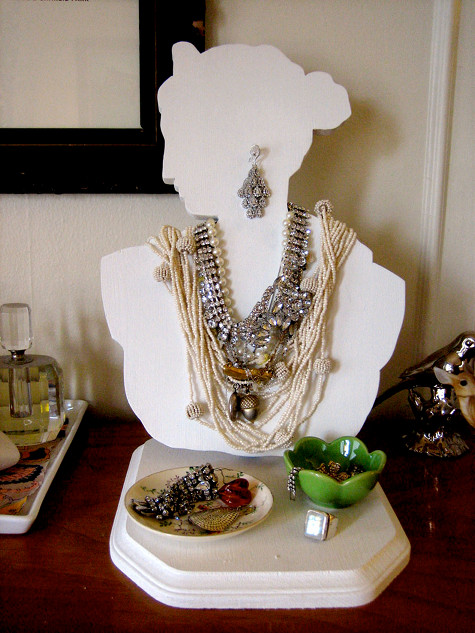
A traditional jewelry box sounds sensible until it becomes a tiny wooden apartment where twelve necklaces share one bedroom, earr best jewelry box alternatives range from velvet-lined drawer trays and wall-mounted hooks to ceramic dishes, travel rolls, pegboards, and repurposed kitchen organizers. Some solutions hide everything neatly, while others turn necklaces and earrings into decorative displays. The right choice depends on what you own, how often you wear it, how much space you have, and whether your collection consists of fine jewelry, inexpensive fashion pieces, or a cheerful mixture of both.
This guide explores practical, attractive, and budget-friendly jewelry storage ideas, along with the advantages and limitations of each option.
Why Look for Alternatives to a Jewelry Box?
Jewelry boxes are useful, but they are not universally useful. Many have small compartments designed for rings and stud earrings but lack enough vertical space for long necklaces, chunky bracelets, watches, or oversized statement pieces. Once the compartments overflow, organization quietly leaves the building.
Alternative jewelry storage can solve several common problems:
- Necklaces remain separated instead of tangling together.
- Earring pairs stay visible and easy to match.
- Drawer and wall space can be used more efficiently.
- Frequently worn pieces are easier to reach.
- The organizer can expand as the collection grows.
- Jewelry can become part of the room’s decor.
A customized system also allows delicate or valuable pieces to be stored differently from everyday costume jewelry. One organizer does not have to do every job.
15 Smart Jewelry Box Alternatives
1. Velvet-Lined Drawer Trays
Drawer trays are among the most practical alternatives for anyone who prefers a clean dresser top. These shallow inserts divide a drawer into sections for rings, earrings, pendants, bracelets, and watches.
Soft velvet or felt lining reduces direct contact with hard surfaces, while separate compartments help prevent chains and metal pieces from rubbing together. Modular trays are especially convenient because additional layers or sections can be added later.
Before purchasing a tray, measure the drawer’s width, depth, and height. A beautiful organizer that prevents the drawer from closing is less of an organizer and more of an expensive wooden doorstop.
2. Decorative Ceramic Dishes
Small ceramic dishes, saucers, butter plates, and vintage teacups are excellent for holding jewelry worn every day. Place one on a dresser, nightstand, or closet shelf as a designated drop zone for rings, earrings, and a favorite watch.
This method is affordable and visually appealing, especially when thrifted dishes are mixed and matched. However, an open dish is best for a small rotation of frequently used pieces. Tossing twenty chains into one bowl simply creates a more attractive version of the original problem.
3. Wall-Mounted Hooks
Hooks are ideal for necklaces because they allow each chain to hang separately. A row of decorative hooks can be mounted on a wall, inside a closet door, behind a bedroom door, or along the side of a wardrobe.
Choose hooks with smooth edges and enough space between them to prevent pendants from colliding. Long necklaces should hang without touching the floor, furniture, or one another. Renters can consider removable adhesive hooks, provided the jewelry is lightweight and the wall surface is suitable.
4. Framed Corkboard Organizer
A framed corkboard turns jewelry into functional wall art. Pushpins can hold necklaces and bracelets, while lightweight earrings may be attached to cards pinned to the board.
Cover the cork with linen, velvet, or patterned fabric for a more polished appearance. An ornate secondhand frame can make the finished organizer look less like an office noticeboard and more like something intentionally purchased from a boutique.
This alternative works particularly well in apartments because it uses vertical space without requiring a large piece of furniture.
5. Pegboard Jewelry Display
Pegboards provide more flexibility than fixed hooks. Small pegs, baskets, shelves, and rods can be rearranged whenever the collection changes. Necklaces can hang from individual pegs, bracelets can rest on short rods, and small containers can hold rings or earring backs.
A wooden or painted pegboard can blend into bedroom or closet decor. It is also a strong choice for large collections because the layout can be expanded rather than completely replaced.
6. Jewelry Trees and Branching Stands
A jewelry tree is a compact tabletop organizer with multiple arms for necklaces, bracelets, hoops, and rings. It keeps popular items visible and adds sculptural interest to a dresser.
Look for a weighted base, especially when storing heavy pendants or watches. Models with arms at different heights are more useful because they accommodate both chokers and long chains. A small tray at the base provides a convenient place for studs and rings.
The main drawback is exposure to dust, sunlight, humidity, and curious pets. A cat may interpret a jewelry tree as an interactive enrichment program.
7. Acrylic Drawers and Clear Organizers
Clear acrylic organizers provide visibility without leaving every piece completely exposed. Small drawers can be assigned to different categories, colors, metals, or outfit styles.
This solution is useful for costume jewelry because it makes browsing easy. Clear containers also help prevent duplicate purchases. It is difficult to convince yourself that you need another pair of gold hoops when fourteen existing pairs are staring directly at you.
Add soft liners to hard acrylic compartments before storing delicate metals, pearls, or easily scratched stones.
8. Hanging Pocket Organizers
A hanging organizer with transparent pockets can hold a surprisingly large collection while using very little floor or drawer space. It may hang from a closet rod, wall hook, or the back of a door.
Individual pockets keep earrings, brooches, bracelets, and pendants separated. Because the contents remain visible, selecting accessories takes less time. Double-sided models offer even more storage.
This option is better for durable everyday jewelry than for fragile heirlooms. Avoid overloading pockets or placing sharp pieces where they can puncture the material.
9. Repurposed Silverware Trays
A silverware tray has long, narrow compartments that happen to be excellent for bracelets, watches, chains, and larger earrings. Wooden and bamboo versions can be lined with felt to create a surprisingly sophisticated jewelry drawer.
Expandable utensil organizers are particularly useful for wide drawers. Small removable containers can be placed inside the longer sections to separate pendants and rings.
This is one of the best budget jewelry storage ideas because silverware trays are widely available and often cost less than products labeled specifically for jewelry.
10. Ice Cube Trays or Muffin Pans
For a low-cost organizer hidden inside a drawer, consider an unused ice cube tray or muffin pan. Each section can hold a pair of earrings, a brooch, a ring, or a small pendant.
Plastic ice trays are easy to wipe clean, while metal muffin pans are sturdy enough for chunky fashion pieces. Add small circles of felt to the bottom of each compartment if the surface seems too hard.
This solution is practical rather than luxurious, but your earrings are unlikely to complain about the lack of mahogany.
11. Ring Cones and Sculptural Holders
Ring cones, ceramic hands, animal-shaped holders, and small sculptures provide dedicated storage while doubling as decor. They are best used for a limited number of frequently worn rings.
Place one near the bed or in a dressing area so rings have a consistent home. A stable, memorable location matters more than an elaborate design. Valuable pieces are often misplaced not because storage is unavailable, but because they are set down in a different random location each day.
12. Shadow Boxes and Display Frames
A shadow box offers display space with a protective front panel. Hooks or padded backing can be added inside to hold necklaces, brooches, earrings, and sentimental pieces.
This method is especially attractive for vintage jewelry or inherited items that deserve to be seen even when they are not worn regularly. A hinged or magnetic front makes access easier than a permanently sealed frame.
Keep valuable or light-sensitive jewelry away from direct sunlight, even when displayed behind glass.
13. Fabric Jewelry Rolls
A jewelry roll is a soft fabric organizer with zippered pockets, loops, ring bars, or snap closures. It can be folded or rolled into a compact bundle, making it useful for travel and small homes.
At home, jewelry rolls can be stored inside a drawer, safe, or closet bin. They protect individual items without requiring a permanent tabletop organizer. Travelers should choose designs that secure chains at more than one point so necklaces cannot slide together during transportation.
Soft pouches and rolls are also useful for separating fine jewelry from harder fashion pieces.
14. Stackable Storage Trays
Stackable trays offer the capacity of a jewelry chest without the fixed layout. One tray may contain rings, another necklaces, and another watches or bracelets. When the collection grows, another layer can be added.
Choose trays with lids or keep the top layer covered to reduce dust. Labels may be helpful if the trays are opaque. Stackable designs work well in closets, deep drawers, and on shelves where horizontal space is limited.
15. A Locking Drawer, Cabinet, or Home Safe
For expensive, rare, or sentimental jewelry, security should take priority over display. A locking drawer, concealed cabinet, or properly installed home safe provides more protection than an open stand or decorative dish.
Inside the secure area, use individual pouches, padded trays, or compartmentalized containers. A safe may protect against unauthorized access, but jewelry still needs protection from scratching, tangling, and environmental conditions.
Maintain photographs, purchase records, appraisals, and identifying details for valuable pieces. Store copies separately from the jewelry itself.
How to Choose the Best Jewelry Storage Alternative
Match the Organizer to the Jewelry Type
Different pieces require different storage shapes. Long chains benefit from hooks, rings fit neatly into padded slots, studs need small compartments, and rigid bangles can share a larger container. Trying to force every category into identical squares usually wastes space.
Decide Between Display and Concealment
Open displays make jewelry visible and encourage regular use. Enclosed drawers reduce dust and visual clutter. A hybrid system often works best: keep an everyday capsule collection on a stand or dish, while storing special pieces in protected compartments.
Consider the Material
Use soft, nonabrasive surfaces for fine jewelry. Velvet, felt, microfiber, smooth cotton, and padded fabric help reduce scratching. Avoid rough wood, hard metal edges, and containers that allow pieces to slide into one another.
Silver and some plated jewelry benefit from dry, enclosed storage. Pearls and other delicate organic materials require careful handling and should not be casually mixed with harder gemstones or metal chains.
Keep Storage Away From Humidity and Chemicals
The bathroom may seem convenient, but frequent humidity makes it a poor long-term storage location. Jewelry should also be kept away from perfume, hairspray, household cleaners, and direct sunlight.
Make sure pieces are clean and fully dry before storing them. In humid climates, a suitable desiccant packet may help manage excess moisture inside an enclosed organizer. Keep packets secured and away from children and pets.
Make the System Easy to Maintain
An organization method only succeeds when it is simple enough to use on a tired Tuesday night. Place everyday storage near the area where jewelry is normally removed. If the organizer requires unlocking three cabinets, lifting six trays, and solving a riddle, the nightstand will eventually win.
Jewelry Storage Ideas by Space and Budget
For Small Apartments
Choose wall hooks, pegboards, hanging pocket organizers, framed corkboards, or narrow tabletop stands. Vertical storage protects limited drawer and dresser space.
For Minimalist Bedrooms
Use velvet-lined drawer inserts, stackable trays inside a closet, or a concealed wall cabinet. Keep only a small dish or ring cone visible.
For Large Collections
Combine several systems. Use hooks for necklaces, divided trays for earrings, padded containers for watches, and secure storage for high-value pieces. Categorizing by jewelry type is usually more manageable than forcing everything into one oversized organizer.
For Tight Budgets
Repurpose saucers, gift boxes, ice trays, silverware dividers, corkboards, and small jars. Thrift stores are excellent places to find trays, frames, teacups, wooden boxes, and unusual display pieces.
For Frequent Travelers
Choose a jewelry roll, flat zippered organizer, compact divided case, or small pouch system. Pack pieces separately and keep valuable jewelry with you rather than in unattended luggage.
Common Jewelry Storage Mistakes
- Mixing everything together: Chains knot, stones scratch softer materials, and earring pairs separate.
- Storing damp jewelry: Moisture can contribute to tarnish and damage.
- Using rough containers: Unlined wood, hard plastic, or metal may scratch polished surfaces.
- Overloading hooks: Several necklaces on one hook can become one extremely complicated necklace.
- Leaving valuable pieces in plain sight: Attractive displays are not suitable for every item.
- Choosing storage before decluttering: Organizing pieces that are broken, unwanted, or never worn wastes space.
- Ignoring daily habits: Storage located far from the dressing area is less likely to be used consistently.
Real-World Experiences With Jewelry Box Alternatives
The most effective jewelry organization usually develops through experimentation rather than one dramatic shopping trip. A common first attempt is the decorative bowl. It looks charming, costs almost nothing, and works beautifully for two rings and a watch. Then a necklace arrives. Next comes a second necklace. Within a month, the bowl resembles a metallic plate of spaghetti.
The lesson is simple: dishes are excellent drop zones but poor long-term homes for chains. Moving necklaces onto individual hooks immediately makes them easier to see and dramatically reduces tangling. Even a short row of hooks inside a closet can outperform a crowded traditional jewelry box.
Drawer trays create a different improvement. When earrings are stored in small visible compartments, getting dressed becomes faster. Instead of opening boxes, pouches, and mysterious gift containers, the entire selection appears at once. The shallow layout also reveals which pieces are actually being worn. Jewelry buried beneath three layers of bracelets may as well be spending the winter in another state.
One practical setup is to divide jewelry into three groups. The first group contains everyday pieces and stays on a small stand or padded tray near the dressing area. The second group contains occasional jewelry and goes into a divided drawer. The third group includes valuable or sentimental items and is stored securely in individual pouches. This arrangement balances convenience, protection, and security without requiring a giant organizer.
Wall storage can be especially successful in compact bedrooms, although spacing matters. Hooks placed too closely together allow pendants to strike each other whenever one necklace is removed. Leaving a little room between pieces produces a cleaner display and protects delicate surfaces. Hanging necklaces by approximate length also prevents shorter chains from disappearing behind longer ones.
Repurposed organizers can work just as well as specialty products. A bamboo silverware tray, for example, provides long sections for watches and bracelets. After adding felt to the bottom, it looks intentional rather than improvised. Small ceramic dishes placed inside the tray create compartments for studs and rings. The result is customizable, inexpensive, and easier to rearrange than a fixed jewelry chest.
Travel exposes weaknesses in a storage system very quickly. A necklace placed loose inside a cosmetic bag can transform itself into a puzzle before the suitcase reaches the airport. Individual zippered pockets, necklace tabs, and padded rolls are far more reliable. Packing fewer pieces also helps. A small travel capsule of coordinated jewelry is usually more useful than bringing every accessory owned since middle school.
Another valuable experience is learning that visibility influences use. Jewelry hidden in opaque boxes is easy to forget, while pieces displayed on a stand or in a shallow tray tend to enter regular rotation. However, too much visibility creates visual clutter. The most comfortable balance is often a curated display supported by concealed storage.
Finally, no organizer can compensate for an oversized collection that is never reviewed. Periodically remove broken items, separate pieces needing repair, and donate or sell jewelry that no longer fits your style. Storage becomes easier when every item has earned its place. The goal is not to create a museum of accessories; it is to build a system that makes jewelry enjoyable to own and effortless to wear.
Conclusion
The best jewelry box alternatives are not necessarily expensive or elaborate. A lined drawer tray may be ideal for a minimalist, while a framed pegboard may suit someone who enjoys displaying colorful necklaces. Ceramic dishes simplify daily routines, fabric rolls make travel easier, and secure cabinets protect valuable collections.
Start by sorting jewelry according to type, value, size, and frequency of use. Then combine storage methods rather than expecting one container to solve every problem. When each piece is visible, separated, protected, and easy to return, jewelry organization stops feeling like a choreand necklace untangling can finally retire as a weekend hobby.











