
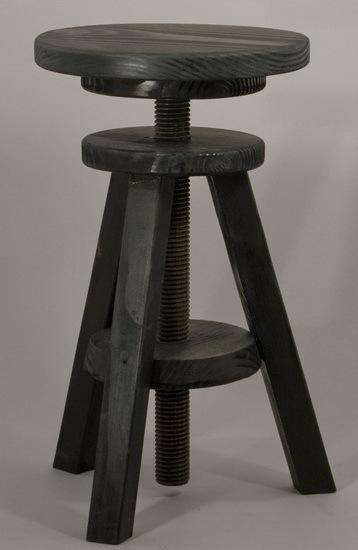
A black counter stool sounds simple until you try to buy one. Suddenly, you are comparing seat height, back height, footrests, swivel mechanisms, wood grain, metal finish, island overhang, and whether your family will treat upholstery like seating or like a spaghetti-testing laboratory. That is the quiet genius of the high/low black counter stool: it proves that style does not always require a dramatic budget, but comfort still requires a measuring tape.
The phrase “high/low” usually means comparing a premium design with a more affordable alternative. In this case, it also works as a practical design rule. A good black counter stool should look high-end, sit at the right height, tuck neatly under a counter, and survive everyday life without demanding museum-level behavior from the people using it. Whether you are furnishing a new kitchen island, refreshing a breakfast bar, or trying to make a rental kitchen look less “temporary beige,” the black counter stool is one of the most useful pieces of furniture you can buy.
Black is the little black dress of kitchen seating. It works with white quartz, butcher block, marble, concrete, stainless steel, walnut, oak, painted cabinets, and even that one tile backsplash you inherited from a previous homeowner with bold opinions. It can disappear quietly or add graphic contrast. It can lean farmhouse, industrial, Scandinavian, modern, bistro, or minimalist. The trick is choosing the right stool for your counter, your room, and your actual habitsnot the fantasy version of your home where nobody eats crackers over the sink.
Why the Black Counter Stool Keeps Winning
A black counter stool succeeds because it solves several design problems at once. First, it anchors the kitchen visually. Kitchens often contain a lot of reflective and light-colored surfaces: pale cabinets, stone countertops, stainless appliances, glass pendants, and bright walls. Black stools add punctuation. They say, “The sentence ends here,” but in a chic way.
Second, black is forgiving. A pale upholstered stool can be beautiful, but it also announces every coffee drip, denim rub, and mystery smudge. Black wood, black metal, black leather, or black performance fabric can be much easier to live with, especially in homes with children, pets, guests, or adults who claim they are “very careful” while eating tacos.
Third, black counter stools pair well with mixed materials. A black metal stool can make a rustic wood island feel sharper. A black bentwood stool can soften a modern white kitchen. A black leather stool can bring warmth and polish to stone countertops. A black spindle stool can make a farmhouse kitchen feel less predictable. In other words, black is not one note. It is a full playlist.
Counter Height vs. Bar Height: Measure Before You Fall in Love
The fastest way to ruin a beautiful stool purchase is to buy the wrong height. Counter stools and bar stools are not the same thing, even though retailers sometimes group them together in one tempting category. A standard kitchen counter or island is usually about 36 inches high. For that surface, a counter-height stool with a seat around 24 to 27 inches high is typically the best fit.
Bar-height surfaces are taller, usually around 40 to 42 inches high, and they need taller stools with seats closer to 28 to 32 inches. Extra-tall stools exist too, but unless you own a custom home bar or a kitchen designed by a very tall wizard, you probably do not need them.
The comfort rule is simple: aim for about 10 to 12 inches between the stool seat and the underside of the counter. This gives knees enough room to exist peacefully. If the gap is too small, sitting feels cramped. If the gap is too large, everyone looks like a child waiting for pancakes at a diner counter.
Quick Measuring Example
If your island is 36 inches high, subtract 10 to 12 inches. That gives you a comfortable seat-height range of roughly 24 to 26 inches. If you are eyeing a black adjustable stool, make sure its lowest and highest settings actually work for your counter. Adjustable stools are wonderfully flexible, but only if the range makes sense. “Adjustable” does not automatically mean “comfortable.” It just means the stool can move while still judging your math.
The Original High/Low Idea: Premium Look, Budget Logic
The high/low black counter stool concept became appealing because the two ends of the market often share the same basic visual language: dark finish, simple silhouette, round seat, footrest, and a sculptural profile. A premium stool might use refined joinery, designer proportions, hand-finished wood, or a more carefully engineered mechanism. A lower-cost stool might simplify materials and construction while still delivering the same overall mood.
That is the heart of good high/low decorating. The goal is not to buy a knockoff or pretend every budget piece is heirloom furniture. The goal is to understand what makes the expensive version appealing, then decide which details matter most. Is it the black finish? The adjustable seat? The tripod base? The slim profile? The industrial attitude? Once you know the answer, you can shop smarter.
A high-end black stool may be worth the investment if it will be used daily, sits in a highly visible kitchen, or needs to last through years of family meals. A budget black stool may be perfect for a small apartment, a secondary counter, a studio, a rental, or a home where furniture needs to be useful now rather than perfect forever. Both can be good choices. The wrong choice is buying only for looks and discovering later that the seat is the comfort equivalent of a decorative rock.
Material Matters: Wood, Metal, Leather, and Woven Details
Black Wood Counter Stools
Black wood counter stools are warm, classic, and versatile. They work beautifully in traditional, farmhouse, Scandinavian, transitional, and modern kitchens. Look for details like a sculpted seat, curved back, tapered legs, or visible wood grain under an ebonized finish. These details keep black wood from looking flat or heavy.
A black Windsor-style stool, for example, brings familiar charm without feeling old-fashioned. A black bentwood stool feels lighter and more European. A black square-legged stool can look clean and architectural. Wood is also quieter than metal when moved, which matters if your kitchen is the place where everyone gathers at 6 a.m. and one person is still trying to sleep.
Black Metal Counter Stools
Black metal stools bring an industrial edge. They are often durable, easy to wipe clean, and visually slim. Powder-coated metal can be especially practical in high-traffic kitchens because it resists everyday wear better than delicate painted finishes. Metal stools also pair well with concrete floors, brick walls, stainless appliances, and modern lighting.
The caution: metal can feel cold or hard if the seat is not shaped well. If you choose a backless black metal stool, make sure the seat is comfortable enough for how you plan to use it. For quick coffee, fine. For a two-hour conversation about vacation plans, maybe add a cushion or choose a stool with a supportive back.
Black Leather and Upholstered Stools
Black leather or faux leather stools add polish. They are excellent for kitchens that need softness but still want a clean, dark accent. Leather can age attractively, while faux leather and performance upholstery can be easier to clean depending on the product. Cushioned seats are especially nice if the island doubles as a homework zone, work-from-home perch, or long brunch station.
However, upholstery adds maintenance. Check whether the material is wipeable, stain-resistant, or removable. A gorgeous stool that panics at the sight of orange juice is not a kitchen stool. It is a diva with legs.
Black Woven and Rush Seats
Woven seats bring texture and lightness. A black frame with a rush, cane, or woven seat can bridge modern and traditional styles. This is a smart choice when an all-black stool feels too heavy but you still want contrast. Woven seats also add a handmade note, which helps balance sleek countertops and modern cabinetry.
Backless, Low-Back, or Full-Back?
Backless black counter stools are the cleanest and easiest to tuck under an island. They are ideal for small kitchens, narrow walkways, and minimalist spaces. They also keep sight lines open, which makes a kitchen feel larger. The tradeoff is comfort. Backless stools are best for shorter sitting sessions.
Low-back stools offer a helpful compromise. They provide some support while still sliding under the counter more easily than full-back chairs. A low-back black stool can look sleek and modern, especially when the back is curved or upholstered. It gives guests a place to lean without visually crowding the island.
Full-back counter stools feel more like dining chairs. They are comfortable for long meals, homework, laptop work, and lingering conversations. They also create a stronger design statement. Before buying full-back stools, measure the total height and depth. Make sure they will not block drawers, crowd walkways, or dominate the island like a row of tiny thrones.
How Many Stools Fit at a Kitchen Island?
Stool spacing is where optimism meets elbows. A good general rule is to allow about 24 to 30 inches of width per stool. Narrow stools can sit closer together, while wider stools, stools with arms, and swivel stools need more space. For most kitchens, leaving 6 to 10 inches between seats gives people enough room to sit down, turn, and eat without becoming unwilling close friends.
Also consider the depth behind the stool. If there is a walkway, wall, refrigerator, or cabinet behind the seating area, you need enough clearance for people to pull the stool out and pass behind it. A beautiful stool arrangement that blocks the dishwasher every night will eventually become a household villain.
Simple Island Seating Formula
Measure the usable length of your island seating area. Divide by 24 for a snug arrangement or by 28 to 30 for a more comfortable one. For example, a 72-inch island can usually fit three narrow stools, but two wider stools may look and feel better if you use the island for longer meals. More seats are not always better. Sometimes negative space is the real luxury.
Choosing a High-End Black Counter Stool
A high-end black counter stool should earn its price. Look for sturdy construction, quality joinery, comfortable shaping, durable finish, balanced proportions, and materials that improve with age. A premium stool often has small details that are hard to appreciate online but obvious in person: a smoother swivel, a more graceful curve, a better footrest placement, or a finish that reveals the grain instead of covering it like black nail polish on a toolbox.
High-end stools make sense when they are part of the main visual composition of the kitchen. If your island faces the living room or dining area, the stools are not background furniture. They are front-row performers. In open-plan homes, counter stools often act as the visual bridge between kitchen and living space, so investing in better materials can elevate the entire room.
Choosing a Budget Black Counter Stool
A budget black counter stool should be judged by practicality first. Is the height right? Is it stable? Does it have a footrest? Can it be cleaned easily? Does it wobble? Will the finish chip if someone looks at it with keys in their pocket? Budget stools can be fantastic, but they require a sharper eye.
Simple designs often work best at lower prices. A basic black wood stool, foldable stool, metal café stool, or adjustable round stool can look intentional rather than inexpensive. Avoid overly complicated budget designs with lots of faux details. Fake distressing, shiny plastic leather, and decorative hardware can make a stool look cheaper than it is. When in doubt, choose clean lines. Minimalism is budget furniture’s best friend.
Style Pairings That Actually Work
White Kitchen, Black Stools
This is the classic contrast. Black stools give a white kitchen structure and prevent it from feeling too sterile. Add wood cutting boards, warm metal lighting, or woven shades to keep the space inviting.
Wood Island, Black Stools
Black stools against a wood island feel grounded and modern. This pairing works especially well with white walls, stone counters, and matte black hardware. It is warm without being rustic overload.
Black Island, Black Stools
Yes, black-on-black can work. The secret is texture. Pair a matte black island with black stools in leather, woven cord, ebonized wood, or metal with a different sheen. If everything is the same finish, the stools may disappear into one large shadow. Stylish? Maybe. Practical at midnight? Not always.
Marble or Quartz Countertops, Black Stools
Black stools sharpen the elegance of stone. If the countertop has dramatic veining, keep the stool silhouette simple. Let the stone be the opera singer; the stool can be the very well-dressed accompanist.
Comfort Details People Forget
The footrest is not optional. A counter stool without a footrest may look clean, but it leaves legs dangling awkwardly. Footrests make sitting more comfortable and help people maintain better posture. If the stool is metal, consider whether the footrest has a protective bar or finish that can handle shoes.
Seat shape matters too. A flat round seat can be fine for quick use, but a sculpted seat is better for longer sitting. A curved back provides support without needing thick upholstery. Swivel stools make it easier to turn toward the room, but they need more clearance and should have a smooth return mechanism if you like a tidy look.
Arms can be comfortable, but they complicate everything. They add width, require more spacing, and may not slide under the counter. If you love stools with arms, measure the arm height and counter overhang carefully before buying.
Cleaning and Maintenance
Black hides some messes and highlights others. It can disguise stains but show dust, flour, pet hair, and crumbs. Matte finishes tend to be more forgiving than glossy black surfaces. For wood, use a soft damp cloth and avoid harsh cleaners that can dull the finish. For metal, wipe spills quickly to protect the coating. For leather or faux leather, follow the manufacturer’s care instructions and avoid aggressive scrubbing.
Add felt pads or floor protectors if the stools sit on hardwood, tile, or polished concrete. This tiny step can save your floors from scratches and your ears from the terrible sound of furniture dragging across a room like a haunted shopping cart.
High/Low Shopping Strategy
Start with the high version, even if you do not plan to buy it. Study what you like: the leg angle, seat shape, finish, back height, material mix, or footrest design. Then search for lower-priced stools that share those qualities without pretending to be identical. This approach helps you avoid random shopping and focus on design language.
Next, decide where to spend. If the stool will be used every day, prioritize comfort and construction. If it is mostly decorative or used occasionally, you can lean more budget-friendly. If you need four or five stools, even a small price difference becomes serious math. A $200 difference per stool is not a detail; it is a small appliance.
Finally, order one stool first if possible. Test it at your counter. Sit in it. Slide it under the island. Check the footrest. See how it looks in morning light and evening light. A stool can look perfect online and strange in your kitchen because proportions are sneaky little goblins.
Common Mistakes to Avoid
The biggest mistake is buying bar-height stools for a counter-height island. The second biggest mistake is buying too many stools. The third is choosing a stool with a gorgeous profile and the comfort level of a punishment device.
Other mistakes include ignoring counter overhang, forgetting walkway clearance, buying arms that do not fit under the counter, choosing delicate upholstery for a messy household, and assuming all black finishes match. Warm black, cool black, matte black, satin black, distressed black, and ebonized wood all read differently. They do not have to match perfectly, but they should look intentional together.
Best Rooms for a Black Counter Stool
The kitchen island is the obvious home, but black counter stools can work elsewhere too. Use one at a tall craft table, a basement bar, a studio workbench, a laundry folding station, or a compact breakfast ledge. Backless black stools are especially useful in small spaces because they tuck away neatly. Adjustable black stools can move between rooms as needs change.
In open-plan homes, black stools help define the kitchen zone. In small apartments, they add function without visual clutter. In family homes, they create the everyday landing spot for snacks, homework, mail sorting, and the sacred tradition of talking to someone while they cook.
Real-Life Experiences With High/Low Black Counter Stools
After living with different counter stools in real kitchens, one lesson becomes obvious: the stool you admire most is not always the stool you use most. The dramatic designer stool may photograph beautifully, but the everyday winner is usually the one that slides easily, sits comfortably, wipes clean, and does not make guests ask, “Am I sitting on this correctly?”
In a small apartment kitchen, a pair of backless black stools can be a lifesaver. They tuck fully under the counter, keeping the walkway open. This matters when the kitchen is also the hallway, the dining room, the coffee shop, and occasionally the place where packages wait to be opened. A slim black stool can give the space a finished look without adding visual noise. The downside is that backless stools are not the best for long meals. They are perfect for breakfast, quick lunches, or chatting while someone cooks, but not ideal for a three-hour dinner unless your core strength is better than average.
In a family kitchen, low-back black stools often perform better. They provide enough support for kids doing homework or adults answering emails, but they still keep the island visually open. A low-back stool in black metal and wood is especially practical because it can handle daily traffic. Spills wipe off. Shoes on the footrest are not a tragedy. The kitchen still looks organized even when life is doing what life does, which is mostly leaving crumbs.
Upholstered black stools create a more comfortable experience, especially around large islands where people gather for real meals. A cushioned black leather or faux leather stool feels polished and inviting. It makes the kitchen feel less like a prep zone and more like a casual dining room. The key is choosing a material that matches your household. If your home includes toddlers, pets, or enthusiastic pasta eaters, easy-clean upholstery is not a luxury. It is emotional insurance.
Adjustable black stools are useful when multiple people use the same counter. They are also helpful in older homes where counter heights are not perfectly standard. A screw-style or hydraulic stool can bridge the gap between comfort and flexibility. However, adjustable stools can feel more casual or industrial, so they may not suit every kitchen. They are excellent in lofts, studios, workshops, and modern kitchens, but they may feel slightly out of place in a very formal traditional kitchen unless the materials are refined.
The most successful high/low approach I have seen is mixing investment and budget thinking rather than blindly choosing one side. Spend more where hands, backs, and daily habits matter. Save where the design is simple and the piece is not carrying the whole room. For example, a household might choose premium black wood stools for the main kitchen island because they are visible from the living room, then use affordable black metal stools in the basement bar or craft room. The result feels cohesive without treating every corner of the home like a luxury showroom.
Another experience worth noting: black stools change the mood of a kitchen instantly. In a white kitchen, they add contrast and confidence. In a wood kitchen, they create definition. In a black kitchen, they deepen the drama. But they also need balance. A room with black stools, black pendants, black hardware, and black countertops can look sophisticatedor like it is preparing to host a very stylish thunderstorm. Add warmth with wood, woven texture, brass, greenery, ceramics, or soft textiles.
Before buying, tape out the stool spacing on the floor or place dining chairs where the stools will go. This simple test reveals whether three stools truly fit or whether two will feel more generous. Sit at the counter for a few minutes and notice where your knees land. Check whether cabinet doors open. Pull the imaginary stool back and see if someone could walk behind it. These humble tests prevent expensive regret.
The best black counter stool is not just the one with the best silhouette. It is the one that makes your kitchen easier to use and better to look at every day. High or low, designer or budget, wood or metal, backless or cushionedthe winning stool earns its place quietly. It supports breakfast, late-night snacks, homework, conversations, and the occasional moment when you sit down for one peaceful minute and remember that furniture can be both useful and beautiful.
Conclusion
A high/low black counter stool is more than a shopping comparison. It is a design lesson in proportion, comfort, materials, and restraint. The best stool is not always the most expensive, and the cheapest option is not always the smartest. The sweet spot is a stool that fits your counter, supports your body, suits your kitchen, and survives your lifestyle with grace.
Black counter stools remain popular because they are adaptable, timeless, and practical. They can make a plain kitchen sharper, a modern kitchen warmer, and a busy kitchen more organized. Measure carefully, choose materials honestly, leave enough room for real humans, and remember: a stool may be small, but when it is lined up at the heart of the home, it has a big job.











